
Is Best Board Game for beginners Worth It? Honest Review (2026)
Everything beginners need to know to choose their first board game with confidence
Choosing your first board game can feel overwhelming with thousands of options, complex rules, and varying playtimes. Many beginners worry about picking something too complicated or too simple. This guide breaks down the process into simple steps, highlights beginner-friendly games, and helps you avoid common mistakes. Whether you're buying for yourself or as a gift, you'll feel confident in your choice.
📋 In This Guide
- • Why Beginners Struggle with Board Game
- • What to Look For (Key Features)
- • Top 3 Beginner-Friendly Board Game
- • Essential Accessories for Beginners
- • Common Beginner Mistakes to Avoid
- • Your Progression Path
- • FAQ & Learning Resources
😰 Why Beginners Struggle with Board Game
Beginners often struggle with the sheer variety of board games: from lightweight party games to heavy strategy titles. Technical jargon like ‘worker placement,’ ‘engine building,’ or ‘drafting’ can be intimidating. Many new players fear buying a game that will be too complex, take too long, or bore their group. Without guidance, it's easy to pick a game that doesn't match their group's preferences or learning curve.
🔍 What to Look For: Key Beginner-Friendly Features
For a first board game, look for games with simple rules, quick setup, and playtime under 90 minutes. Seek games that are ‘forgiving’—where mistakes don't ruin the experience—and that support 2–4 players (most common group size). Avoid games with heavy reading or lots of fiddly bits. Beginner-friendly qualities include intuitive mechanics, clear rulebooks, and online tutorials. A well-designed beginner game lets you learn as you play.
✅ Essential Features for Beginners
- •Simple rules (can be taught in 5 minutes)
- •Playtime under 90 minutes
- •Clear rulebook with examples
- •Interactive but forgiving (mistakes don't ruin game)
- •Scales well for 2–4 players
- •High replay value with variable setup
📖 Complete Beginner's Guide to Board Game
Board games fall into many categories: strategy, party, cooperative, and abstract. For beginners, the best choices are often ‘gateway games’—titles designed to ease new players into the hobby. These games usually have a central mechanic that's easy to grasp, like set collection (Splendor), route building (Ticket to Ride), or tile placement (Carcassonne). Realistic expectations: expect to spend 30–60 minutes learning rules, then 45–90 minutes playing. Most gateway games support 2–4 players and have high replayability. When evaluating, read the ‘weight’ rating (1–5 scale; aim for 1.5–2.5) and watch a playthrough video.
🔧 Essential Accessories for Beginners

LetsResin Dice Tray (8x8 inch)
👍 Recommended$12.99
A dice tray keeps dice rolls contained on the table, prevents them from falling off, and reduces noise. It's especially useful for games with many dice rolls.
Beginner Benefits:
- • Prevents lost dice
- • Reduces noise
- • Keeps table clean

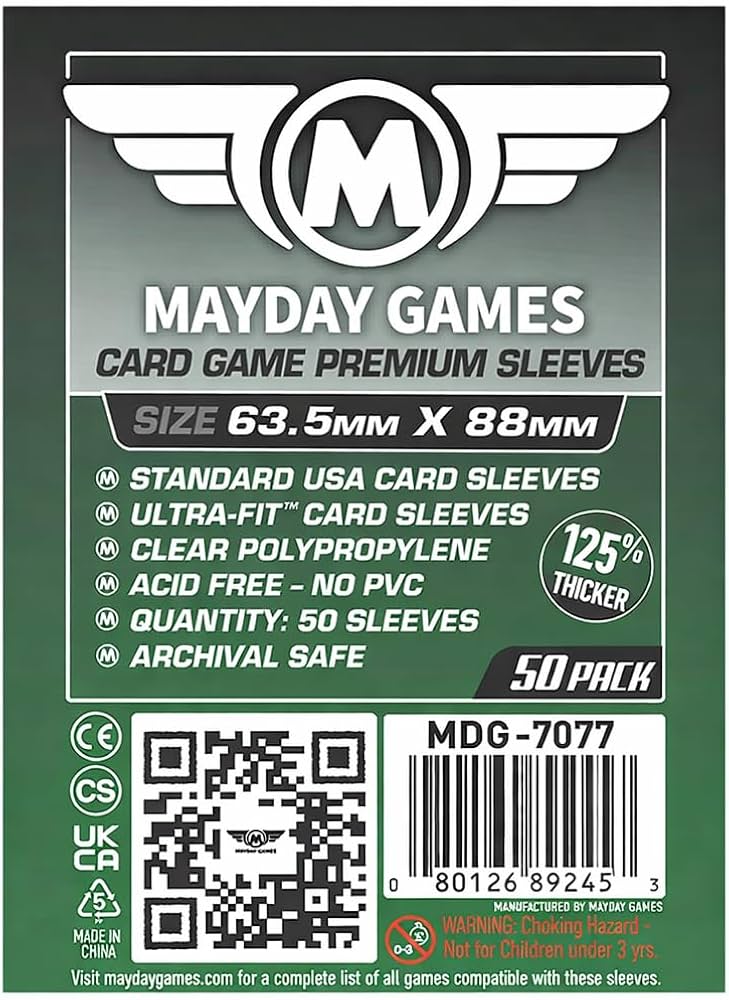
Mayday Premium Card Sleeves (63.5x88mm)
⚠️ Essential$4.99
Card sleeves protect cards from wear, spills, and fingerprints. They extend the life of your game and make shuffling easier.
Beginner Benefits:
- • Protects investment
- • Easier shuffling
- • Prevents marked cards

The Broken Token Board Game Insert (for Ticket to Ride)
💡 Nice to Have$24.99
An insert organizes all components in the box, speeding up setup and teardown. It also prevents pieces from shifting during storage.
Beginner Benefits:
- • Reduces setup time
- • Protects components
- • Makes game more portable

Folding Game Table (Portable)
⬆️ Upgrade$79.99
A dedicated game table provides a flat, comfortable surface and often includes cup holders and a neoprene mat. It enhances the playing experience.
Beginner Benefits:
- • Improves comfort
- • Keeps drinks separate
- • Portable for game nights
🤔 How to Choose Your First Board Game
Start by asking: Who will I play with? How much time do we have? Do we prefer cooperation or competition? For a casual family night, pick a light game like Catan. For a couple, consider a two-player game like Azul. Set a budget: most gateway games cost $30–$60. Don't overspend on a heavy game you may not enjoy. Red flags: games with 20+ page rulebooks, playtime over 2 hours, or high complexity ratings (4+).
💰 Budget Guide for Beginners
100+
Serious investment: hobbyist-level games with high production value
30 - $60
Sweet spot: most gateway games (Catan, Ticket to Ride, Carcassonne)
60 - $100
Premium beginner: deluxe editions or bigger boxes (Wingspan, Pandemic Legacy)
Under $ - $30
Entry level: simple games like Sushi Go!, good for testing interest
⚠️ Common Beginner Mistakes to Avoid
One common mistake is buying a game based on hype without considering your group's taste. Another is skipping essential accessories like card sleeves or a dice tray, which protect components and enhance play. Many beginners also buy too many games at once; start with one or two and play them multiple times. Don't ignore the rulebook—watch a video tutorial instead. Finally, avoid storage woes: invest in an insert or baggies early.
- ×Buying a game that's too complex for first play
- ×Not considering the group's preferences
- ×Skipping essential accessories like card sleeves
- ×Overlooking the importance of theme and art
- ×Buying multiple games at once without mastering one
- ×Ignoring the learning curve (e.g., heavy games like Twilight Imperium)
- ×Not storing components properly, leading to loss/damage
📈 Your Progression Path: Beginner to Intermediate
Start with a gateway game (e.g., Ticket to Ride) and play it 5–10 times to understand basic mechanics. Then try a slightly deeper game like Carcassonne or Splendor. Once you feel comfortable, branch into cooperative games (Pandemic) or medium-weight strategy (Wingspan). Signs you're ready to upgrade: you can explain rules to others, you seek more depth, and your group is engaged. Typically, beginners enjoy 3–6 months of gateway games before exploring more complex titles.
📚 Learning Resources for Beginners
- 📖‘The Board Game Beginner's Guide’ (Amazon book)
- 📖Watch It Played YouTube channel (tutorials)
- 📖BoardGameGeek ‘Beginner’s Guides’ forum
- 📖Plastic card sleeves for game longevity
- 📖A dice tray for rolling without clatter
🎯 Bottom Line: Our Recommendations
For most beginners, Ticket to Ride is the best overall pick—it's easy to teach, plays quickly, and is beloved by all ages. On a budget, Splendor offers deep strategy in a small box. For a premium experience, Wingspan provides stunning components and a gentle learning curve. Essential accessories: a set of card sleeves and a dice tray. Remember: the best game is the one your group wants to play again. Start with one, have fun, and don't stress!