Is Best Bird Cage for beginners Worth It? Honest Review (2026)
Everything beginners need to know to choose their first Bird Cage with confidence
Choosing your first bird cage can feel overwhelming. With so many sizes, materials, and features, it's easy to worry about making the wrong choice. This guide is designed to simplify the process, helping you find a cage that is safe, comfortable, and easy to maintain for both you and your feathered friend. Whether you have a budgie, cockatiel, or finch, we'll cover everything you need to know to make a confident decision.
📋 In This Guide
• Why Beginners Struggle with Bird Cage
• What to Look For (Key Features)
• Top 3 Beginner-Friendly Bird Cage
• Essential Accessories for Beginners
• Common Beginner Mistakes to Avoid
• Your Progression Path
• FAQ & Learning Resources
😰 Why Beginners Struggle with Bird Cage
Many beginners struggle because bird cages come with technical jargon like 'bar spacing', 'gauge', and 'powder-coated'. Without experience, it's hard to know what matters most. Additionally, the sheer number of options – from small travel cages to large flight cages – can be paralyzing. Beginners often fear buying a cage that is too small, unsafe, or difficult to clean, leading to frustration for both the owner and the bird.
🔍 What to Look For: Key Beginner-Friendly Features
For beginners, focus on three things: safety, ease of cleaning, and appropriate size. Look for cages with horizontal bars (for climbing), a removable bottom tray (for quick cleaning), and secure locks. Avoid cages with sharp edges, lead-based paint, or toxic materials. Bar spacing should match your bird's size – no wider than 1/2 inch for small birds like budgies, and up to 3/4 inch for cockatiels. A beginner-friendly cage is one that is simple to assemble, has wide doors for access, and includes sturdy perches and dishes.
✅ Essential Features for Beginners
•Appropriate bar spacing (½" for small birds, ¾" for medium)
•Horizontal bars for climbing and exercise
•Removable bottom tray for easy cleaning
•Secure door locks to prevent escapes
•Non-toxic, powder-coated or stainless steel finish
•Wide front door for easy access
•Well-spaced perches at different heights
🏆 Top 3 Best Bird Cage for Beginners
#1
💰 Budget
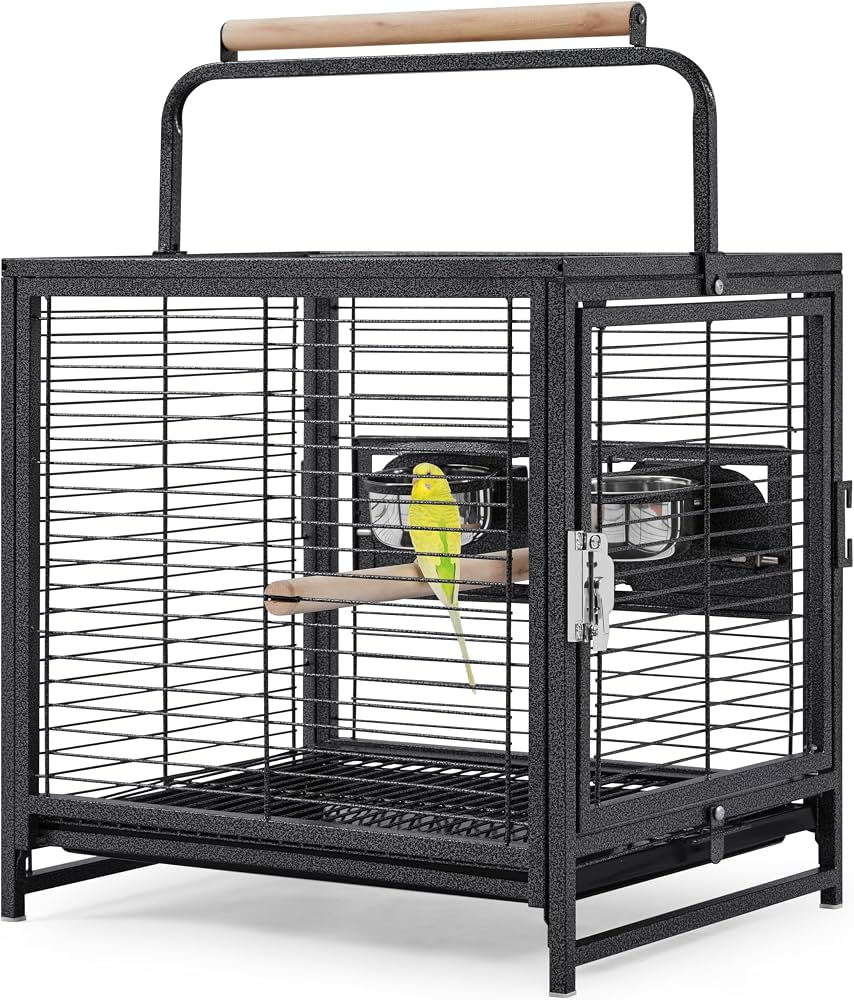
Yaheetech Small Bird Cage
Learning Curve: Easy
$45.99
Difficulty: 1/5
Why Great for Beginners:
This affordable cage is perfect for small birds like budgies or finches. It’s lightweight, easy to assemble, and includes a removable tray for quick cleaning. The bar spacing (0.5") is ideal for tiny birds, and the plastic base is simple to wipe down.
✓ Beginner Pros
+Very affordable – good starter investment
+Lightweight and easy to move
+Removable bottom tray simplifies cleaning
+Solid construction for the price
✗ Beginner Cons
-Small size – not suitable for larger birds
-Bar spacing too narrow for some cockatiels
-No seed guard – mess may spread
👍 Best for: Beginners with a single small bird (budgie, finch, canary) on a tight budget.
👎 Not for: Anyone with a medium or large bird, or those wanting a long-term cage.
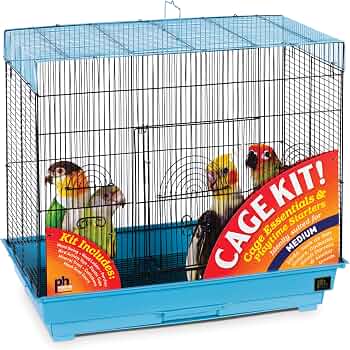
This flight cage offers generous space for small to medium birds, with horizontal bars for climbing. The slide-out tray makes cleanup a breeze, and the built-in seed guard reduces mess. It’s a popular choice among beginner bird owners for its balance of price and features.
✓ Beginner Pros
+Good size for multiple small birds or a pair of budgies
+Horizontal bars encourage exercise
+Seed guard helps keep floor clean
+Simple assembly with clear instructions
✗ Beginner Cons
-Slightly heavier than travel cages
-Some users find the seed guard gaps small
-Not ideal for very large birds like macaws
👍 Best for: Most beginners with budgies, finches, or a small cockatiel.
👎 Not for: Those with limited floor space or seeking a decorative cage.
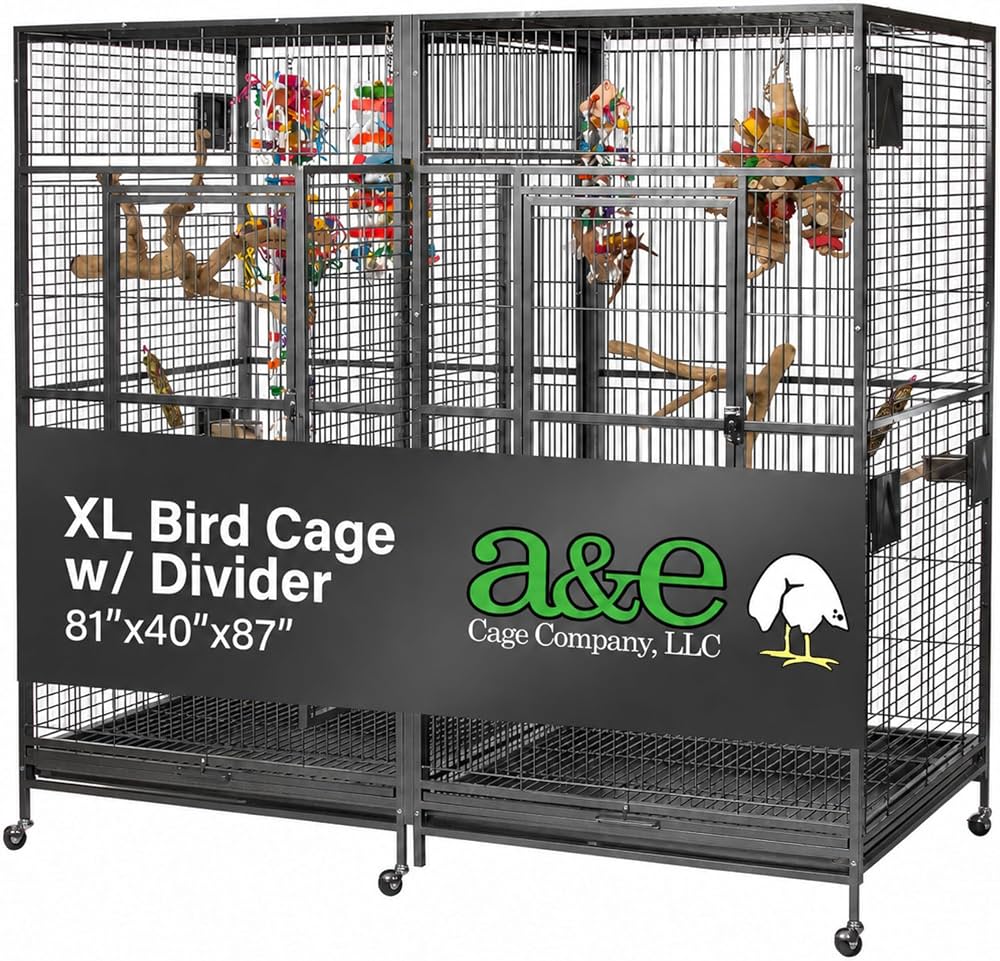
This premium cage is made with durable powder-coated steel and features a large interior for active birds. It has multiple access doors, a deep removable tray, and lockable wheels for mobility. While pricier, it’s a long-term investment that will accommodate a parrotlet, conure, or even an African grey.
✓ Beginner Pros
+Very spacious – room for flight and toys
+Sturdy construction with safe materials
+Large doors for easy interaction and cleaning
+Lockable casters make moving simple
✗ Beginner Cons
-Higher cost may deter budget buyers
-Heavy – requires two people to assemble
-May be too large for small apartments
👍 Best for: Serious beginners planning for a medium-sized parrot who want a cage that lasts.
👎 Not for: First-time buyers on a strict budget or those with very small birds.
Bird cages come in many styles: flight cages (long and wide), dome-top cages, and decorative models. For beginners, a rectangular or slightly domed flight cage is best because it gives your bird room to move and space for toys. The key is to get the largest cage your budget and space allow. A cage should be at least 18 inches wide for small birds, but bigger is always better. Look for a powder-coated or stainless steel finish – safe and durable. Avoid cheap galvanized wire that can rust or flake. Beginner-friendly cages also have features like seed guards to minimize mess, and easy-to-clean trays that slide out. Remember, the cage is your bird's home, so prioritize function over fancy looks.
🔧 Essential Accessories for Beginners
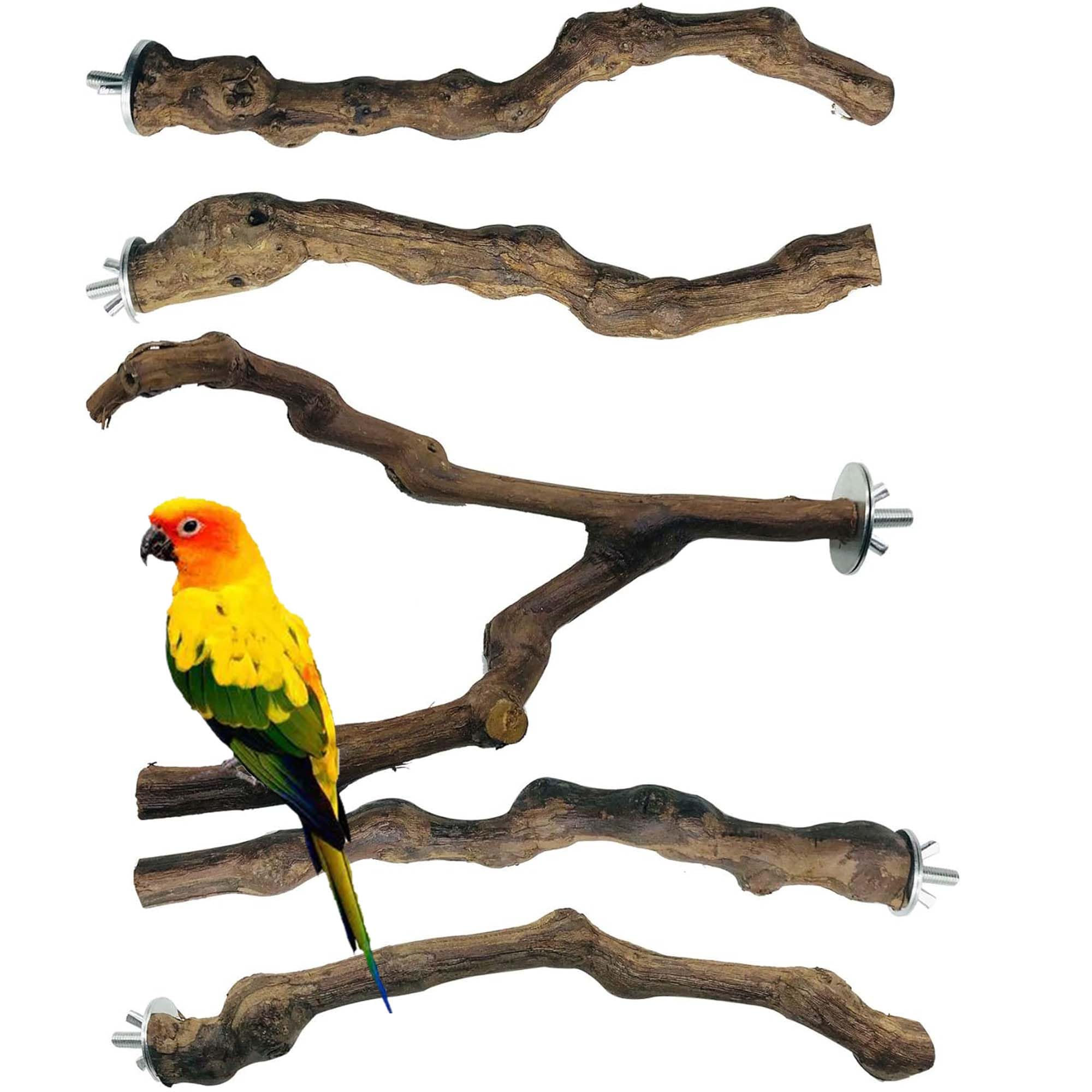
Ovenok 3 Pack Bird Perch
⚠️ Essential
$8.99
When to buy:
Day one
Birds need natural wood perches to exercise their feet and prevent pressure sores. These perches are safe, easy to install, and come in various diameters to suit different birds. Better than the smooth dowels that often come with cages.
Cleaning the cage regularly is crucial for bird health. These wipes are pre-moistened with a safe, bird-friendly cleaning agent, making quick spot cleaning easy. They prevent buildup of droppings and bacteria.
Toys prevent boredom and encourage natural behaviors like foraging and chewing. This kit includes a variety of toys suitable for small to medium birds, helping beginners provide enrichment without cluttering the cage.
Start by identifying the bird species you have or plan to get. Then measure the space in your home where the cage will go. Set a budget – good cages start around $50 for small birds, but spending $100-200 gets you a much better home. Consider how much time you have for cleaning; a tray that pulls out easily is a lifesaver. Finally, read reviews from other bird owners about assembly and durability. Avoid cages with unusually low prices – they often cut corners on safety.
💰 Budget Guide for Beginners
200+
Premium cages with large dimensions, heavy-duty materials, and extra features like play tops.
50 - $100
Sweet spot for small birds like budgies; good value with essential features like removable tray.
100 - $200
Best value for cockatiels or larger birds; includes sturdy construction and more space.
Under $ - $50
Entry level – small cages suitable for finches or as travel cages; may need upgrading soon.
⚠️ Common Beginner Mistakes to Avoid
Many beginners buy a cage that is too small, thinking their bird will be fine, but birds need room to stretch their wings and exercise. Another common mistake is ignoring bar spacing – a small bird can escape through wide bars. Beginners also overlook cleaning; cages without removable trays quickly become breeding grounds for bacteria. Finally, some choose cheap cages that rust or have sharp edges, posing injury risks.
×Buying a cage that is too small for the bird to stretch wings
×Choosing incorrect bar spacing that leads to escape or injury
×Ignoring cleaning access – cages without pull-out trays
×Opting for cheap, unsafe materials that rust or chip
×Overcrowding the cage with too many birds or toys
×Placing cage in drafty or high-traffic areas
📈 Your Progression Path: Beginner to Intermediate
As a beginner, start with a well-sized cage and learn daily maintenance: changing paper, refilling food and water, and weekly deep cleaning. After a few months, you can add perches of different textures, foraging toys, and a play gym outside the cage. Eventually, you might want a larger flight cage or an aviary if you have multiple birds. The skills you learn with your first cage – observation, cleaning, and enrichment – will guide you to better choices as your experience grows.
📚 Learning Resources for Beginners
📖The Essentials of Bird Care: A Beginner's Guide (book) - ASIN B07F3L3RH6
📖Bird Health and Nutrition for Beginners (DVD) - ASIN B07F3L3RH6
📖Training Your Bird Step by Step (accessory) - ASIN B07F3L3RH6
📖Kaytee Food and Water Dishes - ASIN B07F3L3RH6
🎯 Bottom Line: Our Recommendations
For most beginners, the best choice is a mid-sized flight cage with horizontal bars, a removable tray, and safe materials. Our top pick combines durability with ease of cleaning. If you're on a tight budget, an entry-level cage can work for small birds with regular maintenance. Splurging on a premium cage is worth it if you plan to keep birds for years. Don't forget accessories like a cage cover and quality food dishes. Remember, a happy bird starts with a safe, clean home!
❓ Frequently Asked Questions
The best beginner cage is large enough for the bird to stretch its wings, has horizontal bars for climbing, a removable tray for easy cleaning, and safe materials. For most small birds, the Prevue Pet Products 3103 Flight Cage is a top choice.
A decent cage for a small bird can start around $50, but spending $80-150 gets you a much better home with more space and features. Premium cages over $200 are an investment but last many years.
Key features include appropriate bar spacing, horizontal bars for climbing, a slide-out tray for cleaning, secure locks, and safe non-toxic materials. Avoid cages with sharp edges or lead paint.
Cages with a removable bottom tray and a wire grille are easiest. Look for models where the tray slides out fully without having to dismantle the cage. The Prevue Flight Cage and A&E Large Cage both have excellent tray systems.
Essential accessories include natural wood perches, a water bottle and food dish, cage cleaning wipes, a few toys, and a cage cover. These help replicate a natural environment and simplify care.
The cage should be at least 1.5 times the bird's wingspan in width. For budgies, a 18" x 18" footprint is minimum. Larger birds need more space. Always get the largest cage your space and budget allow.
Most beginner cages come partially assembled and are easy to set up with simple tools (like a screwdriver). The Yaheetech budget cage takes about 10 minutes. Instructions are usually clear.
Common mistakes include buying a cage too small, choosing the wrong bar spacing, neglecting cleaning, placing the cage in a drafty spot, and not providing perches or toys. Avoid these by researching your bird's needs first.
No – cheap cages often have thin bars that large parrots can bend or break. They may also use toxic paints. Parrots need sturdy, well-constructed cages with escape-proof locks. Invest in a premium cage like A&E.