Review Atlas
Review AtlasYour guide to a better purchase

Menu

Shop by Category

Get the App

Better experience on mobile

Beginners GuideBasketball

Is Best Basketball for beginners Worth It? Honest Review (2026)

Everything you need to know to choose your first basketball with confidence and avoid common mistakes.

Choosing your first basketball can feel overwhelming. With so many options—different materials, sizes, and price points—it’s easy to worry about making the wrong choice. But here’s the good news: picking a beginner-friendly basketball is simpler than you think. This guide breaks down everything you need to know, from what features matter most to which balls offer the best value. By the end, you’ll feel confident selecting a basketball that helps you enjoy the game and improve your skills.

📋 In This Guide

  • • Why Beginners Struggle with Basketball
  • • What to Look For (Key Features)
  • • Top 4 Beginner-Friendly Basketball
  • • Essential Accessories for Beginners
  • • Common Beginner Mistakes to Avoid
  • • Your Progression Path
  • • FAQ & Learning Resources

😰 Why Beginners Struggle with Basketball

Many beginners struggle because they don’t know what to look for. Terms like 'composite leather,' 'rubber,' 'butyl bladder,' and 'moisture-wicking' can be confusing. You might also worry about buying a ball that’s too cheap and falls apart, or too expensive and not suitable for your level. The sheer number of options on Amazon—from indoor-only to outdoor-only to indoor/outdoor—adds to the confusion. Without guidance, it’s easy to pick a ball that’s too hard, too slippery, or worn out after a few weeks.

🔍 What to Look For: Key Beginner-Friendly Features

For beginners, focus on three things: durability, grip, and bounce consistency. Look for a ball that can handle both indoor and outdoor play (composite leather or high-quality rubber), has a deep pebble texture for good grip, and holds air well (a butyl bladder is best). Avoid pure leather balls—they’re expensive, require break-in, and aren’t for outdoor use. Also, ensure the ball is the correct size (size 7 for men, size 6 for women, size 5 for youth). Beginner-friendly balls are forgiving: they bounce predictably, don’t hurt your fingers when dribbling, and stay grippy even with sweaty hands.

✅ Essential Features for Beginners

  • Indoor/outdoor durability: Composite leather or premium rubber so you can play anywhere.
  • Good grip: Deep channels and pebbled texture for control, even with sweaty hands.
  • Consistent bounce: Butyl bladder holds air longer and provides reliable performance.
  • Correct size: Size 7 (men), size 6 (women), size 5 (youth) for proper feel.
  • Forgiving feel: Not too hard on hands; helps build dribbling confidence.
  • Low maintenance: No break-in period required; wipes clean easily.

🏆 Top 4 Best Basketball for Beginners

#1
💰 Budget

Wilson NCAA MVP Rubber Basketball

Learning Curve: Easy

$24.99
Difficulty: 1/5
Wilson NCAA MVP Rubber Basketball - Image 1 of 7

Why Great for Beginners:

Durable rubber cover perfect for outdoor concrete, good grip, and affordable price. A solid starter ball for kids or casual play.

Beginner Pros

  • +Very durable on asphalt
  • +Low price point
  • +Good grip for a rubber ball
  • +Official size and weight

Beginner Cons

  • -Less grip indoors
  • -May feel hard on hands
  • -Not suitable for indoor hardwood
👍 Best for: Beginners who will play mostly outdoors on courts or driveways.
👎 Not for: Those who want a ball for indoor use or better feel.

#2
👍 Recommended

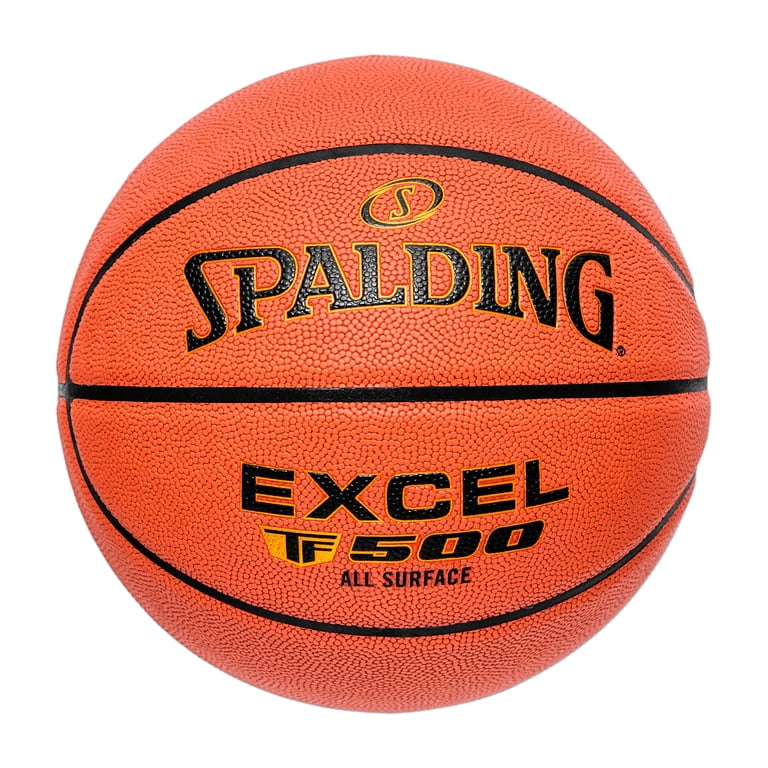
Spalding TF-500 Indoor/Outdoor Basketball

Learning Curve: Easy

$54.99
Difficulty: 2/5
Spalding TF-500 Indoor/Outdoor Basketball

Why Great for Beginners:

Composite leather cover provides excellent grip and durability on both indoor and outdoor surfaces. The butyl bladder ensures consistent bounce. A trusted choice for beginners.

Beginner Pros

  • +Great grip in any condition
  • +Durable composite leather
  • +Consistent bounce
  • +Good price-to-performance

Beginner Cons

  • -Not as soft as genuine leather
  • -May require occasional cleaning
👍 Best for: Most beginners who want one ball for all surfaces.
👎 Not for: Those on a very tight budget or wanting a pure indoor ball.
#3
✨ Premium

Wilson Evolution Indoor Basketball

Learning Curve: Easy

$74.99
Difficulty: 3/5
Wilson Evolution Indoor Basketball - Image 1 of 7

Why Great for Beginners:

Premium composite leather with moisture-wicking microfiber for superior grip. It's the gold standard for beginners who want a ball that feels like the pros use, without the break-in.

Beginner Pros

  • +Excellent grip even when sweaty
  • +Soft feel
  • +Very durable
  • +Holds air well

Beginner Cons

  • -More expensive
  • -Best suited for indoor use (though can be used outdoors)
👍 Best for: Serious beginners who play indoors and want a top-tier ball from the start.
👎 Not for: Those on a budget or primarily playing outdoors.
#4
Alternative

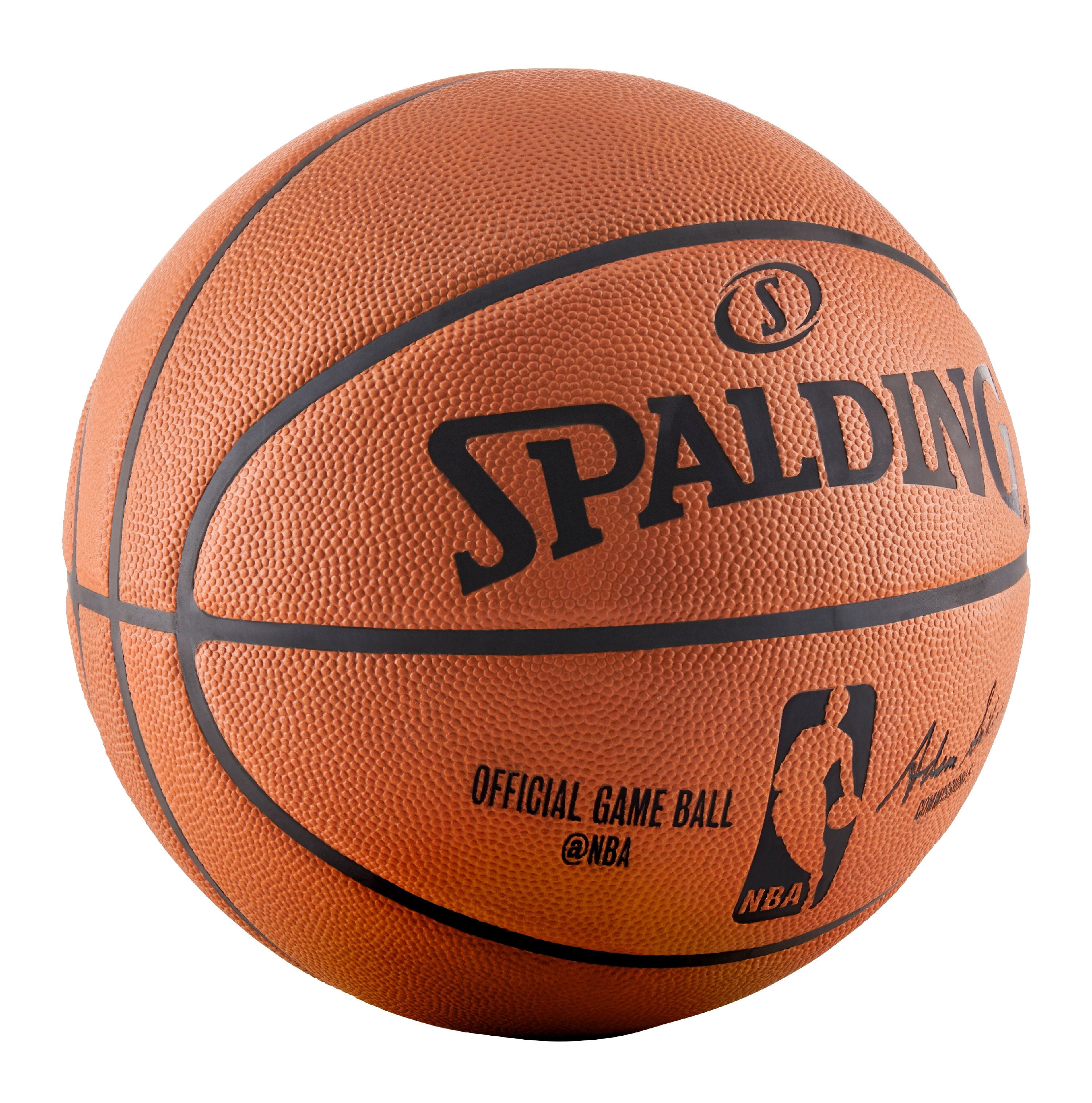
Spalding NBA Official Game Ball

Learning Curve: Requires patience

$129.99
Difficulty: 5/5
Spalding NBA Official Game Ball

Why Great for Beginners:

Genuine leather ball used in the NBA. Offers the ultimate feel but requires break-in and is strictly for indoor use. Recommended only for beginners with a high budget and indoor court access.

Beginner Pros

  • +Authentic NBA feel
  • +Great grip after break-in
  • +High durability

Beginner Cons

  • -Very expensive
  • -Requires break-in period
  • -Indoor only
  • -Too hard initially
👍 Best for: Dedicated beginners who play indoors and want the official ball.
👎 Not for: Outdoor players, casual users, or those on a budget.

📖 Complete Beginner's Guide to Basketball

A basketball’s most important feature is its cover material. Rubber balls are best for outdoor concrete because they’re tough and cheap, but they can be slippery indoors. Composite leather balls (like those from Wilson and Spalding) are a great middle ground—they work well on both surfaces, feel softer, and offer better grip. Avoid genuine leather unless you’re playing exclusively on indoor hardwood and are willing to break in the ball. The next key part is the bladder: butyl rubber bladders retain air far better than natural latex, meaning you won’t have to pump up the ball every session. Also check the channel design: deeper channels help beginners get a better grip when shooting. For beginners, an indoor/outdoor composite ball in the correct size is the perfect starting point. Don’t worry about high-end features like moisture-wicking microfiber; those are for advanced players.

🔧 Essential Accessories for Beginners

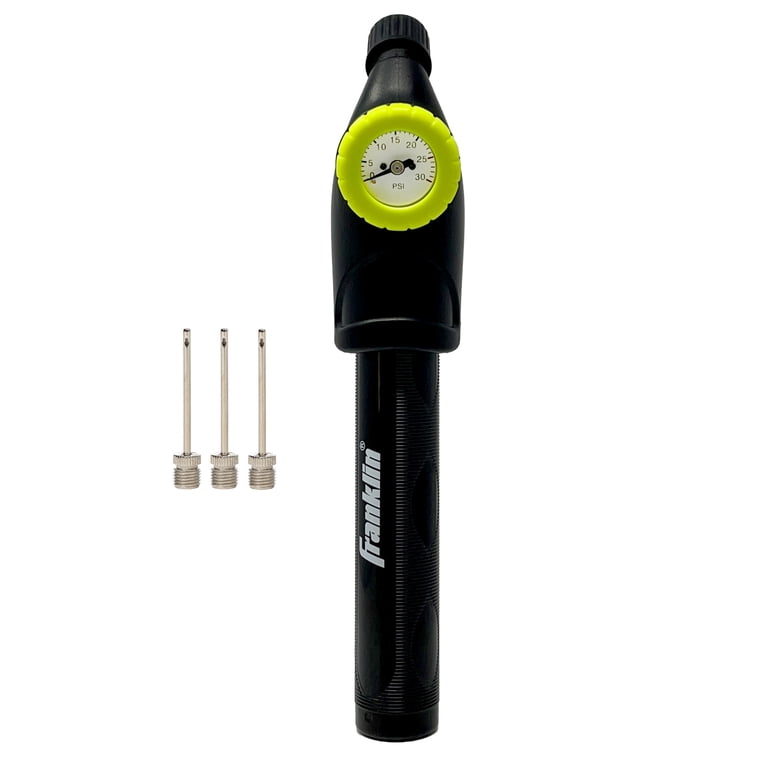
Franklin Sports Air Pump with Needle

Franklin Sports Air Pump with Needle

⚠️ Essential

$9.99

When to buy:
Day one

Balls lose air over time; without a pump, you can't keep them properly inflated for practice.

Beginner Benefits:

  • Easy to use
  • Includes gauge for correct pressure
  • Affordable
Champion Sports Heavy Duty Ball Carrying Bag - Image 1 of 9

Champion Sports Heavy Duty Ball Carrying Bag

👍 Recommended

$12.99

When to buy:
Day one

Protects your ball from dirt and damage when traveling to courts, and keeps your hands free.

Beginner Benefits:

  • Keeps ball clean and dry
  • Easy to carry
  • Lightweight
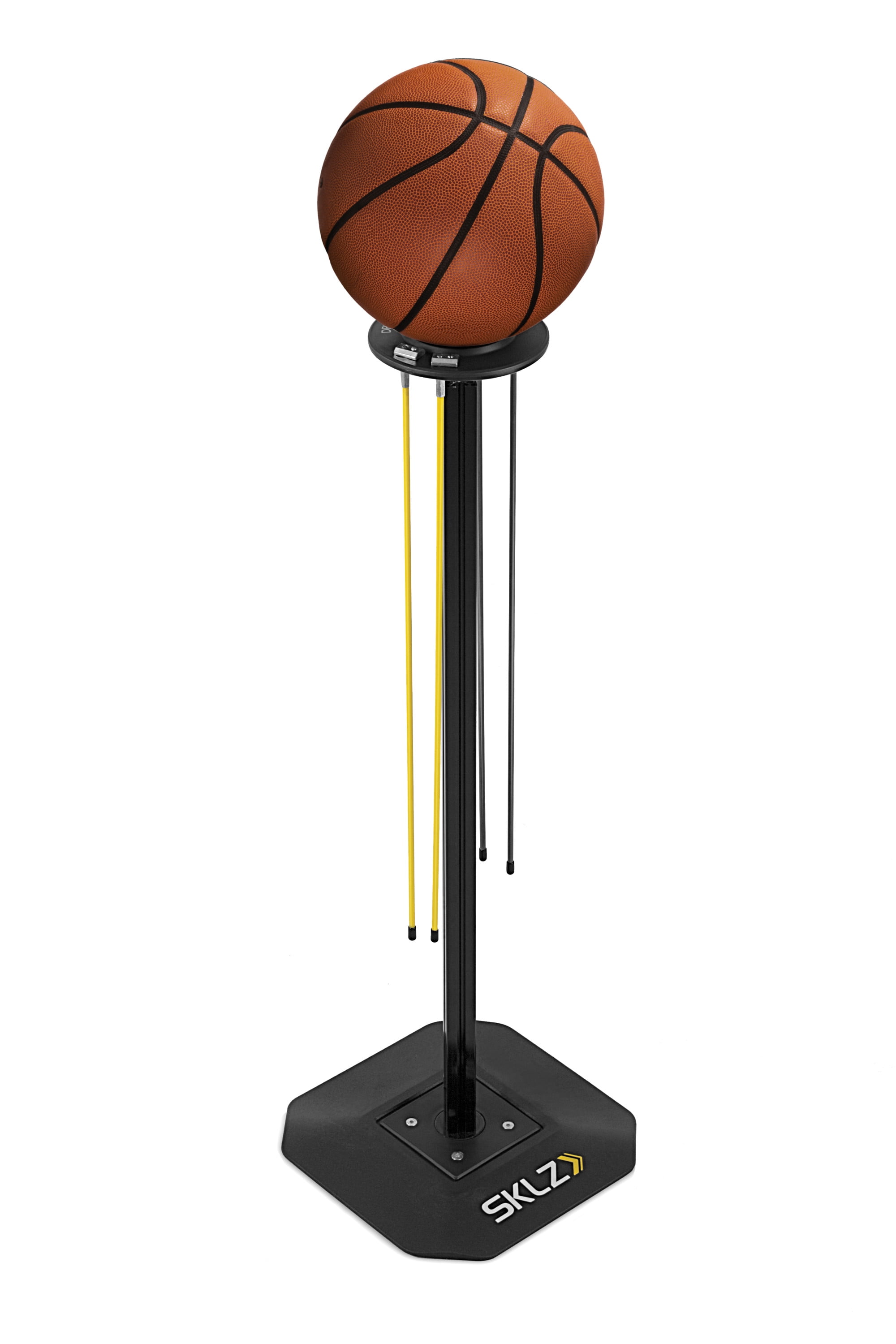
SKLZ Dribble Stick and Ball Handling Trainer

SKLZ Dribble Stick and Ball Handling Trainer

💡 Nice to Have

$19.99

When to buy:
After you're comfortable

Helps develop dribbling skills with low dribble and control exercises. Great for building technique.

Beginner Benefits:

  • Improves ball control
  • Builds muscle memory
  • Works on weak hand

🤔 How to Choose Your First Basketball

Start by asking: Where will you play most? If it’s outdoor asphalt, go with a quality rubber ball (budget-friendly). If you’ll play mostly indoors, a composite leather ball offers better grip and feel. Will you need to carry the ball often? Get a ball that includes a carrying bag or buy one separately. Also think about your budget: you can get a decent ball for under $30, but spending $40–$70 gets you a ball that lasts years and performs well. Finally, consider your long-term goals: if you plan to join a league or play seriously, invest a bit more in a ball that mimics official game balls.

💰 Budget Guide for Beginners

100+

High-end game balls (mostly indoor); unnecessary for most beginners.

30 - $60

Best value: composite leather balls with good grip and butyl bladder, ideal for most beginners.

60 - $100

Premium beginner options with better moisture management and deeper channels; suitable for serious play.

Under $ - $30

Entry-level rubber balls, good for outdoor use but may lack grip and durability.

⚠️ Common Beginner Mistakes to Avoid

Buying a too-cheap rubber ball that cracks after a few months. Choosing an indoor-only leather ball for outdoor use, which ruins the surface. Getting the wrong size—a size 7 ball may be too big for youth players. Ignoring the bladder type and ending up with a ball that goes flat quickly. Buying a ball without enough grip, leading to poor handling. Also, many beginners skip accessories like a pump and needles, only to have a flat ball on game day. Avoid these by reading product descriptions carefully and following this guide.

  • ×Buying a cheap rubber ball that loses shape and grip quickly.
  • ×Getting a genuine leather ball for outdoor use (ruins the leather).
  • ×Choosing the wrong size (too large or too small).
  • ×Ignoring the bladder type (latex vs butyl).
  • ×Not buying a pump and needle, leading to a flat ball.
  • ×Assuming all composite balls are the same quality.

📈 Your Progression Path: Beginner to Intermediate

As a beginner, focus on dribbling, passing, and shooting form. Your first ball should be forgiving and feel good in your hands. After a few months, you’ll notice if the ball’s grip or bounce is holding you back. That’s when you can consider upgrading to a higher-end composite ball with better moisture management. Intermediate players often prefer balls with deeper channels and a slightly stiffer feel for sharper passing. You might also want a dedicated indoor ball if you start playing in a league.

📚 Learning Resources for Beginners

  • 📖Fundamentals of Basketball: A Beginner’s Guide (book)
  • 📖Basketball training cones for dribbling drills
  • 📖Shooting trainer aid (e.g., shooting sleeve or form corrector)

🎯 Bottom Line: Our Recommendations

For most beginners, the best choice is a mid-range composite leather ball in size 7 (or size 6 for women) that’s suitable for both indoor and outdoor play. Pair it with a ball pump and a carrying bag. If you’re on a tight budget, a premium rubber ball is fine for outdoor-only use. If you’re serious about improvement, invest in the Wilson Evolution or Spalding TF-500—they offer the best balance of feel, durability, and price. Remember: the right ball makes practice more enjoyable and helps you build skills faster.

❓ Frequently Asked Questions

The best beginner basketball is a composite leather indoor/outdoor ball in the correct size, such as the Spalding TF-500 or Wilson Evolution. These offer good grip, durability, and consistent bounce without breaking the bank.
Most beginners do well spending between $30 and $60. This gets you a quality composite leather ball that lasts years. If you're on a tight budget, a $20–$30 rubber ball is fine for outdoor use, but may need replacement sooner.
Focus on an indoor/outdoor composite cover, a butyl bladder for air retention, deep channels for grip, and the correct size. Avoid genuine leather as it requires break-in and is indoor-only.
The Spalding TF-500 is often recommended as the easiest for beginners because of its forgiving feel, reliable grip, and all-surface versatility.
At a minimum, a pump with a needle to keep the ball inflated. A carrying bag is also highly recommended to protect the ball and transport it easily.
Decide where you'll play (indoor/outdoor or both), determine your budget, and choose a composite leather ball in the correct size. Read reviews to ensure good grip and bounce.
Basketball has a learning curve, but it's very accessible. With the right ball and consistent practice, you'll improve quickly. Focus on fundamentals like dribbling and shooting.
Common mistakes include buying a too-cheap ball that cracks, choosing the wrong size, using an indoor ball outdoors, and forgetting a pump. Also, many beginners skip proper inflation.
Start with composite leather (synthetic) which works on both surfaces and feels better than rubber. Avoid genuine leather until you're an intermediate player playing indoors.
A quality composite leather ball can last 1–3 years with regular use on indoor courts, or 6–12 months on asphalt. Rubber balls may crack sooner but are cheaper.

Related Articles