
Is LG C4 OLED TV 65-inch Worth It? Honest Review (2026)
Honest breakdown of strengths, weaknesses, and who should buy this OLED TV in 2026
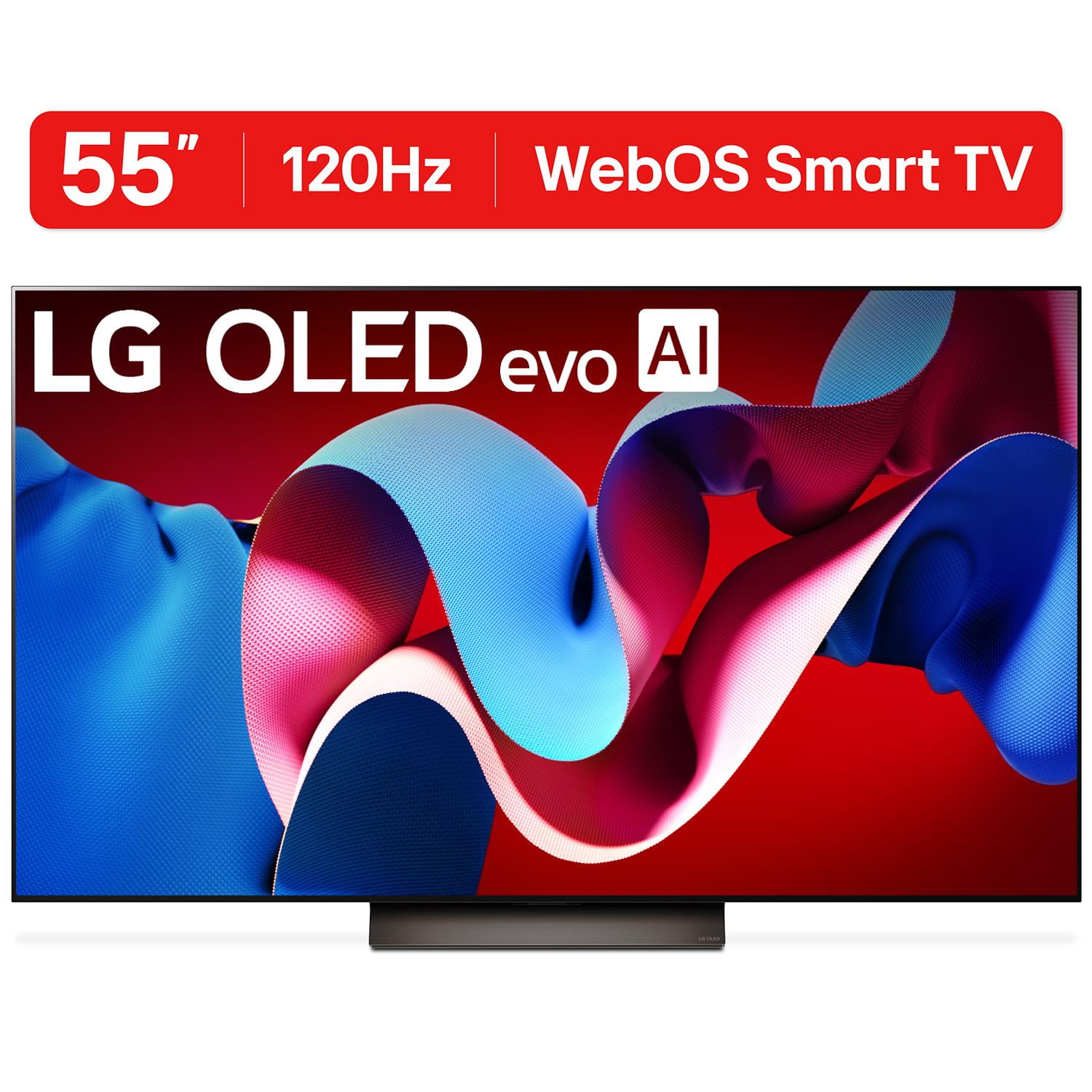
Quick Decision
Buy the LG C4 OLED TV if you prioritize perfect black levels, infinite contrast, and gaming features like 120Hz VRR for a dim or dark room. Skip it if you have a bright room, need more than two HDMI 2.1 ports, or watch static content that risks burn-in.
Best if you...
- Home theater enthusiasts who watch movies in a dark room
- Console gamers wanting 4K 120Hz, VRR, and low input lag
- TV buyers who value wide viewing angles for family seating
Skip it if you...
- People with very bright rooms where glare is a problem
- Those who watch many hours of cable news with static logos
- Users needing more than two HDMI 2.1 inputs
The LG C4 OLED TV has been a staple recommendation for home theater enthusiasts and gamers since its debut. With its self-lit pixels, stunning contrast, and gaming-friendly features, it promises an immersive viewing experience. However, like any TV, it has trade-offs. This analysis provides an honest, research-backed look at the LG C4's pros and cons, drawing from manufacturer specs, third-party reviews (RTINGS, PCMag), and verified buyer feedback patterns. We'll also compare it to key alternatives like the Samsung S90D QD-OLED and the Sony A80L to help you decide if the C4 is the right choice for your setup.
About the LG C4 OLED TV 65-inch
The LG C4 OLED TV is a 65-inch 4K OLED television that delivers exceptional picture quality with perfect blacks, vibrant colors, and wide viewing angles. It features a 120Hz refresh rate, support for Dolby Vision and G-Sync/FreeSync, making it ideal for both movie enthusiasts and gamers. First released in 2024, the C4 remains a top contender in 2026 for those seeking high-end home theater performance.
Key Specifications
- VRR
- G-Sync, FreeSync Premium Pro, HDMI VRR
- Audio
- 40W (2.2 channel) with Dolby Atmos
- HDMI Ports
- 2x HDMI 2.1 (48Gbps), 2x HDMI 2.0
- Resolution
- 3840 x 2160 (4K UHD)
- HDR Support
- Dolby Vision, HDR10, HLG
- Screen Size
- 65 inches (65.0" diagonal)
- Display Type
- OLED (W-OLED with evo panel)
- Refresh Rate
- 120Hz native
- Smart Platform
- webOS 2024
- Peak Brightness (HDR)
- ~800 nits (measured by RTINGS)
Overview
The LG C4 OLED TV sits in LG's lineup between the entry-level B4 and the flagship G4. It uses a W-OLED panel (LG Display's latest evo technology) to achieve high peak brightness of around 800 nits in HDR, according to RTINGS testing. This is a solid improvement over previous C-series models but still falls short of QD-OLED panels like Samsung's S90D, which can exceed 1,200 nits. The C4 supports all major HDR formats (Dolby Vision, HDR10, HLG) and features four HDMI ports, though only two are HDMI 2.1 for 4K 120Hz gaming. The webOS smart platform is responsive but includes ads in the menu. The TV is designed for mixed use: movies, TV shows, gaming, and sports, with gaming-specific features like NVIDIA G-Sync and AMD FreeSync certification.
Pros
The LG C4 OLED TV excels in picture quality and gaming performance, delivering deep blacks, infinite contrast, and smooth motion. Here are the most compelling strengths based on technical specs and professional reviews.
Exceptional Picture Quality with Perfect Blacks
The LG C4's OLED panel produces true blacks because each pixel can turn off completely. This results in an infinite contrast ratio, making HDR content look incredibly lifelike with specular highlights that pop. According to RTINGS, the C4 achieves a native contrast ratio of essentially infinite, far exceeding any LED-backlit LCD TV. Colors are vibrant and accurate out of the box, covering about 99% of the DCI-P3 color gamut (per LG specs). This makes the C4 an excellent choice for movie lovers who prioritize contrast and color fidelity.
Excellent Gaming Performance with 120Hz and VRR
With two HDMI 2.1 ports supporting 4K at 120Hz, the C4 is a strong gaming TV. It supports both NVIDIA G-Sync and AMD FreeSync Premium Pro, as well as Variable Refresh Rate (VRR) and Auto Low Latency Mode (ALLM). RTINGS measured input lag at around 9.5ms in Game Mode at 1080p/120Hz, which is extremely responsive. The 120Hz panel also smooths out motion for sports and fast-paced games. The C4 supports Dolby Vision gaming at 120Hz, a feature not available on many competitors.
Wide Viewing Angles and Uniformity
OLED technology inherently offers wide viewing angles, meaning the picture remains accurate even when viewed from the side. The LG C4 maintains color and brightness consistency up to about 70 degrees off-axis, according to RTINGS. This is a significant advantage over VA LCD TVs, which suffer from color shift and brightness loss at wider angles. Screen uniformity is also excellent, with no visible dirty screen effect or clouding—common issues on edge-lit LEDs.
Dolby Vision and HDR Support
The C4 supports Dolby Vision, HDR10, and HLG, covering all major HDR formats. Dolby Vision content from Netflix, Disney+, and Blu-rays looks outstanding, with dynamic metadata that optimizes brightness and color scene by scene. LG's evo panel also improves peak brightness to around 800 nits, which, while not class-leading, is enough for most HDR content to look punchy in a dim or dark room.
Solid Smart Platform with webOS
LG's webOS 2024 version on the C4 is smooth and easy to navigate, with a responsive interface and quick app loading. It supports all major streaming apps in 4K/HDR. The Magic Remote with pointer functionality makes selecting items fast. webOS also includes features like LG Channels for free ad-supported TV and Apple AirPlay 2/HomeKit compatibility.
Thin and Elegant Design
The LG C4 has a sleek, minimalist design with a thin panel (the top half is just a few millimeters thick) and a sturdy central stand. It looks premium in any living room. The stand is relatively low, allowing it to sit flush on most TV stands.
Cons
While the LG C4 is an excellent TV, it has notable weaknesses that may matter depending on your usage. Here are the most significant drawbacks based on technical evaluations and user feedback.
Moderate Brightness Compared to QD-OLEDs and Mini-LEDs
The LG C4 peaks at around 800 nits in HDR, which is good for an OLED but lower than QD-OLED models like the Samsung S90D (1,200+ nits) and high-end Mini-LED LCDs like the Sony X93L. In a bright room with direct sunlight, the C4's image can look relatively dim and washed out due to the lack of brightness. RTINGS notes that the C4's HDR brightness is 'okay' but not enough to overcome glare. This makes it better suited for darker viewing environments.
Risk of Burn-In and Image Retention
OLEDs are susceptible to permanent burn-in if static elements (like news tickers, game HUDs, or channel logos) are displayed for long periods. While LG has improved burn-in resistance with the evo panel and pixel-shifting technology, the risk is not zero. For heavy TV news watchers or gamers who play the same game for hundreds of hours, this is a real consideration. Burn-in typically takes many years to appear, but it's a known downside of OLED technology.
Only Two HDMI 2.1 Ports
The C4 has four HDMI ports, but only two are HDMI 2.1 with full 48Gbps bandwidth for 4K 120Hz. If you own multiple modern consoles (PS5, Xbox Series X) and a gaming PC, you may need to use a switch or prioritize which devices get the high-bandwidth ports. The other two ports are HDMI 2.0, limited to 4K 60Hz. This is a limitation compared to the Samsung S90D, which has four HDMI 2.1 ports.
webOS Includes Ads and Clutter
LG's webOS menu includes advertisements for streaming services and LG's own content, which some users find intrusive. The home screen can feel cluttered with recommendations and promotions. While the UI is generally responsive, the ad presence is a common complaint. Disabling some features (like content recommendations) can help but not eliminate all ads.
Modest Upscaling of Lower-Resolution Content
While the C4's upscaling is good, it's not as advanced as Sony's XR processor. According to RTINGS, the C4 handles 1080p and 720p well, but very low-resolution content (like standard-def DVD) can look soft or noisy. For viewers who watch a lot of older content or cable TV, this might be noticeable.
Premium Price Compared to Mid-Range Options
At around $1,500 for the 65-inch, the LG C4 is significantly more expensive than similarly sized mid-range LED TVs (like the TCL Q7, around $800). However, the price is competitive among OLEDs. It sits in the middle: cheaper than Sony A80L and LG G4, but more than the LG B4 (which has a lower brightness and fewer gaming features). The value proposition depends on whether you prioritize OLED picture quality.
👍 Who It's For
The LG C4 is ideal for cinephiles and gamers who have a dedicated dark or dimly lit room. If you primarily watch movies, high-end streaming, and HDR content in a controlled lighting environment, the infinite contrast and accurate colors will shine. Gamers who want 4K 120Hz, VRR, and low input lag will appreciate the gaming features, especially if you have one or two next-gen consoles. The wide viewing angles also make it a good fit for families or those with seating off to the sides.
👎 Who Should Avoid
The LG C4 is not recommended for bright rooms with lots of windows or direct sunlight, as its moderate brightness may not combat glare effectively. If you watch a lot of cable news or have static logos on screen for many hours daily, the burn-in risk is a concern. Also, if you need more than two HDMI 2.1 ports (e.g., multiple gaming PCs and consoles), consider a TV with four HDMI 2.1 ports. Budget-conscious buyers who don't need OLED black levels will get better value from a high-end Mini-LED LCD.
See today's LG C4 OLED TV 65-inch price and available configurations on Amazon.
🛒 Buy on AmazonAs an Amazon Associate we earn from qualifying purchases.
Alternatives to Consider
| Product | Choose LG C4 OLED TV 65-inch if... | Choose the alternative if... |
|---|---|---|
| Samsung S90D QD-OLEDSimilar price, typically within $100 | You want higher peak brightness (1,200 nits) for bright rooms and HDR impact, and you don't need Dolby Vision. | Dolby Vision support and webOS are important to you, or you prefer LG's more intuitive smart platform. |
| Sony A80L OLED$200 less expensive | You want superior motion handling and upscaling for mixed content, especially sports and lower-resolution sources. | You want the better gaming features of the C4 (lower input lag, G-Sync support) and a lower price. |
| LG B4 OLED$300 less expensive | You're on a tighter budget but still want OLED picture quality and the same 120Hz gaming support. | You can afford the higher brightness and processor of the C4 for a better HDR experience. |
| TCL QM751G Mini-LED$700 less expensive | You need very high brightness for a bright room and want to spend less, while still getting good contrast. | OLED black levels, wider viewing angles, and gaming features are non-negotiable. |
For those seeking higher peak brightness and better HDR pop, the Samsung S90D QD-OLED is a strong alternative; it often costs about the same and delivers over 1,200 nits. However, it lacks Dolby Vision support and has a different smart platform (Tizen). The Sony A80L offers superior upscaling and motion processing, but it's more expensive and has only two HDMI 2.1 ports as well. The LG B4 is a cheaper OLED option with the same panel but a less powerful processor and lower brightness; it's good for budget-conscious OLED shoppers. The TCL QM751G is a Mini-LED LCD that can get much brighter at a lower price, but suffers from blooming and narrower viewing angles.
Is it worth the price?
At approximately $1,500, the LG C4 is worth it for serious movie and gaming enthusiasts who can control their lighting. It delivers one of the best picture qualities for the price in its class, especially for dark room viewing. However, if your room is bright, consider the Samsung S90D for more brightness, or a Mini-LED like the TCL QM751G for better value.
📝 Bottom Line
The LG C4 OLED TV is the right choice for home theater purists and console gamers who value picture quality above all else, provided they can accommodate its moderate brightness and burn-in risk. Its perfect blacks, vibrant colors, and gaming-friendly specs make it one of the best all-around OLEDs in 2026. However, if you need a TV for a bright room, require four HDMI 2.1 ports, or watch a lot of static content, you should consider alternatives like the Samsung S90D or a Mini-LED LCD. For its intended audience—movie and game enthusiasts with controlled lighting—the C4 remains a compelling buy that delivers a premium experience at a competitive price.
Check current LG C4 OLED TV 65-inch availability and bundle options on Amazon.
🛒 Buy on AmazonAs an Amazon Associate we earn from qualifying purchases.
Frequently Asked Questions
Quick Summary
Key Pros
- ✓Perfect black levels and infinite contrast for stunning HDR and SDR content
- ✓Excellent gaming features: 4K 120Hz, VRR, G-Sync, FreeSync, and low input lag
- ✓Wide viewing angles with consistent color from any seat
- ✓Full HDR support including Dolby Vision, HDR10, and HLG
- ✓Responsive webOS smart platform with many apps and voice assistant support
Key Cons
- ✗Peak brightness (800 nits) is lower than QD-OLED and high-end Mini-LED TVs
- ✗Risk of burn-in with static content over long periods
- ✗Only two HDMI 2.1 ports out of four HDMI inputs
- ✗webOS menu includes ads and can feel cluttered
- ✗Upscaling of standard-def content is only moderate
Ratings
Best For
- →Home theater enthusiasts who watch movies in a dark room
- →Console gamers wanting 4K 120Hz, VRR, and low input lag
- →TV buyers who value wide viewing angles for family seating
- →Users who prefer Dolby Vision HDR over HDR10+