
Is Apple iPhone 16 Pro Worth It? Honest Review (2026)
A balanced look at the iPhone 16 Pro’s strengths, real trade-offs, and who should buy it.
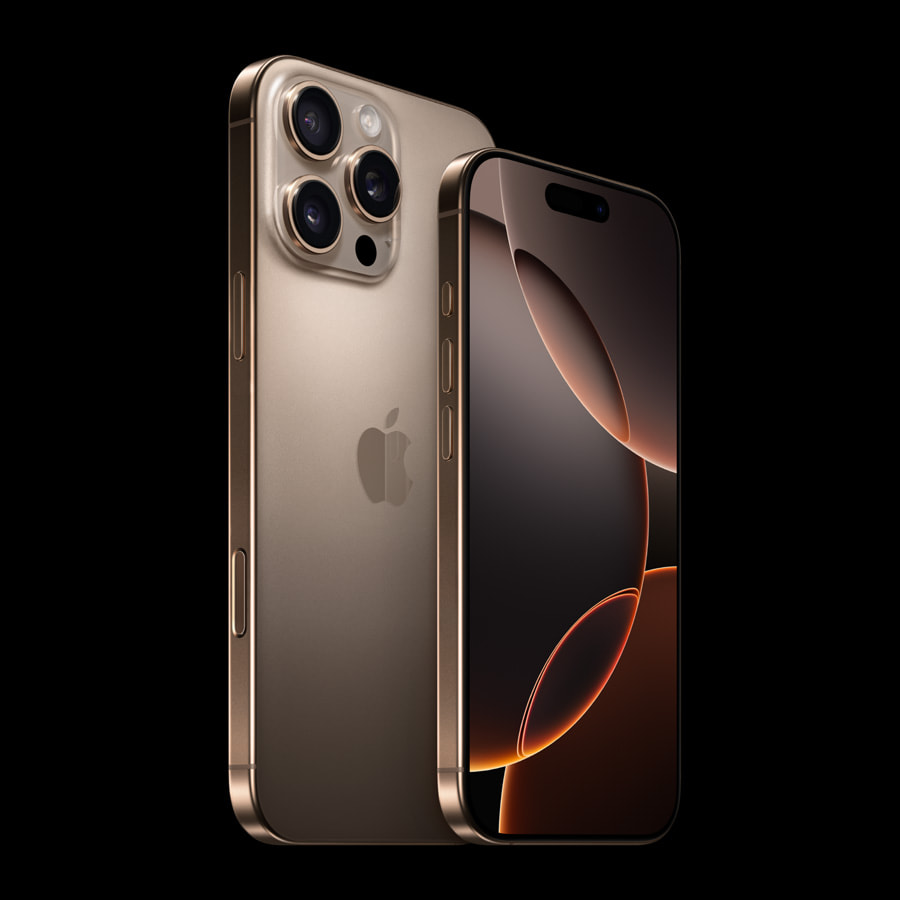
Quick Decision
Buy the iPhone 16 Pro in 2026 if you want the best video camera on a compact flagship and can find it for $850–$900. Skip it if you already own a 15 Pro, need expandable storage, or expect Android-level fast charging — the iPhone 17 Pro and top Android flagships handle those needs better.
Best if you...
- Mobile photographers and videographers who need 4K120 and ProRes in a pocket-size body
- Content creators, travel bloggers, and social-media shooters
- Upgraders from iPhone 12/13/14 who want a big camera leap without Pro Max bulk
Skip it if you...
- Budget buyers looking to spend under $800 on a new phone
- Users who shoot hours of 4K120 or ProRes video and need the 512GB or 1TB tier
- People who rely on 65W+ fast charging to top up in 10–15 minutes
If you’re researching phones in 2026, the iPhone 16 Pro has probably popped up on your radar — and for good reason. It remains one of the most capable compact flagships ever made, with a 48MP camera that now includes a 5× periscope zoom, a 2,000-nit ProMotion display, and the A18 Pro chip that still trades blows with the fastest Android processors. Since the iPhone 17 Pro has since taken over the flagship crown, the 16 Pro now sells for hundreds below its launch price, making it a tempting value pick — but only if you understand what you’re giving up.
This guide gives you a balanced, plain-spoken assessment of the iPhone 16 Pro in 2026: exactly where it excels, where it falls short, and — most importantly — who should buy it and who should skip it. We’ll compare it against the iPhone 17 Pro, Samsung Galaxy S25 Ultra, Google Pixel 9 Pro, and iPhone 16 Pro Max, and we’ll recommend accessories worth considering. You’ll find the iPhone 16 Pro widely available on Amazon, with street prices fluctuating between roughly $850 and $950 depending on storage and color, so the analysis below is anchored to that real-world pricing.
About the Apple iPhone 16 Pro
The Apple iPhone 16 Pro, introduced in fall 2024, is a premium compact flagship with a 6.3-inch ProMotion OLED display, the A18 Pro chip, a 48MP triple-camera system with 5× optical zoom, and Apple Intelligence support. It is designed for photographers, videographers, and power users who want professional-grade features in a body that still fits comfortably in one hand. In 2026, it sells as the previous-generation Pro model at a significant discount from its $999 launch price.
Key Specifications
- RAM
- 8GB
- Chip
- A18 Pro (3nm, 6-core CPU, 6-core GPU with ray tracing, 16-core Neural Engine)
- Video
- 4K Dolby Vision up to 120fps, ProRes, Log, spatial audio mics
- Weight
- 199g
- Display
- 6.3-inch LTPO Super Retina XDR OLED, 2622×1206, 120Hz ProMotion, 2000 nits peak outdoor brightness
- Storage
- 128GB / 256GB / 512GB / 1TB — no expandable slot
- Charging
- 20W wired / 25W MagSafe — 50% in 30 minutes (Apple spec)
- Materials
- Grade 5 titanium frame, Ceramic Shield front and rear glass
- Connections
- USB-C (USB 3, 10Gbps), DisplayPort Alt Mode, Wi-Fi 7, Bluetooth 5.3, 5G
- Battery Life
- Up to 27h video playback (Apple estimate); ~14h web-browsing per Tom’s Guide
- Rear Cameras
- 48MP wide + 48MP ultra-wide (macro) + 12MP telephoto with 5× optical zoom
- Water Resistance
- IP68 (6m / 30 min)
Overview
The iPhone 16 Pro sits in the middle of Apple’s 2024 lineup — above the standard iPhone 16, below the Pro Max — and targets people who want professional-grade camera hardware without the bulk of a giant phone. Its defining upgrades over the 15 Pro include a 5× periscope telephoto (previously exclusive to the Pro Max), a 48MP ultra-wide camera, 4K120 Dolby Vision video, a new Camera Control button, and a slightly larger 6.3-inch screen. Inside, the A18 Pro chip pairs an updated 6-core GPU with a revamped thermal design, while 8GB of RAM, Wi-Fi 7, and USB-C at USB 3 speeds round out the package.
In 2026, the iPhone 17 Pro has taken over as Apple’s newest flagship, which changes the value equation entirely. The 16 Pro is no longer the latest and greatest — it’s an excellent previous-generation model that undercuts the new phone by $100–$150 while keeping most of the features that made it a hit. That makes it one of the most interesting phones to consider this year, provided you go in with your eyes open about its trade-offs. It’s listed on Amazon from Apple and authorized resellers, and because it’s a year old, you’ll often find open-box and refurbished options at even steeper discounts.
Pros
The iPhone 16 Pro has genuinely aged well. Its camera system remains the best reason to buy it, its display is still among the most accurate and brightest ever put in a phone, and the A18 Pro chip keeps up with nearly everything on the market. Here’s the detail behind each of the 16 Pro’s real strengths in 2026.
A18 Pro chip: still one of the two fastest phone processors on the market
Apple’s A18 Pro is built on a second-generation 3-nanometer process with a 6-core CPU, a 6-core GPU, and a 16-core Neural Engine. Apple says the GPU is around 20% faster than the A17 Pro and adds hardware-accelerated ray tracing, which lets console-style games like Resident Evil Village run smoothly on a phone. In 2026, the 16 Pro remains at or near the top of mobile performance charts — only Qualcomm’s latest Snapdragon 8 Elite chips match or slightly beat it, and they’re found in phones that cost just as much.
The more important story is sustained performance. Apple redesigned the 16 Pro’s internal thermal architecture to keep the chip cool under load, and third-party reviews have noted that it holds high frame rates for longer sessions than the 15 Pro. For video editing, heavy gaming, or AI tasks, you won’t feel like you’re holding last year’s model.
A 48MP camera system that makes the 16 Pro a serious content-creation tool
The camera is the 16 Pro’s strongest feature. The main 48MP Fusion sensor (24mm, f/1.78) is joined by a new 48MP ultra-wide that doubles as a macro lens (focusing from about 2cm), and a 12MP periscope telephoto with 5× optical zoom (120mm) — the first time Apple put periscope zoom in the standard-size Pro instead of just the Pro Max.
For everyday shooters, the practical wins are obvious: the 48MP ultra-wide captures noticeably sharper landscapes and architecture shots, while 5× zoom pulls in distant subjects without the quality hit of digital cropping. Video is where the phone truly separates from the competition: you can shoot 4K Dolby Vision at 120 fps for ultra-smooth slow motion, record in ProRes or Log for professional color grading, and use the four studio-grade microphones with Audio Mix to isolate a speaker from background noise. No Android phone in the 16 Pro’s price class matches that video feature set.
A 6.3-inch ProMotion display that’s bright enough for direct sunlight
The 16 Pro’s display is a 6.3-inch LTPO OLED with 2,622×1,206 resolution, a 1–120Hz ProMotion refresh rate, and Always-On support. Apple specs it at 1,600 nits peak HDR brightness and 2,000 nits peak outdoors — roughly double the typical outdoor brightness of older iPhones, which means you can actually read the screen on a sunny day.
Independent display testing lab DisplayMate awarded the sibling 16 Pro Max its Best Smartphone Display Award for the generation, and the Pro uses the same core panel technology. Colors are factory-calibrated, Dolby Vision video looks reference-grade, and the LTPO panel drops to 1Hz in Always-On mode so the battery doesn’t suffer. At 120Hz, scrolling feels as smooth as any phone on the market.
Battery life that finally outlasts a full day of heavy use
According to Apple’s published figures, the 16 Pro plays back local video for up to 27 hours and streamed video for up to 22 hours — Apple says the phone delivers about 4 hours more mixed-usage battery life than the 15 Pro, thanks to the larger battery and the A18 Pro’s efficiency. Tom’s Guide’s independent web-browsing test recorded 14 hours and 6 minutes, one of the best results they measured for a compact flagship.
In daily use, most people get through a full day with 20–30% charge remaining, even with social apps, messaging, and 5G in the mix. Heavy users — lots of GPS navigation, video recording, or gaming — should still plan on a midday top-up, but the 16 Pro is the first standard-size Pro that doesn’t induce battery anxiety.
Titanium build that balances weight, strength, and premium feel
The 16 Pro refines the Grade 5 titanium frame first introduced on the 15 Pro, with a brushed texture that hides fingerprints better than the polished stainless steel of older Pro models. At 199g it’s lighter than the steel-framed iPhone 14 Pro (206g), and the larger 6.3-inch screen still fits comfortably in one hand — something you can’t say for the 227g 16 Pro Max. The phone is rated IP68, meaning it survives submersion in up to 6 meters of water for 30 minutes.
Front and rear glass are Apple’s Ceramic Shield, which Apple says is tougher than any glass used in a smartphone. Real-world survival still depends on a case, but the 16 Pro feels genuinely solid, and the titanium edges resist the small drops that would dent a cheaper aluminum phone.
USB-C with real 10Gbps speeds and external display output
The 16 Pro’s USB-C port supports USB 3 speeds at up to 10Gbps — roughly 10× faster than the 480Mbps Lightning port it replaced. It also supports DisplayPort Alt Mode, so you can plug into an external monitor or TV and mirror at up to 4K60, and you can record ProRes video directly to an external SSD or USB-C drive when shooting long takes.
For photographers and videographers, this transforms the phone from a camera you offload at home into a field recorder that can dump clips to a drive on the go. For everyone else, it means faster file transfers and a universal charging cable that also works with your MacBook, iPad, and most of the peripherals you already own.
Half a decade of update support, plus an ecosystem that works seamlessly
Apple has a consistent track record of supporting iPhones for roughly six years of major iOS releases; the iPhone 6s, for example, received updates from 2015 through 2021. Buying a 16 Pro in 2026 means you can expect iOS upgrades through at least 2030, making it a sensible long-term investment compared with many Android phones that get two to three years of major updates.
If you already own a Mac, iPad, Apple Watch, or AirPods, the integration is the quiet killer feature: your clipboard syncs across devices, AirDrop moves files in seconds, your AirPods switch between Apple devices automatically, and Find My tracks everything on a single map. Apple Intelligence arrived with iOS 18.1 in late 2024 and, by 2026, has more mature writing tools, notification summaries, and Siri improvements — all running on the 16 Pro’s Neural Engine.
Physical controls that are actually useful: Action button and Camera Control
The 16 Pro keeps the customizable Action button introduced on the 15 Pro — a shortcut you can map to the camera, voice memos, Focus modes, Flashlight, or any Shortcut you build. It seems like a small thing until you use it daily to launch the camera from a locked phone in one press.
The new Camera Control is a pressure-sensitive button on the right edge: a light press locks focus and exposure, a full press snaps the shot, and a slide adjusts zoom. Double-clicking launches the camera in a fraction of a second. Some reviewers found the button takes practice to avoid accidental presses, but once you build the muscle memory, it’s the fastest path from pocket to capture on any 2024-era flagship.
Cons
No phone is perfect, and the iPhone 16 Pro has some genuine compromises — especially in 2026, when the next generation is already on shelves. Slow charging, non-expandable storage, and expensive repairs are the big ones. None of these are deal-breakers for the right buyer, but they should shape which model you choose.
Price: $999 felt steep at launch, and full-price 16 Pros still don’t make sense
The 16 Pro launched at $999 for 128GB — the same price as the iPhone 17 Pro that followed it, and $100–$300 more than many excellent Android flagships. In 2026, you’ll often find the 16 Pro for $850–$900, which makes it much easier to justify. Pay full price for it, though, and you’re spending nearly the same as a newer, faster phone.
Apple also doesn’t include a power adapter in the box, so budget an extra $19 for a 20W charger if you don’t already own one. When the 17 Pro sits right next to it for about $100 more, the 16 Pro only makes sense at a genuine discount.
Charging speed: still a generation behind Android
Apple’s own spec says the 16 Pro reaches 50% charge in 30 minutes using a 20W adapter — which works out to roughly 1.5–2 hours for a full 0–100% charge. The newest 25W MagSafe puck is Apple’s fastest wireless charging ever, but it’s still barely half the speed of wired charging on a mid-range Android. In 2026, most Android flagships support 65W–100W and can completely fill their batteries in 30–45 minutes.
The practical impact: if you’re used to a 10-minute morning top-up that buys you a full day, the iPhone can’t do that. You’ll either carry a battery pack, plug in for longer stretches, or plan charging around your day. iOS efficiency means you won’t need to charge as often, but the speed difference is real.
No expandable storage: 128GB disappears faster than you’d think
There’s no microSD slot on the 16 Pro, so the storage you choose at purchase is what you’re stuck with. 128GB is genuinely tight for anyone shooting 4K120 video, ProRes, or maintaining a large photo library — a single minute of ProRes can consume a couple of gigabytes, and a heavy shooting day can easily eat 30–50GB. The 256GB model costs $100 more, and the 1TB version sits at $1,499.
iCloud or Google Photos can offload content after the fact, but they don’t help when you’re on the road and need immediate space. If you know you’re a data hoarder, budget for at least 256GB at purchase time — there’s no retroactive upgrade.
It’s heavier than the iPhone 15 Pro it replaced, and the camera bump is bigger
The 16 Pro weighs 199g, 12g more than the 187g iPhone 15 Pro, and the camera module protrudes further. It’s still lighter than the 227g 16 Pro Max, but noticeably denser than many premium Android flagships — the Galaxy S25, for comparison, weighs about 162g.
For long video calls, one-handed use, or pocket carry with a case, the added mass is perceptible. It’s not a flaw in absolute terms — 199g is normal for a phone with this camera hardware — but coming from an older, lighter phone, there’s an adjustment period.
Apple Intelligence in 2026 is better, but still not the smartest assistant around
When Apple Intelligence launched with iOS 18.1 in late 2024, many features were half-baked: Siri paraphrased rather than truly understood, and notification summaries were hit-or-miss. By 2026, Apple has shipped writing tools, call transcription, Visual Intelligence, and a smarter Siri, but a gap still remains compared to Google’s Gemini and other leading AI assistants for open-ended help.
There’s also an availability problem: several Apple Intelligence features still require US English, roll out first in the US, and remain restricted or delayed in some regions including the EU and China. If you’re buying the 16 Pro specifically for AI, you’ll get useful but not life-changing tools; if you just want a great phone, you won’t notice the gap.
Repairs are expensive, and the titanium frame can show wear
A full out-of-warranty screen replacement costs $379 at Apple, and rear glass repair is another $249 — that’s the price of one good drop without coverage. AppleCare+ ($199 for the 16 Pro) drops the screen service fee to $29, but the premium adds to your total cost of ownership. For a phone that’s likely to live in a case, the risk is manageable, but it’s a real consideration.
The titanium frame also has a known weakness: according to community reports, its edges can scuff and show small marks more easily than the polished stainless steel of older Pro models. In day-to-day use, most people will want a case from day one.
If you’re coming from a 15 Pro, this is a marginal step up
The 16 Pro brings the 5× telephoto (previously a Pro Max exclusive), a 48MP ultra-wide, 4K120 video, a slightly larger 6.3-inch screen, and the Camera Control button. Those are real upgrades, but not enough to justify the cost for most 15 Pro owners. The design is nearly identical, the chip is only incrementally faster in everyday apps, and the battery is better but not dramatically different.
For anyone with a 15 Pro, the wiser move in 2026 is to hold on for another year or wait for the 17 Pro to be discounted. For owners of an iPhone 13 or earlier, the 16 Pro is a massive leap forward.
👍 Who It's For
The iPhone 16 Pro is best suited to photographers and videographers who want a pocket-sized tool that can shoot 4K120 Dolby Vision, ProRes, and 48MP stills with a 5× optical zoom — no Android phone in this size class matches that video feature set. If you’re a content creator, a travel blogger, or a parent who wants crisp slow-motion of kids’ sports, this camera system is the reason to buy.
It’s also an easy recommendation for people with an iPhone 12, 13, or 14 who feel their phone slowing down and want the longest possible lifespan from their next device. Apple’s roughly six-year update policy means a 16 Pro bought in 2026 will still receive iOS releases around 2030 or beyond. Apple ecosystem users with a Mac, iPad, or Apple Watch will especially appreciate the seamless Handoff, AirDrop, and Universal Clipboard.
Finally, if you’re someone who wants flagship hardware without the bulk of a Pro Max, the 16 Pro is the best compact premium iPhone you can buy. It’s lighter than every steel-framed Pro before it, and the 6.3-inch screen is the largest size that still feels comfortable in one hand.
👎 Who Should Avoid
If your budget is strictly under $800, the iPhone 16 Pro is the wrong phone — a standard iPhone 16, a Pixel 9 Pro, or a OnePlus 13 delivers most of the experience at a significantly lower price. Similarly, if you know you’ll shoot hours of 4K120 or ProRes video, the base 128GB model is a trap; you’ll feel forced to step up to 256GB or 512GB and push the price past the point where an iPhone 17 Pro becomes more appealing.
Android users who rely on 65W+ fast charging, expandable storage, or deep UI customization will find the 16 Pro’s 20W wired charging and fixed internal storage genuinely frustrating. And if you already own a 15 Pro, the upgrade is mostly redundant — hold out for a 17 Pro discount instead. Finally, anyone expecting a true AI assistant should note that Apple Intelligence, though improved by 2026, still trails Google’s Gemini and ChatGPT in conversational depth and open-ended usefulness.
See today's Apple iPhone 16 Pro price and available configurations on Amazon.
🛒 Buy on AmazonAs an Amazon Associate we earn from qualifying purchases.
Alternatives to Consider
| Product | Choose Apple iPhone 16 Pro if... | Choose the alternative if... |
|---|---|---|
| iPhone 17 ProAbout $100–150 more expensive | You want the most future-proof iPhone with the newest chip and better battery for only about $100 more | You found the 16 Pro below $900 and value its slightly lighter, more pocketable body over the latest hardware |
| Samsung Galaxy S25 UltraAbout $250–300 more expensive | You prefer iOS, lighter weight, superior video recording, and a tighter ergonomic fit for one hand | You want a 6.9-inch QHD+ screen, S Pen, two telephoto cameras, and 45W charging |
| Google Pixel 9 ProUsually $100–200 less expensive | You value class-leading video, long-term iOS updates, and the Apple ecosystem over AI gimmicks | You prefer clean Android, Google’s Gemini AI features, and a lower price with the same 5× zoom |
| iPhone 16 Pro Max$200 more expensive | You want nearly everything the Pro Max offers — same cameras, same chip — in a lighter, more pocketable body | You need the biggest battery (up to 33 hours video playback) and a 6.9-inch screen for gaming, reading, or media |
Within Apple’s own lineup, the iPhone 17 Pro is the obvious rival. For about $100 more you get the newest chip, better battery life, and the most up-to-date camera and AI hardware — so if you’re buying new and want the longest runway of support, it’s a strong argument. The 16 Pro remains the better value if you find it at $850 or below. The iPhone 16 Pro Max shares the same cameras but adds a 6.9-inch screen and Apple’s best battery life (up to 33 hours of video playback); it costs $200 more and weighs 227g, so the 16 Pro wins if pocketability matters more than screen real estate.
On the Android side, the Samsung Galaxy S25 Ultra offers a larger QHD+ display, S Pen support, dual telephoto cameras, and 45W charging — but it’s heavier, pricier, and runs One UI rather than iOS. The Google Pixel 9 Pro undercuts the 16 Pro on price while delivering excellent still photography and Google’s best-in-class AI; it’s the right pick if you prefer stock Android, though its video recording and ultrawide camera trail the iPhone. The OnePlus 13 is the speed demon — 100W charging, a big display, and a lower price — making it the choice for anyone who prioritizes ultra-fast battery top-ups above everything else.
Is it worth the price?
At roughly $900 for the 128GB model, the iPhone 16 Pro is worth it for upgraders from an iPhone 13 or older who prioritize camera quality, battery life, and a premium compact body. The strongest alternative is the iPhone 17 Pro at about $1,000: for the extra $100 you get the newest chip, better battery efficiency, and an additional year of update support. If you find the 16 Pro below $850, it’s a genuine value pick; at full $999 retail, you should buy the 17 Pro instead.
📝 Bottom Line
The iPhone 16 Pro is the right choice in 2026 for anyone upgrading from an iPhone 13 or earlier, or switching from Android, who wants a compact flagship with the best video camera on the market and a display that’s still hard to beat. If you find it discounted to the $850–$900 range, it delivers exceptional long-term value — the A18 Pro chip, the 48MP camera with 5× zoom, and the 2,000-nit ProMotion display remain excellent by any standard.
That said, the 16 Pro’s compromises are real. Charging is slow next to Android flagships (50% in 30 minutes with a 20W adapter, and no adapter in the box), 128GB of fixed storage fills quickly if you shoot 4K120 video, and repairs cost $379 for a screen replacement without AppleCare+. It’s also a modest step up from the 15 Pro, so last year’s Pro owners are better off holding out or waiting for an iPhone 17 Pro price drop.
Buy the iPhone 16 Pro if you value camera quality, battery life, and a premium but pocketable body above all else. Skip it and look at the iPhone 17 Pro, a Galaxy S25 Ultra, or a Pixel 9 Pro if you need the newest chip, 65W+ charging, expandable storage, or a giant display. Weigh the trade-offs, compare current Amazon pricing, and buy the phone that matches how you actually use it.
Check current Apple iPhone 16 Pro availability and bundle options on Amazon.
🛒 Buy on AmazonAs an Amazon Associate we earn from qualifying purchases.
Frequently Asked Questions
Quick Summary
Key Pros
- ✓A18 Pro chip still ranks among the two fastest phone processors in 2026
- ✓48MP main + 48MP ultra-wide + 12MP 5× periscope telephoto makes it a genuine content-creation tool
- ✓4K120 Dolby Vision video with ProRes/Log is unmatched by any Android rival
- ✓6.3-inch ProMotion display with 2,000-nit outdoor peak brightness is among the best ever tested
- ✓Battery life is a full day for heavy users — ~14 hours in Tom's Guide's web-browsing test
Key Cons
- ✗At full $999 retail, it costs the same as the newer iPhone 17 Pro
- ✗Wired charging caps at 20W (50% in 30 minutes) — far behind 65–100W Android rivals
- ✗No expandable storage, and 128GB base fills fast with 4K120/ProRes video
- ✗Heavier than the 15 Pro (199g vs 187g) with a bigger camera bump
- ✗Apple Intelligence still trails Google Gemini in capability and global availability
Ratings
Best For
- →Mobile photographers and videographers who need 4K120 and ProRes in a pocket-size body
- →Content creators, travel bloggers, and social-media shooters
- →Upgraders from iPhone 12/13/14 who want a big camera leap without Pro Max bulk
- →Apple ecosystem owners with a Mac, iPad, or Apple Watch