Do you skip washing your hair because you're short on time or worried about over-stripping your scalp? Dry shampoo can be your best friend—but only when you apply it correctly. Done right, it absorbs excess oil, adds volume, and helps your blowout last longer. Done wrong, it leaves white residue, clumps, and an itchy scalp.
In this guide, you'll learn exactly how to use dry shampoo, from choosing the right formula to applying it like a pro. We'll walk through each step, share expert tips, and highlight common mistakes so you can refresh your hair in 10 minutes or less.
▸What You'll Need
- •A dry shampoo (aerosol, powder, or foam) suited to your hair color and texture
- •A rat-tail comb or wide-tooth comb for sectioning and brushing
- •Hair clips or a hair tie to keep sections separated
- •A clean towel or cape to protect your shoulders and clothes
- •A hairdryer on cool setting (optional, to help absorb and remove residue)
- •A boar-bristle brush (optional, for distributing powder through the roots)
Estimated Time: 5–10 minutes (plus a 2-minute wait time for absorption)
Difficulty: beginner
▸Step-by-Step Instructions
Step 1: Choose the Right Dry Shampoo for Your Hair Type and Color
Dry shampoo comes in aerosols, powders, and foam formulas. Aerosols are the most common and easiest to apply at the roots. Powders often use a shaker bottle and give you more control. Foam formulas are newer and work well for straight or fine hair that needs a bit of grip.
If you have dark hair, choose a tinted dry shampoo or one labeled 'sheer' to avoid white cast. For blonde or gray hair, a basic white powder is fine. Remember that dry shampoo is not a cleanser—it's an oil absorber and styler. It works best on lightly oily hair, not on hair coated in heavy product or fully greasy.
💡 Tips:
- •For dark hair, test a small section first to check for visible residue.
- •If you have sensitive skin, opt for a fragrance-free powder formula.
⚠️ Warnings:
- •Don't use dry shampoo on wet or damp hair—it will clump and won't absorb oils.
Step 2: Shake the Can or Shaker Bottle Well
Whether you're using an aerosol or a powder, shake the product for 10–15 seconds before use. This distributes the absorbing ingredients evenly so you don't get a burst of powdery clumps or watery spray. Skipping this step is one of the most common complaints in product reviews—it leads to uneven application and white patches that are hard to brush out.
💡 Tips:
- •For aerosols, shake until you feel the mixing ball moving inside.
- •If you're using a powder, loosen the cap and give it a quick tap to break up clumps.
Step 3: Section Your Hair to Reach the Roots
The biggest mistake people make is spraying dry shampoo only on the top layer of their hair. That product ends up sitting on top of the strands and doesn't touch the scalp where the oil is. Instead, part your hair into small, 1–2 inch sections from ear to ear. Use clips or a hair tie to keep the upper layers out of the way.
Start at the hairline at the back or along the crown—these are the oiliest areas. For short hair, you may only need two or three sections. For longer hair, create a high ponytail or use duckbill clips to keep sections separate.
💡 Tips:
- •Start at the back of your head and work forward so you don't miss spots.
- •Focus on the crown, temples, and the area behind your ears.
⚠️ Warnings:
- •Avoid applying only to the part line—you'll miss most of the scalp.
Step 4: Apply from a Distance, Targeting the Roots
Hold an aerosol dry shampoo about 6 to 8 inches (15–20 cm) away from your head. Spray directly onto the roots, aiming at the hairline and the scalp underneath, not the ends. Use a small, sweeping motion and apply in short bursts—a little goes a long way. If you're using a powder, sprinkle a small amount directly onto the roots from the bottle, or dip a makeup brush in and apply to the scalp.
Let the product sit for 1–2 minutes. This 'setting' period lets the starches and clays absorb the oil before you work it in. If you rub it in immediately, you'll spread the oil and product together, making hair look greasy instead of fresh.
💡 Tips:
- •For fine hair, use a lighter hand—one or two sprays per section is plenty.
- •If you have oily bangs, spray them lightly but keep the product off your face.
⚠️ Warnings:
- •Never spray near your eyes or nose; close your eyes and hold your breath briefly.
- •If the bottle is too close, you'll get a concentrated white blob that is hard to distribute.
Step 5: Wait for the Product to Absorb
After application, resist the urge to comb or massage immediately. Give the dry shampoo 1–2 minutes to absorb the oils and any moisture. During this time, you can brush your teeth, put on a shirt, or style the rest of your hair. For coarse or thick hair, you might need to wait up to 3 minutes. For oily hair, a full 2-minute wait makes a noticeable difference.
This waiting step is the difference between a fresh look and a pasty residue. The absorbent particles need time to soak up the sebum before you brush them away. If you're in a hurry, you can speed up the process by hitting the roots with a warm—not hot—hairdryer for a few seconds.
💡 Tips:
- •Set a timer on your phone for 2 minutes so you don't skip it.
- •For extra oil absorption, press a tissue against your roots before brushing.
⚠️ Warnings:
- •Don't apply more product during the waiting period—you can always add, but you can't easily remove.
Step 6: Massage or Brush Through the Roots
Use your fingertips to gently massage the roots in a circular motion. This lifts the powder off the scalp and distributes it through the hair, while the starches grab the oil and carry it away. If you used an aerosol, you'll feel the product disappear as you massage. If you have darker hair, use your fingers rather than a brush to avoid white lines.
For a more polished finish, turn your head upside down and give your roots a good shake. Then run a comb or boar-bristle brush through the section—starting at the scalp and moving to the ends. This breaks up any clumps and leaves your hair looking clean and voluminous.
💡 Tips:
- •Work in small sections, massaging each spot you sprayed.
- •If your hair feels stiff after brushing, you used too much—blow it out with a dryer on cool.
⚠️ Warnings:
- •Don't brush while the product is still freshly sprayed—it will smear and look greasy.
Step 7: Brush, Style, and Check for Residue
Brush your hair thoroughly, starting at the nape of your neck and working upward to avoid tangling. If you added dry shampoo to the crown for volume, you might not want to brush it completely out—sometimes leaving a little texture helps lift. For straight hair, a quick brush through is enough.
Now check your part and hairline in a mirror. Look for any powdery residue or white spots. If you see some, lightly mist the area with water or use a clean makeup brush to dust off the excess. You can also use a blow-dryer on a cool setting to blow away the powder residue.
💡 Tips:
- •Run your hands over your hair to reveal any clumps you missed.
- •For curly or coily hair, avoid brushing—use your fingers to scrunch and fluff.
⚠️ Warnings:
- •Don't brush curly hair after dry shampoo if you don't want to break up the curl pattern.
Step 8: Refresh and Reset for Long-Lasting Volume
To get the most out of your dry shampoo, use it strategically. On the second day after a wash, apply a small amount only to your roots before going to bed. This lets it work overnight and gives your hair texture for the next morning. On the third day, apply again only to the root area where oil returns, unless your hair feels too dry.
Alternatively, if you're using dry shampoo to add volume, spray it onto the roots after curling or styling and then flip your head upside down to create lift. Some people even use a clay-based dry shampoo as a texturizing spray for updos. The key is to listen to your hair—overusing can cause buildup and itchiness, so wash your hair when the scalp starts to feel uncomfortable.
💡 Tips:
- •Use dry shampoo at night before bed to avoid a morning rush.
- •Use a clarifying shampoo once a week to remove residue.
⚠️ Warnings:
- •If your scalp is itchy or your hair snaps when brushed, it's time for a real shampoo.
▸Pro Tips
- •Shake the bottle before every use—not just the first time.
- •Apply dry shampoo before you need it. For best results, put it in at night or at least 5 minutes before styling.
- •Focus on the roots only. Dry shampoo does not cleanse the lengths.
- •Use a targeted formula for your hair color to avoid white residue.
- •For fine hair, apply in two light layers instead of one heavy cloud.
- •Blend with a boar-bristle brush to distribute product evenly and add shine.
- •Don't use dry shampoo on a dirty, product-laden scalp. It works best on lightly oily hair.
- •Follow up with a clarifying shampoo once a week to prevent buildup.
▸Common Mistakes to Avoid
- •Applying too close to the hair or scalp—this causes clumping and white residue.
- •Spraying only the top layer—you miss the oily roots completely.
- •Not waiting before brushing—you spread the oil and product together instead of letting it absorb.
- •Using too much product at once—this creates a chalky, stiff look.
- •Relying on dry shampoo for more than two consecutive days—it can cause scalp irritation and clogged follicles.
▸Troubleshooting
Problem: White or gray residue after application
Solution: Brush thoroughly with a clean makeup brush or blow-dry on cool. If the residue persists, you used too much product—next time spray from farther away and use less.
Problem: Hair feels sticky or stiff
Solution: You may have applied to hair that was too dirty or damp. Use less product and wait longer before brushing. You can also refresh with a little water and blow-dry.
Problem: Itchy scalp after using dry shampoo
Solution: You may be leaving product on too long or using a formula with irritating fragrance. Wash your hair with a gentle shampoo and apply less product next time.
Problem: Dry shampoo makes hair look greasy
Solution: This happens if you rub it in immediately or apply too much. Let it sit for 2 minutes, then brush thoroughly. If your hair is very oily, try a clay-based dry shampoo.
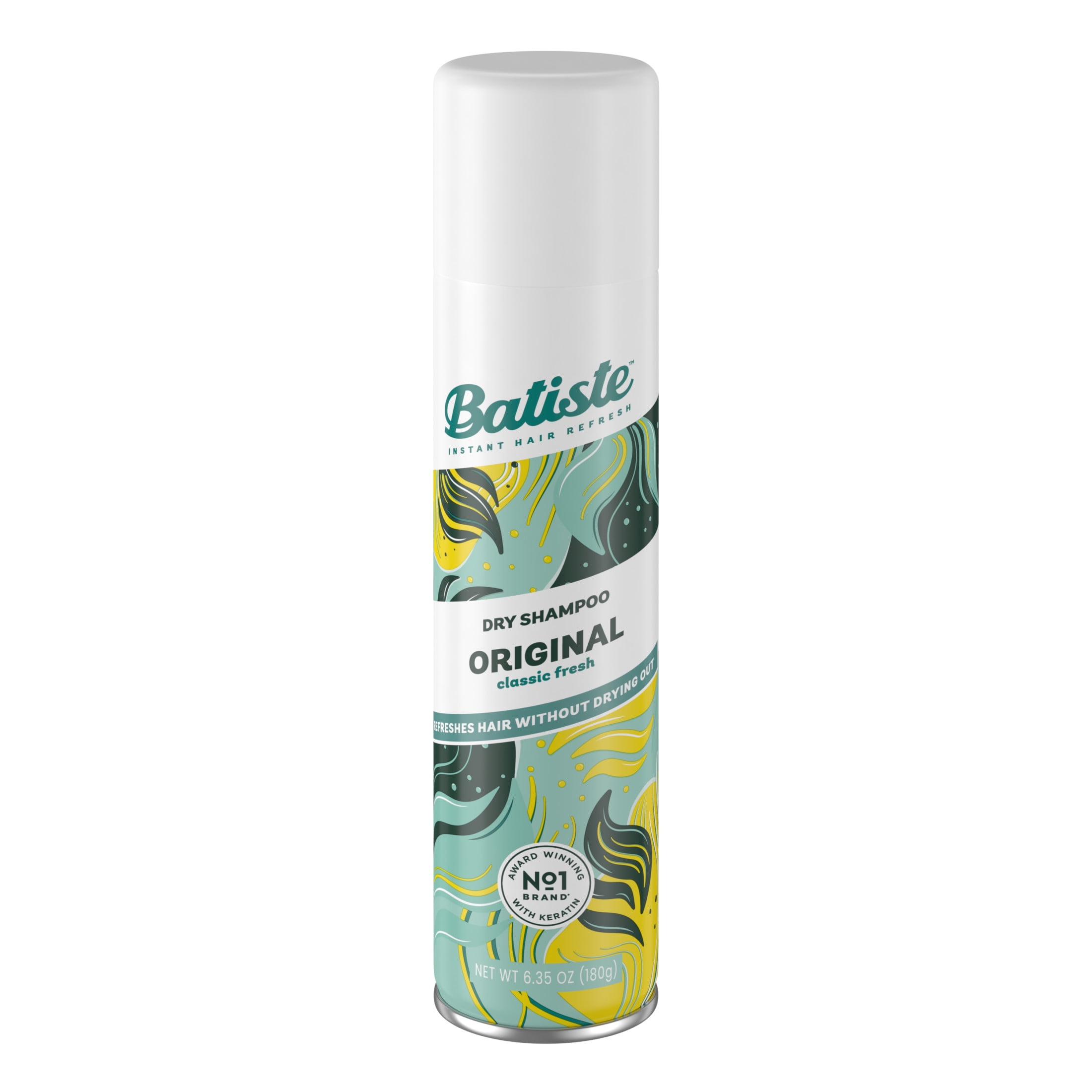
Batiste Dry Shampoo
The most popular and affordable option, known for its quick oil absorption and a wide range of tinted formulas that work on all hair colors.
Best for: Everyday refresh between washes; ideal for beginners who want a reliable spray.
Price Range: $8–$15
Living Proof Perfect Hair Day Dry Shampoo
Uses an oil-absorbing starch technology that removes odor without leaving any visible residue, making it great for fine or dark hair.
Best for: For oily hair that needs volume and a powder-free, weightless finish.
Price Range: $23–$28
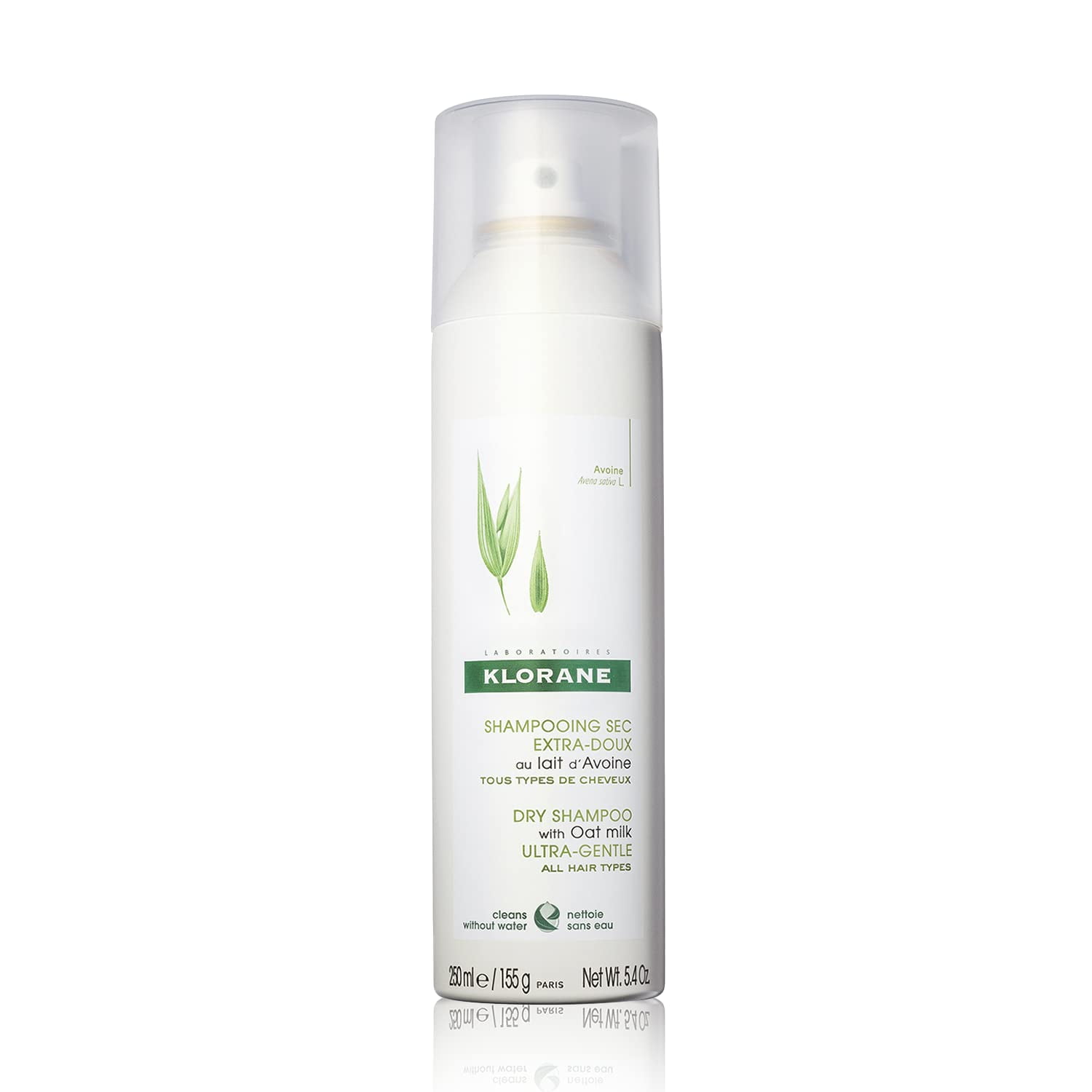
Klorane Gentle Dry Shampoo with Oat Milk
Plant-based and sulfate-free, this powder is gentle enough for sensitive scalps and is a favorite among those who prefer natural ingredients.
Best for: For sensitive or easily irritated scalps that need a fragrance-light option.
Price Range: $10–$15
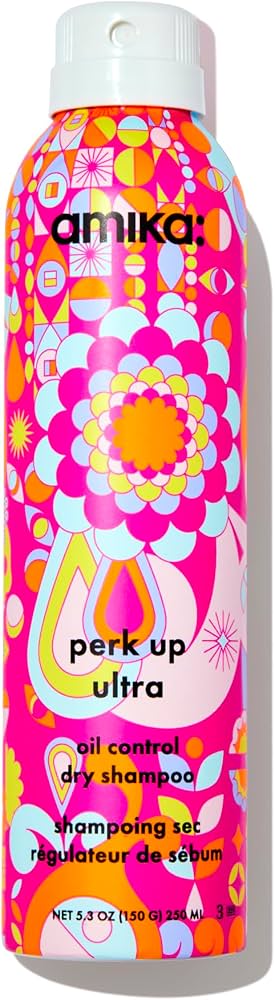
Amika Perk Up Dry Shampoo
A balancing formula with sea buckthorn that won't leave white marks, plus it smells amazing. Great for color-treated hair.
Best for: For daily touch-ups and for anyone who wants a clean, salon-style finish.
Price Range: $22–$26
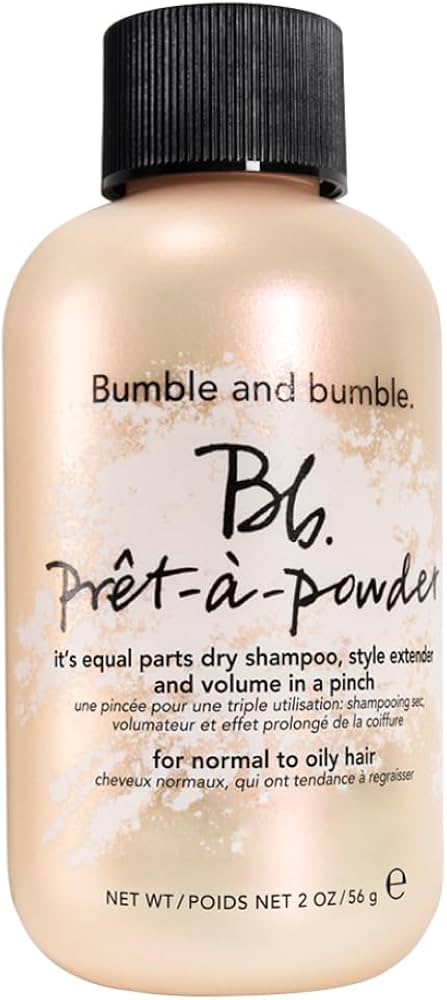
Bumble and Bumble Pret-a-Powder
A powder-based dry shampoo that adds serious volume and texture, making it a favorite among stylists for second-day hair and updos.
Best for: When you want extra lift and grip for styling, not just oil control.
Price Range: $30–$35