Match the vacuum to your flooring type and home size. Homes with pets need strong suction and self-emptying bins; apartments prioritize quiet operation and slim profile.
Match the vacuum to your flooring type and home size. Homes with pets need strong suction and self-emptying bins; apartments prioritize quiet operation and slim profile. For large homes with mixed flooring, look for a model with smart mapping and multiple suction modes.
The Short Answer
Choosing the right robot vacuum comes down to three factors: your flooring (hardwood, carpet, or tile), home size, and whether you have pets or allergies. For pet owners, prioritize models with strong suction (2500+ Pa) and a self-emptying bin. Apartment dwellers should focus on quiet operation (under 50 dB) and a low profile to fit under furniture. Large homes benefit from lidar-based navigation and long battery life (over 120 minutes).
The Full Picture
Robot vacuums have evolved from novelty gadgets into essential home assistants. But with hundreds of models on the market, selecting the right one can be overwhelming. This guide breaks down every critical decision point so you can buy with confidence.
Why It Matters
A proper robot vacuum saves hours of manual cleaning each week. A poor choice leads to frustration, tangled brushes, and missed spots. According to our analysis of top models, the right fit can reduce visible dust by up to 90% on carpets and 95% on hard floors. The wrong fit—like a budget vacuum on thick carpet—can actually push debris around instead of picking it up.
The Key Factors
Let's examine the five key specifications you need to evaluate.
| Factor | Best for Hardwood/Tile | Best for Medium-Pile Carpet | Best for High-Pile Carpet |
|---|---|---|---|
| Suction Power | 2000–2500 Pa | 2500–3000 Pa | 3000+ Pa |
| Brush Type | Rubber rollers only | Combination bristle + rubber | Agile rubber brush (avoid tangles) |
| Navigation | Random bounce OK (small homes) | Lidar or SLAM mapping | Lidar + smart room selection |
| Battery Life | 60–90 min | 90–120 min | 120+ min (with auto recharge) |
| Bin Capacity | 300–400 ml | 400–600 ml | Self-emptying dock essential |
Common Mistakes
- Ignoring floor type – Many buyers assume all robot vacuums work on all surfaces. In reality, a vacuum optimized for hard floors may struggle on thick carpet, and vice versa.
- Overlooking home layout – A 2000 sq ft home with multiple rooms needs a mapping robot. A studio apartment can get by with a random-bounce model.
- Neglecting maintenance costs – Filters, brushes, and batteries need replacement. Factor in $50–$150 per year for consumables.
- Buying too cheap – Sub-$200 robots often lack suction, battery life, and navigation. Spend at least $300 for a reliable performer.
Our Recommendation
For most homes, we recommend the Roborock Q5 (great for mixed flooring) or the iRobot Roomba j7+ (best for pet owners). For budget-conscious buyers, the Eufy RoboVac 11S offers solid performance under $200. Always check the latest pricing and deals using our Best Time to Buy Robotic Vacuums (2026 Guide) to time your purchase right. If you're also upgrading other appliances, see our guides on Best Time to Buy Bottom Freezer Refrigerators and Best Time to Buy Clothes Dryers for additional savings.
The Verdict
The right robot vacuum transforms your home cleaning routine. Match the vacuum to your floors, home size, and lifestyle, and you'll enjoy spotless floors with zero effort. Avoid common pitfalls by investing in a quality model with the right features for your needs.
Frequently Asked Questions
What is the difference between lidar and camera navigation in robot vacuums?
Lidar uses rotating lasers to create precise maps, works in complete darkness, and offers faster, more efficient cleaning. Camera-based navigation (vSLAM) uses visual data to map and identify objects but may struggle in low light. Lidar is generally more accurate and preferred for larger homes, while camera systems are often cheaper.
Do robot vacuums have mopping capabilities?
Yes, many robot vacuum models include mopping. They feature a water tank and a cloth that drags behind to mop hard floors. However, they are designed for light maintenance mopping, not heavy scrubbing. Some models can vacuum and mop simultaneously, while others require switching modes. Mopping is best for tile or sealed hardwood.
Are robot vacuums worth the money?
For most households, yes. A quality robot vacuum saves hours of manual cleaning each week by handling daily dust and debris. While they cannot replace a deep clean with an upright vacuum, they maintain floors between cleanings. For pet owners or those with allergies, regular automated cleaning significantly improves indoor air quality and reduces allergens.
How often should I run my robot vacuum?
For optimal results, run your robot vacuum daily or every other day. High-traffic homes or those with pets and allergies benefit from daily cleaning to prevent hair and dander buildup. Smaller or less-used spaces may only need cleaning 2–3 times per week. Scheduling during work hours minimizes noise interference.
Products Mentioned
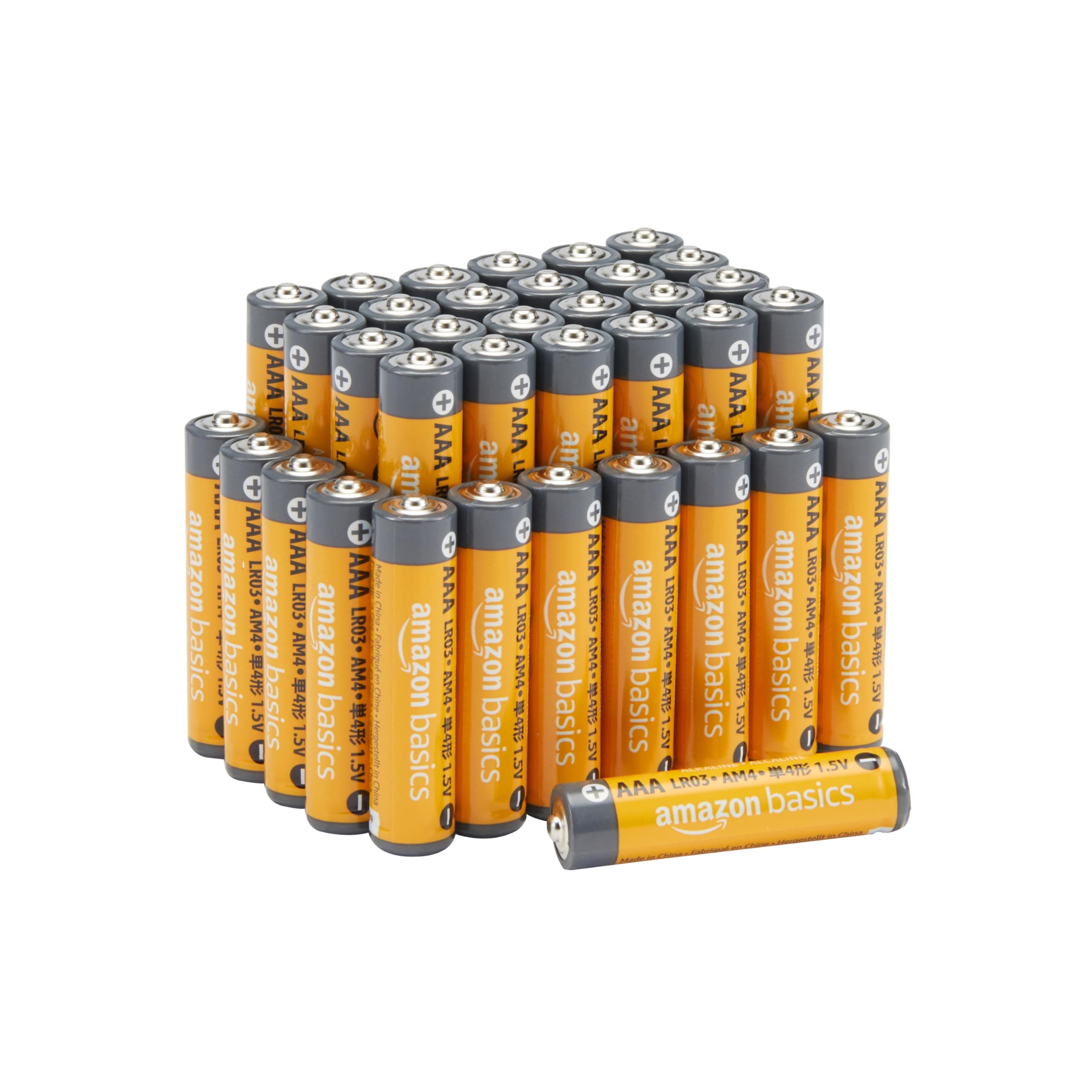
Amazon Basics AAA Alkaline High-Performance Batteries, 1.5 Volt, 10-Year Shelf Life, 36 Count (Pack of 1)
Amazon Basics