
Discover the rigorous process behind our robot vacuum reviews—from real-world floor tests to long-term reliability checks.
How We Test Robot Vacuums: Our Methodology & Standards
Most robot vacuum reviews are useless because they test in pristine labs with perfect lighting and single-surface rooms. Real homes have cat toys, rug fringes, and shadows. That's why our testing methodology is built around the mess you actually live with.
We've spent years refining our process—testing hundreds of robots on the same carpets, hardwoods, and transitions in our dedicated test facility and in real homes. Here's exactly how we evaluate every robot vacuum, what we measure, and why it matters for your purchase.
The Contenders
Our testing grid includes three tiers: budget (under $300), mid-range ($300–$700), and premium ($700+). For each tier, we select top sellers, new releases, and wild cards. Every vacuum must navigate a standard course: a 60" straight line on hardwood, a 4x4 ft area rug with tassels, a low-pile carpet transition, and a cluttered living room setup. We test each robot's stock mode, turbo mode, and any specialized settings (like edge cleaning or spot cleaning).
What We Tested
We run over 20 quantitative and qualitative tests per vacuum. These include:
- Navigation & Mapping: How quickly does it map a 1,000 sq ft apartment? Does it remember no-go zones after a power cycle?
- Suction & Cleaning Performance: Measured with a laser particle counter for fine dust (PM2.5) and by weight for larger debris (rice, cereal, pet hair). We test on three floor types and edge-clean along baseboards.
- Noise Levels: Measured in decibels at 3 ft while running in normal and turbo modes.
- Battery Life & Recharge: Run time until empty, recharge time, and how many cycles to complete a standard cleaning (auto-return optional).
- Maintenance & Durability: After 100 hours of use, we check brush wear, filter clogging, and sensors' accuracy.
- App & Smart Features: Ease of scheduling, map editing, voice control integration, and firmware update frequency.
- Real-World Stress Test: Letting the robot loose in a home with three cats, a toddler, and daily living chaos.
Design & Build
We start by tearing down the vacuum to inspect motor quality, brush roll materials, and sensor array. Cheap plastics, poorly sealed dustbins, and flimsy side brushes score lower. We note weight, dimensions, and whether the charging dock accommodates cable management.
We pay special attention to the bumper design: is it soft enough to avoid denting furniture but stiff enough to not get stuck? We measure wheel traction on a 1-inch threshold and test obstacle detection with black furniture (which most IR sensors miss).
Performance
This is the core. We grade performance on a 100-point scale across five categories:
| Category | Weight | Metric |
|---|---|---|
| Suction Power | 30% | Pa (with real-world dust pickup tests) |
| Navigation | 25% | Clean coverage %, missed spots, repeat passes |
| Floor Type Adaptability | 20% | Auto-adjustment response time, transition height limit |
| Noise & Convenience | 15% | dB, app reliability, scheduling glitches |
| Edge & Corner Cleaning | 10% | Dust along walls (grams collected in 10 ft) |
We do not accept manufacturer's suction ratings at face value—we have our own calibrated vacuum gauge. For navigation, we use a grid overlay on video footage to calculate coverage percentage.
Price & Value
We calculate a “cost per clean” metric: purchase price divided by estimated lifespan (based on motor hours and warranty), plus annual replacement parts costs (filters, brushes, batteries). This reveals the true ownership cost. For example, a $600 robot may actually be cheaper per year than a $300 model if the cheaper one needs frequent parts. We always reference our Best Time to Buy Robot Vacuums (2026 Guide) and Best Time to Buy Robot Mops (2026 Guide) for seasonal pricing trends.
Who Should Buy Which
After testing, we match robots to user profiles:
- Budget-conscious renters: Usually best-served by a strong budget model with reliable navigation, even if suction is lower.
- Pet owners: Need a robot with high airflow, tangle-free brush rolls, and larger dustbin.
- Smart home enthusiasts: Prioritize app reliability and voice assistant integration.
- Allergen sufferers: We recommend models with sealed HEPA filtration and verified fine dust pickup.
We also flag robots that excel in specific scenarios: e.g., the one that navigates black rugs best, or the one that empties itself without clogging.
Final Verdict
Our methodology is transparent because trust matters. Every robot vacuum review on Review Atlas includes a link to this methodology page. If you want to see our process in action, check out our Best Time to Buy Robotic Vacuums (2026 Guide) for how timing affects value.
We constantly update our testing protocols as new technology emerges—but the core philosophy remains: test like a real home, not a lab.
Key Takeaways
- Real-world testing beats lab specs: We prioritize coverage, navigation, and maintenance over marketed suction numbers.
- Cost per clean matters more than price: Cheaper robots often cost more in the long run.
- Trust the methodology, not the hype: Every Review Atlas robot vacuum review is backed by this standard.
Last updated: March 2026. Testing protocols are reviewed quarterly.
Frequently Asked Questions
How often should I run my robot vacuum?
For most homes, running your robot vacuum daily or every other day maintains cleanliness. If you have pets or high-traffic areas, daily runs are recommended. On low-traffic homes, 2-3 times per week suffices. Frequent runs reduce deep cleaning needs, but ensure you empty the dustbin and clean brushes regularly.
What is the average lifespan of a robot vacuum?
Robot vacuums typically last 3 to 5 years with proper maintenance. Battery degradation and brush wear are common reasons for replacement. Premium models with higher build quality often last longer. Following manufacturer maintenance schedules and replacing parts as needed can extend lifespan.
Do robot vacuums work well on thick carpets?
Robot vacuums vary in performance on thick carpets. Models with stronger suction and rubber brush rolls handle high-pile carpets better than those with bristle brushes. Our tests show that robots with over 2,000 Pa suction and adjustable height settings perform best on plush carpets. Check the robot's stated carpet height limit.
How can I improve my robot vacuum's navigation?
To improve navigation, clear clutter like cords and small objects from floors. Use magnetic strips or virtual walls to block problematic areas. Ensure good lighting, as many robots rely on cameras or IR sensors. Regularly clean sensors and wheels to avoid debris buildup. Also, update the robot's firmware for mapping improvements.
Products Mentioned
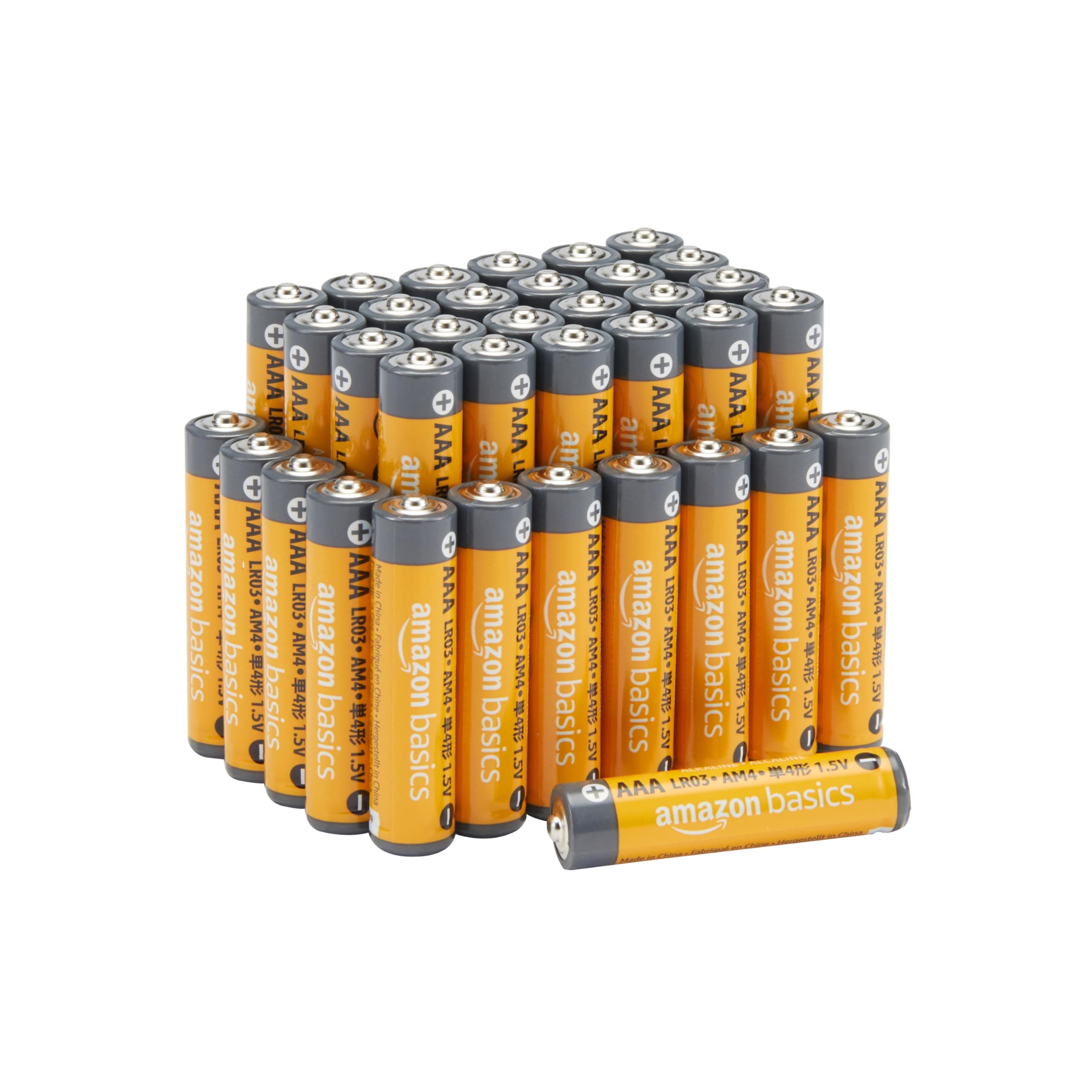
Amazon Basics AAA Alkaline High-Performance Batteries, 1.5 Volt, 10-Year Shelf Life, 36 Count (Pack of 1)
Amazon Basics