Match the vacuum to your flooring type and home size. Homes with pets need strong suction and self-emptying bins; apartments prioritize quiet operation and slim profile.
Match the vacuum to your flooring type and home size. Homes with pets need strong suction and self-emptying bins; apartments prioritize quiet operation and slim profile. This comprehensive guide covers every factor—from suction power to navigation—so you can confidently choose the best robot vacuum for your home.
The Short Answer
The key to choosing the right robot vacuum is matching its capabilities to your specific home environment. Consider these five factors:
- Flooring type: Hard floors need a robot with soft brushes and strong suction; carpets require a model with a direct-drive brush roll and automatic boost.
- Home size: Larger homes benefit from longer battery life (90+ minutes) and self-emptying bins; smaller spaces can get by with a compact unit.
- Pet ownership: Pet fur demands tangle-free brush rolls, high-efficiency filters, and large dust bins (or self-emptying).
- Smart features: If you want voice control, scheduling, and zone cleaning, look for Wi-Fi connectivity and app support.
- Budget: Prices range from $200 to $1,500+ — decide on must-haves versus nice-to-haves.
For the best deals, check our Best Time to Buy Robotic Vacuums (2026 Guide).
The Full Picture
Why It Matters
Robot vacuums are not one-size-fits-all. A high-end model optimized for deep carpets may perform poorly on hardwood because its brush bristles can scatter debris. Conversely, a budget stick-vac designed for hard floors may lack the suction to pull dirt from plush carpets. Buying without considering your home’s layout, floor types, and lifestyle can lead to frustration and wasted money.
The Key Factors
Below is a comparison of the essential specifications to evaluate.
| Factor | What to Look For | Recommended Specs |
|---|---|---|
| Suction Power | Measured in Pascals (Pa) or Air Watts (AW). | Hard floors: 1,500–2,000 Pa; Carpets: 2,500+ Pa; Pets: 3,000+ Pa |
| Battery Life | Time per charge; typical 60–120 min. | Small homes (<1,000 sq ft): 60 min; Large homes: 90+ min |
| Navigation | Random vs. structured (SLAM, LiDAR, camera). | Structured navigation for efficient cleaning; avoid random if >1 room |
| Bin Capacity | Volume in ml. | Small home: 400–600 ml; Pets/large home: self-emptying or 600+ ml |
| Filtration | HEPA vs. basic mesh. | Allergies/pets: HEPA (captures 99.97% of particles) |
| Noise Level | Measured in decibels (dB). | Quiet operation: <60 dB for apartments/night cleaning |
| Smart Features | App, voice assistant, scheduling, no-go zones. | Wi-Fi, app control, real-time mapping |
Common Mistakes to Avoid
- Ignoring Flooring Transitions – If you have area rugs with tassels or high-pile carpets, a robot with a soft rubber brush roll prevents tangles. Many budget models use bristle brushes that get stuck.
- Overlooking Mapping and Zoning – Random-bouncing robots can miss spots or repeatedly clean the same area. For multi-room homes, a LiDAR or camera-based model with mapping is essential.
- Neglecting Maintenance Costs – Filters, side brushes, and battery replacements add up. Check availability and cost of consumables.
- Choosing Based Only on Price – A $250 robot may lack self-emptying and mapping, requiring daily manual emptying. For busy households, spending $500+ on a self-emptying model is worth the convenience.
Timing Your Purchase
Robot vacuum prices fluctuate with sales cycles. Major discounts often occur during Amazon Prime Day, Black Friday, and clearance after new model launches. Our guides can help you identify the best windows:
- Best Time to Buy Robotic Vacuums (2026 Guide)
- Best Time to Buy Bottom Freezer Refrigerators (2026 Guide) — while not directly related, this pattern of seasonal pricing applies to many appliances.
- Best Time to Buy Washer Dryer Combos 2025 — another resource for understanding appliance deal cycles.
Our Recommendation
For most homes, we recommend a robot vacuum with:
- LiDAR navigation for efficient cleaning
- Self-emptying base if you have pets or a busy schedule
- Adjustable suction (auto-boost on carpet)
- HEPA filter for allergy sufferers
- App control with zone cleaning
If you have mostly hard floors and a small apartment, a budget model with random navigation and 60-minute battery (e.g., Roomba 600 series) suffices. For large homes with carpet and pets, invest in a premium model like the Roborock S7 MaxV or iRobot Roomba j7+.
Verdict
Choosing a robot vacuum comes down to aligning its features with your home’s demands. Prioritize flooring type, home size, and pet ownership above flashing lights and extra gadgets. Use the table above as your checklist, avoid common pitfalls, and time your purchase for maximum savings. A well-chosen robot vacuum will become an indispensable household helper.
Need more context on other appliances? Our Best Time to Buy Refrigerators (2026 Guide) can help with your kitchen upgrade timing.
Frequently Asked Questions
Can robot vacuums clean high pile carpets?
Yes, but not all models. For high-pile carpets, choose a robot with soft rubber brush rolls to prevent tangling and strong suction (3,000+ Pa). Avoid robots with bristle brushes, as they can get stuck. Check manufacturer specs for maximum carpet height. Some premium models adjust suction automatically.
How often should you replace robot vacuum filters?
Typically every 2–3 months, but it depends on usage and pet ownership. Washable filters can be rinsed monthly, while HEPA filters need replacement per manufacturer guidelines (often 3–6 months). Check your robot’s app or manual for reminders. Frequent replacements maintain suction and air quality.
Why is my robot vacuum not charging?
Common causes include misaligned charging contacts, a dead battery, or power supply issues. Ensure the robot is properly docked and the contacts are clean. Try resetting the robot by holding the power button for 10 seconds. If the battery is old (1–2 years), it may need replacement.
When is the best time to buy a robot vacuum?
Major sales events like Amazon Prime Day (July), Black Friday (November), and after new model launches (typically spring and fall) offer the biggest discounts. Also check clearance sales when retailers make room for newer models. Set price alerts for your desired model.
Products Mentioned
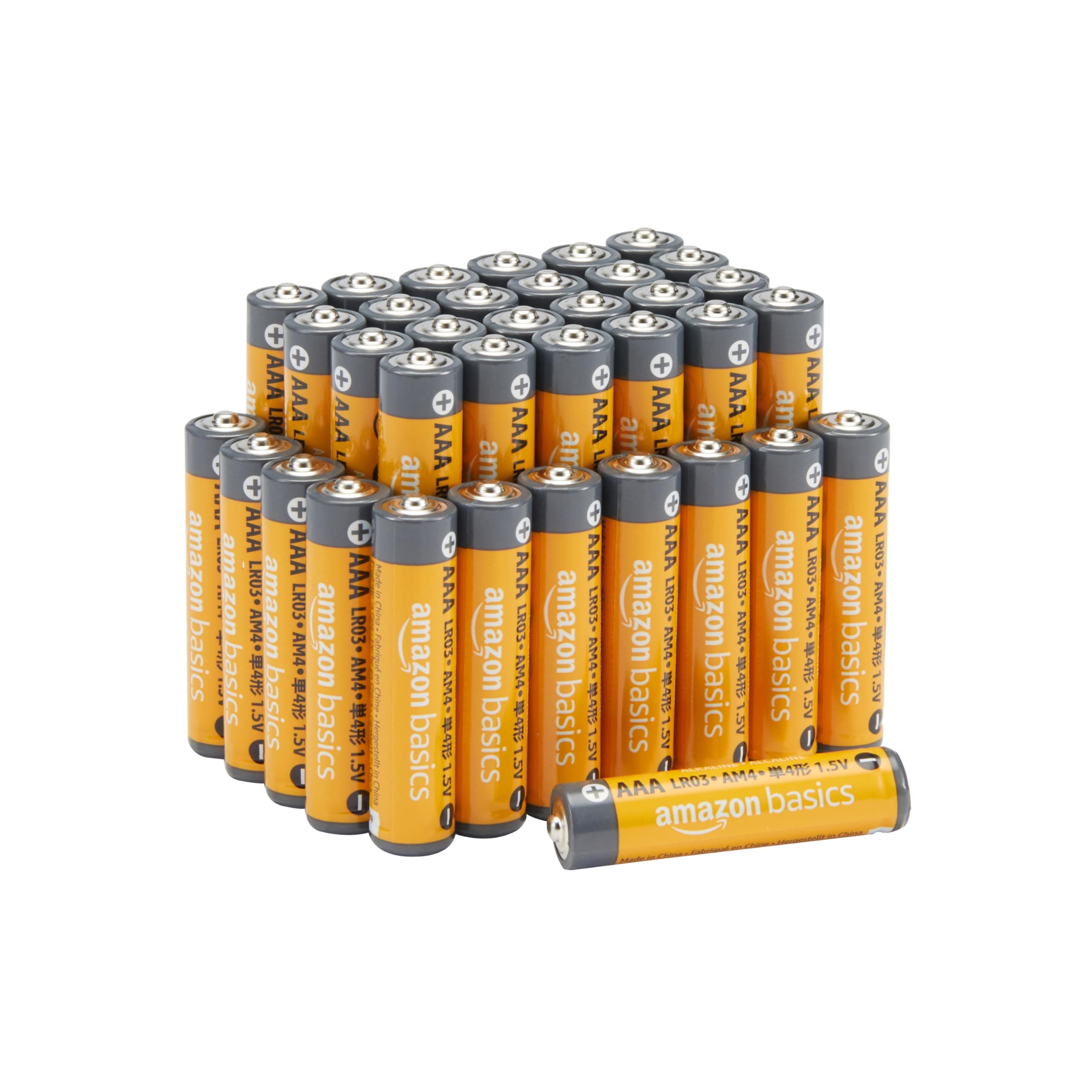
Amazon Basics AAA Alkaline High-Performance Batteries, 1.5 Volt, 10-Year Shelf Life, 36 Count (Pack of 1)
Amazon Basics