
Quick Verdict
The Canon EOS R6 Mark II is a very good camera for professional real estate photography, offering excellent dynamic range, low-light performance, and video capabilities. While it lacks the resolution and native tilt-shift support of some alternatives, its strengths make it a versatile tool for most real estate photographers, especially those who value a lightweight setup and videography features.
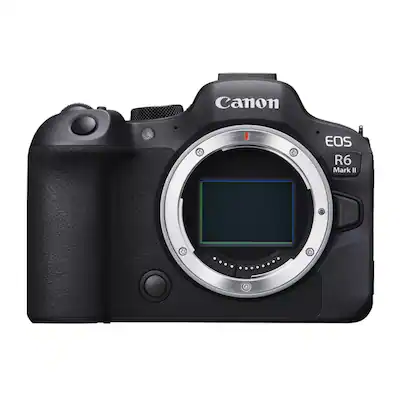
Canon EOS R6 Mark II
$2499.00

✓ Key Strengths
- •Excellent dynamic range (≈14 stops) handles high-contrast interiors with bright windows and dark corners, reducing HDR blending work.
- •Vari-angle touchscreen allows easy framing from low angles (e.g., floor-level shots) and high angles (e.g., above appliances).
- •In-body stabilization (IBIS) enables sharp handheld shots in dim rooms at slower shutter speeds, reducing the need for a tripod in some situations.
- •Fast and accurate Dual Pixel AF II works well for video autofocus during walkthroughs, keeping the subject smooth.
- •Great low-light performance with clean images up to ISO 6400, which is useful for rooms with mixed lighting.
- •Compact and lightweight body compared to DSLR alternatives, making it easier to carry during multi-property shoots.
- •4K 60p video with Canon Log 3 provides flexibility for cinematic virtual tours and marketing videos.
- •Dual UHS-II SD card slots offer backup or overflow for large shoots.
✗ Key Weaknesses
- •24.2MP resolution is adequate for listings but may be limiting for large prints or heavy cropping; higher-res options like the R5 (45MP) are available.
- •No native RF tilt-shift lenses; requires an adapter for EF tilt-shift lenses, adding bulk and potential compatibility issues.
- •Battery life (≈760 shots per CIPA) may require multiple batteries for full-day shoots, especially with extensive video use.
- •Electronic shutter can cause rolling shutter distortion with fast-moving subjects (not a major issue for static real estate).
- •Cost: at ~$2500 body-only, it's a significant investment, especially when paired with quality ultra-wide lenses.
What is Canon EOS R6 Mark II?
What is shooting professional real estate photography?
Detailed Analysis
👍 Perfect For
- ✓Real estate photographers who also shoot video tours and want a single camera for both.
- ✓Photographers transitioning from DSLR to mirrorless who value a familiar Canon ecosystem and outstanding autofocus.
- ✓Real estate pros who shoot large volumes of properties and need a lightweight, portable setup.
- ✓Budget-conscious professionals who don't require ultra-high resolution and prefer spending less on the body for better lenses.
👎 Not Ideal For
- ✗Photographers specializing in luxury real estate requiring large-format prints (e.g., 50+ MP) or extensive cropping capabilities.
- ✗Shooters who rely on native tilt-shift lenses and prefer not to use adapters; consider a DSLR or Sony system with tilt-shift options.
- ✗Those who need a camera with built-in GPS for geotagging (R6 II lacks built-in GPS; requires smartphone app).
Use Case Scenarios
Luxury Estate Photography
Shooting high-end properties with large rooms, intricate details, and need for very high-resolution images for brochures and large prints.
✓ Strengths
- High dynamic range for window views
- Vari-angle screen for creative angles
- Excellent video for virtual tours
✗ Weaknesses
- 24MP limits large print size
- No native tilt-shift lenses
💡 Workarounds
- Use an EF 17mm TS-E with adapter for perspective control.
- Shoot multiple exposures and stitch panoramas for higher resolution.
While capable, the resolution and tilt-shift limitations make it less ideal for luxury estates where large prints and precise perspective control are common.
Volume Real Estate Shooting (Budget-Conscious)
A freelance photographer shooting multiple properties daily, needing a lightweight, efficient setup that minimizes post-processing and maximizes turnaround.
✓ Strengths
- Lightweight and compact
- Fast autofocus for video walkthroughs
- Good dynamic range reduces post-processing
✗ Weaknesses
- Battery life could be longer
- Kit lens options may be limited in ultra-wide range
💡 Workarounds
- Carry multiple LP-E6NH batteries (genuine or third-party).
- Use the RF 15-30mm as a cost-effective ultra-wide zoom.
The combination of portability, image quality, and efficient features makes it an excellent choice for high-volume real estate photographers who want fast turnaround.
Real Estate Video Tours and Cinematics
Creating cinematic virtual tours, agent walkthroughs, and marketing videos that require high-quality 4K footage, smooth autofocus, and good stabilization.
✓ Strengths
- 6K oversampled 4K for sharp video
- Canon Log 3 for color grading flexibility
- Reliable autofocus for moving through rooms
✗ Weaknesses
- No 4K 120p (only 1080p 120p)
- No internal ND filters
💡 Workarounds
- Use an external ND filter (e.g., VND) for proper exposure.
- Use a gimbal like DJI RS3 for smooth walking shots.
The excellent video specs and autofocus make it one of the best mirrorless cameras for real estate video production in its price range.
Architectural Photography with Tilt-Shift
Photographers who rely heavily on tilt-shift lenses for correcting perspective and achieving maximum sharpness in architectural details.
✓ Strengths
- Adapter compatibility with EF TS-E lenses
- Electronic level helps with composition
✗ Weaknesses
- No native RF tilt-shift lenses
- Adapter adds bulk
- Lower resolution than R5 for detail
💡 Workarounds
- Use the Canon Mount Adapter EF-EOS R (including control ring version).
- For highest resolution, consider the R5 with TS-E lenses.
While compatible, the lack of native tilt-shift lenses and lower resolution compared to alternatives like the R5 make it a decent but not outstanding choice for dedicated architectural tilt-shift work.
Related Products You Should Consider
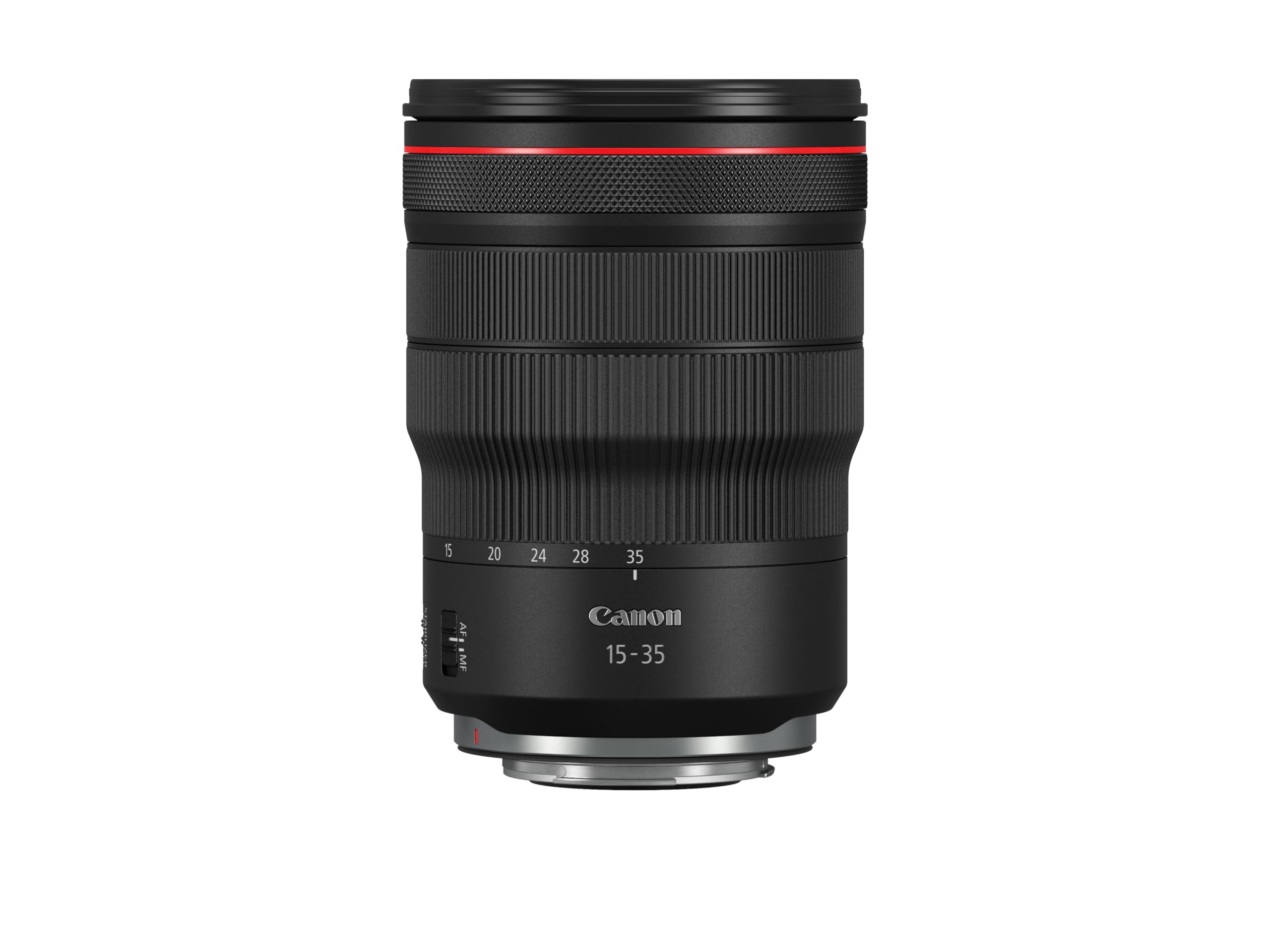
Canon RF 15-35mm f/2.8L IS USM
$2299.00
Why recommend: Best-in-class ultra-wide zoom that complements the R6 II's capabilities for real estate.
Best for: Professional real estate photographers wanting maximum sharpness and low-light performance.
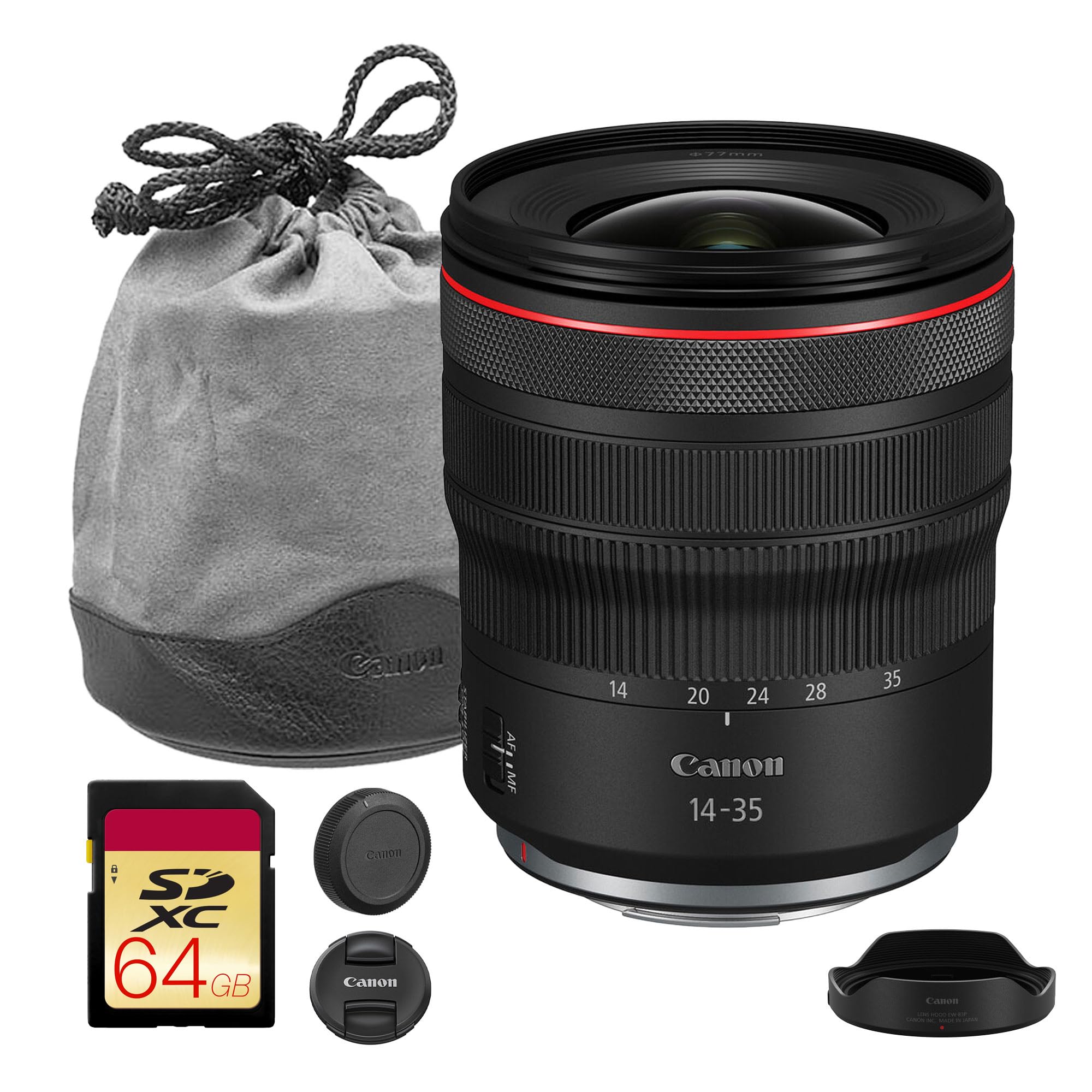
Canon RF 14-35mm f/4L IS USM
$1599.00
Why recommend: Great balance of wider angle, cost, and quality for real estate work.
Best for: Real estate photographers on a mid-range budget who need a wider field of view.
Manfrotto 055 XPRO3 Tripod
$279.00
Why recommend: Reliable tripod for consistent framing and HDR photography.
Best for: Real estate photographers who frequently shoot HDR or need precise composition.
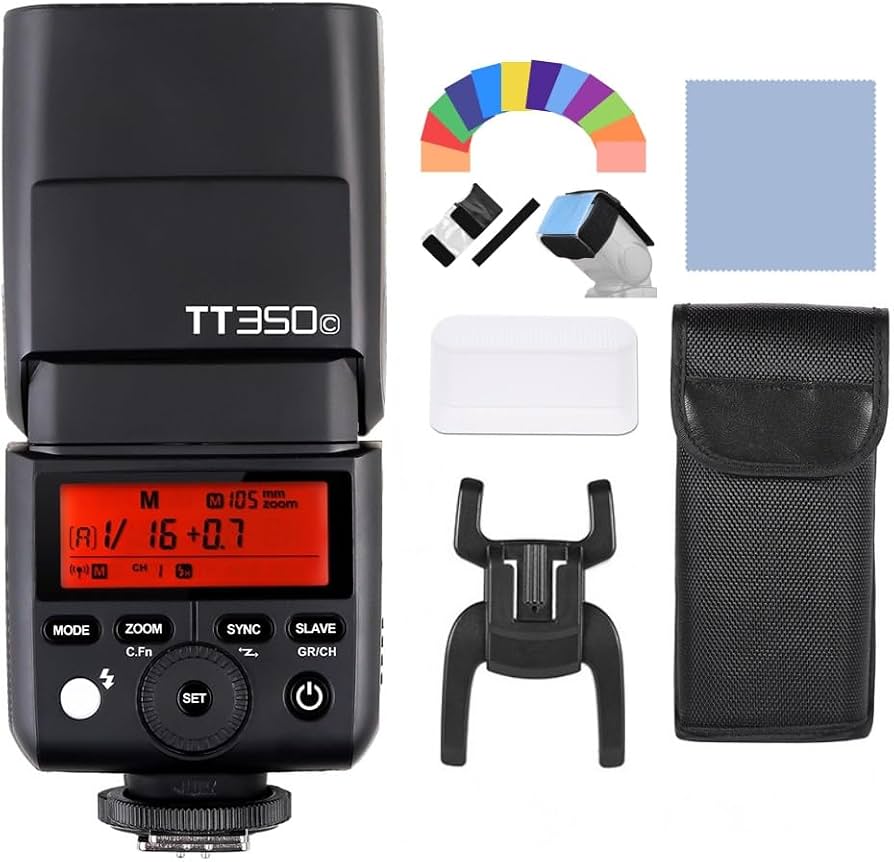
Godox TT350C Flash
$84.00
Why recommend: Affordable, portable flash to enhance interior lighting.
Best for: Photographers who need occasional fill flash for dark rooms or accent lighting.

Canon LP-E6NH Battery
$79.00
Why recommend: Essential backup power for long shoots.
Best for: All real estate photographers using the R6 II.
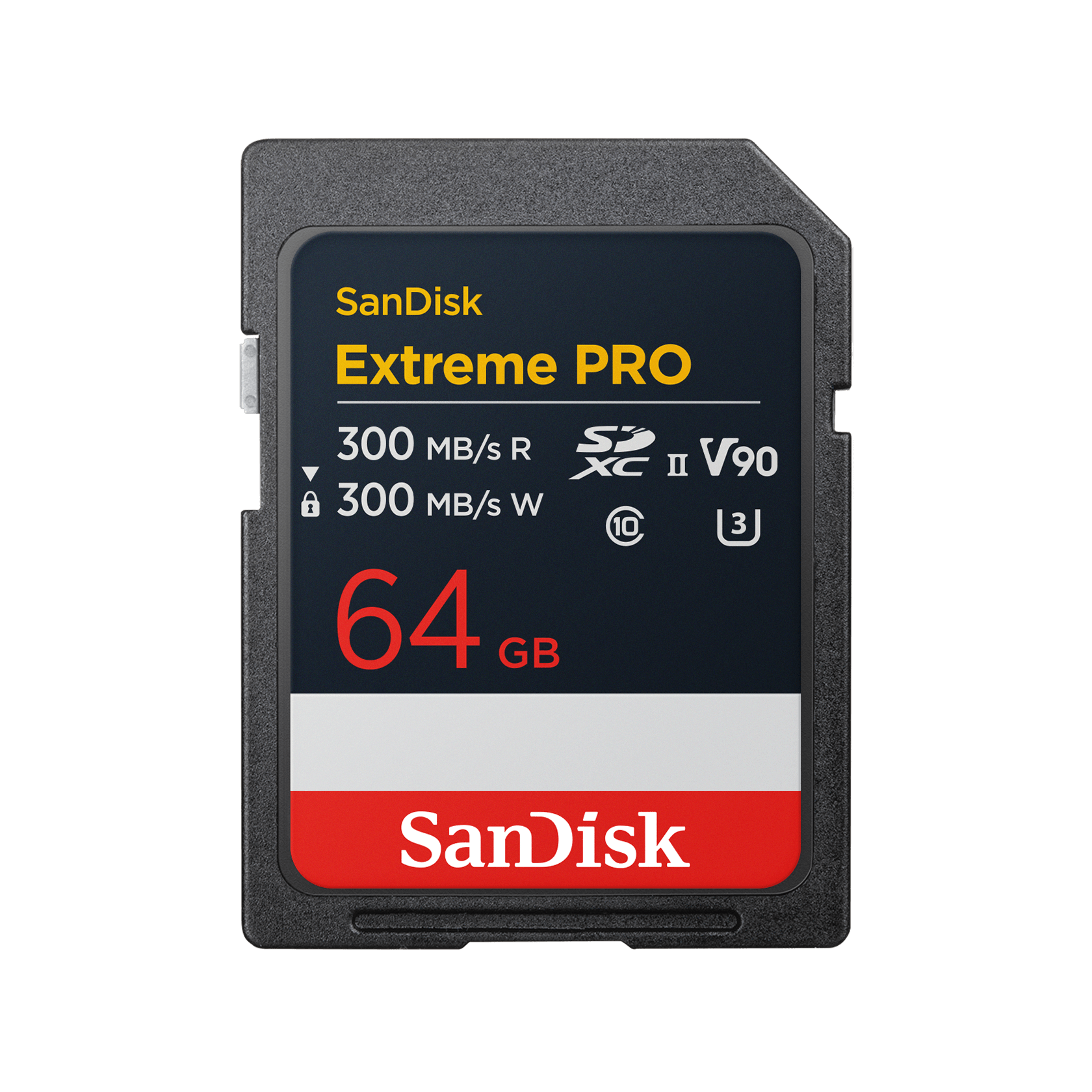
SanDisk Extreme PRO 128GB SD Card (UHS-II)
$32.99
Why recommend: Fast, reliable storage for burst shooting and 4K video.
Best for: Photographers shooting high-resolution bursts or 4K video.
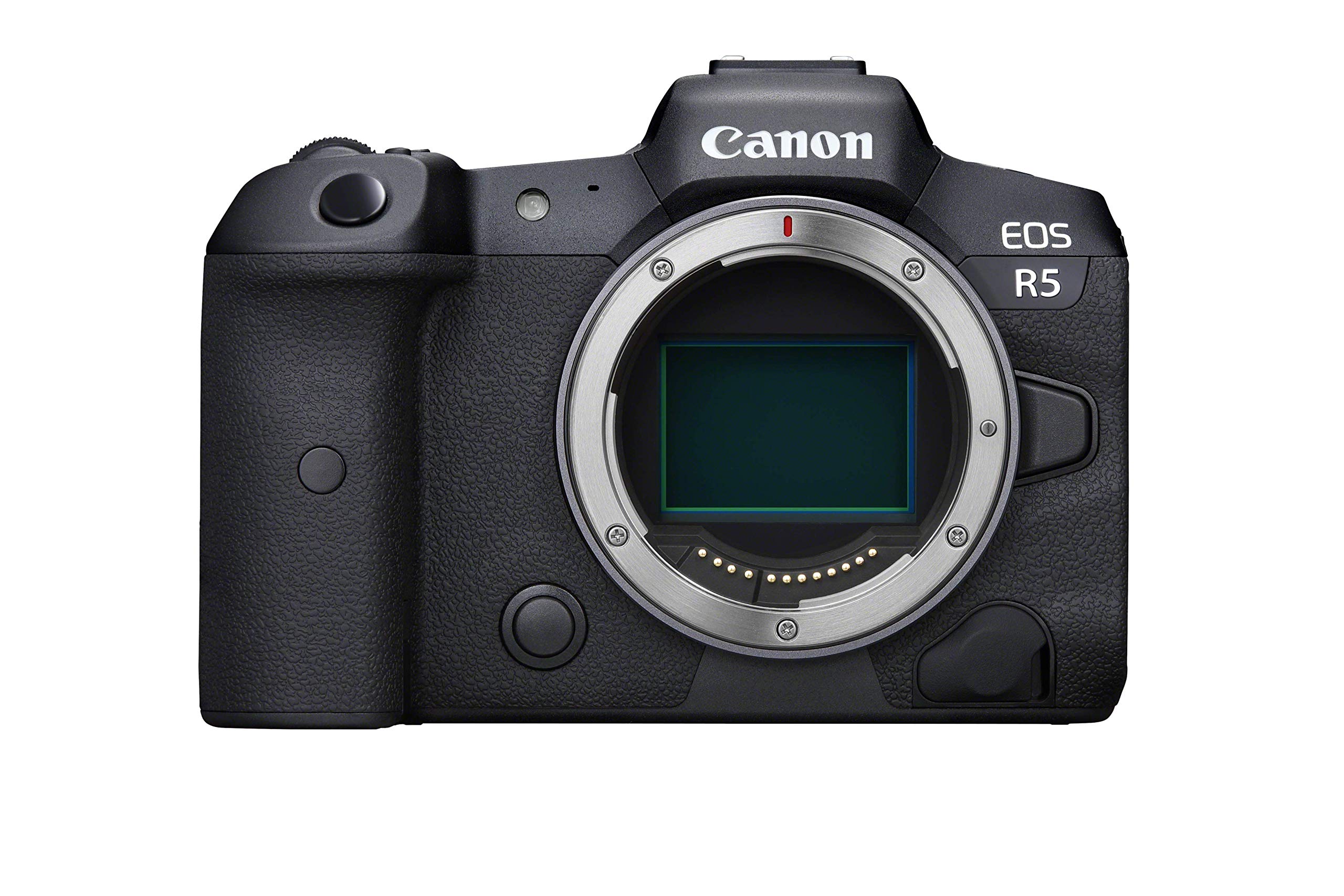
Canon EOS R5 (Body)
$3799.00
Why recommend: Higher resolution for larger prints and more cropping flexibility.
Best for: Photographers who need maximum resolution for luxury properties.
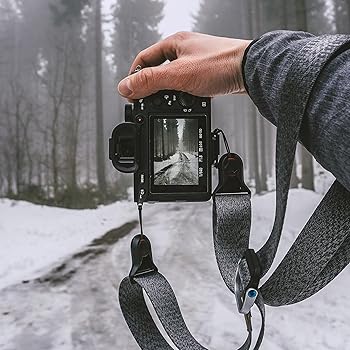
Peak Design Slide Lite Strap
$59.95
Why recommend: Comfortable strap for all-day shooting.
Best for: Photographers shooting multiple properties in one day.
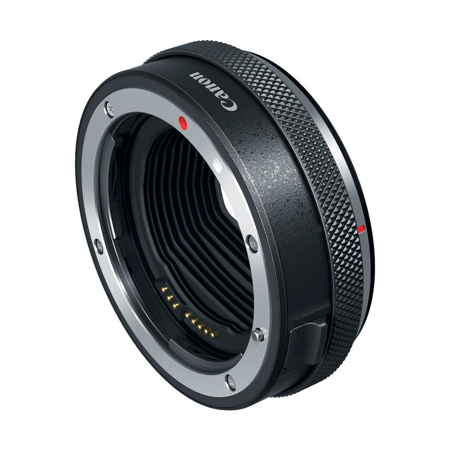
Canon Mount Adapter EF-EOS R (Control Ring)
$299.00
Why recommend: Essential if you have existing EF lenses, especially tilt-shift.
Best for: Photographers with Canon EF lenses who want to keep using them.
Bottom Line
Ready to get the Canon EOS R6 Mark II? Check the latest price on Amazon.
🛒 Buy on AmazonAs an Amazon Associate we earn from qualifying purchases.
Frequently Asked Questions
Is the Canon EOS R6 Mark II good for real estate photography?
Yes, it is a good camera for real estate photography. Its 24.2MP sensor offers sufficient resolution for most listings, excellent dynamic range handles high-contrast scenes well, and the vari-angle screen aids in creative shooting angles. It also excels in video for virtual tours. However, if you need very high resolution for large prints, consider the Canon EOS R5.
Can you use the Canon EOS R6 Mark II for real estate video tours?
Absolutely. The R6 Mark II is one of the best mirrorless cameras for real estate video, offering 4K 60p oversampled from 6K, Canon Log 3 for grading, and smooth autofocus. In-body stabilization helps with handheld shots, but a gimbal is recommended for professional results.
Is the Canon EOS R6 Mark II suitable for architectural photography with tilt-shift lenses?
Yes, but with an adapter. There are no native RF tilt-shift lenses, so you'll need the EF-EOS R adapter to use Canon TS-E lenses. The camera's electronic level and live view aid in composition, but the added adapter length and manual focus are considerations. The R6 II's 24MP sensor is fine for architectural details, though the R5 offers higher resolution.
What's better than the Canon EOS R6 Mark II for real estate photography?
If you need higher resolution for large prints, the Canon EOS R5 (45MP) is a step up. For native tilt-shift lenses, a Canon 5DS R (DSLR) with EF tilt-shift lenses or a Sony A7R IV (with third-party tilt-shift) could be alternatives. However, the R6 II offers better video and autofocus than most DSLRs.
Does the Canon EOS R6 Mark II work well for HDR real estate photography?
Yes. Its excellent dynamic range reduces the need for multiple exposures, but for best results, photographers still use bracketed HDR techniques. The camera's fast burst mode (12 fps mechanical) and silent electronic shutter (40 fps) make it easy to capture exposure brackets quickly.
What lenses should I use with Canon EOS R6 Mark II for real estate?
For interiors, an ultra-wide zoom like the RF 15-35mm f/2.8L IS USM or RF 14-35mm f/4L IS USM is ideal. For exterior and detail shots, a standard zoom like RF 24-70mm f/2.8L IS USM works well. Some photographers also use the RF 16mm f/2.8 STM as a budget option.
How does the Canon EOS R6 Mark II compare to the Sony A7 IV for real estate?
Both are excellent full-frame cameras with similar resolution (24-33MP). The Sony A7 IV has a slight edge in resolution (33MP) and offers a larger lens ecosystem with native tilt-shift options from third parties. The R6 Mark II has better video autofocus and a more intuitive interface for Canon users. For real estate, both are great; choose based on your lens preference and ergonomics.
Can the Canon EOS R6 Mark II be used for virtual staging?
While virtual staging is done in post-processing, the camera's high image quality and accurate colors make it suitable. Shooting RAW provides flexibility for edits. The R6 II's dual card slots are helpful for backup during shoots.
Is the Canon EOS R6 Mark II weather-sealed for outdoor real estate shoots?
Yes, the R6 Mark II features weather sealing around the buttons, dials, and media doors. It can handle light rain and dust, making it suitable for exterior shoots in less-than-ideal conditions. However, for heavy downpours, a rain cover is recommended.
What accessories do I need for real estate photography with Canon EOS R6 Mark II?
Essential accessories include: a sturdy tripod (e.g., Manfrotto 055 XPRO3), an ultra-wide lens (RF 14-35mm or 15-35mm), spare batteries (LP-E6NH), high-speed SD cards (UHS-II), a remote shutter, and a camera bag. Optional: a flash (Godox TT350C) for fill light, an adapter for EF lenses, and a gimbal for video.
How many megapixels do I need for real estate photography?
For typical MLS listings and web use, 20-24MP is sufficient. For large prints (e.g., 24x36) or heavy cropping, 45MP or higher is beneficial. The R6 II's 24.2MP is adequate for most real estate work, but if you often print large, consider the R5.
Can I use the Canon EOS R6 Mark II for drone real estate photography?
No, the R6 II is a camera body, not a drone. For aerial real estate photography, you'd need a drone with a camera (e.g., DJI Mavic 3). However, the R6 II can be used for ground-based video and photos to complement drone shots.