Review Atlas
Review AtlasYour guide to a better purchase

Menu

Shop by Category

Get the App

Better experience on mobile

Beginners GuidePainting

Is Best Watercolor Kit for beginners Worth It? Honest Review (20…

Everything you need to know to choose your first watercolor kit with confidence and start painting today!

Welcome to the wonderful world of watercolor! If you're feeling a little overwhelmed by the sheer number of kits, paint types, and terms like 'granulation' and 'transparency' – you're not alone. Many beginners worry about buying the wrong thing and wasting money. This guide is here to change that.

We've done the research for you, looking at what actual beginners need and what experienced artists recommend. We'll break down everything in simple, jargon-free language, walk you through the features that matter most, and recommend some excellent kits for every budget. No confusing technicalities, just clear, friendly advice to help you get started.

So take a deep breath! By the end of this guide, you'll feel confident choosing a watercolor kit that will let you learn and have fun without breaking the bank. Let's dive in.

📋 In This Guide

  • • Why Beginners Struggle with Watercolor Kit
  • • What to Look For (Key Features)
  • • Top 4 Beginner-Friendly Watercolor Kit
  • • Essential Accessories for Beginners
  • • Common Beginner Mistakes to Avoid
  • • Your Progression Path
  • • FAQ & Learning Resources

😰 Why Beginners Struggle with Watercolor Kit

Watercolor painting looks so beautiful and effortless in videos, but starting out can be tricky. One of the biggest challenges beginners face is the huge number of choices. Do you get pans, tubes, or liquid watercolors? How many colors do you really need? What's the difference between student-grade and artist-grade? This confusing vocabulary can make you feel like you need a degree just to buy your first kit.

Another common struggle is the fear of buying the wrong product. Maybe you'll pick a set that's too cheap and the colors come out weak and chalky, or you'll splurge on a professional set with features you don't use yet. Plus, there's the frustration of not knowing what accessories are essential – do you need a special palette, paper, or brushes? It's easy to feel stuck before you even paint your first wash.

The good news is that watercolor is one of the most forgiving mediums for beginners. You don't need a ton of expensive gear to start seeing progress. This guide will cut through the noise, explain the basics clearly, and point you to kits that are specifically designed to make learning fun and successful.

🔍 What to Look For: Key Beginner-Friendly Features

When you're starting out, you want a kit that's simple, forgiving, and lets you focus on learning techniques instead of fighting your materials. Here's what to actually look for in a beginner watercolor kit.

First, choose a set with solid, basic colors. You don't need 100 colors – having 12 to 24 good-quality colors is plenty. Look for paints that are labeled 'student-grade' or 'beginner-friendly' – they're more affordable and still offer vibrant results. Also, decide between pans and tubes. Pans are dry blocks that you activate with water – they're tidy, easy to carry, and perfect for beginners. Tubes are thicker and need to be squeezed onto a palette; they can be messier but are more concentrated. For your first kit, a pan set is usually the best choice.

Another key feature is an included brush (or brushes). Many beginner kits come with a decent round brush in a medium size, which is all you need to start. Also look for a built-in palette – a mixing area where you can blend colors. A sturdy case that protects the paints and can stand up while you work is a big plus. Some sets even come with a small instruction booklet or color mixing guide, which is a nice confidence booster.

There are also some things you don't need as a beginner: expensive professional-grade paints, natural-hair brushes, or a huge color selection. And don't worry about 'granulation' or 'transparency' yet – those are terms for advanced techniques. Your focus should be on getting a kit that's easy to use, easy to clean up, and enjoyable to practice with.

✅ Essential Features for Beginners

  • Pan-style paints – less mess, easy to control and clean
  • 12-24 essential colors – enough to mix a wide range of shades
  • Included round brush – a size 1-3 brush is perfect for starting
  • Built-in palette – a non-porous mixing area for blending colors
  • Durable, compact case – protects paints and allows easy storage
  • Student-grade quality – affordable yet reliable color payoff
  • Non-toxic materials – safe for kids and adults
  • Basic color mixing guide – helps you learn how to create new colors

🏆 Top 4 Best Watercolor Kit for Beginners

#1
💰 Budget

Prina 50 Color Watercolor Paint Set with 3 Brushes

Learning Curve: Easy

$19.99
Difficulty: 1/5
Prina 50 Color Watercolor Paint Set with 3 Brushes - Image 1 of 7

Why Great for Beginners:

This kit is an amazing budget-friendly starting point. It includes 50 vibrant colors in a compact pan case, plus three basic brushes. The pans are easy to activate with water, and the case doubles as a palette. It's perfect to see if you enjoy watercolor without spending much.

Beginner Pros

  • +Very affordable for a huge color selection
  • +Compact and portable – great for travel
  • +Pans are easy to use and clean
  • +Comes with all the basics needed to start

Beginner Cons

  • -Paint quality is lower than more expensive sets – colors may be less transparent
  • -Included brushes are basic and may not hold a sharp point
  • -Too many colors can be overwhelming for total beginners
👍 Best for: Complete beginners on a tight budget who want a low-risk entry into watercolor.
👎 Not for: Artists who want rich, professional-looking colors or plan to exhibit their work.
#2
👍 Recommended

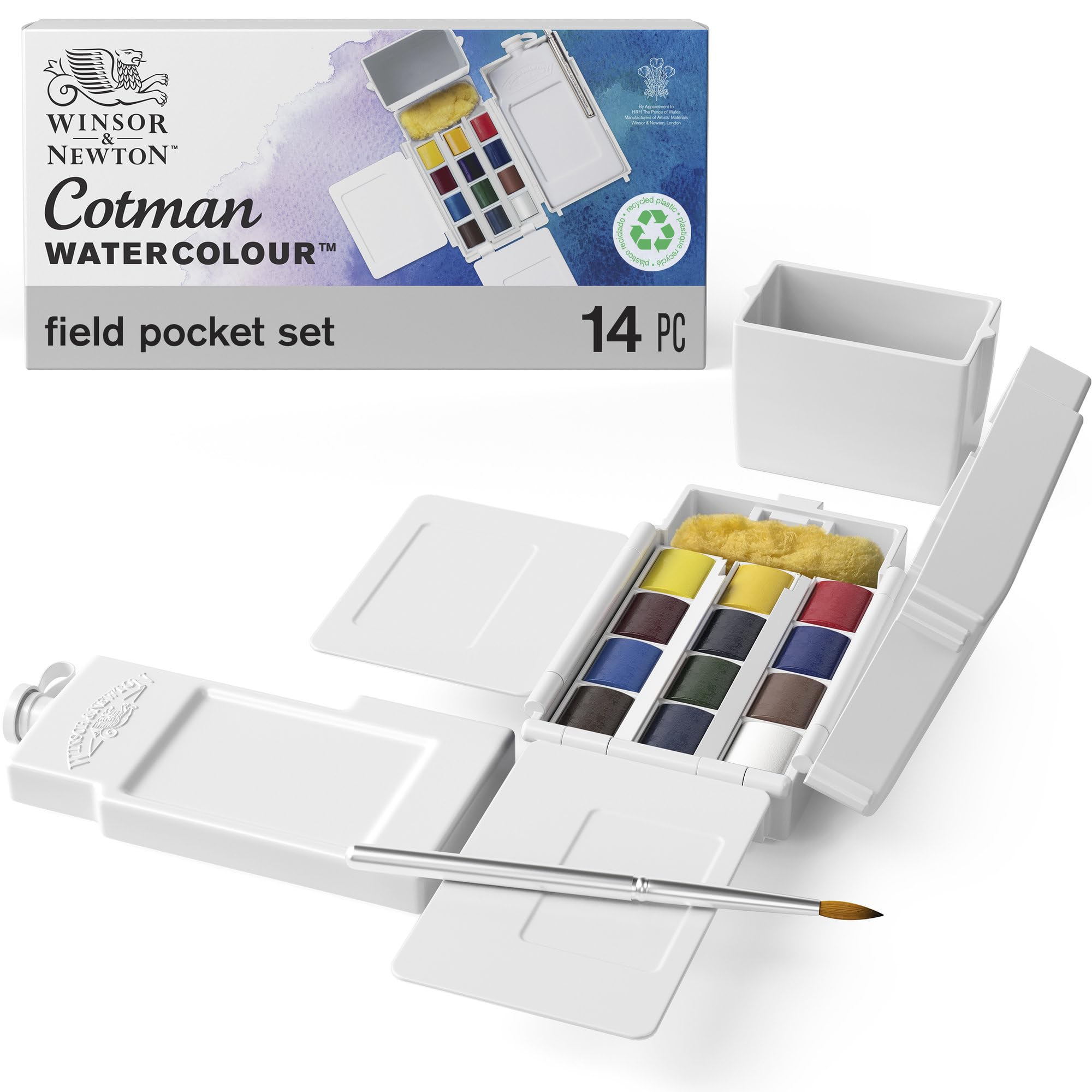
Winsor & Newton Cotman Water Colour Paint Set, 12 Half Pans

Learning Curve: Easy

$31.99
Difficulty: 2/5
Winsor & Newton Cotman Water Colour Paint Set, 12 Half Pans

Why Great for Beginners:

The Cotman line is famous for being high-quality and friendly to beginners. This set includes 12 carefully selected colors that mix beautifully. The pans are easy to activate, and the compact metal tin doubles as a palette. Winsor & Newton is a trusted brand with excellent color payoff.

Beginner Pros

  • +Trusted brand with high-quality student-grade paints
  • +12 essential colors that mix well – perfect for learning color theory
  • +Compact and durable metal tin
  • +Easily portable in a pocket or bag
  • +Pans can be replaced individually as they run out

Beginner Cons

  • -Only 12 colors – some beginners may want more variety
  • -Does not include a brush
  • -Small pans can be finished quickly if used generously
👍 Best for: Beginners who want a reputable, high-quality set that will last for years and teach them classic color mixing.
👎 Not for: Those who want many pre-assembled colors or an all-in-one kit with brush included.
#3
👍 Recommended

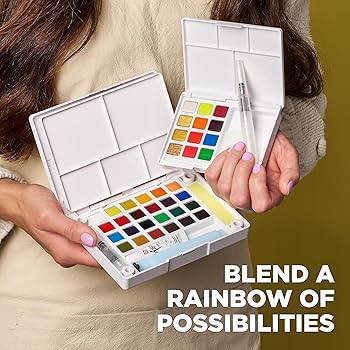
Sakura Koi 24-Color Field Watercolor Sketch Set

Learning Curve: Easy

$33.99
Difficulty: 2/5
Sakura Koi 24-Color Field Watercolor Sketch Set

Why Great for Beginners:

The Sakura Koi set is an absolute favorite among beginners, especially those who want to paint outdoors. It includes 24 vivid colors, a refillable water brush, and a mixing palette – everything in one slim case. The water brush is easy to use, and the colors are rich and well-behaved.

Beginner Pros

  • +Comes with a built-in water brush – no need for a separate cup
  • +24 colors offer a wide selection for experimentation
  • +All-in-one design is perfect for travel and on-the-go painting
  • +The case is compact, durable, and doubles as a palette

Beginner Cons

  • -The water brush can be a bit tricky to control at first – it's easier to overdo water
  • -Some users find the pan sizes small
  • -The palette is a bit stiff to open when new
👍 Best for: Beginners who love to paint outside, travel, or sketch on the go and want an all-in-one kit.
👎 Not for: Those who prefer traditional brushes and separate water cups at home.
#4
✨ Premium

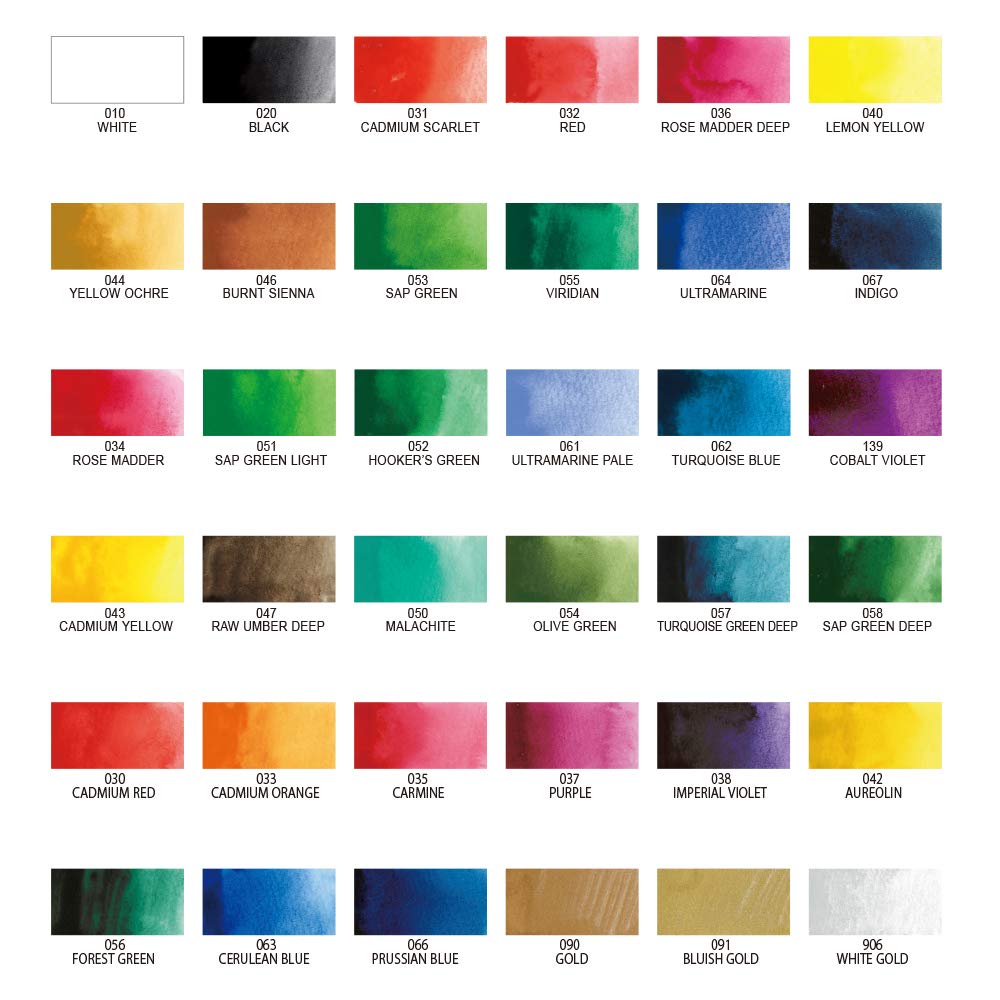
Kuretake Gansai Tambi 36 Color Watercolor Set

Learning Curve: Moderate

$54.99
Difficulty: 3/5
Kuretake Gansai Tambi 36 Color Watercolor Set

Why Great for Beginners:

This premium set offers gorgeous, bright pigments that are very forgiving for beginners. It comes with 36 colors, including beautiful ochres and granulating shades, in a lovely sliding box that doubles as a palette. The quality is far above what you'd expect for the price, and it can easily grow with you as your skills improve.

Beginner Pros

  • +Exceptional pigment quality – colors are bright and blend beautifully
  • +36 colors including unique earth tones and metallics
  • +Large pans last a long time
  • +Attractive, sturdy case with a built-in mixing palette
  • +Lovely color range that makes painting feel professional

Beginner Cons

  • -Price is higher than other beginner sets
  • -The square pans can be awkward to replace
  • -No brush included
  • -May be 'too nice' for casual experimentation
👍 Best for: Dedicated beginners who are willing to invest in high-quality paints and want to avoid needing an upgrade anytime soon.
👎 Not for: Those on a tight budget or wanting a set with a brush included.

📖 Complete Beginner's Guide to Watercolor Kit

Watercolor paints come in three main formats: pans, tubes, and liquid. Pans are small cakes of dried pigment that you moisten with water. They're incredibly convenient – just open the case, dip a wet brush, and you're ready to paint. Tubes are more concentrated and need to be squeezed onto a palette; they're great for mixing large quantities but can be messier. Liquid watercolor is very fluid and often used for ink-style illustrations. For most beginners, pans are the sweet spot because they're mess-free, portable, and you can see exactly where you are.

Within watercolor kits, you'll also see different levels: student-grade and artist-grade. Student-grade paints (like Winsor & Newton Cotman or Sakura Koi) are made with more filler to keep costs low but still produce lovely colors. Artist-grade (like Daniel Smith or Holbein) have more pigment and are pricier, but they're not necessary when you're just learning. The good news is that many 'beginner' kits use student-grade quality that is actually very forgiving – colors lift off the paper easily, and mistakes are easier to correct.

When you first start, it's important to have realistic expectations. Watercolor is a technique-driven medium; even with a top-of-the-line set, your first few paintings won't look like YouTube tutorials. The key is to practice basic techniques like washes, layering, and wet-on-wet before diving into complex subjects. A beginner-friendly kit gives you the tools to practice these fundamentals without feeling overwhelmed.

Now, what does 'beginner-friendly' really mean? It means the kit is forgiving – it allows you to make mistakes and fix them. It means the colors are pre-mixed and don't easily turn muddy. It means the included brush holds a sharp point and enough water, and the palette is easy to clean. These might sound like small details, but they make a huge difference when you're learning. When you see terms like 'high-pigment' or 'lightfast' in marketing, don't let them intimidate you – they simply describe qualities that matter once you're more advanced.

Finally, remember that the best kit for you is the one that you'll actually use. If you have limited space, a compact field kit is great. If you prefer to work at a desk, a larger set with more colors might be more fun. The kits we recommend below are all popular with beginners and get great feedback for their ease of use and quality.

🔧 Essential Accessories for Beginners

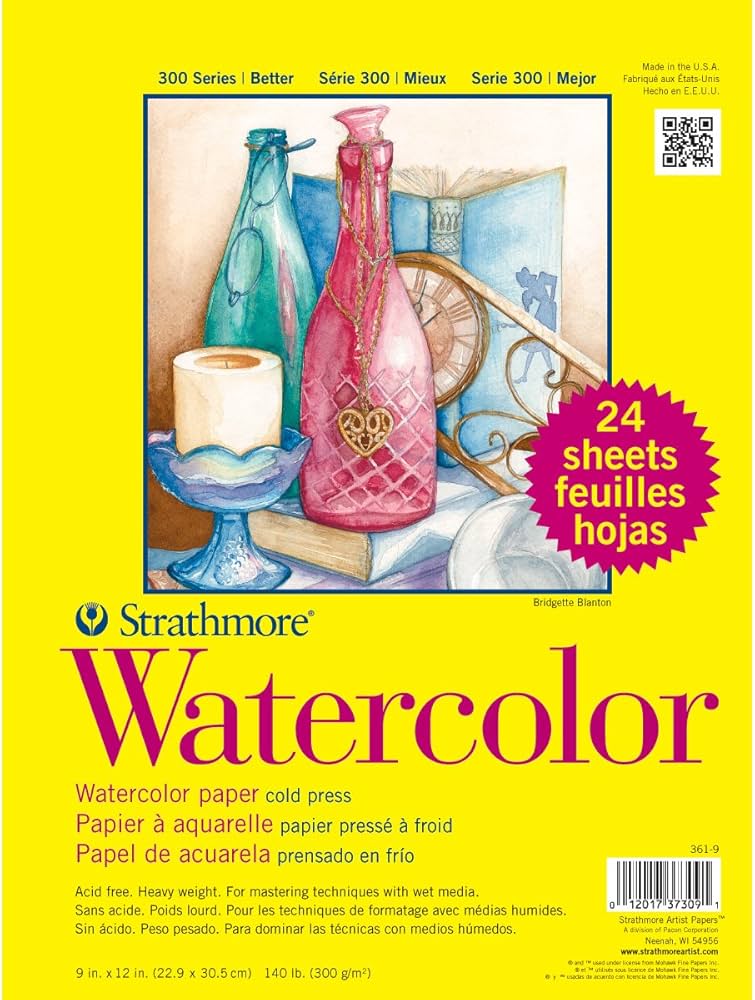
Strathmore 300 Series Watercolor Paper Pad, 9"x12"

⚠️ Essential

$9.99

When to buy:
Day one

Watercolor paper is the canvas for your art. The right paper absorbs water and allows colors to blend beautifully. This Strathmore pad is a classic beginner choice – it's affordable, has good texture, and is widely available. You'll need this on day one because paint reveals its true magic on quality paper.

Beginner Benefits:

  • Specially designed for watercolor – doesn't warp badly
  • Gives better color absorption than regular paper
  • Cold-pressed texture is forgiving for beginner washes
  • Affordable price makes it easy to practice freely

Princeton Velvetouch Watercolor Brush Set

👍 Recommended

$19.99

When to buy:
Day one (if your kit doesn't include a good brush)

While many kits include a brush, a good brush makes a world of difference. Princeton Velvetouch brushes are soft, hold water well, and spring back to a fine point – making it easier to control your strokes. A set of different sizes will cover all your practice needs.

Beginner Benefits:

  • Sharp points allow precise details
  • Hold a good amount of water, reducing frustration
  • Soft bristles are forgiving – don't damage paper
  • Multiple sizes help you experiment with different stroke widths

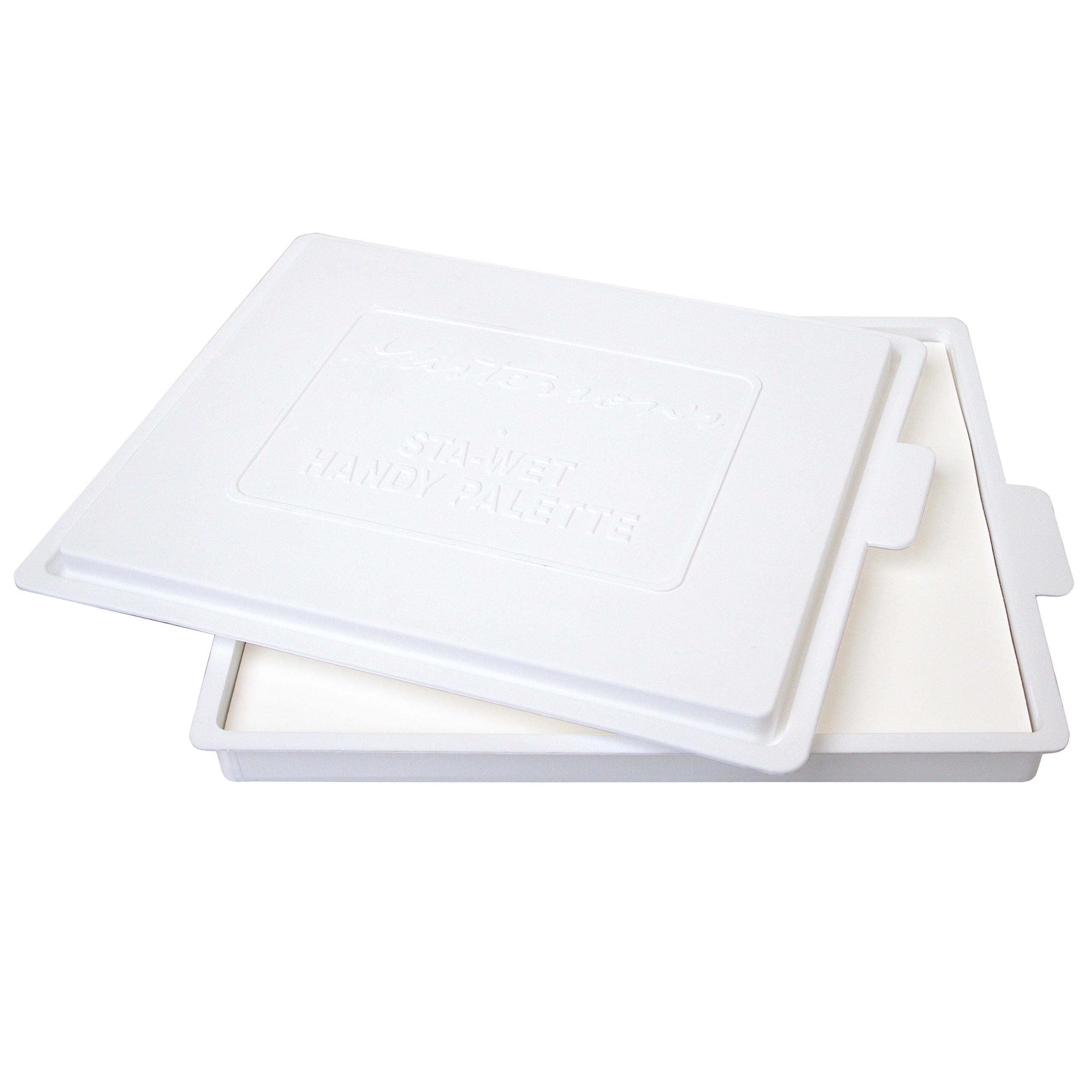
Masterson Sta-Wet Palette

💡 Nice to Have

$14.99

When to buy:
First month

A moist palette keeps your paints workable for hours or even days. This can be a game-changer if you like to paint in sessions and don't want to waste paint. It's also great for keeping your hues clean while mixing.

Beginner Benefits:

  • Prevents paints from drying out mid-session
  • Makes it easy to mix clean custom colors
  • Reduces paint waste – saves money over time
  • Ideal for longer practice sessions

Pentel Aquash Water Brush

👍 Recommended

$7.99

When to buy:
First month (or with the Sakura Koi set for travel)

If you're painting on the go, a water brush is a lifesaver because it holds water in its barrel – no need to dip into a cup. It gives you a steady water flow and is excellent for quick sketches, enhancing your portable watercolor experience.

Beginner Benefits:

  • Control water flow easily – perfect for precise washes
  • No need to carry a separate water container
  • Great for field sketching and travel
  • Simple to fill and clean

🤔 How to Choose Your First Watercolor Kit

Choosing your first watercolor kit is easier when you ask yourself a few simple questions. First, where will you be painting? If you'll mostly paint at home at a desk, a larger set is fine. If you want to travel or paint outdoors, look for a compact, all-in-one field kit. Second, how much do you want to spend? Beginners can get a perfectly good kit for under $50 – you don't need to spend hundreds. Finally, what subjects excite you? If you love floral or simple landscapes, you'll want at least a few earth tones and greens. If you're more into abstract or illustration, a set with a good range of bright colors will serve you well.

When deciding between budget, recommended, and premium, think about what's most important to you. The budget options are ideal if you just want to try watercolor without a big commitment. The recommended tiers – usually in the $25-$50 range – offer better quality paints and brushes, which means more vibrant colors and a more enjoyable experience. Premium beginner kits (around $50-$100) often include more colors, a nicer case, and even a few accessories like a water brush or color chart. These are great if you know you'll love watercolor and want to grow without upgrading soon.

There are also a few red flags to watch out for. Avoid super cheap kits that come with chalky, translucent colors and flimsy brushes – they're more likely to frustrate you. Also avoid buying a huge professional set before you've mastered the basics – you'll be overwhelmed and may not use most of the colors. The best approach is to choose a well-reviewed student-grade set that's specifically designed for beginners. These companies have already done the thinking for you, so you can spend your energy learning instead of second-guessing.

💰 Budget Guide for Beginners

25 - $50

Sweet spot – the best value for most beginners. This range offers good quality student-grade paints, often with 12-24 colors and a decent brush. You'll get vivid colors and a comfortable painting experience.

50 - $100

Premium beginner – these sets provide excellent color payoff, more colors, and often include extras like a water brush or extra pans. Ideal for those who want a kit they can use for several years.

100 - $Plus

Professional entry – high-end student or artist-grade sets with superior pigmentation and archival quality. Great for committed beginners ready to explore advanced techniques, but not necessary unless you know you'll continue for a long time.

Under $ - $25

Entry level – perfect for trying out watercolor without investment. Kits in this range often include basic pan colors and a brush, but may have lower pigmentation and fewer colors. Good for testing interest and learning basics.

⚠️ Common Beginner Mistakes to Avoid

Many beginners rush into buying the cheapest set they can find, which often results in chalky, washed-out colors that make you think you can't paint. Others overspend on a massive professional set, only to be overwhelmed by the choices. A common oversight is forgetting to buy proper watercolor paper – applying watercolor to standard computer paper will turn even a master's painting into a soaked mess.

Another pitfall is mixing colors directly on the watercolor pan itself. This can contaminate your pans and produce muddy blends. Instead, always use a dedicated palette. Beginners also tend to use too much water, causing the paint to be too dilute and runny. Practice a few basic techniques like a flat wash and a gradient wash before attempting a full painting.

To avoid these mistakes, start with a well-rounded kit from a reputable brand in the $25-$50 range. Such kits are designed with beginners in mind, often including the right colors, a usable brush, and a palette. Always have a set of watercolor paper, and don't be afraid to use painter's tape to secure your paper. Remember, watercolor is a learning journey – every master was once a beginner.

  • ×Buying too cheap – weak colors and flimsy brushes that cause frustration
  • ×Buying too many colors – overwhelming and hard to manage, making painting feel like a science project
  • ×Skipping watercolor paper – using regular printer paper that buckles and creates muddy pools
  • ×Neglecting to buy a good brush – using the flimsy brush from a cheap kit
  • ×Choosing tubes before pans – creating a mess and wasting paint
  • ×Not using a palette – trying to mix right on the edge of the pan, causing muddy colors
  • ×Ignoring water quality – using dirty water that muddies colors
  • ×Not fastening paper – allowing the paper to shift while working and warp from moisture

📈 Your Progression Path: Beginner to Intermediate

As a beginner, your first goal is to become comfortable with basic techniques: working with water, creating smooth washes, and controlling the flow of pigment. Spend your first few weeks making simple color swatches, practicing wet-on-wet, and painting light exercises. In your second month, start creating complete small paintings – flowers, skies, practicing leaves. This is when you'll begin to understand your kit's strengths and limitations.

Once you've finished your first sketchbook or pad of paper, you'll have outgrown your beginner status. This might happen after 3-6 months of consistent practice. You'll find yourself reaching for more colors or wanting to try a different brush shape. That's the moment to consider upgrading – not before.

When you're ready to advance, you can invest in better brushes (like a size 8 round or a flat brush for washes), upgrade to artist-grade paints, and start experimenting with techniques like glazing and layering. Many beginners also enjoy joining online classes or challenges. Remember to enjoy the process; watercolor is a lifelong skill that you can always refine. With consistent practice, you'll move from simply completing a painting to truly expressing yourself.

🎯 Bottom Line: Our Recommendations

For most beginners, the absolute best pick is the Winsor & Newton Cotman Water Colour Paint Set – it offers a solid color range, great quality, and a trusted name at a price that won't break the bank. If you want the convenience of an all-in-one kit for travel, the Sakura Koi 24-Color Field Set is an excellent alternative. If you're on a tight budget, the Prina 50 Color Set lets you get started for under $20, though you'll likely want to upgrade sooner.

On the premium side, the Kuretake Gansai Tambi 36 Color Set is a beautiful investment that will carry you far beyond the beginner stage. Whichever you choose, don't forget to pair it with quality watercolor paper – it truly makes a difference. If your kit doesn't include a good brush, add a Princeton Velvetouch set to your cart.

Remember, the best kit is the one you'll actually use and enjoy. Start with these recommendations, practice basic techniques, and you'll be amazed at your progress. Welcome to the watercolor family – we're so glad you're here!

❓ Frequently Asked Questions

The overall best watercolor kit for beginners is the Winsor & Newton Cotman Water Colour Paint Set with 12 half pans. It offers excellent student-grade quality, a practical color selection, and is designed to be easy to use and mix. If you prefer an all-in-one travel set, the Sakura Koi 24-Color Field Set is also incredibly popular.
You can get a perfectly good beginner watercolor kit for $25-$50. In this range, you'll find sets from trusted brands that offer vibrant colors and decent brushes. Avoid going below $15 because extremely cheap kits often have frustrating paint quality. Spending more than $100 as a beginner isn't necessary – put that money toward good paper and practice instead.
Beginners should look for pan-style paints, 12-24 colors, a round brush (if included), a built-in palette, and a sturdy case. Easier to control, clean, and travel with. Avoid kits with tubes unless you already know you prefer them.
The Sakura Koi 24-Color Field Set is often considered the easiest for beginners because it includes a water brush, which eliminates the need for a separate water container. It also has a very clear palette layout and compact design that makes painting simple and convenient.
At minimum, you need watercolor paper, a brush (if not included), and a palette. Absolutely essential is paper – regular paper will frustrate you. A good brush set and a water brush are also highly recommended. A sta-wet palette is a nice-to-have for extended sessions.
Start by thinking about where you'll paint and your budget. If you'll paint at home, a traditional pan set with a palette works well. If you're always traveling, choose a field set. Pick a kit from a reputable brand within your budget, and aim for 12-24 colors. Read reviews and look for one that says 'beginner-friendly' or 'student-grade.'
Watercolor is easy to start but challenging to master. The basic materials are simple – paint, water, brush, paper – and you can create gentle washes right away. However, controlling water-to-pigment ratio takes practice. With a good beginner kit and a little patience, you'll see fast progress.
Common mistakes include buying too cheap or too expensive, not using watercolor paper, mixing directly on the pan, using too much water, and giving up because initial paintings don't match expectations. Avoid these by starting with a reliable student-grade set, practicing techniques, and embracing mistakes as part of learning.
Pans are definitely the better choice for beginners. They're pre-dosed, easy to activate with water, and ideal for learning. Tubes require a separate palette, more cleanup, and can be overwhelming. Many artists start with pans and later add tubes for specific colors.
A set of 12 colors is excellent – it forces you to learn mixing. Sets with 24-36 colors offer more variety but can be overwhelming. Choose 12-24 for the sweet spot. With just 12 colors, you can mix thousands of shades using primary colors plus a few earth tones.
For beginners, buying a complete set is almost always better and more affordable. It ensures compatibility and saves decision fatigue. Individual items are best reserved for when you outgrow your set and know exactly what you need to upgrade.

Related Articles