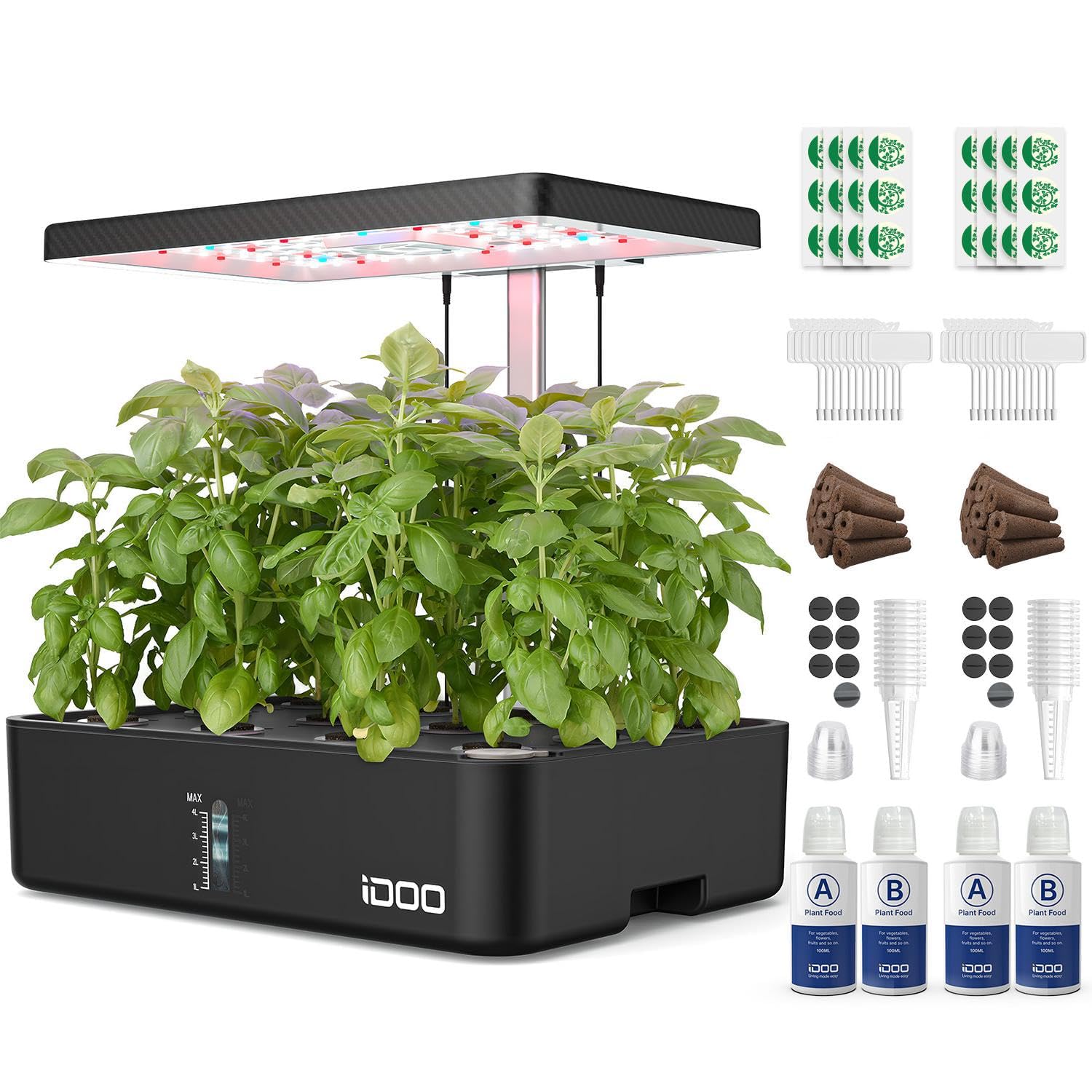
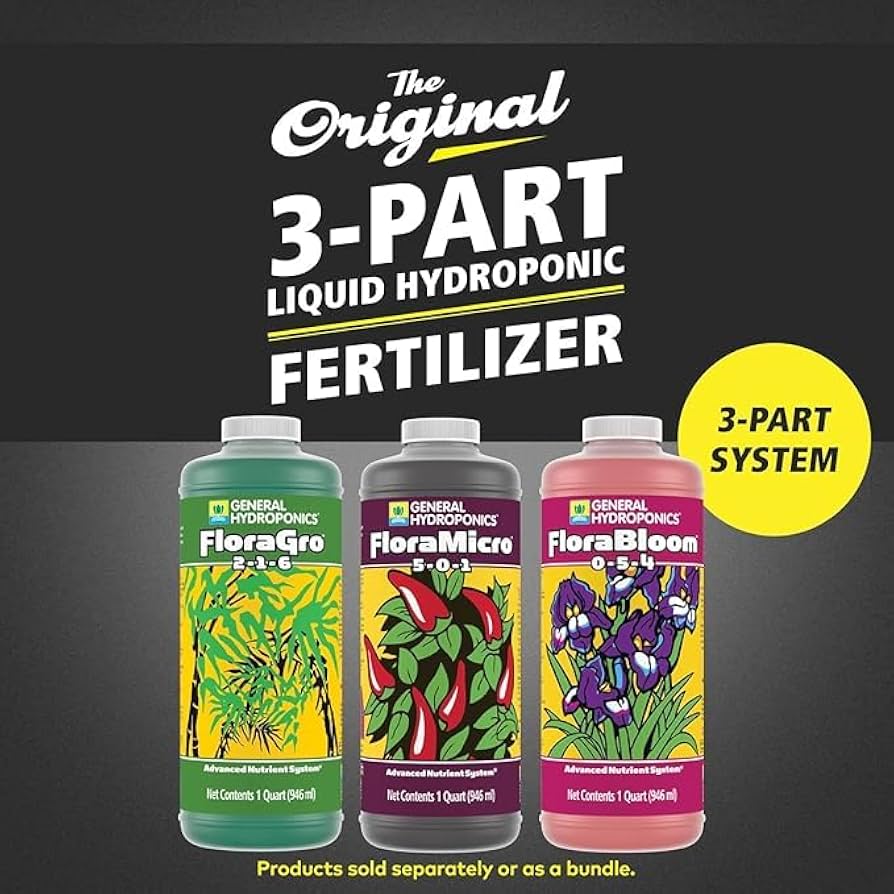
Hydroponics is simply growing plants without soil, using a water-based nutrient solution instead. At its core, a hydroponics kit provides three things: water, nutrients, and light. The plant's roots absorb the nutrient-rich water directly, which often results in faster growth than soil because the plant doesn't have to search for food.
There are several types of hydroponic systems. Deep Water Culture (DWC) is the most common for beginners—the plant roots hang directly into a reservoir of oxygenated water. It sounds technical, but in practice it means the kit does most of the work for you. The nutrient film technique (NFT) is another type, where a thin stream of water flows over the roots, but it's more sensitive to pump failures. Wick systems are the simplest of all, with no pumps or electricity, but they're best for small herbs and tend to be less productive.
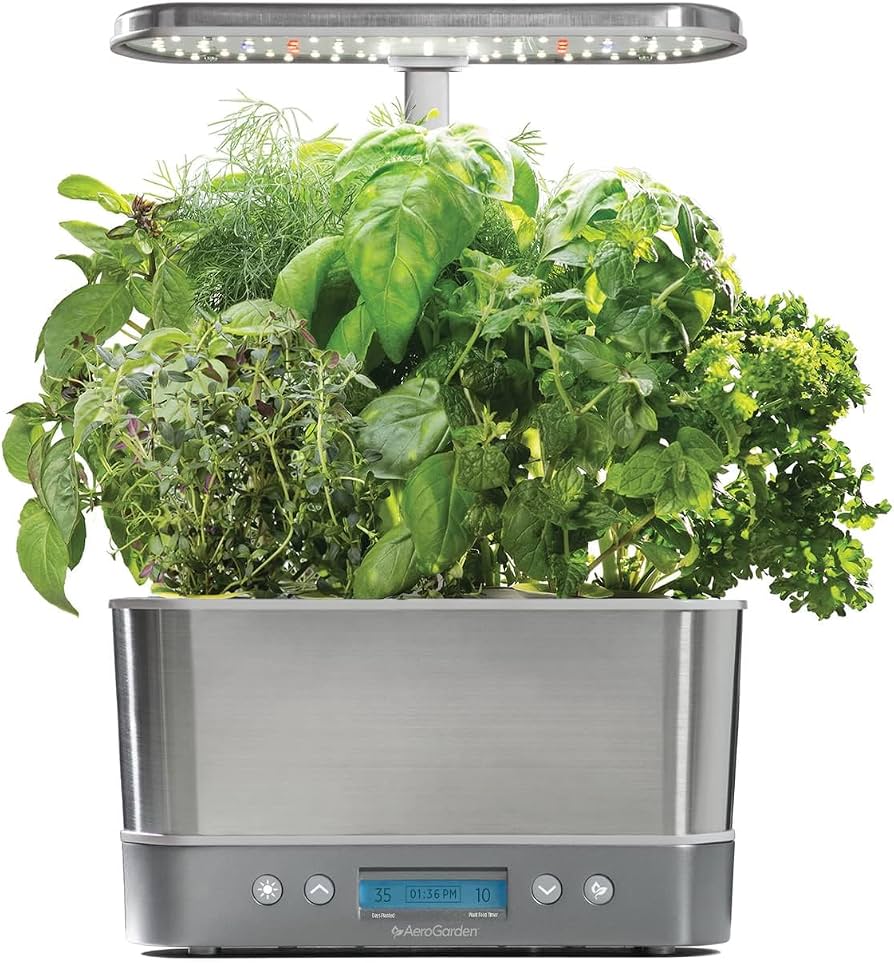
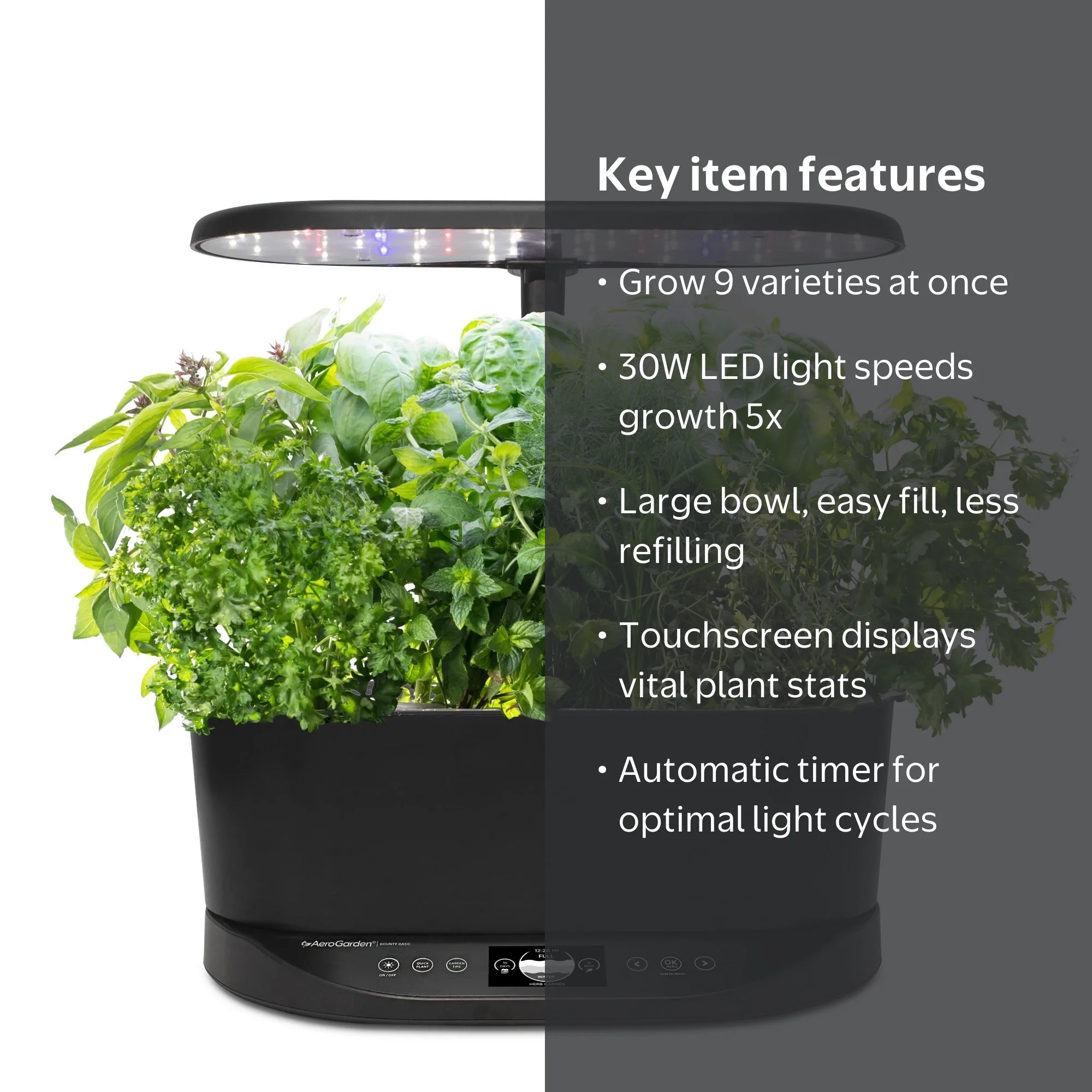
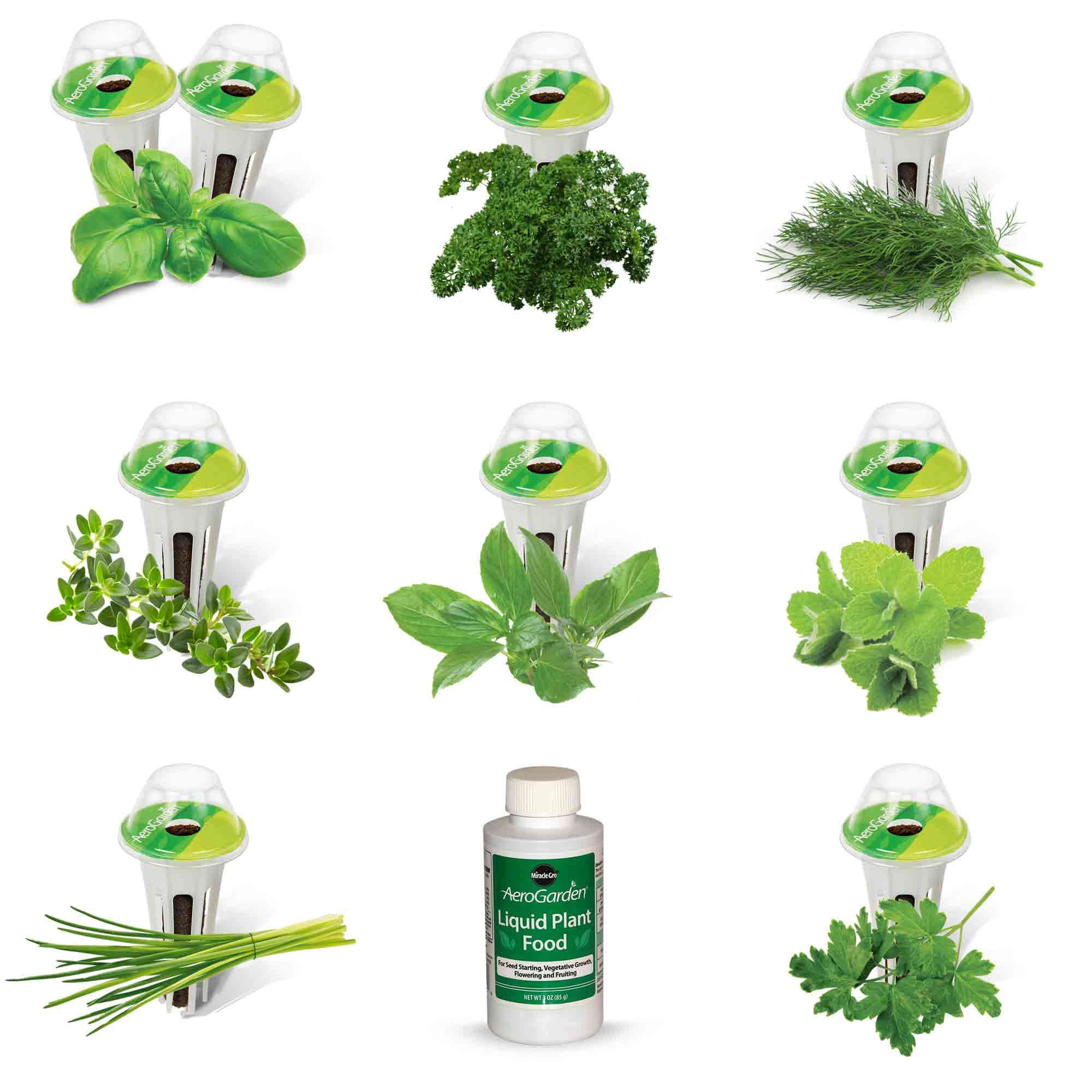
For beginners, DWC-based countertop kits are the clear winner. They're extremely forgiving, require minimal maintenance, and the self-contained design means you don't have to build anything. Most popular indoor kits like the AeroGarden line use a modified DWC approach—they include a pump for water circulation, LED grow lights, and automatic reminders.
Here's what a realistic first experience looks like: You set up the kit, add water and nutrients, insert seed pods, and plug it in. The light comes on automatically for the right number of hours. You check the water level every few days and top it off. About one to two weeks later, seeds sprout. After a month, you're harvesting herbs and salad greens. That's the typical journey—not a daily science experiment.
When evaluating options, look at how many plants the system supports. Four to six planting spots is ideal for a beginner—enough to grow a few different things, but not so many that you feel overwhelmed maintaining it. Also, ignore marketing words like 'professional' or 'heavy-duty.' They rarely mean anything for a small home system. Instead, read user reviews that specifically mention ease of use, customer support, and how quickly first-time users succeeded.