Is Best Succulent Kit for beginners Worth It? Honest Review (202…
Everything beginners need to know to choose their first Succulent Kit with confidence.
Starting your succulent journey is exciting, but with so many kits on the market, it's easy to feel overwhelmed. You might worry about choosing the wrong kit, killing your plants, or wasting money. This guide is designed to cut through the noise and help you pick the perfect succulent kit for your needs. We'll cover what to look for, common mistakes, and the best kits available on Amazon—all in simple, beginner-friendly language. By the end, you'll feel confident and ready to start growing.
📋 In This Guide
• Why Beginners Struggle with Succulent Kit
• What to Look For (Key Features)
• Top 5 Beginner-Friendly Succulent Kit
• Essential Accessories for Beginners
• Common Beginner Mistakes to Avoid
• Your Progression Path
• FAQ & Learning Resources
😰 Why Beginners Struggle with Succulent Kit
Many beginners are drawn to succulents because they're marketed as 'easy' plants, but they quickly discover that without the right setup, succulents can rot, stretch, or die. Common struggles include overwatering (the number one killer), poor drainage, insufficient light, and using the wrong soil. The sheer variety of kits—some with seeds, others with live plants, some with ceramic pots vs. plastic—adds confusion. Plus, jargon like 'well-draining soil,' 'etiolation,' and 'bottom watering' can intimidate newcomers. Beginners often don't know which features are essential and which are gimmicks, leading to purchases that lack the basics for success.
🔍 What to Look For: Key Beginner-Friendly Features
For a beginner-friendly succulent kit, prioritize a few key things: a container with a drainage hole (or instructions for using it as a cachepot), a well-draining soil mix (preferably pre-mixed cactus/succulent soil), and live plants or fresh seeds (not old or generic). Avoid kits that include only tiny pots with no drainage or soil that looks like regular garden dirt. Look for clear instructions, preferably with care tips. A moisture meter or watering guide is a huge plus. Also consider the size: larger kits with 4-6 plants allow for mistakes, while mini kits may be too finicky. Finally, check customer reviews for mention of plant health upon arrival and beginner success stories.
✅ Essential Features for Beginners
•Drainage holes in pots to prevent overwatering
•Well-draining succulent soil mix
•Live, well-rooted plants (not seeds)
•Hardy species like Echeveria, Haworthia, or Sedum
•Clear care instructions including watering schedule
•Pots sized at least 3 inches for room to grow
🏆 Top 5 Best Succulent Kit for Beginners
#1
⭐ Top Pick👍 Recommended
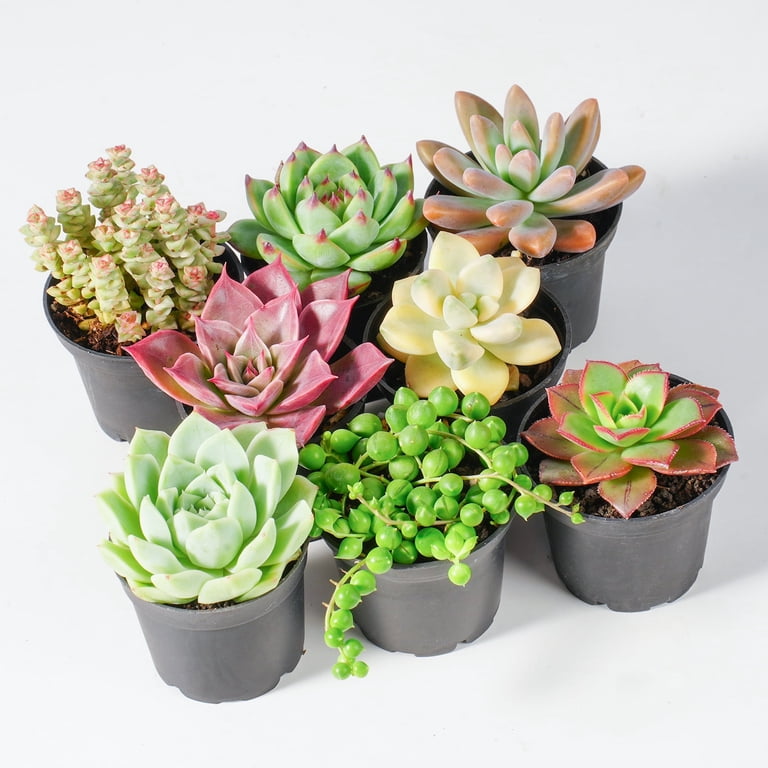
The Succulent Source 4-Pack Live Succulent Plants
Learning Curve: Easy
$29.99
Difficulty: 1/5
Why Great for Beginners:
Comes with 4 healthy, established succulents in 2.5-inch pots – perfect size for learning. Each plant is labeled for easy identification. Includes care guide.
✓ Beginner Pros
+Established plants reduce mortality
+Variety of hardy species
+Includes care instructions
+Pots have drainage
✗ Beginner Cons
-Soil may need extra perlite for faster drying
-No decorative outer pot
👍 Best for: Absolute beginners who want a no-fuss start
This kit includes 8 different succulents in 3-inch terracotta pots with drainage, plus a bag of premium succulent soil and decorative pebbles. Great variety for learning about different needs.
✓ Beginner Pros
+Large variety for experience
+Terracotta pots promote drying
+Includes soil and pebbles
+Good size pots
✗ Beginner Cons
-Some plants may be rootbound
-Pebbles can hold moisture if not used properly
👍 Best for: Beginners ready to care for multiple plants
A low-cost option for those who want to try growing from seeds. Includes seeds, soil pellets, and small peat pots. However, requires patience and careful watering.
✓ Beginner Pros
+Very affordable
+Includes everything for seeds
+Fun project
✗ Beginner Cons
-Seeds take weeks to germinate
-Easier to overwater
-Small pots with no drainage
👍 Best for: Patient beginners interested in seed propagation
👎 Not for: Immediate gratification seekers or those prone to overwatering
A premium kit with 12 large, rare succulents in 4-inch glazed ceramic pots with drainage, plus premium soil, pebbles, and a moisture meter. Excellent for beginners who want a high-end start and can invest more.
✓ Beginner Pros
+Large, healthy plants
+Includes moisture meter
+Ceramic pots with drainage
+Rare species
✗ Beginner Cons
-Higher price
-Larger pots may need more space
👍 Best for: Serious beginners with a higher budget
👎 Not for: Budget-conscious or those with limited space
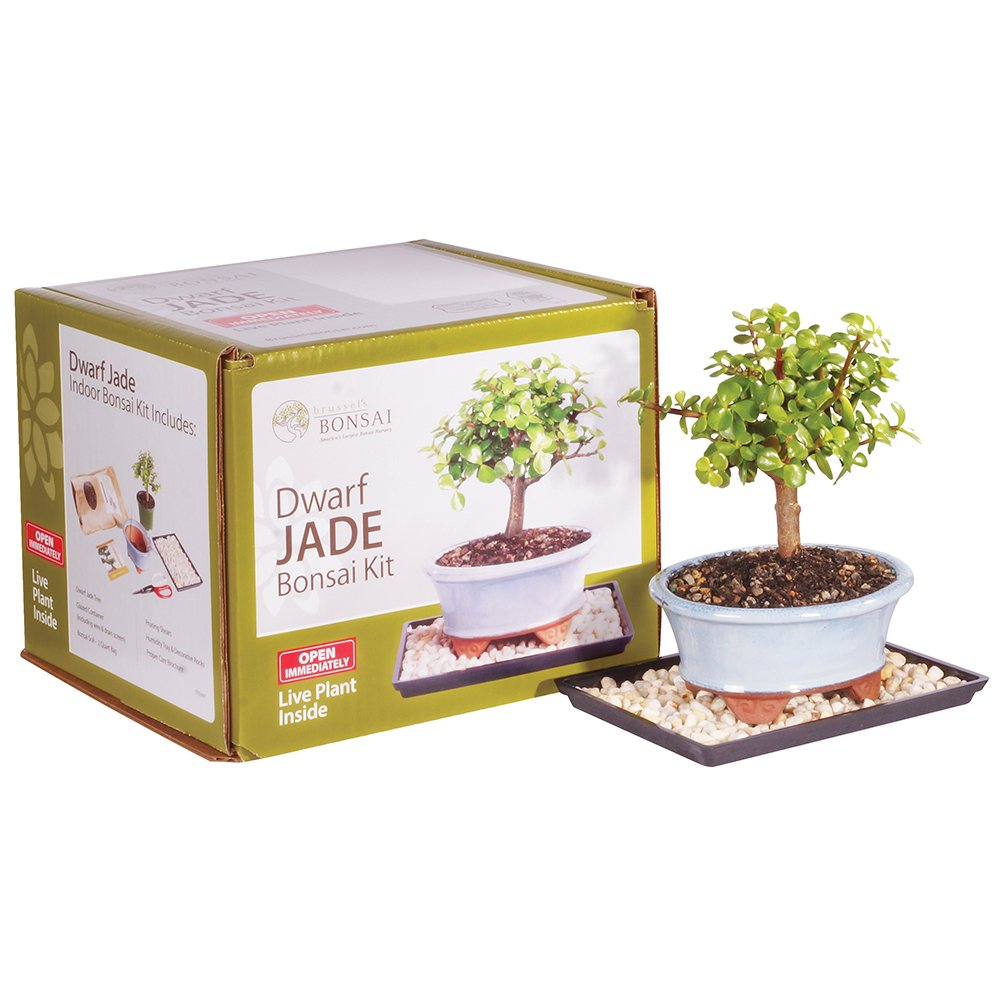
This kit includes a bonsai-style succulent arrangement with a tray, perfect for desk or shelf. The plants are pre-arranged in a shallow dish with drainage holes.
✓ Beginner Pros
+Unique bonsai style
+Ready-displayed
+Drainage tray included
✗ Beginner Cons
-Shallow pot may dry quickly
-Limited plant variety
👍 Best for: Those wanting a decorative desk plant
👎 Not for: Beginners wanting to learn repotting or propagation
A succulent kit typically includes small succulents (or seeds), pots, soil, and sometimes decorative pebbles or tools. The two main types are 'live plant kits' and 'seed kits.' For absolute beginners, live plant kits are highly recommended because you start with established plants that are easier to care for than seedlings. Seed kits are more challenging and require patience. When evaluating a kit, look at the species included: hardy varieties like Echeveria, Haworthia, and Sedum are more forgiving. The pot material matters: clay (terracotta) is porous and helps soil dry faster, which is ideal for succulents. Glazed ceramic or plastic retains moisture longer, so you must water less often. Beginner-friendly means forgiving of occasional neglect—so terracotta is best. Also consider whether the kit comes with a tray to catch water. 'Beginner-friendly' marketing often includes words like 'easy care,' 'survive neglect,' and 'live plants guaranteed.' Always read reviews for real-world experiences.
🔧 Essential Accessories for Beginners
Succulent-specific Potting Soil
⚠️ Essential
$12.99
When to buy:
Day one
Regular potting soil retains too much moisture and causes rot. This pre-mixed soil includes perlite and sand for fast drainage, perfect for beginners who don't want to mix their own.
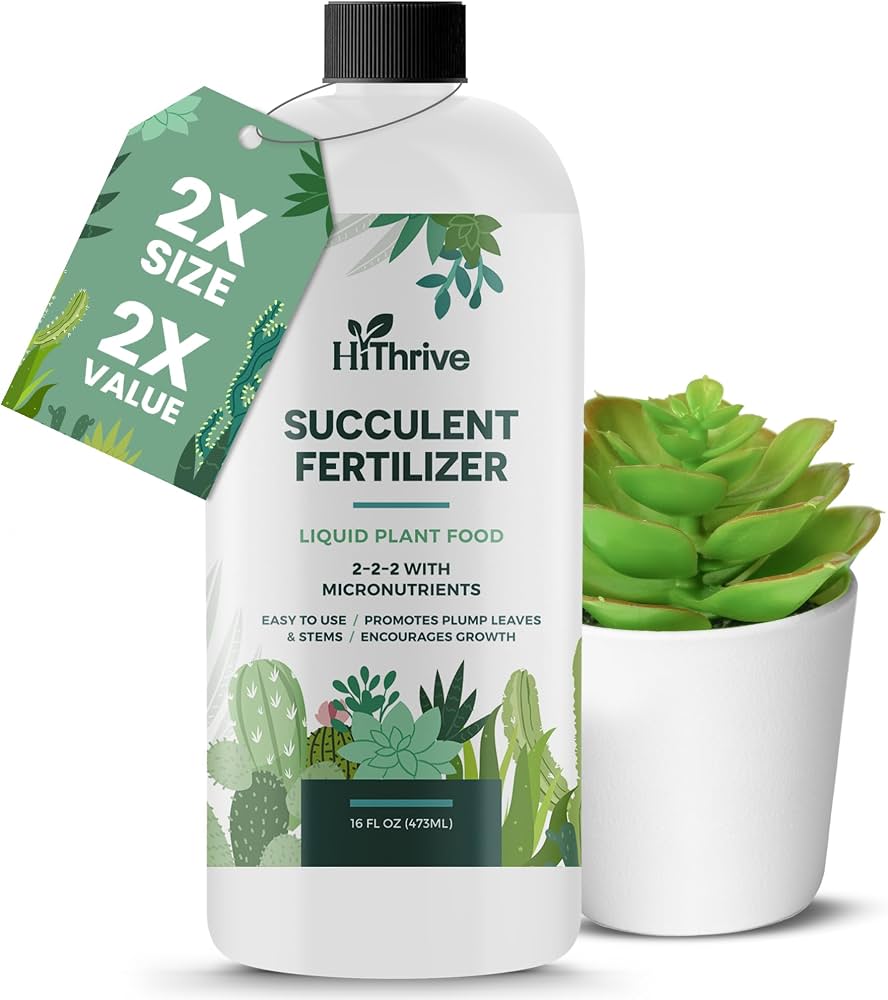
Encourages healthy growth during active seasons. Beginners often forget to fertilize, but a balanced liquid fertilizer can be added to water every few months.
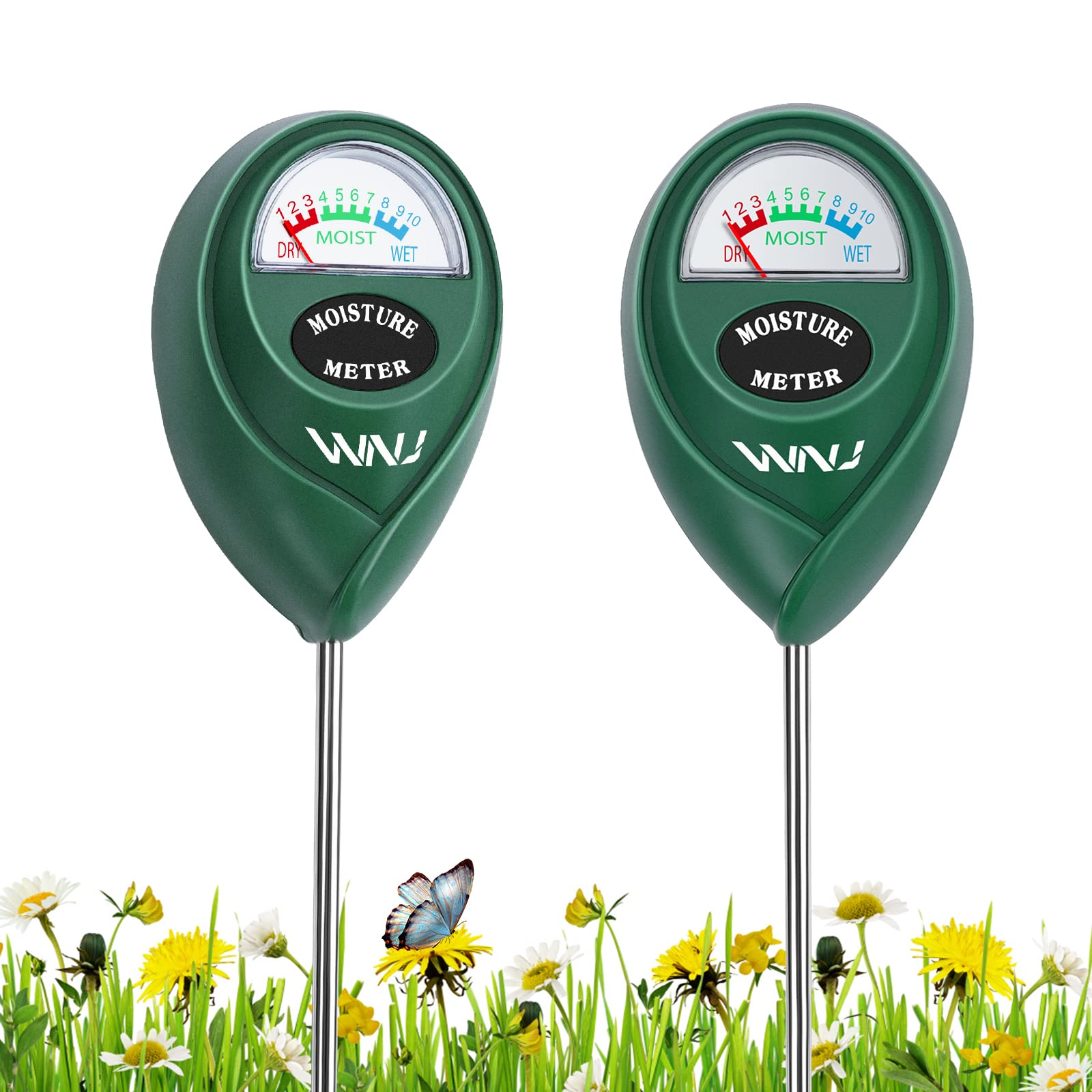
Takes the guesswork out of watering. Simply insert the probe into the soil and read whether it's dry, moist, or wet. Prevents both overwatering and underwatering.
If your kit's pots lack drainage or are too small, these terracotta pots provide the ideal environment. Porous and with drainage holes, they reduce overwatering risk.
Start by asking yourself: Do I want live plants or seeds? Live plants are better for learning. What is my light situation? Succulents need bright indirect light or a grow light. My budget? Most good beginner kits cost between $20 and $50. Avoid the cheapest kits (under $15) as they often use poor materials or weak plants. Also consider future growth: look for kits with pots at least 3-4 inches in diameter so plants have room to grow. Red flags include kits with no drainage holes, soil that's not labeled for succulents, or vague descriptions. If you have a tendency to overcare (water often), choose terracotta pots and a soil mix with extra perlite. If you're in a humid environment, prioritize drainage.
💰 Budget Guide for Beginners
20 - $45
Sweet spot – most beginner kits include live plants, proper pots, and soil; great value.
50 - $80
Premium beginner – larger kits with high-quality plants, decorative pots, and often a bonus like a moisture meter.
Under $ - $15
Entry level – cheap kits with small plants or seeds; may lack drainage; best for trying out with low expectations.
⚠️ Common Beginner Mistakes to Avoid
One of the biggest mistakes is overwatering because the kit's pot lacks drainage or the soil stays wet too long. Beginners also often remove the succulent from the nursery pot and put it directly into a decorative pot without drainage, causing root rot. Another mistake is choosing a kit with too many plants—they may outgrow the containers quickly or compete for light. Ignoring the importance of light is another: placing succulents in a dark room leads to etiolation (stretching). Finally, beginners sometimes buy a kit that includes seeds thinking it's easier, but seeds require precise conditions and take months to grow into small plants, leading to disappointment.
×Overwatering due to lack of drainage or poor soil
×Choosing seed kits thinking they are easier
×Ignoring light requirements, leading to stretched plants
×Repotting into non-draining decorative pots
×Buying tiny kits that don't allow for mistakes
×Not checking reviews for plant health upon arrival
📈 Your Progression Path: Beginner to Intermediate
Start with a live plant kit and focus on mastering watering and light. Learn to recognize signs of overwatering (yellow, mushy leaves) and underwatering (wrinkled, shriveled leaves). After a few months, you can repot into larger containers and explore propagation by leaf cuttings. Once you're comfortable, you can try a seed kit or expand your collection with more exotic species. The next step is investing in a grow light if natural light is limited. You'll know you've outgrown beginner gear when you're successfully propagating, experimenting with bonsai techniques, or needing specialized soil mixes.
📚 Learning Resources for Beginners
📖The Succulent Manual by Andrea Afra (Amazon book)
📖Succulents for Beginners by Various Authors (Amazon book)
📖YouTube channels like Succulent City for visual guidance
📖Local succulent society workshops (not on Amazon)
🎯 Bottom Line: Our Recommendations
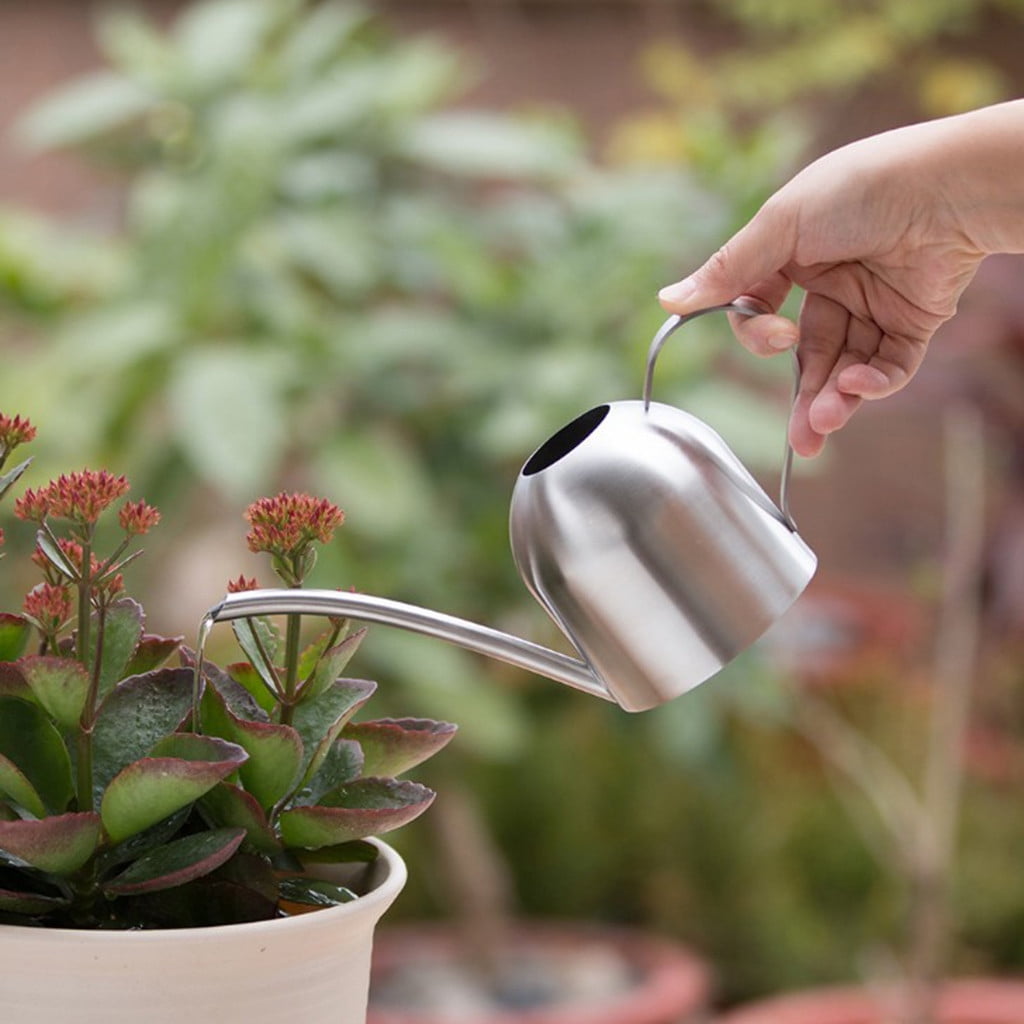
For most beginners, the best overall succulent kit is one that includes live plants, terracotta pots with drainage, a proper soil mix, and clear instructions. The recommended tier offers the best value. If you're on a tight budget, the budget pick is a good starting point but may require extra care. For a premium experience, choose a kit with larger, healthier plants and decorative pots. Don't forget essential accessories like a watering can with a narrow spout and a moisture meter. Remember: succulents thrive on neglect—water sparingly, give them light, and they will reward you. Start small, learn, and enjoy the journey!
❓ Frequently Asked Questions
The best kit for most beginners is one with live, established succulents in pots that have drainage holes, plus a well-draining soil mix. A kit like 'The Succulent Source 4-Pack' offers great value and is forgiving.
Aim for $20-$50. Kits under $15 often have poor materials or seeds, while premium kits over $70 are nice but not necessary for learning.
Drainage holes, well-draining soil, live plants (not seeds), and clear care instructions. A moisture meter is a helpful addition.
Kits with hardy species like Echeveria, Haworthia, and Sedum in terracotta pots. The 'Pupsik Select 8-Pack' is very forgiving due to its terracotta pots and diverse species.
A moisture meter (essential), a narrow-spout watering can, and possibly extra well-draining soil. Fertilizer is optional but helpful.
Consider your light availability, budget, and whether you want live plants or seeds. Start with a live plant kit with drainage holes, read reviews, and avoid kits that look too tiny.
No, if you choose the right kit and follow care basics: water sparingly (only when soil is dry), provide bright indirect light, and ensure drainage. Many find succulents easier than other houseplants.
Overwatering, using non-draining pots, placing in low light, and choosing seed kits thinking they are easier. Also, ignoring the need for succulent-specific soil.
No, regular potting soil holds too much water. Use a cactus/succulent mix with perlite or sand for drainage.
Most succulents need bright, indirect sunlight. Direct afternoon sun can scorch leaves. An east- or west-facing window is ideal.
Only when the soil is completely dry. Beginners can use a moisture meter to check. In a typical home, this might be every 1-2 weeks in summer, less in winter.
Stretching (etiolation) means they need more light. Move them closer to a window or invest in a grow light.