Is Best Spinning Rod for beginners Worth It? Honest Review (2026)
Everything beginners need to know to choose their first spinning rod with confidence.
If you're new to fishing, choosing your first spinning rod can feel overwhelming. With dozens of brands, lengths, actions, and price points, it's easy to get lost in technical jargon. But here's the good news: picking the perfect beginner spinning rod is simpler than you think. This guide cuts through the noise, explains what truly matters for newcomers, and recommends only the best rods for beginners—so you can start fishing with confidence, not confusion.
📋 In This Guide
• Why Beginners Struggle with Spinning Rod
• What to Look For (Key Features)
• Top 4 Beginner-Friendly Spinning Rod
• Essential Accessories for Beginners
• Common Beginner Mistakes to Avoid
• Your Progression Path
• FAQ & Learning Resources
😰 Why Beginners Struggle with Spinning Rod
Most beginners struggle because of information overload. Terms like 'action,' 'power,' 'modulus,' and 'line weight' are thrown around without explanation. Many new anglers also fear buying the wrong rod—one that's too stiff, too flimsy, or simply not suited for the kind of fishing they want to do. The sheer variety of options (ultralight vs. medium-heavy, 5' vs. 7') can paralyze decision-making. Plus, common advice often targets experienced anglers, leaving beginners with tips that assume knowledge they don't yet have.
🔍 What to Look For: Key Beginner-Friendly Features
As a beginner, you want a rod that is forgiving, easy to cast, and versatile enough for multiple fishing situations. Key features include: a medium power (good for most freshwater fish like bass, trout, panfish), a fast action (gives good hook‑setting power while still being beginner‑friendly), and a length around 6'6" to 7' (balances casting distance and accuracy). Avoid rods labeled 'extra‑fast' or 'heavy'—they require more skill. Look for a rod with stainless steel guides and a comfortable, non‑slip handle. Most importantly, choose one from a reputable brand that offers a warranty or replacement policy. You don't need the most expensive rod; you need one that feels natural in your hands.
✅ Essential Features for Beginners
•Medium power – handles most freshwater fish without being too stiff
•Fast or moderate-fast action – good hook-setting yet forgiving
•Length 6'6" to 7' – balances distance and accuracy
•Stainless steel guides – durable and rust-resistant
•Comfortable EVA or cork handle – non-slip, reduces fatigue
•One or two pieces – two-piece for easier transport
•Manufacturer warranty – protects your investment
🏆 Top 4 Best Spinning Rod for Beginners
#1
💰 Budget
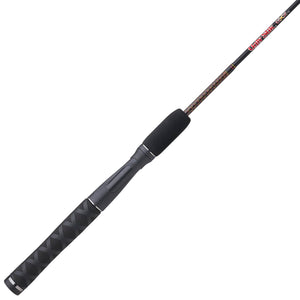
Shakespeare Ugly Stik GX2 Spinning Rod
Learning Curve: Easy
$49.99
Difficulty: 1/5
Why Great for Beginners:
The Ugly Stik GX2 is legendary for its durability and forgiving flex. It's affordable, available everywhere, and can handle abuse from beginners. The medium power works for most freshwater species.
✓ Beginner Pros
+Virtually unbreakable – perfect for learning
+Affordable price under $50
+Sensitive enough to feel small bites
+Comfortable EVA handle
+Lifetime warranty
✗ Beginner Cons
-Heavier than graphite rods
-Action is moderate – not ideal for finesse techniques
👍 Best for: Budgets under $50 and beginners who want a rod that can take a beating
👎 Not for: Anglers wanting a lightweight, ultra-sensitive feel
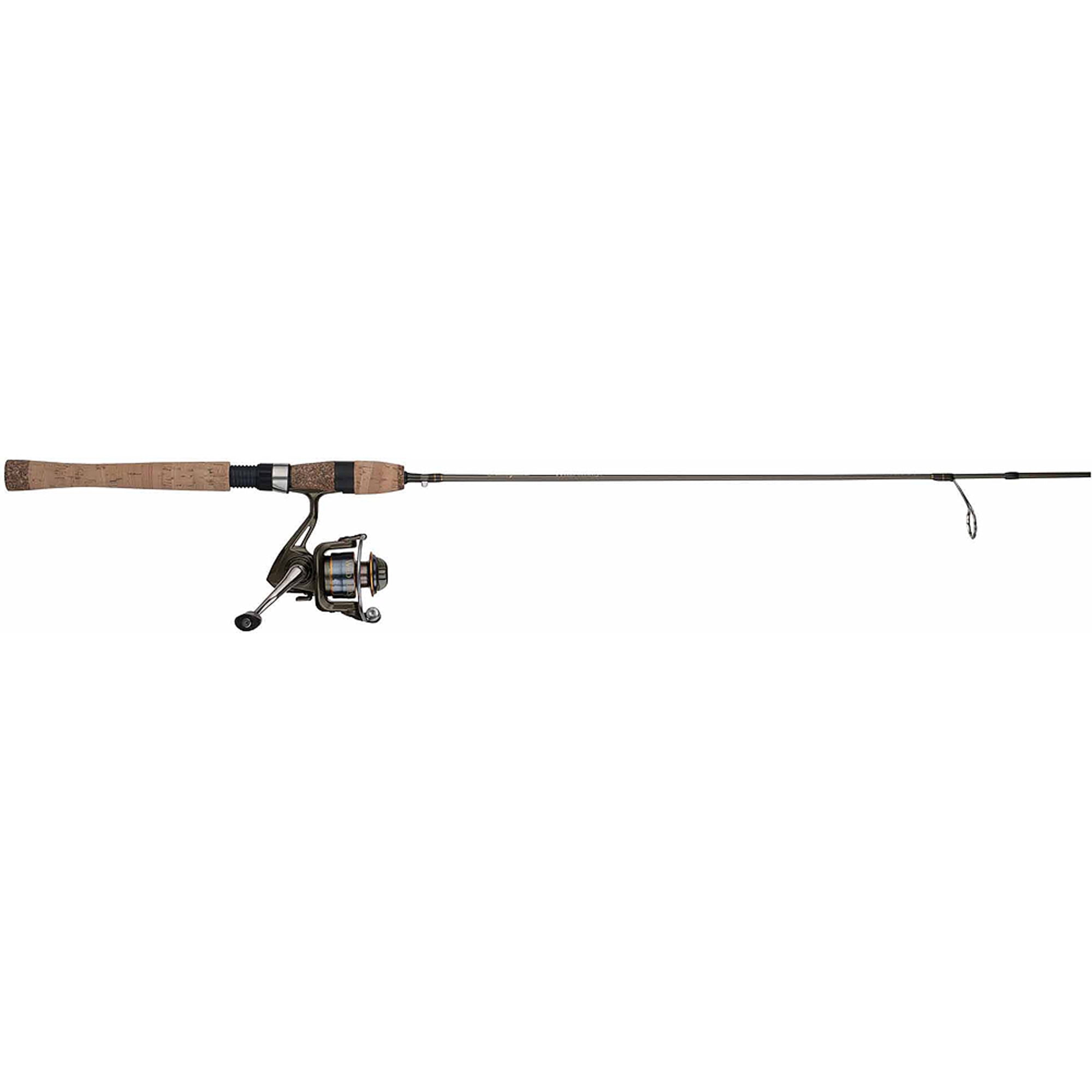
The Wild Series offers a graphite composite blank that's lighter and more sensitive than the Ugly Stik, at nearly the same price. Its fast action gives beginners a responsive feel without being too stiff.
✓ Beginner Pros
+Lightweight – reduces arm fatigue
+Fast action for better hook sets
+Stainless steel guides with ceramic inserts – smooth line flow
+Comfortable cork handle
+Good balance for its price
✗ Beginner Cons
-Not as rugged as the Ugly Stik
-Some users report tip breakage if handled too roughly
👍 Best for: Beginners who want a light, responsive rod without breaking the bank
👎 Not for: Anglers who often fish in heavy cover or abuse gear
An upgrade in sensitivity and weight while retaining Ugly Stik durability. The Elite feels more refined than the GX2 and is perfect for beginners ready to invest a bit more.
✓ Beginner Pros
+Lighter than standard Ugly Stik
+Better sensitivity for feeling light bites
+Fast action for improved casting accuracy
+Fuji guides – high quality
+Great warranty
✗ Beginner Cons
-Pricier than the GX2
-Still heavier than pure graphite rods
👍 Best for: Beginners who want a durable rod with improved feel
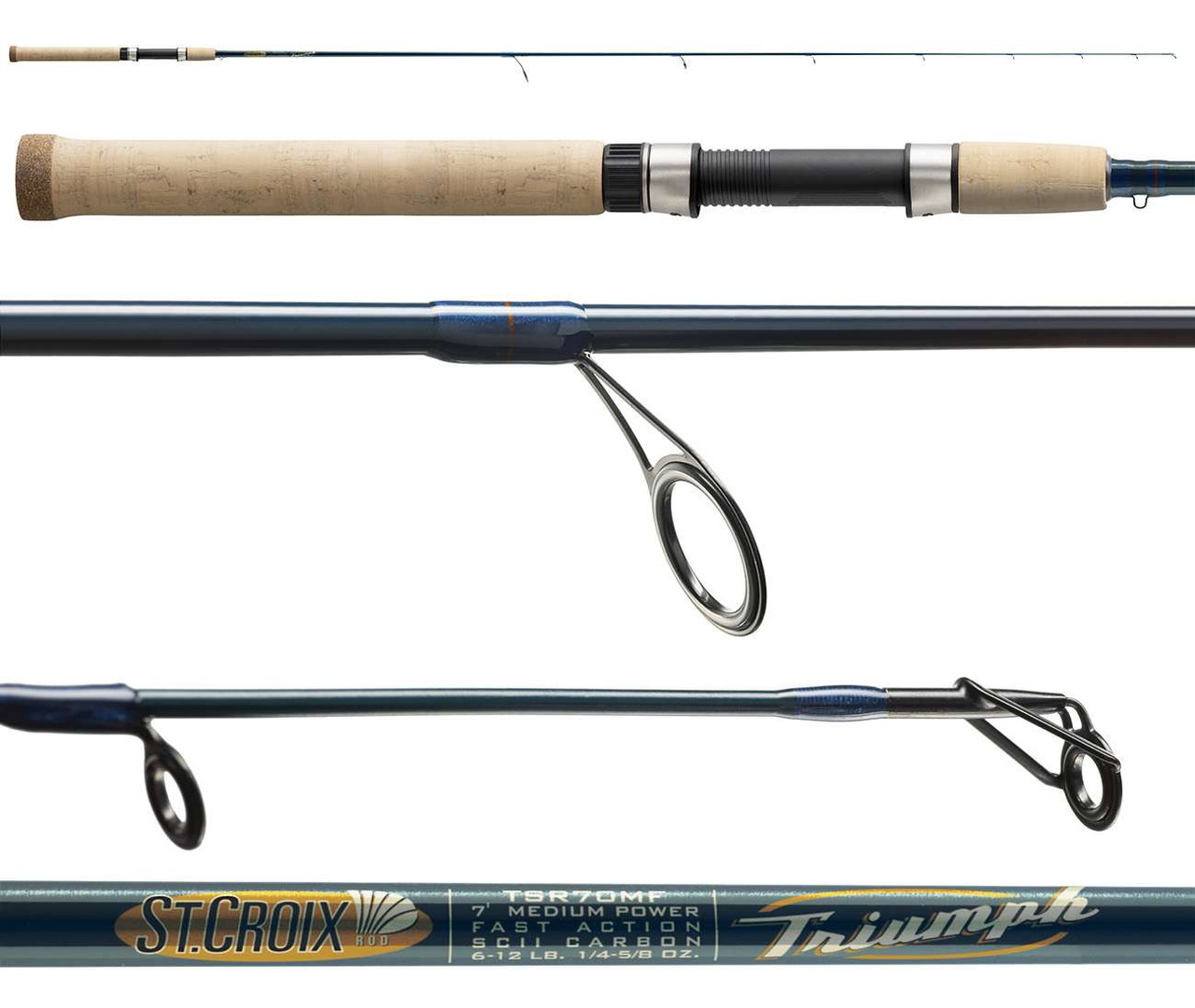
The Triumph is a high-quality American-made graphite rod that offers exceptional sensitivity and performance. Perfect for beginners who are serious about fishing and want a rod that will last years.
✓ Beginner Pros
+Premium SCII graphite – very sensitive
+Lightweight and well-balanced
+Fast action for accuracy
+Superior components (Fuji guides, cork handle)
+Made in USA – excellent quality control
✗ Beginner Cons
-Higher price may be overkill for casual anglers
-Requires careful handling to avoid breakage
👍 Best for: Dedicated beginners with a budget over $100 who want top performance
A spinning rod is a fishing rod designed to be used with a spinning reel (the reel hangs underneath the rod). It's the most common type for beginners because it's easy to cast and manage tangles. The rod's action describes how much the tip bends: 'fast' bends near the tip, 'moderate' bends more toward the middle, and 'slow' bends deep into the blank. For beginners, a fast or moderate‑fast action is ideal—it provides enough sensitivity to feel bites while being forgiving enough to avoid breakage. Power refers to the rod's lifting strength: light (for small fish), medium (for bass, walleye, panfish), heavy (for big fish like pike). A medium‑power rod covers 90% of beginner needs. Length affects casting: longer rods (7') cast farther, shorter rods (6') offer more accuracy. A 6'6" to 7' medium‑power, fast‑action spinning rod is the sweet spot for beginners. Don't worry about brand prestige; focus on reliable brands that stand behind their products.
🤔 How to Choose Your First Spinning Rod
Start by asking yourself: what kind of fish will I mostly target? If it's bass, trout, or panfish, a medium‑power rod is perfect. If you only fish small creeks for trout, a light‑power rod might work. Next, set a realistic budget. Beginners don't need to spend over $100—many excellent rods exist between $40 and $80. Finally, consider where you'll fish: from a boat, bank, or dock? A 6'6" rod works everywhere. Avoid rods with too many features you don't understand (e.g., 'micro‑wave guides' are not necessary). Red flags: rods that feel stiff or heavy when you hold them, guides that feel rough, or brands you've never heard of with no warranty.
💰 Budget Guide for Beginners
150+
Enthusiast entry: Top-tier materials (e.g., IM8 graphite), excellent sensitivity, and craftsmanship – for serious beginners with a larger budget.
40 - $80
Sweet spot: Best value – graphite composite rods with good sensitivity and reliable performance.
80 - $150
Premium beginner: Higher-quality graphite blanks, better components, and longer warranty – a rod you won't outgrow quickly.
Under $ - $40
Entry level: Basic fiberglass rods, fine for occasional use but may lack sensitivity and durability.
⚠️ Common Beginner Mistakes to Avoid
The most common beginner mistake is buying the cheapest rod possible (often $15‑$20). These rods break easily, cast poorly, and frustrate learning. The second mistake is buying a rod that's too specialized (e.g., a heavy‑action rod for catfish when you'll mostly fish for bluegill). Another mistake is ignoring the reel compatibility: spinning rods have a recommended reel size (usually 1000‑3000 for beginners). Beginners also often forget to buy line, hooks, and weights, thinking the rod alone is enough. Lastly, many buy based on flashy looks or brand hype rather than practical features.
×Buying the cheapest rod – often breaks and casts poorly
×Choosing too heavy or too light a power for target fish
×Ignoring reel compatibility – reel must match rod's line rating
×Forgetting essential accessories like line and hooks
×Focusing on looks over functionality
×Not checking warranty or return policy
📈 Your Progression Path: Beginner to Intermediate
Start by learning basic casting and knot tying with your beginner rod. Focus on feeling bites and setting the hook gently. Once you can consistently cast accurately and land fish, you'll notice the rod's limitations—perhaps you want more sensitivity for finesse fishing or more backbone for bigger fish. At that point (usually after a season), consider upgrading to a rod with better materials (graphite instead of fiberglass) or a specific action for your favorite technique. Intermediate anglers often keep a beginner rod for loaning to friends or for backup.
📚 Learning Resources for Beginners
📖Bass Fishing For Beginners by Dave Maas (book)
📖The Total Fishing Manual (paperback)
📖Pro Angler Tie‑Fast Knot Tying Tool
📖Fish Finder (educational poster)
📖Fishing Knots: How to Tie the Best Knots (pocket guide)
🎯 Bottom Line: Our Recommendations
For most beginners, the Ugly Stik GX2 (around $50) is the top pick—it's tough, versatile, and forgiving. If you have a slightly higher budget, the Shakespeare Wild Series offers smoother performance. Don't forget to pair it with a decent spinning reel (like a Pflueger President) and buy a spool of monofilament line (8‑10 lb test). With the right rod and a bit of practice, you'll be catching fish in no time. Start simple, have fun, and remember: every expert was once a beginner.
❓ Frequently Asked Questions
The Ugly Stik GX2 is widely considered the best for most beginners due to its durability, affordability, and forgiving action. If you can spend a bit more, the Ugly Stik Elite or St. Croix Triumph offer better feel.
Spending between $40 and $80 gives you a reliable rod that will serve you well. Avoid rods under $30 as they often break or perform poorly.
Look for medium power, fast action, 6'6" to 7' length, stainless steel guides, and a comfortable handle. Avoid overly specialized rods like heavy or ultra-light.
The Ugly Stik GX2 is the most forgiving – it's tough and flexes well, making it easy to learn casting and hook setting.
At minimum: a compatible spinning reel, monofilament line (8‑10 lb test), hooks and sinkers, and line cutters. A tackle bag is also recommended.
Identify the fish you'll target (e.g., bass, panfish), then pick a medium‑power, fast‑action rod around 6'6" to 7'. Set a budget of $40‑$80 and choose a reputable brand.
No – spinning rods are the easiest type to learn. With a little practice on casting and knot tying, you'll be catching fish quickly.
Buying too cheap, ignoring reel compatibility, buying too heavy or too light, and forgetting essential accessories like line and hooks.
6'6" to 7' is the most versatile length – good for shore, boat, or dock fishing. Shorter rods (5'6") are more accurate for small creeks.
Two‑piece rods are easier to transport and store. Most beginner rods come in two pieces and perform just as well as one‑piece rods.
Medium power (often labeled 'Medium' or 'M') is the best all‑around choice for freshwater fishing. It handles panfish, bass, and even small catfish.
Yes, spinning rods are designed for spinning reels. Match the reel size to the rod's line rating (e.g., size 2500 for medium rod).