#1
💰 Budget
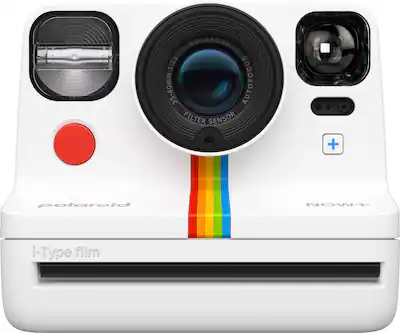
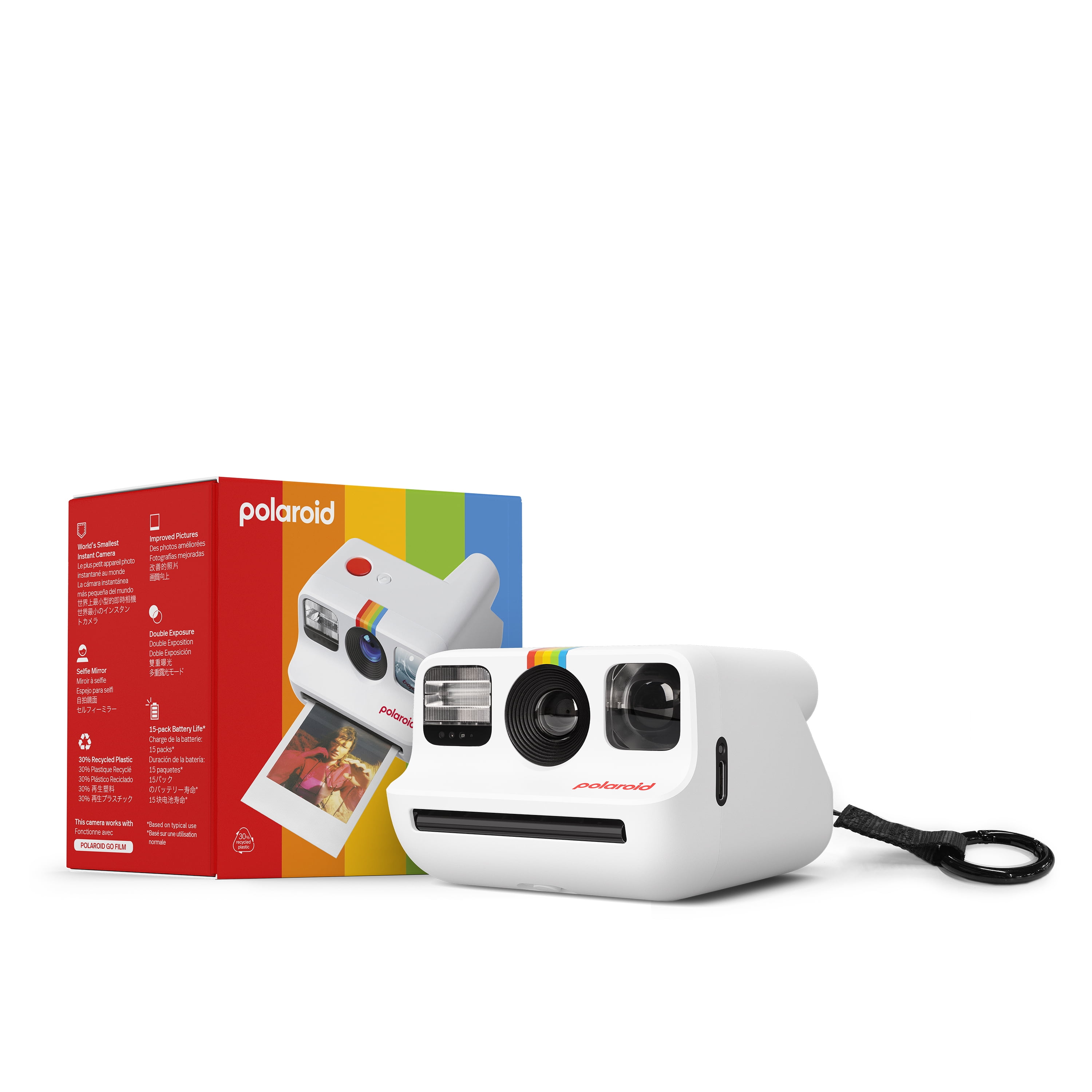
Polaroid Go Gen 2 Instant Camera
Learning Curve: Easy
$69.99
Difficulty: 1/5
Why Great for Beginners:
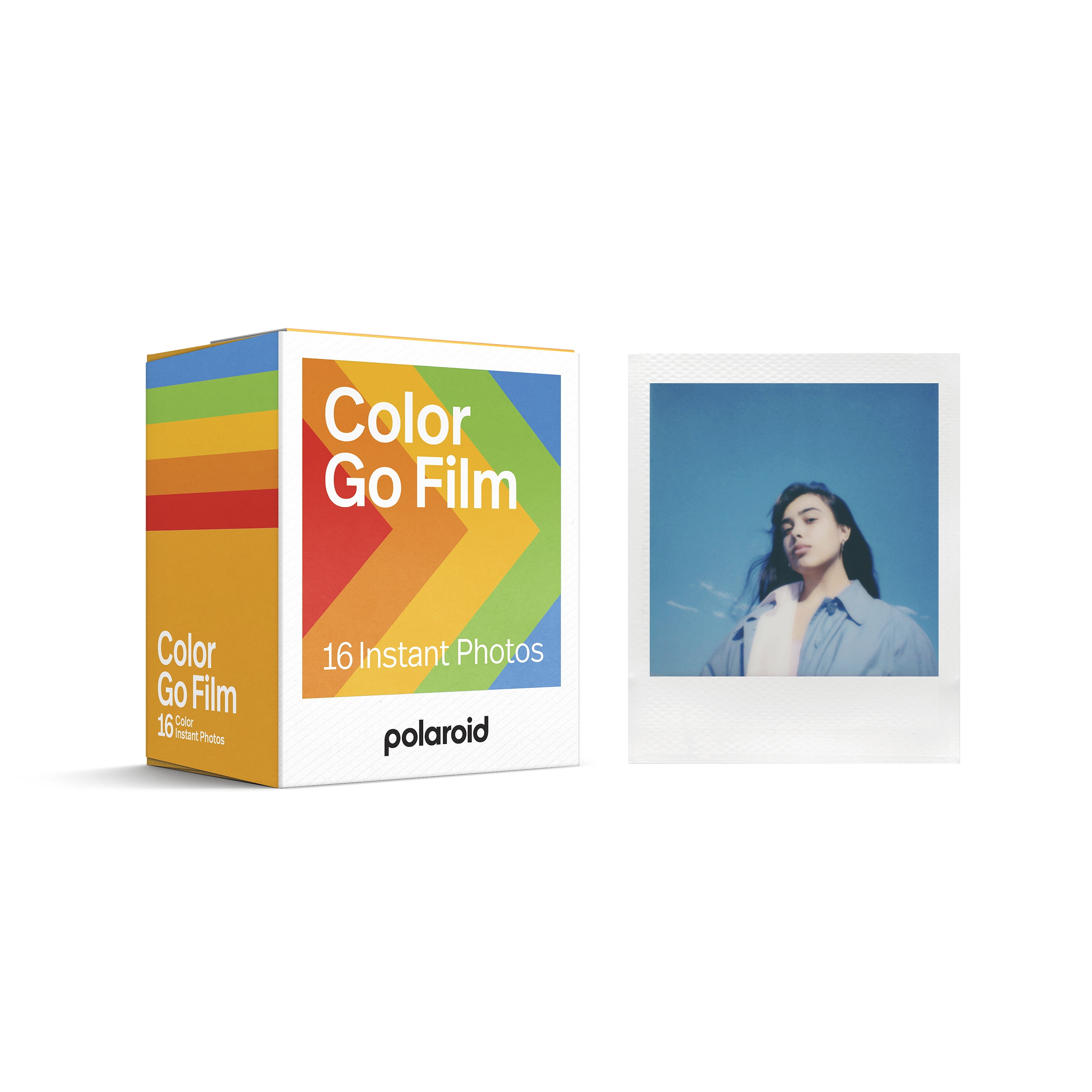
The Polaroid Go is tiny and portable, making it super easy to bring anywhere. It uses smaller, cheaper Go film (16 shots per pack), so you can practice more affordably. Automatic exposure and built-in flash make it a true point-and-shoot.
✓ Beginner Pros
- +Very compact and lightweight
- +Lower cost per photo with Go film
- +Simple automatic operation
- +Self-timer included
- +Fun, colorful design
✗ Beginner Cons
- -Smaller print size (credit-card size)
- -No double exposure feature
- -Limited creative controls
👍 Best for: Beginners who want a portable, affordable camera for everyday snapshots on a budget.
👎 Not for: Those who want standard-size prints or more creative features.