Review Atlas
Review AtlasYour guide to a better purchase

Menu

Shop by Category

Get the App

Better experience on mobile

Beginners GuidePhotography

Is Best Digital Camera for beginners Worth It? Honest Review (20…

Everything beginners need to know to choose their first Digital Camera with confidence

Choosing your first digital camera can feel overwhelming. With dozens of models, confusing specs, and prices ranging from a few hundred to several thousand dollars, it's easy to get stuck. But here's the truth: finding the right camera doesn't need to be complicated. This guide is built specifically for complete beginners—it will walk you through what to look for, what to avoid, and which cameras actually make learning fun and easy. You'll walk away feeling confident and ready to pick your first camera.

📋 In This Guide

  • • Why Beginners Struggle with Digital Camera
  • • What to Look For (Key Features)
  • • Top 4 Beginner-Friendly Digital Camera
  • • Essential Accessories for Beginners
  • • Common Beginner Mistakes to Avoid
  • • Your Progression Path
  • • FAQ & Learning Resources

😰 Why Beginners Struggle with Digital Camera

The biggest obstacle for newcomers is jargon. Words like 'aperture', 'ISO', 'full-frame', 'crop factor', and 'RAW' can sound like an alien language. Many beginners feel they need to master these terms before they can even shop, which is simply not true. You can (and will) learn them gradually. The more immediate challenge is that the camera market is flooded with options, and reviews often compare specs that don't matter to a beginner—like 4K video bitrates or 10-bit color depth.

Another common struggle is the fear of buying the wrong camera. You'll see professional photographers on YouTube praising cameras that cost $2,000, and you might think you need that too. Or you'll read reviews that say 'only buy a full-frame camera if you're serious about photography,' which makes you wonder if a beginner camera is somehow not good enough. This can discourage you from making any decision.

Additionally, many beginners end up buying based on brand or marketing rather than their actual lifestyle. They get a huge DSLR that barely fits in a purse or backpack, and so they stop carrying it. The best camera for you is the one you'll actually use, and that's a key theme of this guide.

🔍 What to Look For: Key Beginner-Friendly Features

Understanding what makes a camera beginner-friendly is the secret to a satisfying purchase. The first thing to prioritize is an excellent Auto mode. Look for a camera that has a clearly marked Auto setting that makes sensible decisions about exposure, focus, and white balance. Also look for 'Scene Modes'—portrait, landscape, night, sports—that modify settings based on the situation. These let you take great photos almost immediately without touching manual controls.

Next, check the ease of navigation. A beginner camera should have a clean menu system with short descriptions. A touchscreen is a huge plus because it lets you tap to focus and change settings quickly, just like a phone. An articulating screen—one that flips out and rotates—makes it easier to take selfies, low-angle shots, and video.

Finally, think about connectivity. Built-in Wi-Fi and Bluetooth let you pair the camera with your smartphone to download photos for sharing or for remote control. This is a fantastic way to learn on the go. What you don't need yet: advanced video features like 4K at 60fps, a high number of autofocus points, or an ultra-thin depth of field. These features will be there when you grow, but they can distract a beginner from the basics.

✅ Essential Features for Beginners

  • Automatic mode (Auto) – the camera makes all decisions, so you can point and shoot confidently.
  • Built-in scene modes – presets for portraits, landscapes, sports, and night shots.
  • Helpful on-screen guidance – tips that appear while you shoot.
  • Articulating touchscreen – for easy composition and selfies.
  • Wi-Fi and Bluetooth – for instant photo sharing with your phone.
  • Image stabilization – reduces blur from shaky hands.
  • Lightweight and compact body – makes it fun to carry around.
  • Good battery life – at least 300 shots per charge.

🏆 Top 4 Best Digital Camera for Beginners

#1
💰 Budget

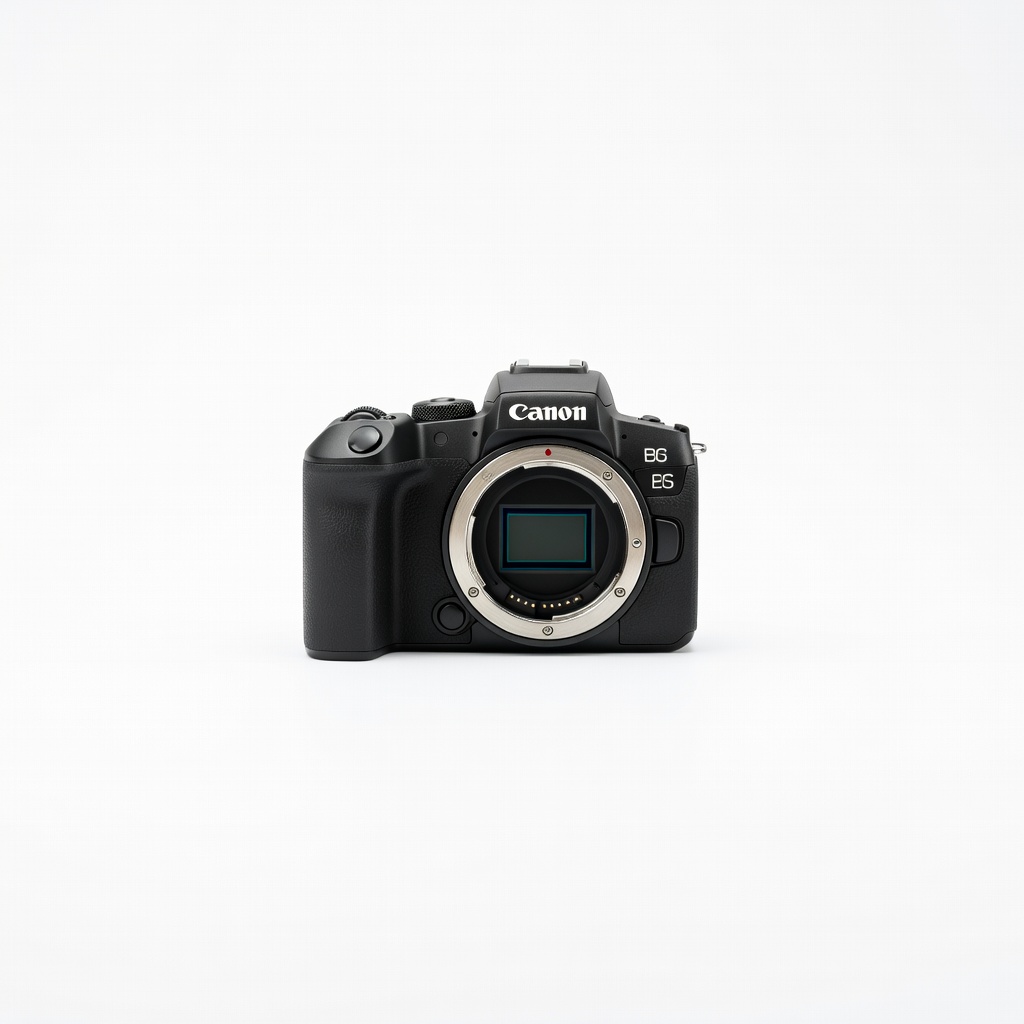
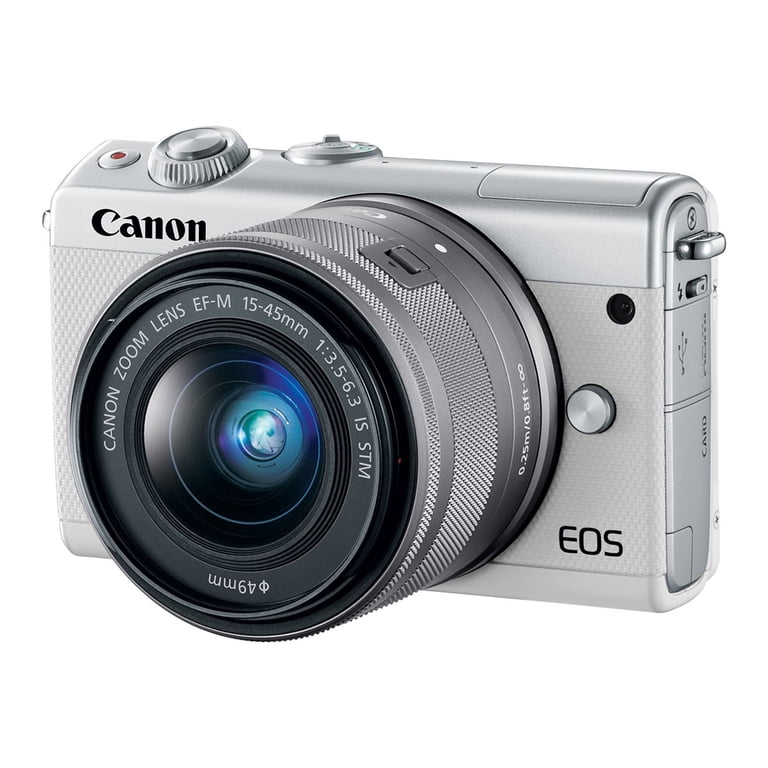
Canon EOS M100 Mirrorless Camera with 15-45mm Lens

Learning Curve: Easy

$299.00
Difficulty: 1/5
Canon EOS M100 Mirrorless Camera with 15-45mm Lens

Why Great for Beginners:

The Canon EOS M100 is the perfect first mirrorless camera because it is ultra-compact, fast to operate, and has a touchscreen that works just like a smartphone. Even in auto mode, it delivers sharp, colorful photos with minimal effort.

Beginner Pros

  • +Compact and lightweight
  • +Intuitive touchscreen
  • +Great image quality for the price
  • +Simple menus
  • +Wi-Fi/Bluetooth built-in

Beginner Cons

  • -No viewfinder
  • -4K video is limited
  • -Battery life could be better
👍 Best for: Budget-conscious beginners who want a small, casual camera for everyday snapshots and travel.
👎 Not for: Anyone who wants to learn on a DSLR with a viewfinder or plans to shoot advanced video.
#2
👍 Recommended

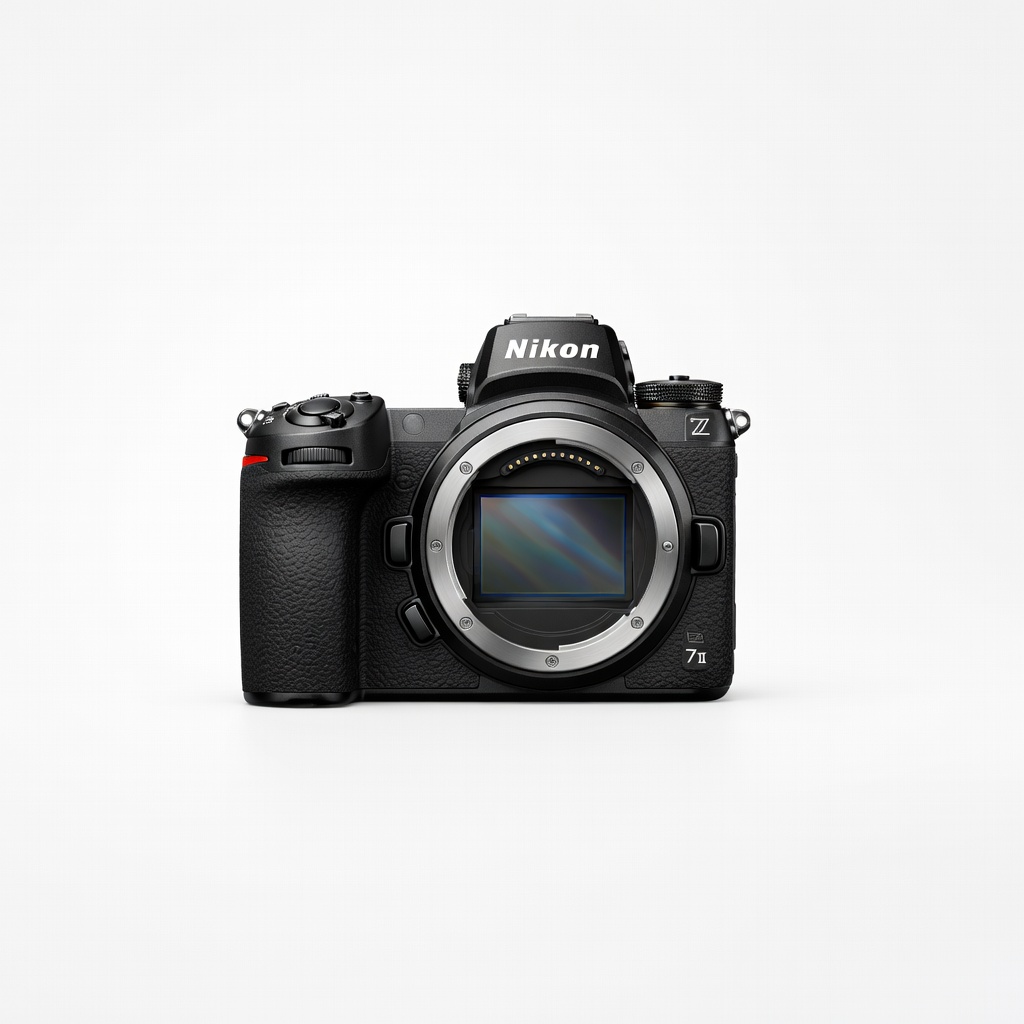
Nikon D3500 DSLR with 18-55mm VR Lens

Learning Curve: Easy

$496.99
Difficulty: 2/5
Nikon D3500 DSLR with 18-55mm VR Lens

Why Great for Beginners:

The Nikon D3500 is a classic entry-level DSLR that has guided countless beginners. Its Guide Mode teaches you about photography while you shoot, and the ergonomic body makes it comfortable to hold. It also has amazing battery life and a very forgiving kit lens.

Beginner Pros

  • +Excellent battery life
  • +Guide Mode teaches photography
  • +Large optical viewfinder
  • +Great image quality
  • +Affordable lens system

Beginner Cons

  • -No touchscreen
  • -Bulky compared to mirrorless
  • -Video is 1080p not 4K
👍 Best for: Beginners who prefer a traditional DSLR and want a guide built-in to teach them the fundamentals.
👎 Not for: Vloggers or anyone who wants a lightweight camera or touchscreen control.
#3
Alternative

Canon EOS Rebel T6 DSLR with 18-55mm IS Lens

Learning Curve: Easy

$349.00
Difficulty: 2/5
Canon EOS Rebel T6 DSLR with 18-55mm IS Lens

Why Great for Beginners:

The Canon Rebel T6 is a solid, straightforward DSLR for beginners who want a simple, no-frills camera. It shares the same lens mount as Canon's entire DSLR system, giving you tons of affordable lenses to try as you learn. Its menu is very friendly for newcomers.

Beginner Pros

  • +Simple menu
  • +Good kit lens with image stabilization
  • +Classic DSLR feel
  • +Lots of compatible lenses
  • +Budget-friendly

Beginner Cons

  • -Older sensor
  • -No touchscreen
  • -Low-resolution rear screen
  • -Only 1080p video
👍 Best for: Beginners who want a simple, dependable DSLR at an affordable price and plan to grow a Canon lens collection.
👎 Not for: Those who want a modern screen, touch control, or 4K video.
#4
✨ Premium

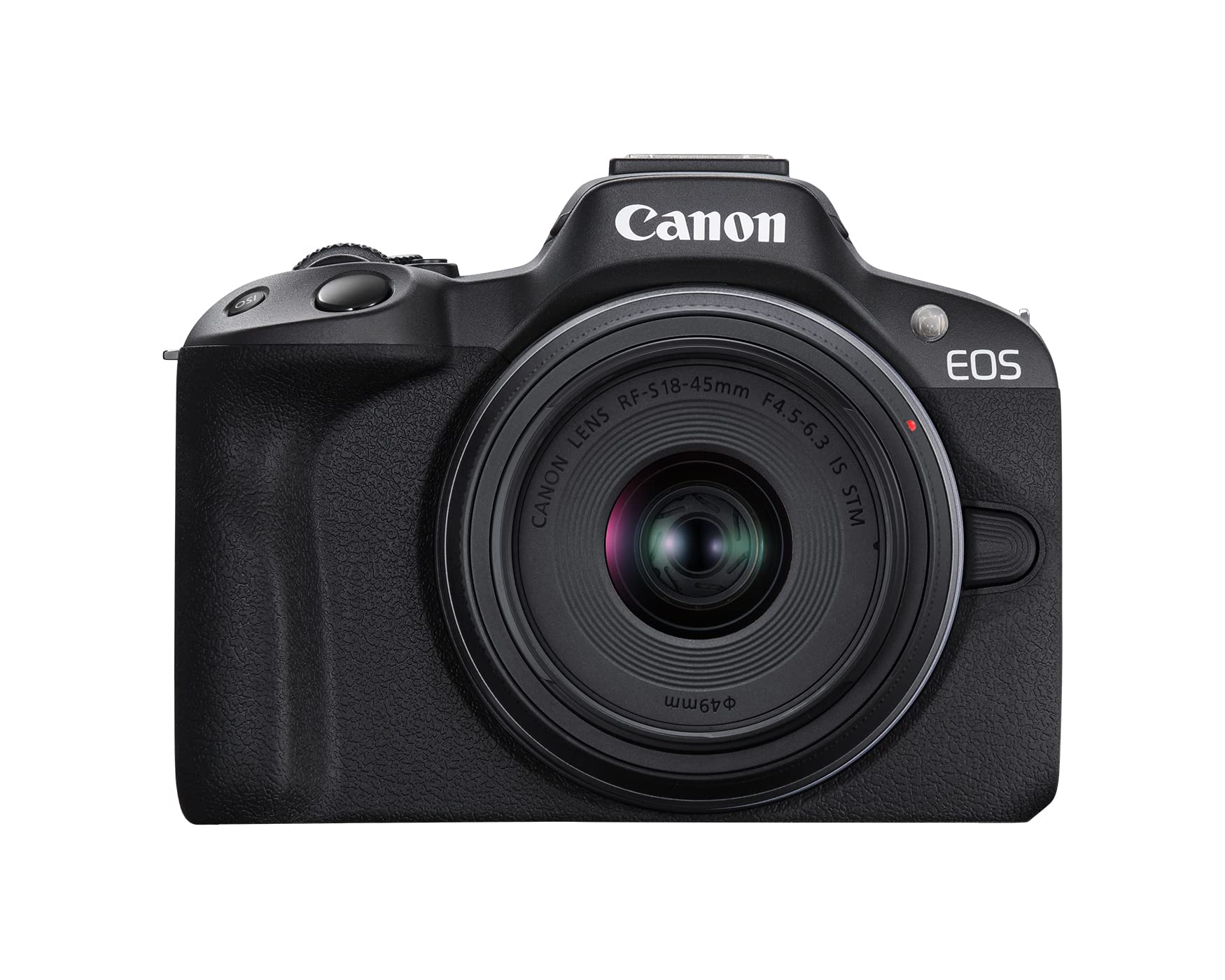
Canon EOS M50 Mark II Mirrorless Camera with 15-45mm Lens

Learning Curve: Easy

$599.00
Difficulty: 2/5
Canon EOS M50 Mark II Mirrorless Camera with 15-45mm Lens

Why Great for Beginners:

The Canon EOS M50 Mark II is the best beginner-friendly premium mirrorless camera. It has a fully articulating touchscreen that makes vlogging and self-portraits a breeze, and its autofocus is lightning-fast. You also get 4K video and live streaming capability—all wrapped in a compact body.

Beginner Pros

  • +Fully articulating touchscreen
  • +Excellent dual-pixel autofocus
  • +4K video
  • +Compact and light
  • +Modern menu with guidance

Beginner Cons

  • -Battery life is average
  • -4K crops the field of view
  • -Limited lens selection compared to EF mount
👍 Best for: Beginners who want top-notch video features, vlogging capability, and a camera that feels like an upgrade without being a complex professional tool.
👎 Not for: Those on a strict budget or who prefer a traditional DSLR style.

📖 Complete Beginner's Guide to Digital Camera

Let's start with the basics: a digital camera works like a traditional film camera, but instead of film, it uses a sensor to capture light. The sensor is the heart of the camera and influences image quality. The two main camera types for beginners are DSLR (Digital Single-Lens Reflex) and mirrorless. DSLR cameras use a mirror mechanism to reflect light into an optical viewfinder, while mirrorless cameras are more compact and use an electronic viewfinder or screen. Both can take stunning photos, so the choice comes down to personal preference and ergonomics.

DSLRs like the Nikon D3500 have been the classic beginner choice for years. They feature an optical viewfinder, which some people prefer, and generally have a wider selection of affordable lenses. On the other hand, mirrorless cameras like the Canon EOS M50 Mark II are lighter, quieter, and often better for video. They also tend to have more modern interfaces that look and feel like a smartphone. For beginners today, mirrorless is becoming the go-to recommendation because of its ease of use and compact size.

When you purchase a camera, it usually comes with a kit lens, for example an 18-55mm or 15-45mm lens. These lenses cover a practical zoom range for everyday shots—wide enough for landscapes, moderate telephoto for portraits. Some beginners make the mistake of buying a camera body only, thinking they can save money, but without a lens you cannot take photos. Always check whether the listing includes the lens.

You might also come across terms like 'crop sensor' and 'full-frame'. A crop sensor is smaller and found in most beginner cameras. It's lighter and less expensive, and it doesn't mean lower quality—many professional photographers happily use crop sensors. Full-frame cameras are larger and much more expensive; they're overkill for most beginners. So don't worry about sensor size—just know that a crop-sensor camera is perfectly capable of learning and producing amazing photos.

In terms of zoom, two terms you'll see are 'optical zoom' and 'digital zoom'. Optical zoom uses the lens itself to magnify the scene and is the only kind that matters. Digital zoom just crops and enlarges the image, which reduces quality. When comparing cameras, focus on the optical zoom number on the lens, not the 'digital' spec.

Finally, be realistic about your expectations. A beginner camera will not automatically make every shot perfect, but it will give you the tools to learn. Expect a learning curve, but with practice you'll quickly get comfortable. The goal of this guide is to put you in the driver's seat of a capable, forgiving camera that grows with you.

🔧 Essential Accessories for Beginners

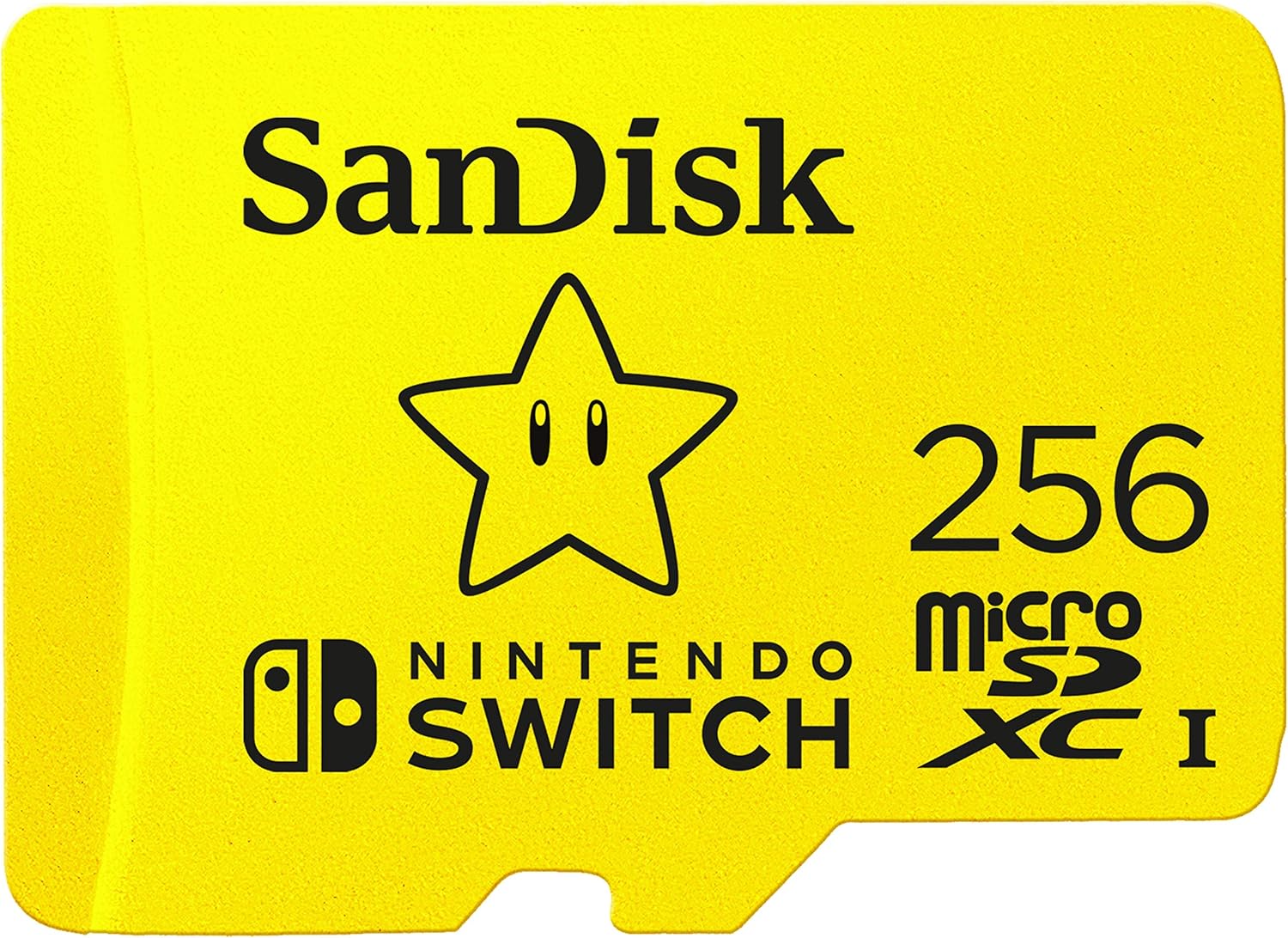
SanDisk 128GB Extreme SDXC UHS-I Memory Card - Image 1 of 7

SanDisk 128GB Extreme SDXC UHS-I Memory Card

⚠️ Essential

$24.99

When to buy:
Day one

Every digital camera needs a memory card. The SanDisk Extreme is fast enough to handle burst shooting and 4K video without lag, and 128GB lets you shoot for days without worrying about space.

Beginner Benefits:

  • Fast write speeds for continuous shooting
  • Reliable brand with excellent reviews
  • Large capacity so you never run out unexpectedly
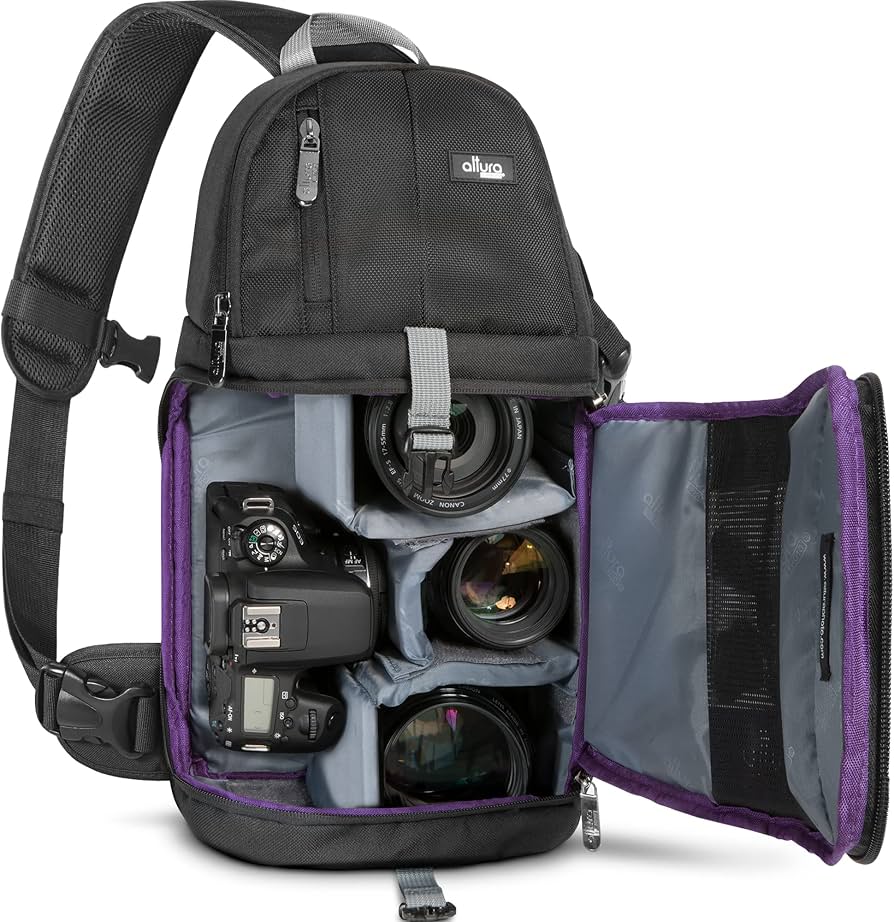
Altura Photo Universal Camera Sling Bag

Altura Photo Universal Camera Sling Bag

⚠️ Essential

$21.99

When to buy:
Day one

A camera bag protects your investment from bumps, dust, and weather. A sling style is easy to access, so you can grab your camera quickly while exploring.

Beginner Benefits:

  • Protects your camera from damage
  • Comfortable to carry all day
  • Easy access to your camera for quick shots
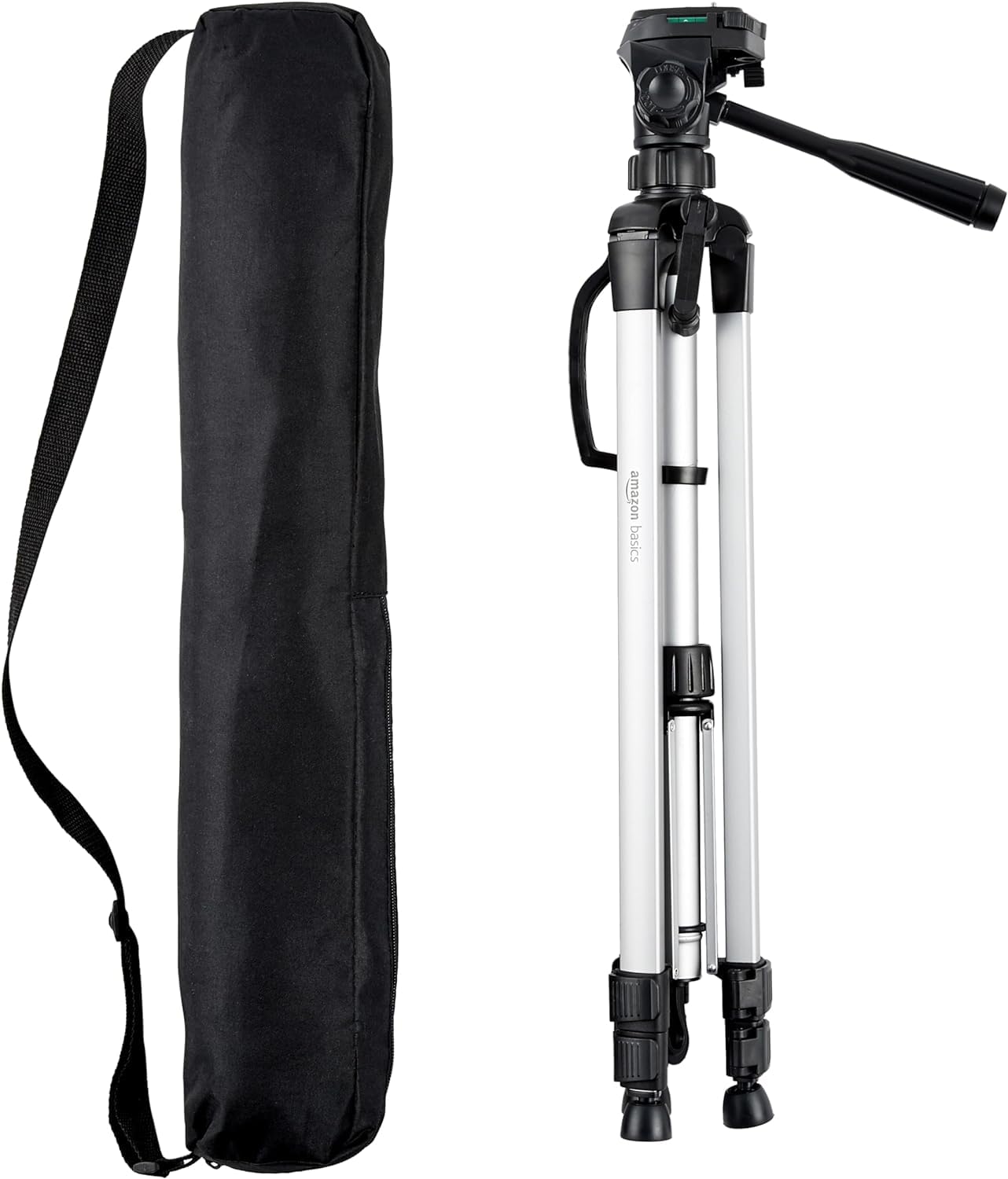
AmazonBasics 60-Inch Lightweight Tripod

AmazonBasics 60-Inch Lightweight Tripod

👍 Recommended

$35.99

When to buy:
First month

A tripod helps you take sharp low-light shots, self-portraits, and long-exposure night photos. It also lets you learn manual settings without camera shake.

Beginner Benefits:

  • Stability for long exposures and night photography
  • Enables vlogging or group shots
  • Helps you learn slow shutter speeds
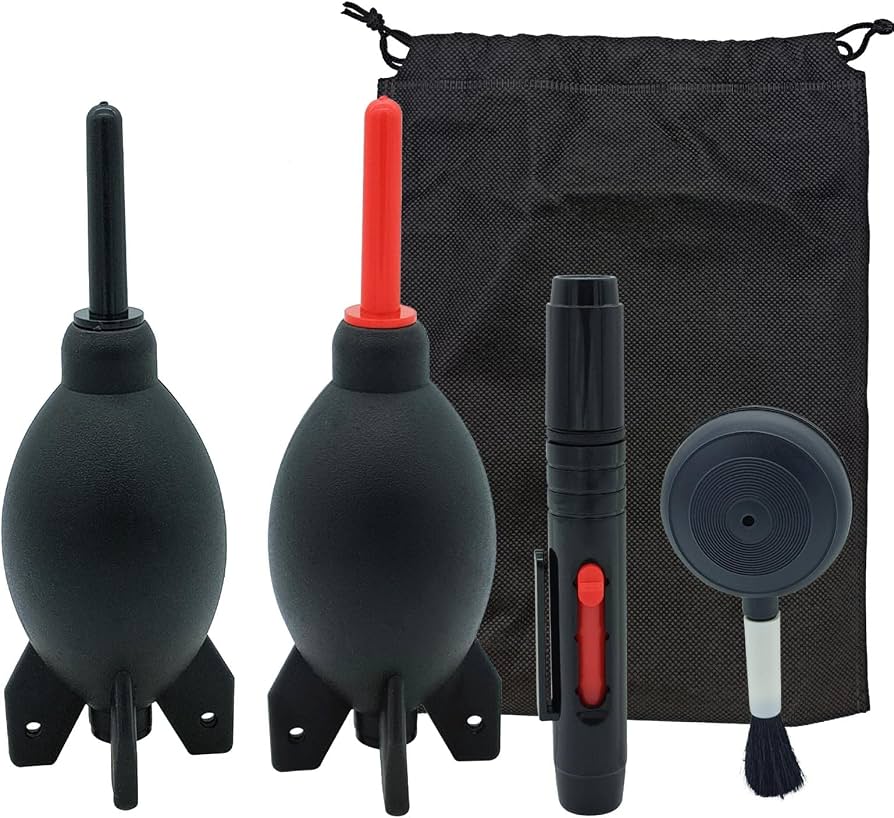
Giotto Rocket Blower (Lens Cleaning Kit)

Giotto Rocket Blower (Lens Cleaning Kit)

💡 Nice to Have

$14.95

When to buy:
After you're comfortable

Dust on the sensor or lens can ruin photos. A simple blower helps remove dust without scratching the glass. This kit is small, safe, and easy to use.

Beginner Benefits:

  • Protects image quality by keeping the sensor clean
  • Easy to carry and use
  • Avoids expensive repairs from improper cleaning

🤔 How to Choose Your First Digital Camera

Start by asking yourself three questions: 1) What is your budget? 2) What do you want to photograph? 3) How do you plan to grow? Your budget will speed the decision, but don't just look at the camera price—remember you'll want an extra battery, memory card, and maybe a bag. Think about your main subjects: people, travel, landscapes, sports? A camera with a good kit lens covers most, but if you're into sports or wildlife, you may want a camera with faster autofocus and a longer zoom lens later.

Consider where you'll take the camera. If you're often hiking, a light mirrorless camera is a better match. If you prefer a classic viewfinder and don't mind a bit more weight, a DSLR is fine. Also, think about how comfortable you are with technology. If you like using your smartphone camera and want something similar, a touchscreen mirrorless is ideal. If you're okay with studying a manual, a DSLR might work.

When comparing models, avoid getting sucked into megapixel wars. 24 megapixels is plenty for beginners. Instead, look for a camera that feels good in your hands and has a simple menu. Check reviews from actual consumers, not just experts, and pay attention to complaints about complexity. Red flags include constant menu diving, poor battery life, or a screen that doesn't articulate. Finally, trust your gut: if a camera makes sense to you the moment you pick it up, that's the one.

💰 Budget Guide for Beginners

800+

Advanced entry - a serious investment for those who know they'll stick with photography and want a camera that will carry them into intermediate level.

300 - $500

Sweet spot - the best value for most beginners. These cameras have robust auto modes, good kit lenses, and will last you as you learn.

500 - $800

Premium beginner - better build quality, video capabilities, and cutting-edge features like advanced autofocus, while still being user-friendly.

Under $ - $300

Entry level - a basic camera for casual use and testing the waters. You may outgrow it within a year, but it's a great starting point.

⚠️ Common Beginner Mistakes to Avoid

Many beginners fall into the trap of 'buy once, cry once'—spending way too much on a camera they're afraid to touch. Others buy the absolute cheapest option, only to find that its slow autofocus and poor low-light performance kill their motivation. A better approach is to buy the best camera you can afford within the $300–$600 range, and only after you've seen how it feels in your hands.

Another widespread mistake is ignoring the lens. The camera body does not matter as much as the glass. A great camera with a poor kit lens will still produce mediocre photos. But don't jump to buying expensive prime lenses right away—the kit lens is perfect for learning. Also, some buyers forget that a camera needs a memory card and a spare battery, so they miss the first day of shooting while they order accessories.

Finally, many beginners choose a camera because a friend has it, or because a famous photographer uses it. That's risky. What works for them may not work for you. Hold the camera, explore the menu, and honestly assess whether you'd carry it daily. The best camera is the one you'll actually bring along.

  • ×Buying the most expensive camera you can afford, hoping it will make you a better photographer.
  • ×Buying a camera body only without a lens, then realizing you can't take photos.
  • ×Focusing on megapixels instead of features that matter, like autofocus and ergonomics.
  • ×Skipping a spare battery and memory card, only to run out of power mid-shoot.
  • ×Choosing a camera with a steep learning curve because a friend owns one.
  • ×Not considering the size and weight of the camera you'll actually carry.
  • ×Ignoring the kit lens and thinking you need expensive glass right away.
  • ×Buying from unknown third-party sellers to save money, then missing a warranty.

📈 Your Progression Path: Beginner to Intermediate

As a beginner, your first step is to shoot exclusively in Auto. Spend a few weeks learning how to frame a shot, how the focus works, and how the camera judges exposure. Next, experiment with scene modes—try taking a portrait with the portrait mode and a landscape with the landscape mode. Compare the results. Then, slowly start playing with 'P' (Program) mode, which lets you adjust things like ISO and exposure compensation while the camera still sets the shutter speed and aperture.

Once you're comfortable and can read the lighting, you can move to Aperture Priority (Av) and Shutter Priority (Tv) modes. These are semi-automatic but give you creative control. You'll start to see how depth of field affects portraits, and how shutter speed freezes or blurs motion. This is the stage where you can apply what you've learned. Usually, beginners outgrow auto-only after about 3–6 months of regular shooting.

When you understand those basic controls and hit the limits of your kit lens, you'll know you're ready to upgrade. Maybe you want a fast prime lens (like a 50mm f/1.8) for portraits, or you need a camera with better autofocus for sports. You might even decide to get a second body. That's the beauty of a beginner camera: it's designed to grow with you, and you'll make that decision with confidence—because you'll know exactly what you need.

📚 Learning Resources for Beginners

  • 📖Understanding Exposure, 4th Edition by Bryan Peterson
  • 📖Read This If You Want to Take Great Photographs by Henry Carroll
  • 📖Digital Photography Complete Course by DK
  • 📖The Beginner's Photography Guide by Chris Gatcum
  • 📖Camera Basics: How to Take Better Photographs (Amazon Original Video)

🎯 Bottom Line: Our Recommendations

If we had to pick one camera for most beginners, it would be the Nikon D3500. It's affordable, has a helpful Guide Mode, and offers great image quality with a comfortable DSLR design. If you want a lightweight camera and are willing to spend a bit more, the Canon EOS M50 Mark II is an excellent premium choice, especially if you like to vlog or take selfies. For the tightest budgets, the Canon EOS M100 wins you over with its simplicity and pocket-friendly size.

Whichever you choose, we strongly recommend pairing it with a spare battery and a fast memory card. These are small investments that prevent frustration. Also, consider bringing a bag and a tripod as you progress. But above all, remember: the camera is just a tool. The best camera for you is one that you will use often and enjoy learning with. Don't overthink it—choose a model that feels right, and start shooting.

Your photography journey begins the moment you press the shutter. We hope this guide helps you make your choice with confidence. Happy shooting!

❓ Frequently Asked Questions

The best digital camera for most beginners is the Nikon D3500 DSLR because it has a Guide Mode that teaches you as you shoot, excellent battery life, and a great kit lens. If you prefer a smaller mirrorless camera, the Canon EOS M50 Mark II is a fantastic choice as well.
A beginner should spend between $300 and $600. This range gives you a camera with solid auto modes, a good kit lens, and room to grow. You can find decent options under $300, but they may have limitations that frustrate you sooner.
Both are great for beginners. DSLRs are heavier but offer optical viewfinders and huge lens selections. Mirrorless cameras are lighter, often have touchscreens, and are better for video. Try holding both to see which feels more natural in your hands.
Prioritize automatic modes, scene presets, a tiltable or flip-out screen, Wi-Fi/Bluetooth, and image stabilization. Avoid getting caught up in megapixel counts or 4K video unless you're specifically into video work.
No, most beginner cameras come with a kit lens that covers everyday zoom ranges. The kit lens is perfectly fine for learning. After some practice, you can buy additional lenses like a fast portrait lens or a telephoto zoom.
For beginners, 24 megapixels is more than enough. Anything more won't make a noticeable difference unless you plan to print large or crop heavily. Don't let megapixels alone drive your decision.
4K is nice to have but not necessary. Most beginner cameras offer 1080p Full HD, which is still great for learning and social media. If you plan to vlog or shoot video seriously, look for 4K capability, but don't worry if you have to trade other features for it.
At minimum, buy a fast memory card, an extra battery, and a protective camera bag. A tripod is also highly recommended when you start experimenting with low-light and manual modes. Later, you might add a lens cleaning kit.
You'll feel confident with the basics after 3–6 months of regular shooting. Mastery takes years, but the best part is you'll see steady improvement from the first week. Set aside time each week to practice and explore.
Absolutely. Use your smartphone to practice composition, framing, and even manual controls if the camera app supports them. But a dedicated camera gives you a better feel for lens changes, optical zoom, and physical buttons that you'll need as you progress.
Yes, a used camera can save you money, but only buy from reputable sellers (like Amazon Renewed or trusted stores). Be sure to check the shutter count, sensor dust, and whether the battery and accessories are included. New cameras come with warranties, so they can be easier for beginners.
The Canon EOS M100 is extremely easy to use because of its smartphone-like touchscreen and simple menu. However, the Nikon D3500's Guide Mode is also superb for teaching absolute beginners. Both minimize intimidation and let you learn at your own pace.