#1
💰 Budget
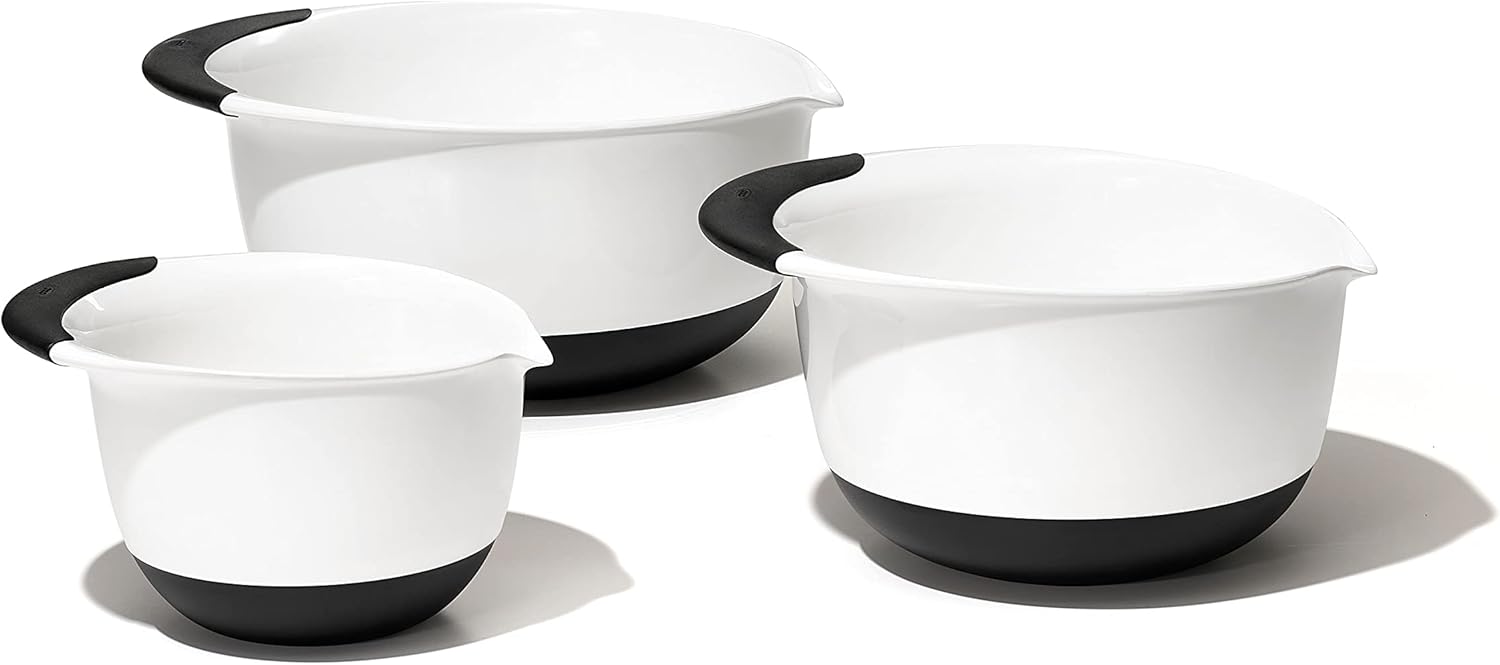
Cuisinart CTG-00-SMHB 3-Piece Mixing Bowl Set with Handles
Learning Curve: Easy
$24.95
Difficulty: 1/5

Why Great for Beginners:
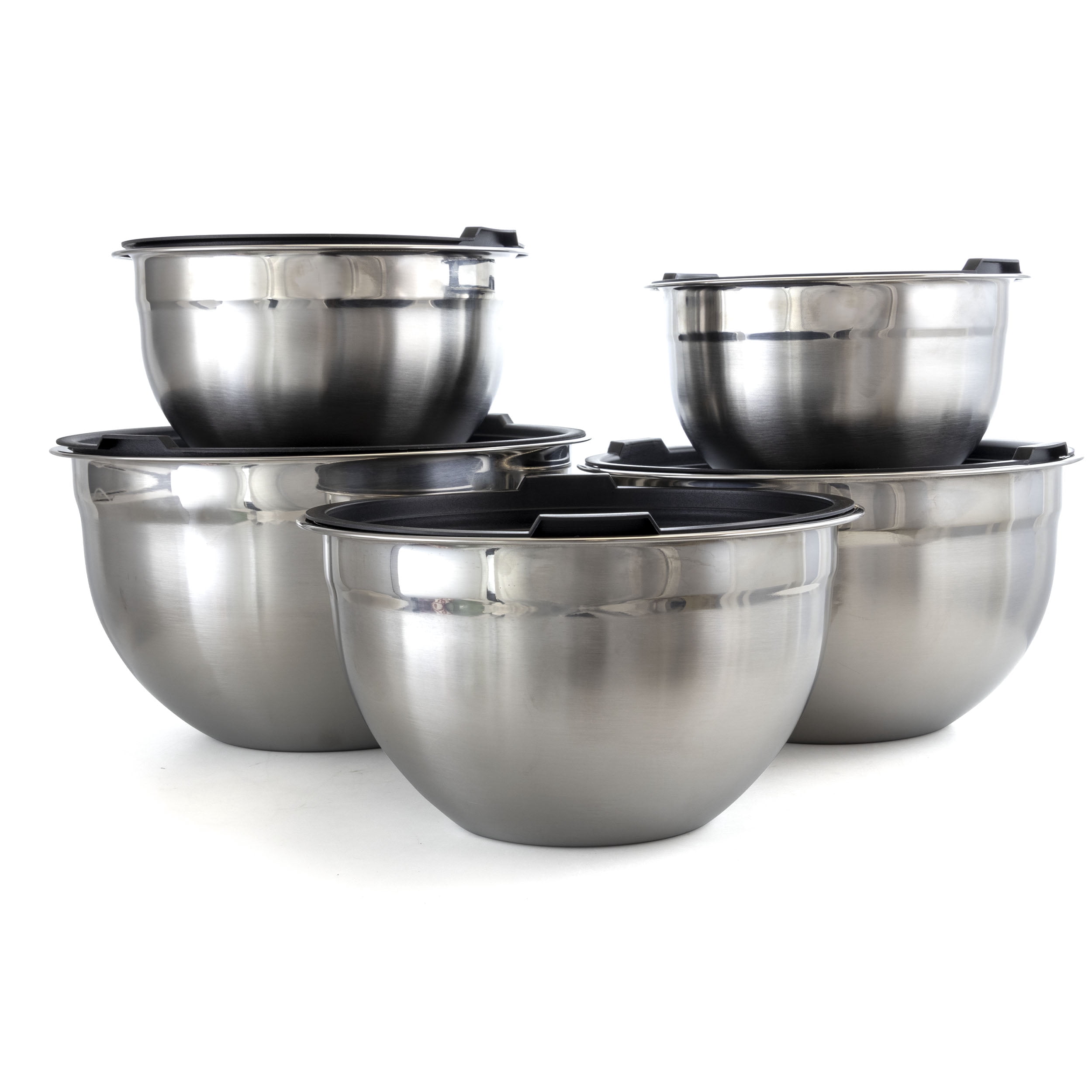
This stainless steel set includes three well-sized bowls with comfortable handles and a non-slip base. It's dishwasher-safe and nests neatly, so it's incredibly forgiving for someone just starting out.
✓ Beginner Pros
- +Non-slip rubber bases keep the bowls steady while mixing
- +Ergonomic handles give you a stable grip
- +Dishwasher-safe and easy to lift and pour
- +Nests flat for compact storage
- +Very affordable price
✗ Beginner Cons
- -Only 3 bowl sizes may not be enough for larger bakes
- -No lids included for storing leftovers
- -Steel is thinner and can dent if dropped
👍 Best for: Beginners who want an affordable, reliable starter set for everyday mixing and baking.
👎 Not for: People who need storage lids or want a larger, more versatile set.