Is Best Lettering Kit for beginners Worth It? Honest Review (202…
Everything beginners need to know to choose their first hand lettering kit with confidence.
Starting hand lettering is exciting, but choosing your first kit can feel overwhelming. With so many pens, papers, and nibs on the market, it's easy to get lost in technical jargon and end up with the wrong supplies. This guide is designed to simplify the process, explain what actually matters for beginners, and recommend real products that will help you create beautiful letters from day one. Whether you're a complete newbie or have dabbled a little, you'll leave feeling confident about your purchase and ready to start lettering.
📋 In This Guide
• Why Beginners Struggle with Lettering Kit
• What to Look For (Key Features)
• Top 4 Beginner-Friendly Lettering Kit
• Essential Accessories for Beginners
• Common Beginner Mistakes to Avoid
• Your Progression Path
• FAQ & Learning Resources
😰 Why Beginners Struggle with Lettering Kit
One of the biggest challenges beginners face is information overload. Terms like 'flex nib', 'brush tip', 'pilot parallel', and 'bleed-proof paper' can be intimidating. Many new letterers buy a fancy set of markers only to find they bleed through cheap paper, or get a calligraphy dip pen without realizing it requires practice just to hold it correctly. Another struggle is knowing what style they want to learn first—modern brush lettering, pointed pen calligraphy, or hand-lettering with markers. Without clear guidance, it's easy to waste money on tools that don't match your goals. Finally, beginners often worry about making mistakes and think they need expensive 'professional' supplies to start, when really a simple, forgiving kit is all they need.
🔍 What to Look For: Key Beginner-Friendly Features
For beginners, the most important features are ease of use, forgiving materials, and a clear learning path. Look for kits that include brush pens with flexible but controlled tips (like Tombow Dual Brush or Fudenosuke), smooth paper that doesn't bleed (marker paper or dot grid pads), and a simple guidebook or practice sheets. Avoid kits with many specialized nibs or inks that require mixing. Opt for water-based, non-toxic markers for easier clean-up and less mess. The best beginner kit should let you focus on letter forms and pressure control without fighting your tools. Also consider kits that come with instructional materials or access to online tutorials—they accelerate learning immensely.
✅ Essential Features for Beginners
•Brush pens with flexible tips – makes thick-thin strokes easy with pressure
•Non-bleed marker paper – prevents frustration from ink bleeding through pages
•Beginner guidebook or practice sheets – structured learning from the start
•Water-based, non-toxic ink – safe, fume-free, and easy to clean
•Variety of tip sizes – fine tip for details, brush tip for main letters
•Ergonomic pen body – comfortable for extended practice
•Reusable or refillable pens – cost-effective as you improve
•Dot grid or lined paper – helps with spacing and alignment
🏆 Top 4 Best Lettering Kit for Beginners
#1
💰 Budget
Tombow Dual Brush Pen Art Set - 10 Colors
Learning Curve: Easy
$14.99
Difficulty: 1/5
Why Great for Beginners:
The Tombow Dual Brush Pen is the most recommended beginner brush pen. It has a flexible brush tip on one end and a fine tip on the other, perfect for both large and small letters. The water-based ink blends easily and doesn't bleed through quality paper. This set of 10 colors gives you enough variety without overwhelming you.
✓ Beginner Pros
+Dual tip for versatility
+Water-based, nontoxic ink
+Flexible tip easy to control
+Blendable for shading
✗ Beginner Cons
-Only 10 colors, may want more later
-Brush tip can fray if pressed too hard
-Paper must be thick to prevent bleed
👍 Best for: Beginners who want to learn brush lettering on a budget
👎 Not for: Those wanting ultra-fine details or calligraphy nibs
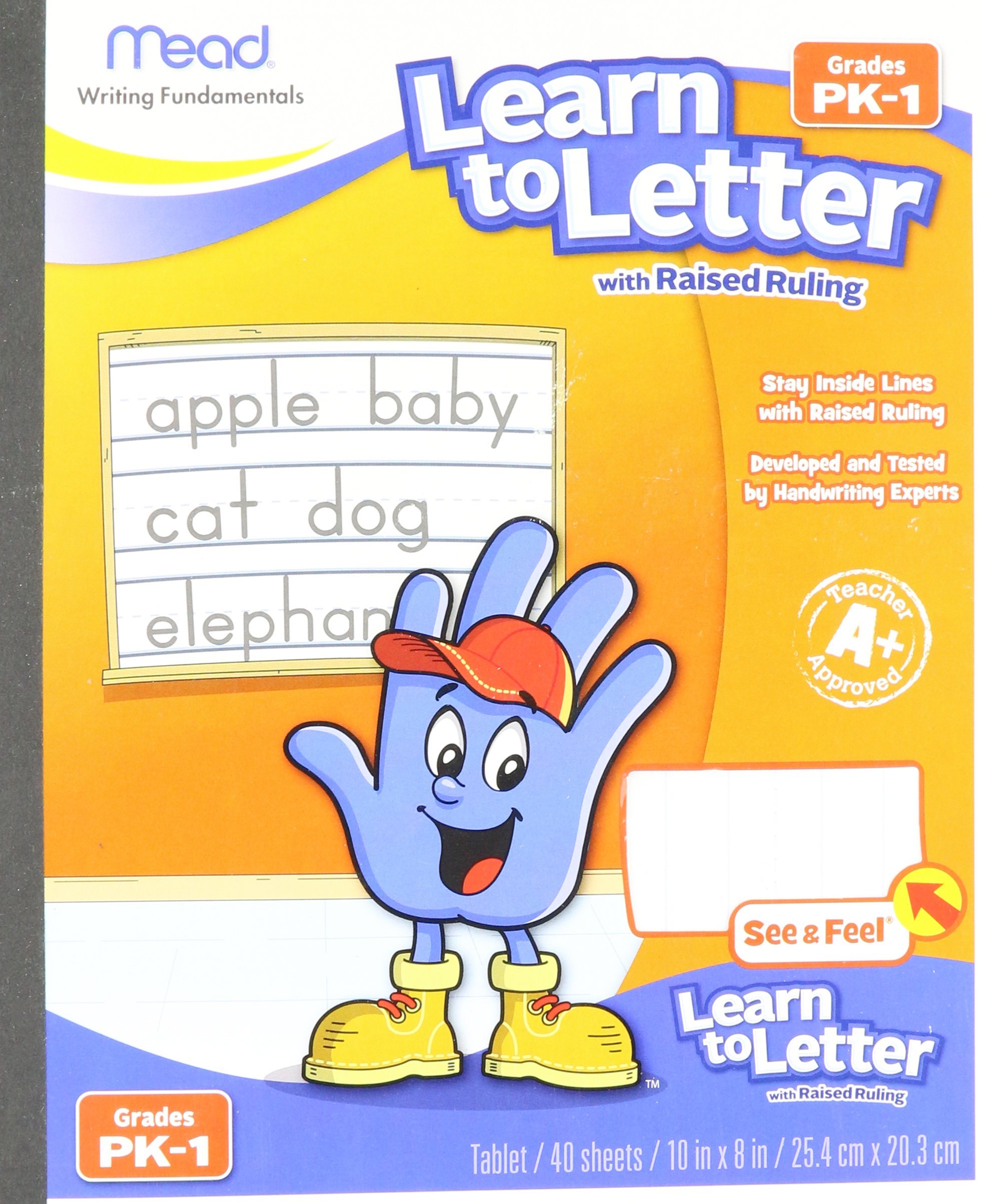
Mead Lettering Kit - Learn Hand Lettering for Beginners
Learning Curve: Easy
$19.99
Difficulty: 2/5
Why Great for Beginners:
This complete kit includes 10 brush pens, a practice pad, tracing paper, and a step-by-step guidebook. It's designed specifically for beginners, with lessons that teach basic strokes, alphabet styles, and simple projects. The paper is marker-friendly with minimal bleed, and the pens are identical to standard brush markers.
✓ Beginner Pros
+All-in-one kit, no separate purchases needed
+Includes instructional guidebook
+Practice pad with guides
+Good value for money
✗ Beginner Cons
-Pen tips may dry out if left uncapped
-Guidebook is basic, not in-depth
-Paper pad is small
👍 Best for: Absolute beginners who want a complete set with instructions
👎 Not for: Those who already have pens and want only premium paper
Pentel Arts brush pens have a longer-lasting nylon brush tip that retains its shape better than many competitors. They are water-based, blendable, and produce consistent strokes. The set of 12 includes a vibrant palette, and the pen bodies are comfortable to hold. Excellent for beginners who want a step up in quality without being too advanced.
✓ Beginner Pros
+Durable brush tip – holds shape
+Smooth, consistent ink flow
+Vibrant colors that blend well
+Comfortable grip
✗ Beginner Cons
-Slightly higher price
-Not dual-tipped (no fine end)
-Limited to brush lettering only
👍 Best for: Beginners ready to invest in better pens that last longer
👎 Not for: Those needing a fine liner tip or absolute lowest price
While not a brush pen set, this fineliner set is perfect for hand lettering beginners who want to create consistent lines and practice letter forms without worrying about pressure. The Pigma Micron ink is archival and will not bleed through most paper. Ideal for those interested in modern calligraphy with a dip-pen look but without the mess.
✓ Beginner Pros
+Precise, consistent lines
+No pressure technique needed
+Archival, waterproof ink
+Good for practicing letter shapes
✗ Beginner Cons
-No thick-thin variation (unless using multiple sizes)
-Not for brush lettering
-Small sizes may be too fine for some
👍 Best for: Beginners who want to focus on letter construction before mastering brush pens
👎 Not for: Those wanting thick and thin strokes typical of brush lettering
Hand lettering is the art of drawing letters, often with a brush pen or marker. Unlike calligraphy, it doesn't require a specific nib angle, making it more approachable. The basic technique involves applying pressure to create thick downstrokes and releasing for thin upstrokes. A lettering kit typically includes a set of brush pens, a practice pad, and sometimes tracing paper or guides. For beginners, the two main types of kits are marker-based (using brush pens) and dip-pen based (using nibs and ink). We strongly recommend starting with a marker-based kit because it's easier to control, less messy, and allows you to focus on letter form. Beginner-friendly means tools that are forgiving: pens that don't skip, paper that doesn't bleed, and guides that teach you the fundamentals. Many marketing terms like 'professional-grade' or 'advanced' often add complexity that beginners don't need yet. Instead, look for words like 'starter kit', 'beginner set', or 'learn lettering'.
🤔 How to Choose Your First Lettering Kit
Start by asking yourself: What style do I want to learn? Modern brush lettering (like Instagram styles) is best learned with flexible brush pens. For pointed pen calligraphy (more traditional), you'll need a dip pen. For pure creativity, hand lettering with fine liners and markers is great. Next, consider your budget: A good beginner kit costs between $20 and $50. Buy a complete set with a few pens and a pad—avoid adding extra supplies until you know what you like. Also think about growth: a kit with refillable pens or an expanded set will serve you longer. Red flags: kits with many different nibs or ink colors you'll never use, or those that require special paper that's expensive. Finally, read reviews that mention 'beginner-friendly' and watch unboxings to see the actual size and quality.
💰 Budget Guide for Beginners
80+
Professional entry - often includes multiple pen styles and premium paper, great for serious beginners who want to explore multiple techniques.
20 - $40
Sweet spot - best value, includes decent pens and practice pad, enough to learn basics without frustration.
40 - $80
Premium beginner - high-quality markers, better paper, often includes extra nibs or ink, won't outgrow quickly.
Under $ - $20
Entry level - good for trying out, but may struggle with paper quality or limited pen count. Ideal for absolute beginners on a tight budget.
⚠️ Common Beginner Mistakes to Avoid
One of the most common mistakes beginners make is buying the cheapest pen set available. While it saves money upfront, these pens often have inconsistent ink flow and tips that lose shape quickly, leading to frustration and ugly letters. Another mistake is using regular printer paper. The ink soaks in and bleeds, making your strokes look messy – always invest in marker paper or a practice pad. Many beginners also jump straight into dip pen calligraphy because it looks elegant, but it has a steep learning curve involving nib angles, ink viscosity, and cleaning. Start with brush markers to understand letter construction first. Finally, don't buy a giant set of 50 colors. You'll only use a few, and the distraction of picking colors hinders your focus on technique. Start with 5–10 core colors.
×Buying cheap, low-quality pens that skip or fray quickly
×Using regular copy paper that bleeds and feathers
×Getting a dip pen kit before mastering brush pens
×Overbuying colors and supplies before learning basics
×Skipping practice guides and expecting perfection immediately
×Not testing pens before starting a project
×Ignoring the importance of proper posture and grip
×Choosing a kit with many small nibs that are hard to control
📈 Your Progression Path: Beginner to Intermediate
Start by learning basic strokes: upstrokes (thin), downstrokes (thick), and ovals. Practice these with your brush pen on guide sheets for at least a week. Next, move to lowercase letters, then uppercase. Focus on consistent spacing and slant. After 2–3 weeks, try simple words and phrases. Once you're comfortable, experiment with blending colors and adding flourishes. When you feel limited by your brush pen's tip size, consider upgrading to a set with more nib options or trying a dip pen for pointed calligraphy. Signs you've outgrown your beginner kit: you can consistently produce even letters, your pens are running out of ink, or you feel your strokes are no longer improving. At that point, invest in refillable pens or a higher-quality set with a wider color range.
📚 Learning Resources for Beginners
📖The Ultimate Brush Lettering Guide by Peggy Dean (book with practice exercises)
📖Lettering Practice Sheets Set – downloadable/printable guides (search on Amazon)
📖The Art of Brush Lettering by Kelly Klapstein (instructional book)
📖Hand Lettering 101 by Chalkfulloflove (comprehensive workbook)
For the absolute best beginner experience, get the Tombow Dual Brush Pen Art Set (budget) or the Mead Lettering Kit (recommended) if you want everything in one box. Pair it with a Canson Marker Paper Pad and Fudenosuke brush pens for finer practice. Don't overthink it – the most important thing is to start practicing. Your first lettering kit doesn't need to be perfect; it just needs to get you writing. With consistent practice, you'll be creating beautiful lettering in no time. Remember: every master calligrapher started as a beginner.
❓ Frequently Asked Questions
The best starter kit is one that includes a few quality brush pens, a practice pad, and guide sheets. The Mead Lettering Kit is a popular all-in-one choice. For just pens, the Tombow Dual Brush Pen set is unbeatable for quality and price.
Plan to spend between $20 and $40. Anything less may have poor quality pens or paper; anything more is often overkill until you know your preferences.
Flexible brush tips, non-bleed paper, water-based ink, and an instructional guide. You don't need many colors or complex nibs.
Kits with brush markers are easiest. The Tombow Dual Brush Pen is very forgiving. The Mead Kit includes clear instructions.
A good marker paper pad (e.g., Canson), tracing paper, and a fine brush pen set (like Fudenosuke) for detailed practice. An eraser is helpful too.
Decide if you want to learn brush lettering (marker-based) or pointed calligraphy (dip pen). Start with brush markers. Look for kits that include a pad and guidebook. Read reviews mentioning 'beginner-friendly'.
It takes practice, but with the right tools and patience, anyone can learn. Brush pens are very forgiving. Most see improvement within a week.
Buying too cheap, using wrong paper, skipping guides, and buying too many colors too soon. Also, not practicing basic strokes first.
Yes, but a kit simplifies the process by providing coordinated supplies. You can start with just a brush pen and printer paper, but results may be frustrating.
With daily practice, you'll see noticeable improvement in about 2–4 weeks. Fluent, creative lettering can take a few months.