Everything beginners need to choose their first knife set with confidence - top picks, accessories, and mistakes to avoid.
Picking your first knife set can feel overwhelming with endless options, scary sharpness talk, and confusing terms like 'forged' or 'high-carbon.' As a beginner cook, you just want knives that cut veggies easily without slipping or dulling after one use. This guide cuts through the noise (pun intended) to help you choose confidently.
We'll cover why beginners struggle, key features that matter, and simple steps to pick the right set. No jargon overload - just practical advice from real beginner reviews and expert tips. By the end, you'll know exactly what to buy and feel excited to chop your first onion.
Promise: You'll avoid buyer's remorse and start cooking better meals right away.
📋 In This Guide
• Why Beginners Struggle with Knife Set
• What to Look For (Key Features)
• Top 4 Beginner-Friendly Knife Set
• Essential Accessories for Beginners
• Common Beginner Mistakes to Avoid
• Your Progression Path
• FAQ & Learning Resources
😰 Why Beginners Struggle with Knife Set
Beginners often feel intimidated by knife sets because cooking shows make it look like you need pro-level gear to chop safely. But reality hits: stores overflow with shiny blocks promising 'razor sharpness forever,' leaving you paralyzed. Common pains from forums like Reddit's r/AskCulinary? Fear of cutting yourself, knives dulling fast, and jargon like 'V-edge' or ' Rockwell hardness' that means nothing without experience.
Another big struggle: Not knowing if you need 20 knives or just 5. Beginners buy too many (wasted money) or too few (can't do basic tasks). Safety worries peak - sharp knives scare newbies, but dull ones are actually more dangerous. Overwhelm from German vs Japanese steel debates adds confusion when you just want reliable cuts.
🔍 What to Look For: Key Beginner-Friendly Features
Focus on simple, forgiving features that tolerate shaky hands and quick washes. Must-haves: Ergonomic handles (non-slip, comfy grip), stainless steel blades (rust-proof, easy clean), and 5-8 essential knives like chef's, paring, and serrated bread. These cut basics without fancy skills.
Nice-to-haves: Included sharpening tool or block for safe storage. Skip: Super-hard steels needing whetstones or huge pro sets. Beginner-friendly sets are stamped (lighter, cheaper) over forged (heavier, pricier). Look for 'dishwasher safe' labels, though hand-wash is best for longevity.
What makes it forgiving? Balanced weight (not tip-heavy), colors for kid-safe kitchens, and reviews praising 'sharp out of box.'
✅ Essential Features for Beginners
•Ergonomic non-slip handles: Prevents slips during first wobbly chops
•Stainless steel blades: Won't rust if you forget to dry them
•Sharp factory edge: Cuts tomatoes easily without sawing
•Included block or storage: Keeps blades safe and organized
•5-8 essential knives: Covers daily cooking without overwhelm
•Lightweight stamped construction: Forgiving for weak grips
•Color-coded handles: Fun and safe for family use
•Lifetime warranty: Peace of mind for beginners
🏆 Top 4 Best Knife Set for Beginners
#1
💰 Budget
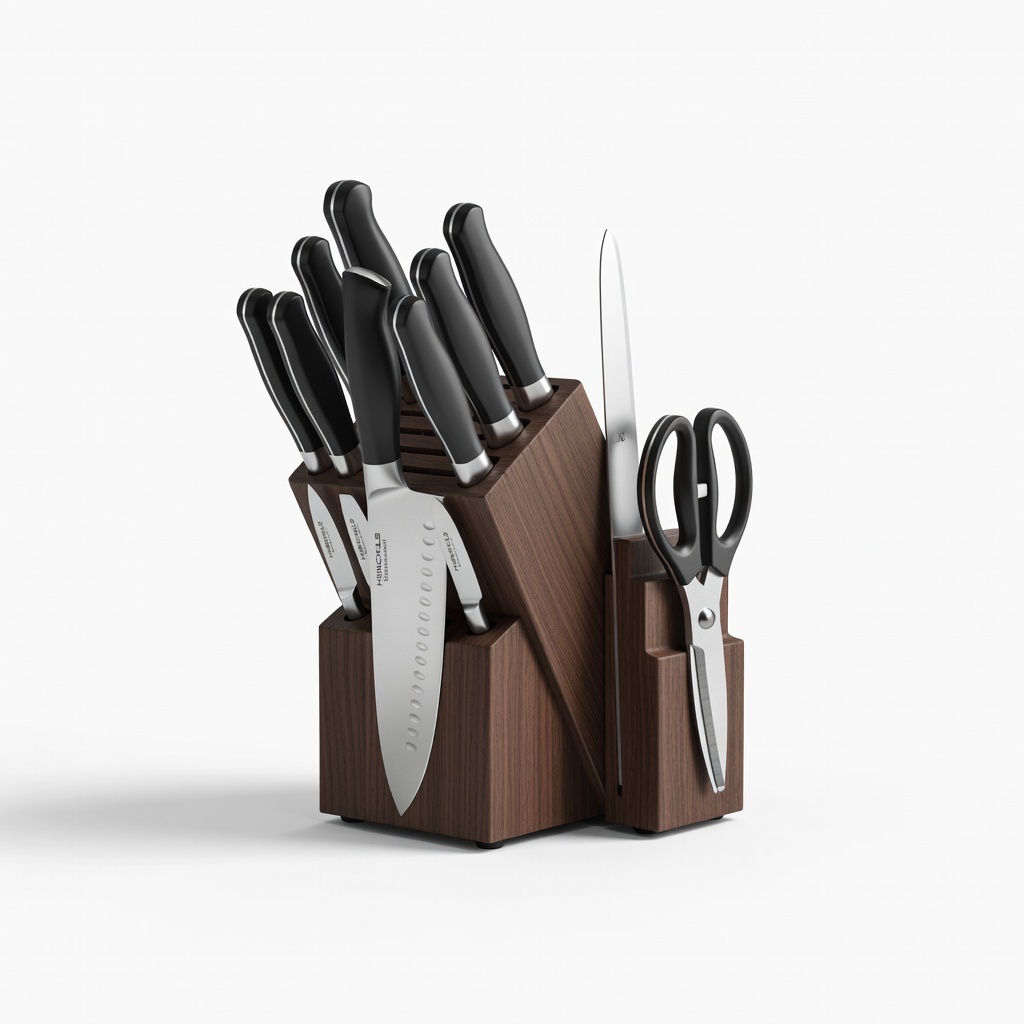
Amazon Basics 12-Piece Knife Block Set
Learning Curve: Easy
$39.99
Difficulty: 1/5
Why Great for Beginners:
Perfect entry point with all essentials in a compact block. Blades stay sharp for months, handles grip well even wet. Thousands of beginners praise it for easy first chops without breaking bank.
Sweet spot with premium feel at beginner price. Ergonomic Pakkawood handles prevent slips, blades cut smoothly from day one. Reviewers love how it builds confidence fast.
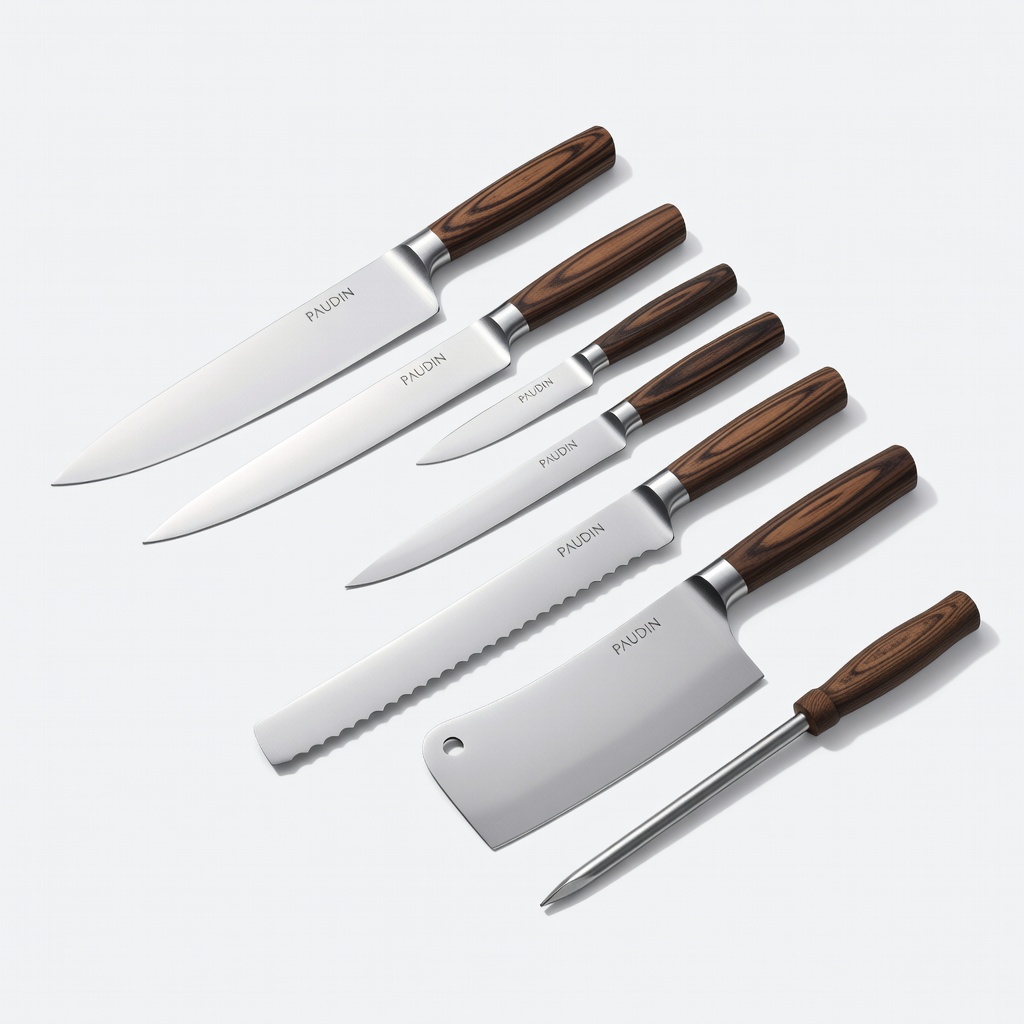
Premium quality that's still forgiving with ergonomic design. German high-carbon steel holds edge amazingly, handles feel pro without intimidation. Ideal for serious beginners.
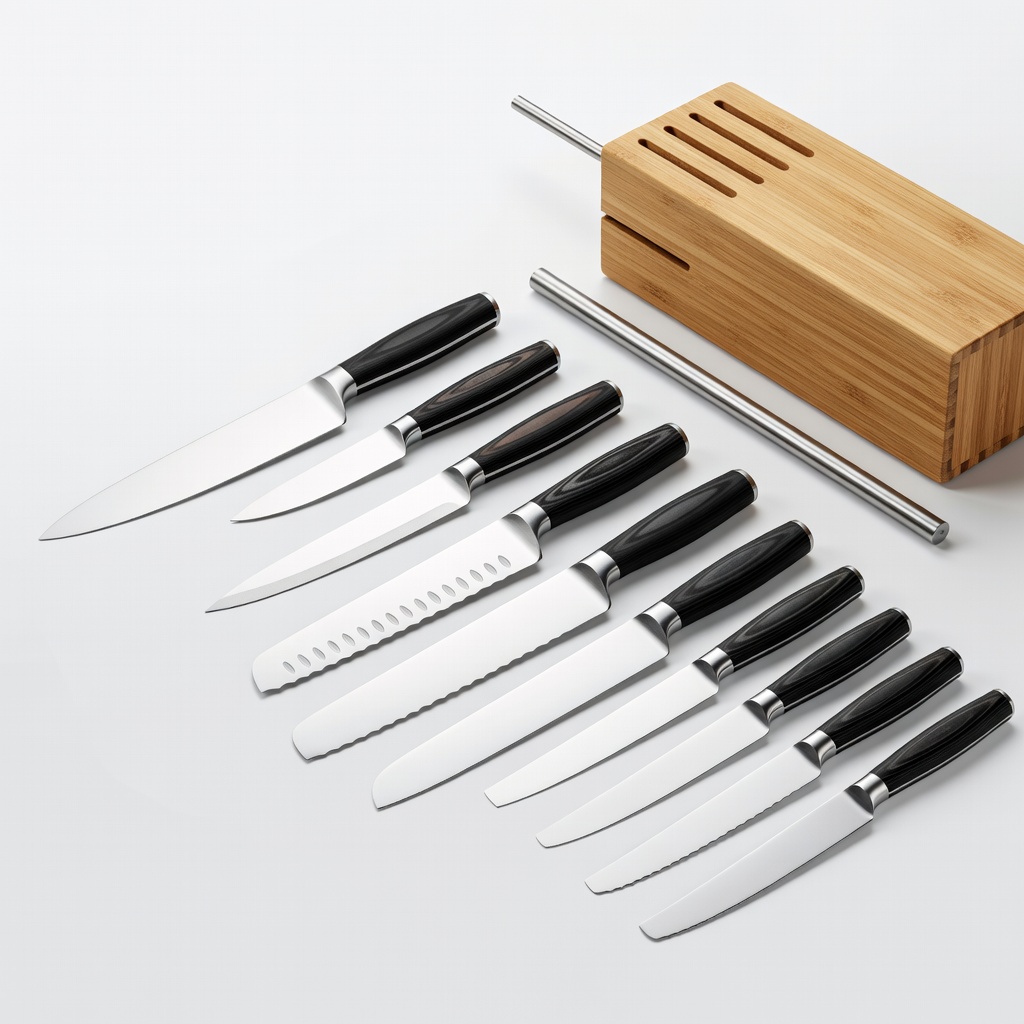
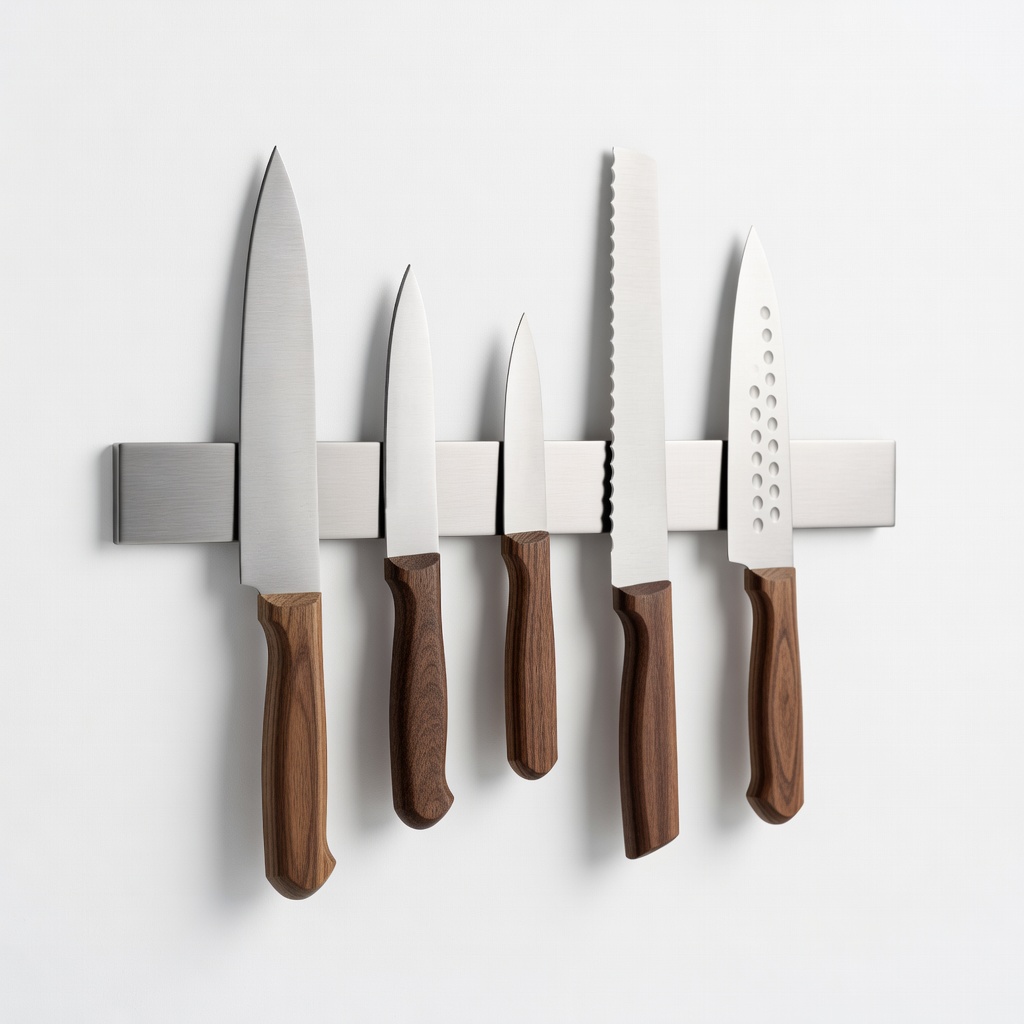
Knife sets are collections of 5-15 blades for everyday cooking tasks. Basics include an 8-inch chef's knife (your main chopper), 3.5-inch paring (peeling fruits), utility knife (small jobs), bread knife (slicing loaves), and steak knives. Storage comes as wood block, magnetic strip, or roll.
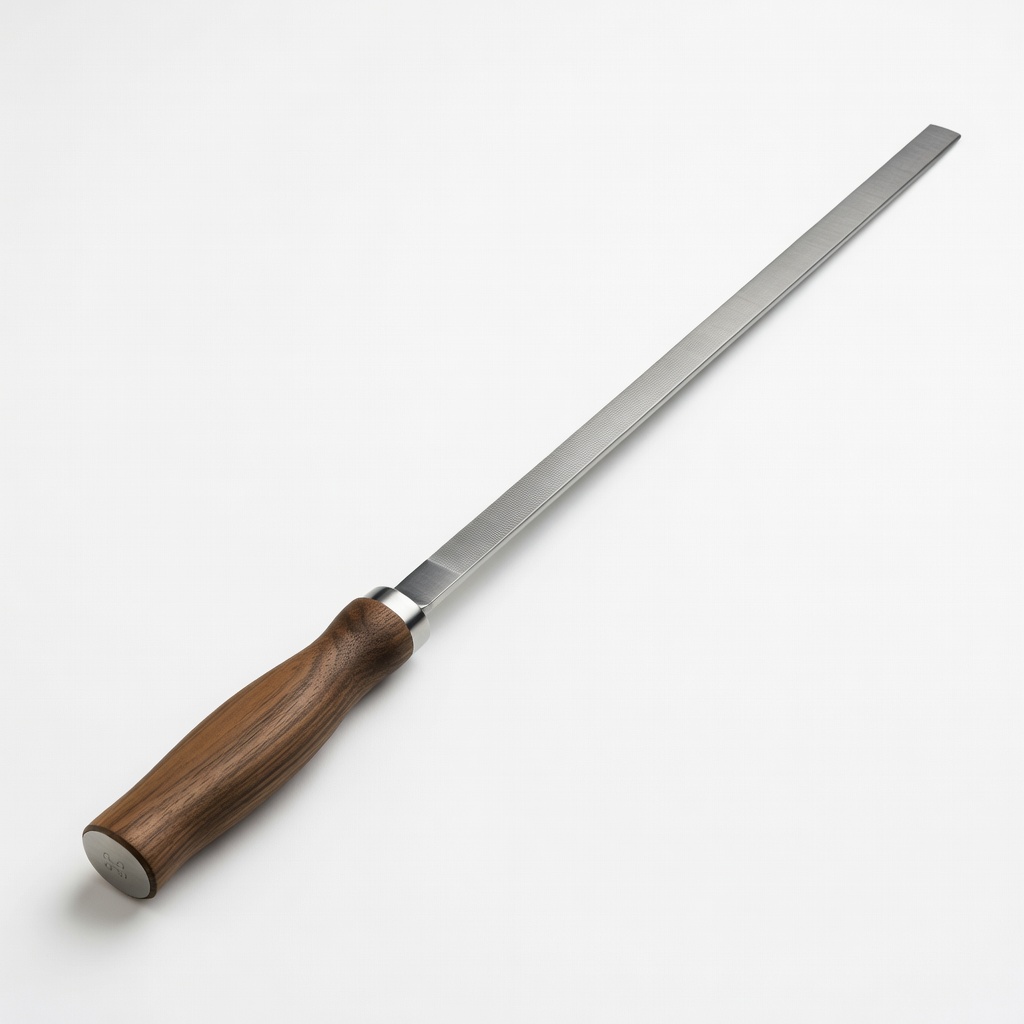
Best for beginners: Block sets with stamped stainless steel. They're affordable, light, and include honing steel for quick maintenance. Avoid full-tang pro sets - too heavy and need sharpening skills you don't have yet.
Expect to master basic chops in weeks: Dice onions, julienne carrots. 'Beginner-friendly' means intuitive grips, stays sharp 3-6 months with use. Marketing traps: 'German steel' sounds fancy but often just means durable stainless. Realistic: No set stays razor-sharp forever without care.
🔧 Essential Accessories for Beginners
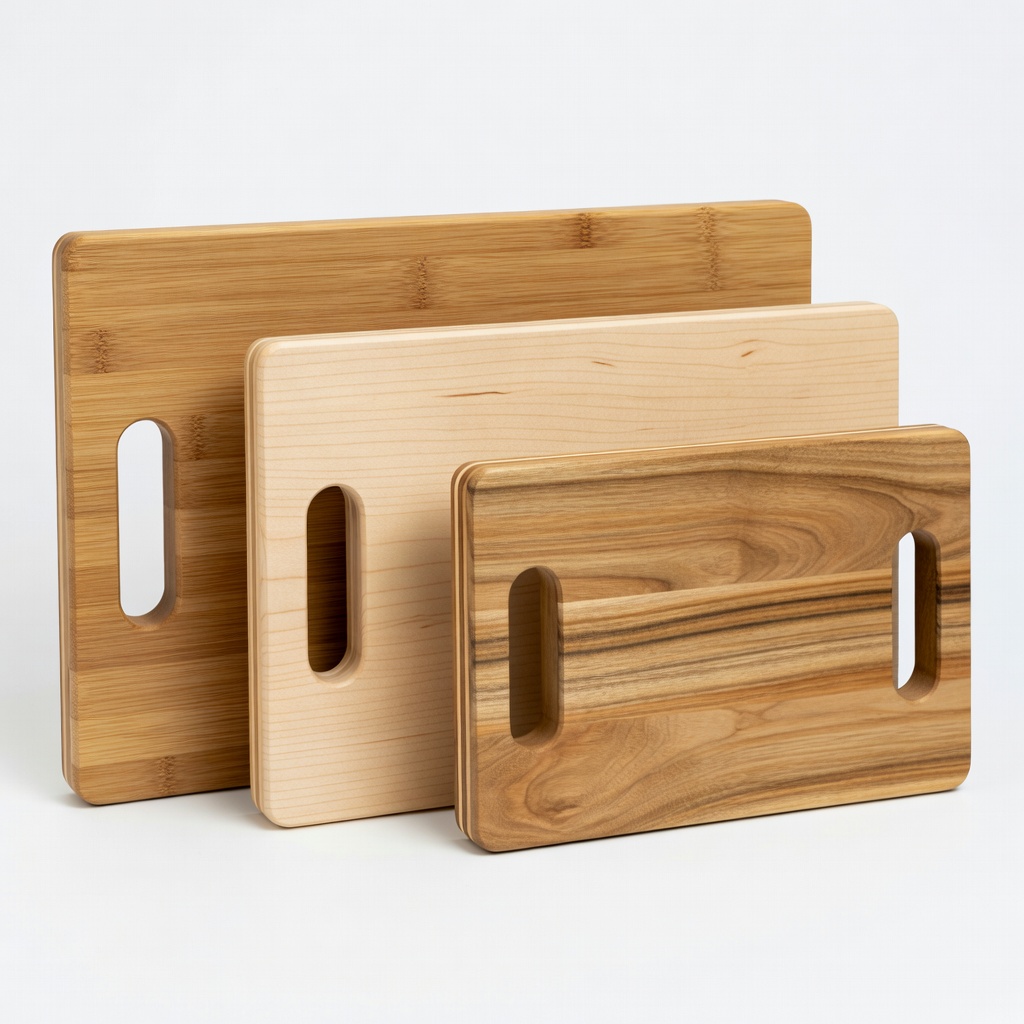
Farberware Classic Cutting Board Set
⚠️ Essential
$19.99
When to buy:
Day one
Knives need a proper surface to avoid dulling on plates. These non-slip boards protect blades and give stable chopping base for shaky beginner hands.
Ask: What's your budget? Daily home cooking or occasional? Space for a block? Start here: Under $50 for trial, $50-150 sweet spot, $150+ for lasting quality.
Scenarios: Family meals? Get 12-piece block. Small kitchen? 6-piece with magnetic strip. Growth: Pick sets with room to add specialty knives later. Go budget if testing cooking hobby; recommended for serious starters; premium if cooking daily.
Red flags: No storage (unsafe), all-forged (steep curve), vague 'ceramic coated' (chips easy). Test in-store grip if possible.
💰 Budget Guide for Beginners
300+
Pro entry - high-end steel, for committed cooks planning upgrades
50 - $150
Sweet spot - quality stainless, ergonomic, lasts years for most beginners
Entry level - basic stamped steel, good for trying cooking, may dull faster
⚠️ Common Beginner Mistakes to Avoid
Beginners grab cheapest Amazon deal, then complain blades won't cut bread after a week - false economy. Or splurge on $400 Wusthof dreaming of chef status, ignoring most features go unused. Forums full of 'wish I started mid-range.'
Avoid by sticking to $50-150, always buy block/boards together. Instead of dishwasher, hand-wash and hone weekly. Real lesson: Dull knives cause more accidents than sharp ones.
×Buying sets under $30 - dull fast, frustrating cuts
×Overbuying 20+ piece sets - most knives unused
×Skipping a storage block - blades get damaged or unsafe
×Ignoring handle comfort - slips lead to cuts
×Dishwashing everything - ruins edges quickly
×Choosing ceramic or gimmick coatings - chips easily
Start with basic cuts: Chop, dice, mince using your chef's knife. Practice 15 mins daily on veggies. Hone weekly, sharpen monthly.
Outgrow beginner set when edges dull weekly despite care, or you crave single premium knives. Typically 6-12 months. Upgrade to individual Japanese chef's knife first, then santoku.
Intermediate: Custom sets, whetstone mastery. Build skills via YouTube chops, then recipes needing precision.
📚 Learning Resources for Beginners
📖Knife Skills: An Illustrated Kitchen Guide to Using the Right Knife the Right Way by Bill Collins (ASIN: B0015AUR0C)
📖The Food Lab: Better Home Cooking Through Science by J. Kenji López-Alt (ASIN: B00N2NRYO2) - knife section gold
📖Beginner's Knife Skills Practice Board (ASIN: B08L5M6N7O)
📖Salt, Fat, Acid, Heat by Samin Nosrat (ASIN: 1476753830) - foundational cooking with knife tips
📖Mastering Knife Skills Online Course Bundle (Amazon Video ASIN: B07X9Y1Z2A)
📖Epicurean Cutting Board Set for Practice (ASIN: B000NWB99U)
🎯 Bottom Line: Our Recommendations
Best overall for most beginners: imarku 14-Piece (B08T2U3V4W) - value, ease, growth room. Budget pick: Amazon Basics (B07P9Q0R1S). Premium: PAUDIN (B09W5X6Y7Z).
Grab essential cutting board and honing steel day one. You're not a pro yet - that's okay! This gear forgives mistakes while you learn.
Next steps: Unbox, hone blades, chop an onion. Watch free YouTube tutorials. Happy cooking - your meals will level up fast.
❓ Frequently Asked Questions
imarku 14-Piece (B08T2U3V4W) - ergonomic, sharp, great value at $80. Perfect balance of quality and ease.
$50-150 sweet spot gets stainless steel that lasts. Under $50 for trial, avoid over $300 unless committed.