Is Best Kite for beginners Worth It? Honest Review (2026)
Everything you need to choose your first kite with confidence and enjoy the skies from day one.
Choosing your first kite can feel overwhelming. With so many shapes, sizes, and materials, it’s easy to get lost in technical terms like 'aspect ratio' or 'carbon fiber spars'. But flying a kite should be pure joy — a simple thrill of feeling the wind lift your creation into the sky. This guide cuts through the noise and helps you pick the perfect beginner kite that’s forgiving, easy to set up, and fun to fly. You'll learn what features truly matter, avoid common mistakes, and be ready for your first flight with confidence.
📋 In This Guide
• Why Beginners Struggle with Kite
• What to Look For (Key Features)
• Top 5 Beginner-Friendly Kite
• Essential Accessories for Beginners
• Common Beginner Mistakes to Avoid
• Your Progression Path
• FAQ & Learning Resources
😰 Why Beginners Struggle with Kite
Many beginners buy a kite that’s too advanced, too fragile, or designed for wind conditions they don’t have. Common frustrations include tangled lines, kites that won't launch, or models that crash easily. Technical jargon like 'delta', 'diamond', and 'dual-line' confuses newcomers. Fear of wasting money and the sheer number of options online paralyze decision-making. Beginners also often overlook essential accessories like good line and a winder, leading to a frustrating first experience.
🔍 What to Look For: Key Beginner-Friendly Features
For your first kite, prioritize simplicity and durability over performance. Look for a single-line kite (easiest to fly), a forgiving design like a delta or diamond that flies in light winds, and a strong frame (fiberglass or flexible plastic) that bends rather than breaks. Avoid kites with too many adjustments or complex bridles. A good beginner kite should assemble in minutes, require no tuning, and fly stably in a breeze as low as 5 mph. Essential features include a simple line clip, a long tail for stability, and clear instructions. <br><br> Don't worry about advanced features like two-line control or power kites yet. Your first kite should focus on the basic joy of getting it up and keeping it there. A kite with a wide wind range (5-20 mph) and a bright color for visibility is ideal. Also check that the line is included and of good quality — cheap line can tangle or break easily.
✅ Essential Features for Beginners
•Single-line design — much easier to fly than dual-line, just let the wind do the work
•Stable delta or diamond shape — self-stabilizing and forgiving in gusty winds
•Flexible fiberglass frame — bends instead of snapping on hard landings
•Wide wind range (5-20 mph) — can fly in light breezes without needing strong wind
•Long tail or streamers — adds stability and looks great, keeps the kite oriented
•Quick setup — no tools required, simple color-coded assembly
•Included line and winder — ready to fly out of the box
•Bright colors — easy to spot and photograph against blue sky
🏆 Top 5 Best Kite for Beginners
#1
💰 Budget
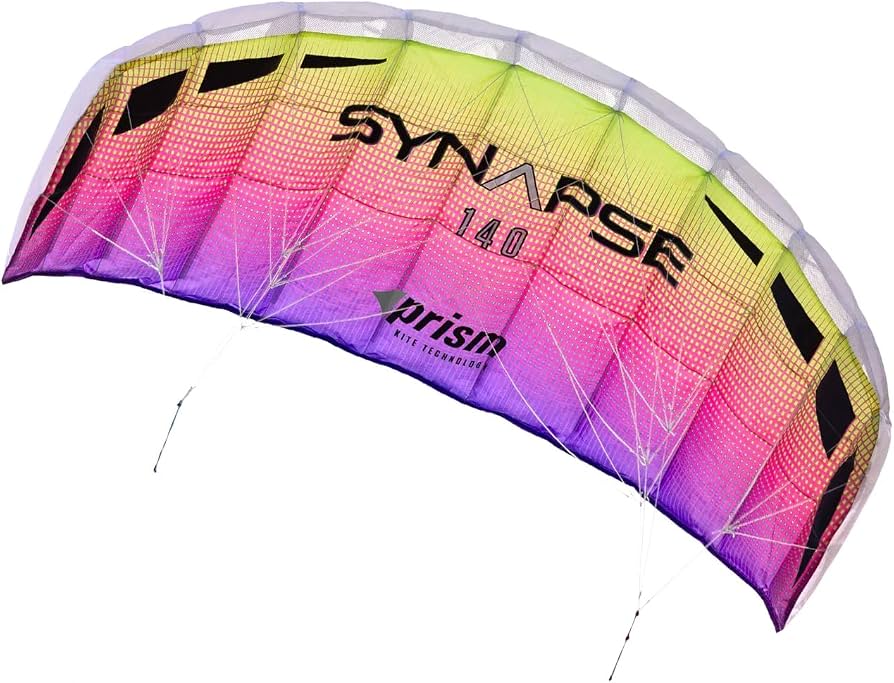
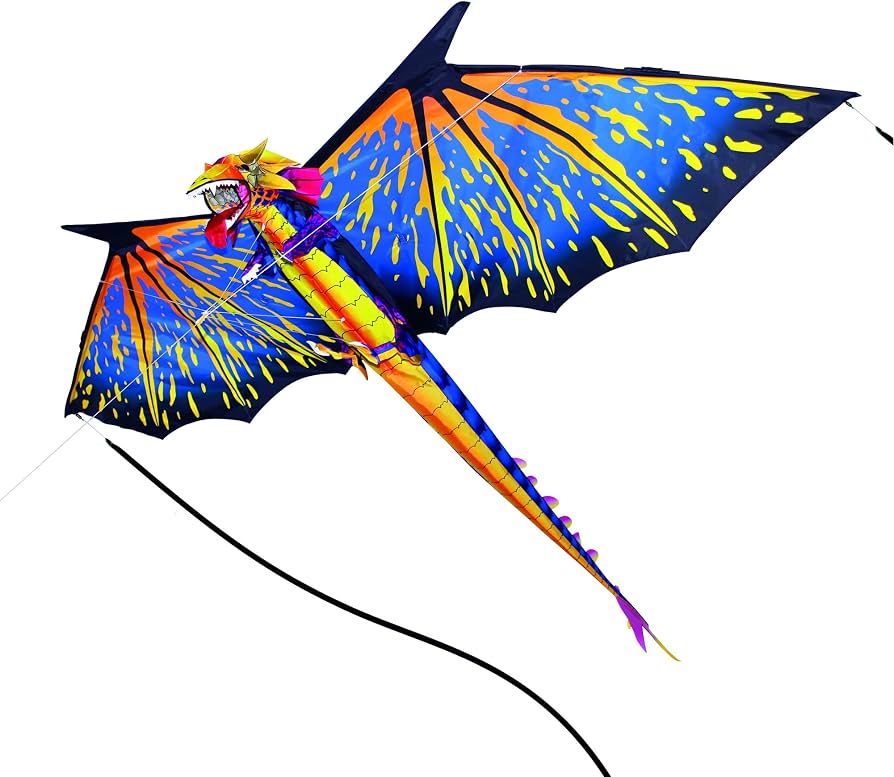
Prism Synapse 168 Delta Kite
Learning Curve: Easy
$39.95
Difficulty: 1/5
Why Great for Beginners:
The Prism Synapse is a top-rated beginner delta kite. Its flexible fiberglass frame takes knocks without breaking, and the simple bridle needs no adjustment. It flies in very light wind (5 mph) and is incredibly stable, making first flights a joy.
✓ Beginner Pros
+Sets up in under a minute
+Very forgiving in gusty wind
+Bright colors and a bold design
+Comes with 120-foot line and winder
✗ Beginner Cons
-Tail not included (buy separately)
-Not suitable for very high wind (>20 mph)
👍 Best for: Absolute beginners who want a reliable kite that flies easily and survives crashes
👎 Not for: Those seeking a dual-line stunt kite or large show kite
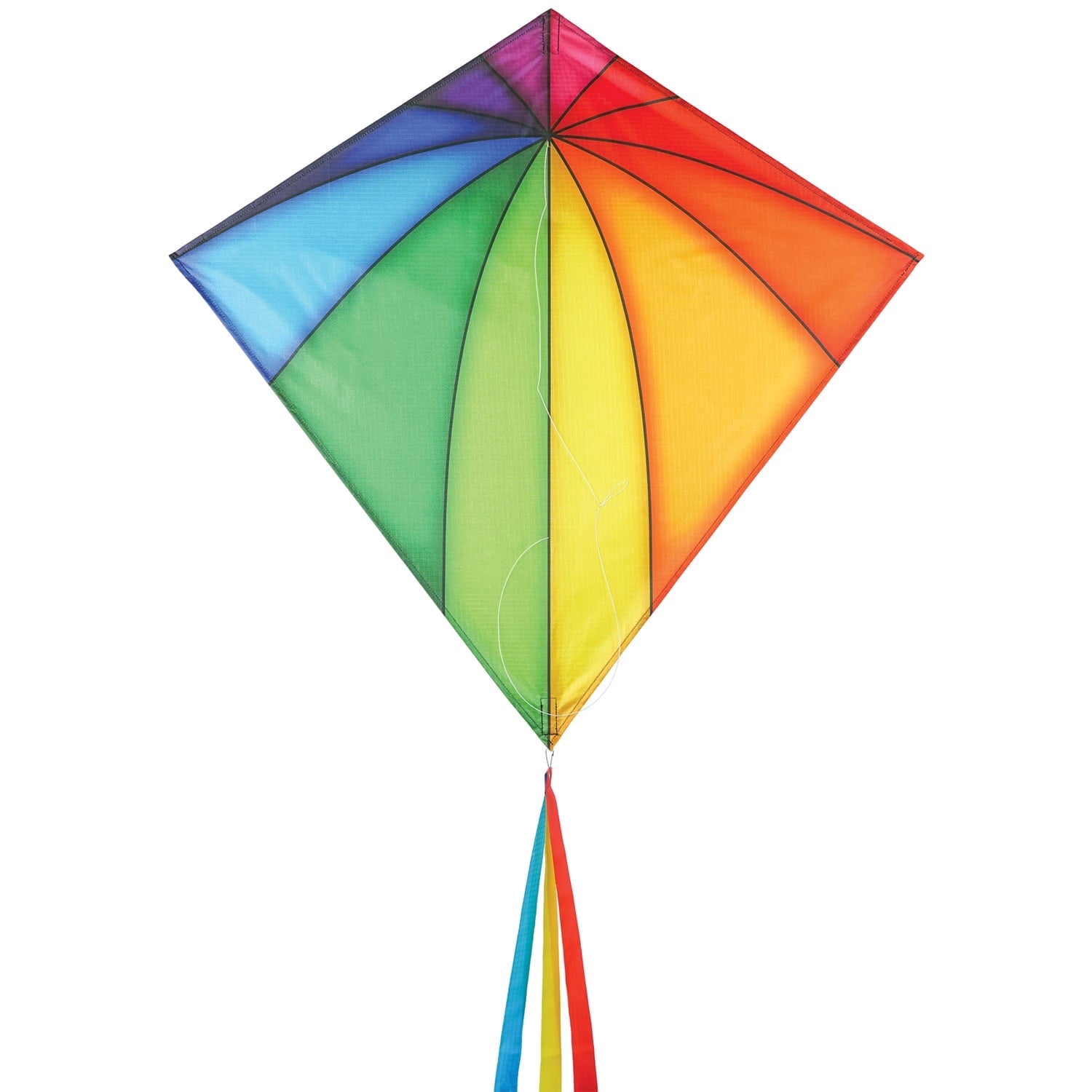
This classic diamond kite is very inexpensive and perfect for kids or first-timers on a tight budget. It's simple to assemble and flies well in moderate wind. The long tail adds stability and visual appeal.
✓ Beginner Pros
+Extremely affordable
+Lightweight and easy to carry
+Comes with tail and line
✗ Beginner Cons
-Frame is less durable than fiberglass
-Needs moderate wind (8-15 mph)
-Can spin without tail
👍 Best for: Casual flyers, families, and very young children
👎 Not for: Anyone hoping to fly in light wind or wanting a long-lasting kite
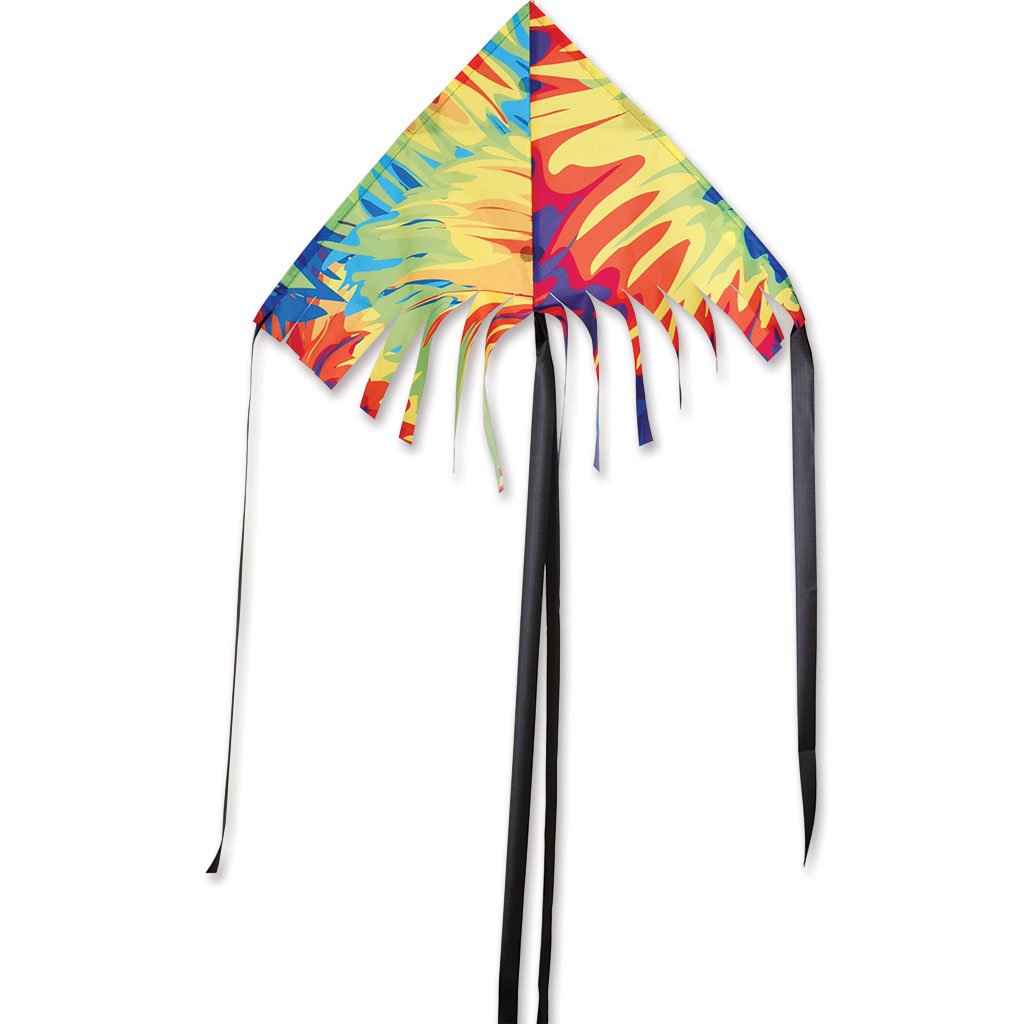
This delta kite offers a perfect balance of price and performance. The pre-tied bridle is easy to attach, and the kite launches effortlessly. Its ripstop nylon body and fiberglass frame are durable, and the rainbow tail makes it a crowd favorite.
✓ Beginner Pros
+Excellent stability in light to moderate wind
+Colorful tail included
+Quick setup with snap-connect frame
✗ Beginner Cons
-Line not included (need 150 lb line)
-Not for high wind
👍 Best for: Beginners wanting a reliable, fun kite that looks great in the sky
👎 Not for: Those who need a complete kit with line and winder
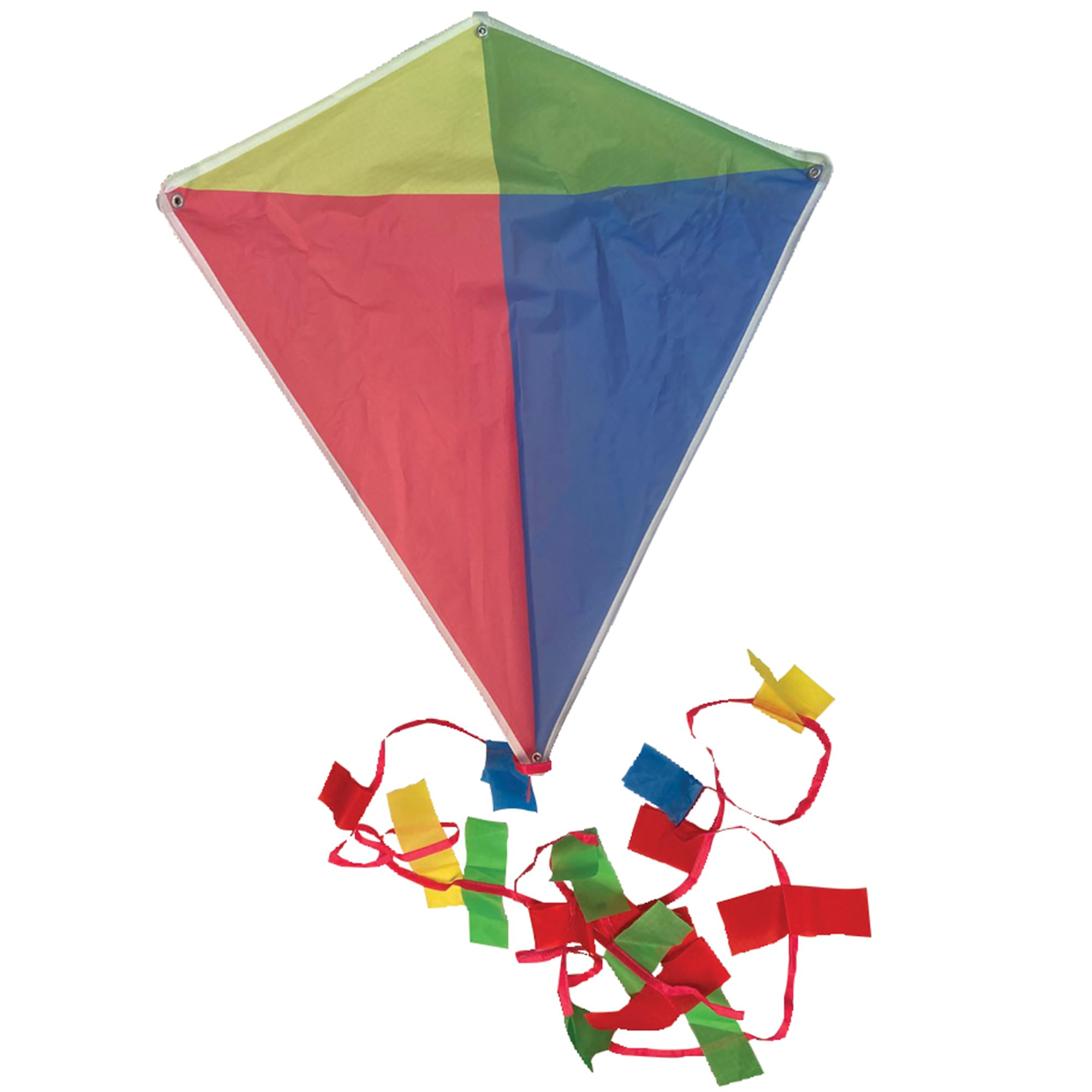
A classic diamond kite complete with 100m line and winder. Ideal for beginners who want everything in one box. The kite is a good size for moderate wind and the long tail keeps it stable. Price is very competitive.
✓ Beginner Pros
+Includes line and winder
+Vibrant color options
+Great value for money
✗ Beginner Cons
-Frame can bend in strong gusts
-Tail may tangle
👍 Best for: Beginners who want an all-in-one solution without extra purchases
👎 Not for: Those flying in very light wind (under 6 mph)
This is a premium beginner kite that folds into a tiny pouch. It's a delta kite with a unique folding frame that's extremely durable. Flies in very light wind and is virtually indestructible. Perfect for travel or advanced beginners who want quality.
✓ Beginner Pros
+Ultra-portable (fits in a pocket)
+Amazing durability
+Flies in 5-30 mph wind
✗ Beginner Cons
-Higher price
-No tail included
👍 Best for: Beginners who travel, camp, or want a premium kite that lasts for years
👎 Not for: Budget-conscious beginners or those who want a traditional kite look
Kites come in many types: diamond, delta, parafoil, box, and stunt kites. For beginners, the best choices are diamond or delta kites. Diamond kites are classic, cheap, and very stable but need a moderate wind. Delta kites are longer, fly in lighter wind, and are incredibly stable. <br><br> Single-line kites are the perfect starting point — you simply attach the line, launch into the wind, and watch it soar. Dual-line stunt kites look cool but require practice to keep airborne. Parafoils (soft kites) are great for portability but can be less stable. <br><br> A beginner-friendly kite should have a forgiving design: a convex shape that naturally rights itself, a flexible frame that bounces back, and a tail that prevents spinning. Expect to fly in winds from 5 to 15 mph; too much wind can overwhelm a beginner kite. Assembly should be intuitive — many modern kites snap together without extra tools. <br><br> Marketing terms like 'professional' or 'competition' usually mean more complex setups. Ignore them. Look for 'easy flyer', 'beginner', 'stable', and 'ready to fly'. A good beginner kite costs between $15 and $45 — spending more on your first kite often adds features you don’t need.
🔧 Essential Accessories for Beginners
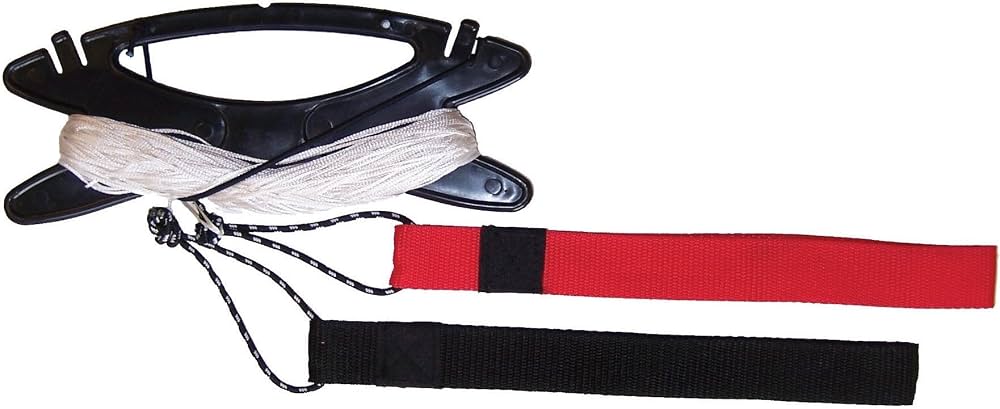
Pelican 150-lb Kite Line and Winder Set
⚠️ Essential
$8.99
When to buy:
Day one
Most beginner kites either don't include line or include very short, poor quality line. This set gives you 500 feet of strong 150-lb test line on a comfortable winder. You'll have plenty of line for high flights and the winder prevents tangles.
Adding a tail to any kite dramatically improves stability and keeps the nose pointed into the wind. This 6-foot tail is lightweight and bright, making your kite easier to see and less likely to crash.
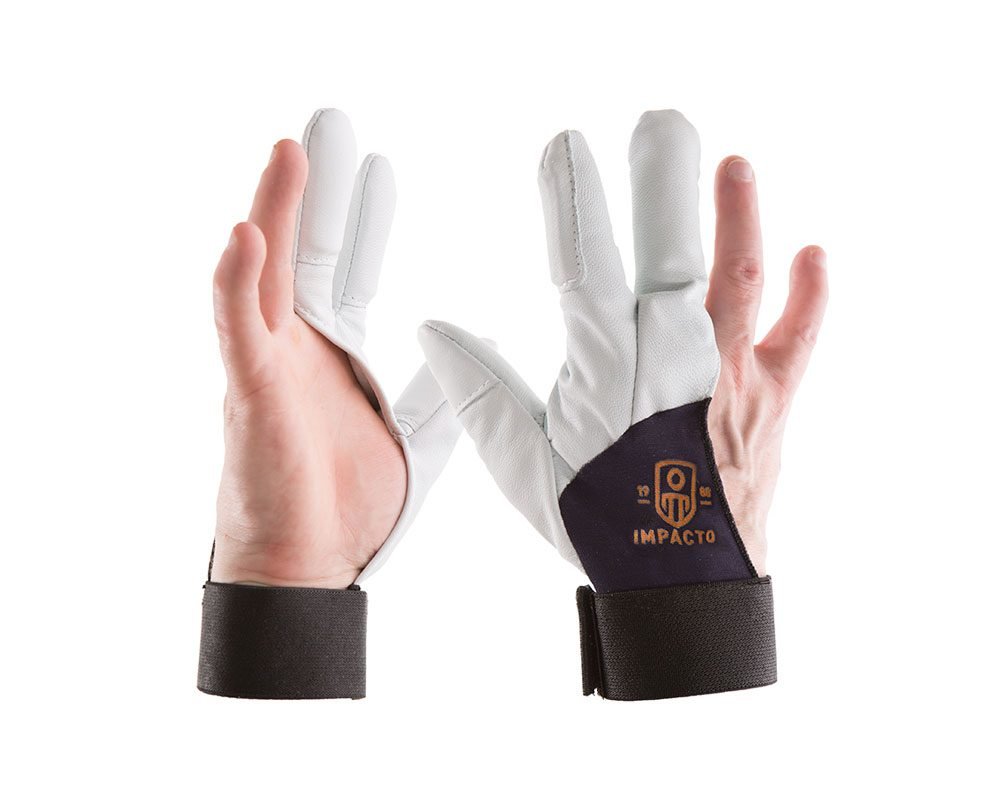
Kite line can cut hands if it runs through your fingers, especially in strong wind. Gloves protect your hands and give you a better grip on the line. They're also warm for cool days.
Beginners often crash their kites. A small tear can end a flying session, but a quick patch with repair tape can get you back in the air. This kit includes ripstop nylon patches and strong adhesive.
First, ask yourself: Where will I fly most often? Open fields or beaches with steady wind? A delta kite is ideal for light wind areas. For park flying with kids, a durable diamond kite with a long tail is fun and forgiving. Budget is key — spend between $15 and $50 for your first kite. Avoid anything under $10 (likely poor quality) and over $80 (usually too advanced). <br><br> Consider your confidence level: if you want the maximum chance of success with zero frustration, pick a delta kite with a glow-in-the-dark tail. If you're buying for a child, a soft parafoil or small diamond kite is safer. Read reviews from other beginners — they'll highlight ease of setup and stability. Finally, always buy a kite that comes with line and a winder; buying them separately adds cost and complexity. <br><br> A good rule: the simpler the kite, the better your first experience. You can always upgrade later when you understand what you really want.
💰 Budget Guide for Beginners
70+
Advanced beginner — dual-line kites or larger deltas; only consider if you've tried a basic kite and want more control
15 - $40
Sweet spot — best value for most beginners, includes durable frames and reliable performance
40 - $70
Premium beginner — higher quality materials, better wind range, and often includes a carry bag
Under $ - $15
Entry level — acceptable for occasional play, but may lack stability; best for very gentle winds
⚠️ Common Beginner Mistakes to Avoid
["Buying a cheap toy kite that breaks on the first flight","Choosing a dual-line or stunt kite as a first kite","Ignoring wind conditions — flying when it's too calm or too strong","Not buying a tail separately if the kite doesn't include one","Assembling the kite incorrectly (e.g., cross spars mismatched)","Using fishing line or other non-kite line that twists and snaps","Assuming more expensive means easier — often the opposite","Forgetting to pack accessories like line winder and repair tape"]
📈 Your Progression Path: Beginner to Intermediate
Start with a single-line delta or diamond kite. Master launching, flying in different wind strengths, and landing gently. Once you feel comfortable controlling the kite’s height and stability, you can experiment with a longer tail or a larger kite. After a few months, if you crave more interaction, try a dual-line parafoil or a stunt kite — they’re challenging but rewarding. Signs you’re ready to upgrade: you can fly your beginner kite in any wind, you easily land on a target, and you want more control. Most beginners stay with a single-line kite for a season before moving on.
📚 Learning Resources for Beginners
📖{"resourceName":"The Kite Maker's Manual (Book)","asin":"B0006RR4ZG","type":"book","descriptionMd":"A classic guide to building and flying kites. Teaches the basics of aerodynamics and design. Perfect for understanding how kites work."}
📖{"resourceName":"Kite Flying 101: A Beginner's Course (DVD)","asin":"B001UHY1FQ","type":"video","descriptionMd":"An instructional DVD covering wind conditions, launching, flying techniques, and landing. Great visual learning for new flyers."}
📖{"resourceName":"The Kite Society Beginner's Guide to Kites","asin":"B01M8FK2Y7","type":"booklet","descriptionMd":"A small, affordable booklet that condenses essential knowledge into 20 pages. Handy to take to the field."}
🎯 Bottom Line: Our Recommendations
For most beginners, the Prism Synapse 168 is the best overall pick — it's affordable, nearly indestructible, and flies beautifully in light wind. On a tight budget, the Kites Direct Rainbow Diamond offers classic fun for less than $15. If you want a premium travel kite, the Into The Wind Pocket Kite is a fantastic investment. Don't forget to add a tail if needed and a good line winder. Your first kite should bring pure joy, not frustration. Get a simple, forgiving kite, find an open field, and let the wind do the work. Happy flying!
❓ Frequently Asked Questions
The Prism Synapse 168 delta kite is widely recommended for beginners. It's stable, durable, and flies in light wind. For a lower budget, a diamond kite like the Kites Direct 18" Rainbow is a good start.
Between $15 and $40 is the sweet spot. You can get a quality kite that will last. Under $10 often means poor materials; over $70 usually adds complexity you don't need yet.
Single-line design, delta or diamond shape, flexible fiberglass frame, wide wind range, included line and winder, and a tail for stability. Avoid dual-line or adjustable bridles.
Delta kites are easiest because they self-launch and are very stable. The Prism Synapse and Premier Kites Rainbow Bridle are excellent options.
A good line winder (500 ft line), a tail if not included, repair tape, and optionally gloves. These ensure a smooth first experience.
Consider where you'll fly (light wind or moderate?), your budget, and whether you want an all-in-one kit. Pick a single-line delta or diamond kite from a reputable brand like Prism or Premier.
Not at all with the right kite. A single-line delta kite is very easy — launch into the wind, let out line, and watch it climb. It becomes intuitive quickly.
Buying a stunt kite first, flying in too much wind, not using a tail, cheap line that tangles, and assembling the kite incorrectly. Avoid these by following a buying guide.