7 Best Best External Hard Drive for beginners in 2026: Tested &…
Everything beginners need to know to choose their first external hard drive with confidence
Choosing your first external hard drive can feel overwhelming with all the technical specs, speeds, and brands out there. But it doesn't have to be. Whether you need to back up precious photos, free up laptop space, or store your movie collection, the right drive can make life simpler. This guide cuts through the jargon and helps you pick a beginner-friendly drive that’s easy to use, reliable, and won’t break the bank. By the end, you’ll know exactly what to look for and which drive is right for you.
📋 In This Guide
• Why Beginners Struggle with External Hard Drive
• What to Look For (Key Features)
• Top 4 Beginner-Friendly External Hard Drive
• Essential Accessories for Beginners
• Common Beginner Mistakes to Avoid
• Your Progression Path
• FAQ & Learning Resources
😰 Why Beginners Struggle with External Hard Drive
Many beginners get lost in terms like RPM, USB 3.2 Gen 2, or SSD vs HDD. They worry about compatibility with their computer, fear losing data, or simply don’t know how much storage they actually need. Online reviews often focus on advanced performance metrics that don’t matter to a first-time buyer. The sheer number of options—different brands, colors, storage sizes—can paralyze a newcomer. This guide focuses only on what matters for a beginner: simplicity, reliability, and value.
🔍 What to Look For: Key Beginner-Friendly Features
As a beginner, you want a drive that’s plug-and-play (just connect and it works), comes with automatic backup software, and offers enough storage for your needs without going overboard. Key features: 1) USB 3.0 or higher for fast transfers, 2) capacity between 1TB and 4TB (sweet spot for most), 3) portable or desktop depending on use, 4) included backup software, 5) durable build. Avoid drives that require formatting or extra setup. For most beginners, a simple portable HDD is perfect—it’s affordable, forgiving, and holds a lot.
✅ Essential Features for Beginners
•Plug-and-play compatibility: Works with Windows and Mac out of the box
•Included backup software: Automatically backs up your files with one click
•USB 3.0 or 3.1: Fast enough for most beginners, no need for Thunderbolt
•Capacity from 1TB to 4TB: Enough for years of photos, documents, and media
•Portable design: Easy to carry, no external power needed
•Reliable brand: Seagate, WD, or Toshiba for peace of mind
•Warranty: At least 2 years for protection
🏆 Top 4 Best External Hard Drive for Beginners
#1
⭐ Top Pick👍 Recommended
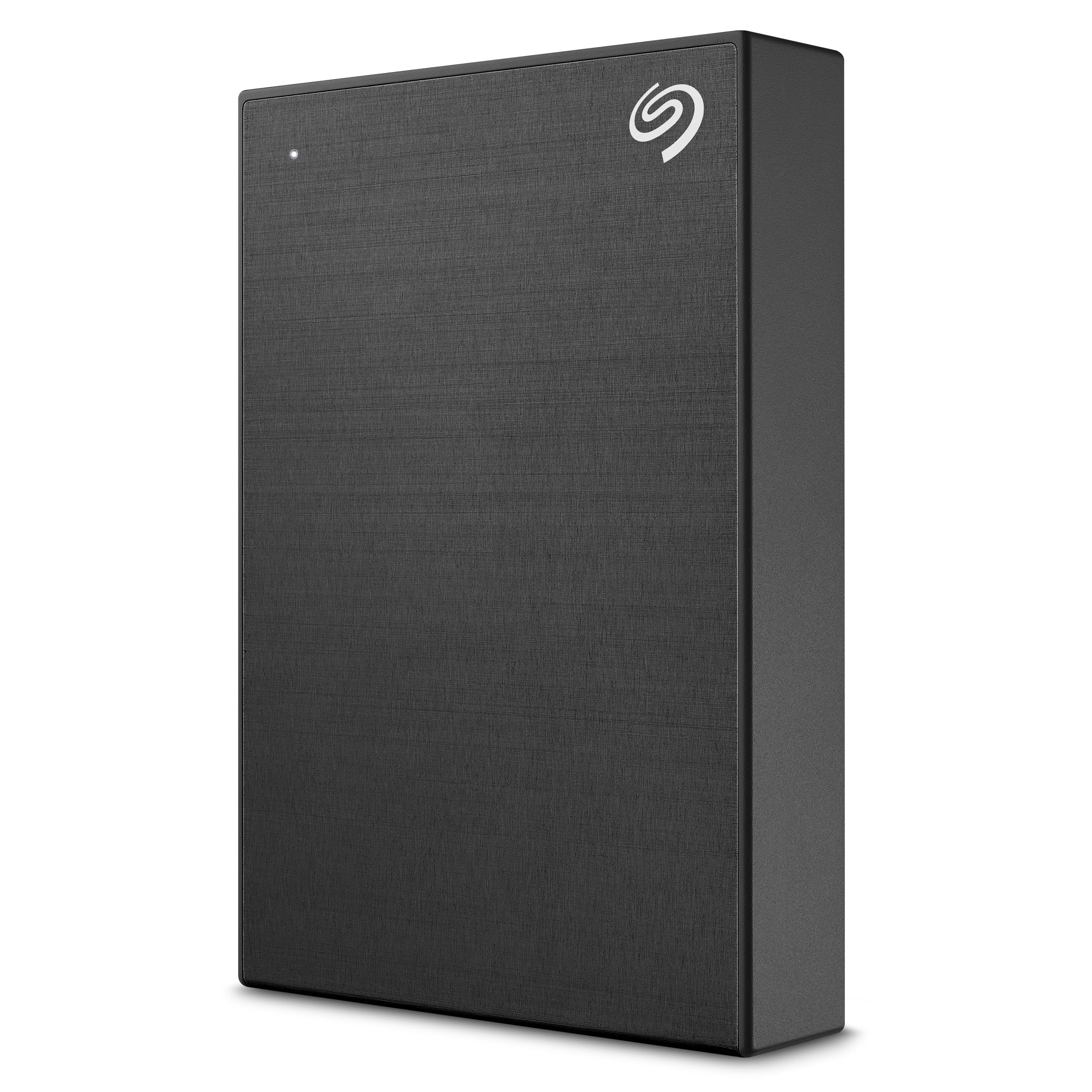
Seagate Backup Plus Portable 2TB External Hard Drive
Learning Curve: Easy
$64.99
Difficulty: 1/5
Why Great for Beginners:
Plug-and-play with Windows and Mac, includes automatic backup software (Seagate Toolkit), and a slim portable design. Perfect for first-time users.
✓ Beginner Pros
+Comes with backup software that runs automatically
+Simple drag-and-drop or one-click backup
+Works with both Windows and Mac out of the box
+Lightweight and portable for laptops
+Trusted brand with good warranty support
✗ Beginner Cons
-HDD speed is slower than SSD (noticeable for large files)
-Some users report software can be buggy
-Not as durable as a rugged drive
👍 Best for: Beginners who want a reliable, affordable backup solution for their laptop or desktop
👎 Not for: Users who need fast transfer speeds for video editing or heavy file transfers
📖 Complete Beginner's Guide to External Hard Drive
An external hard drive is basically a portable storage box that connects to your computer via USB. There are two main types: HDD (hard disk drive) and SSD (solid state drive). HDDs are slower but offer much more storage for the money—best for backups and large files. SSDs are faster and more durable but cost more per gigabyte—great for active work and portability. For a beginner focused on backup, a 2TB or 4TB HDD is the ideal balance of price and capacity. Many come with software that runs backups automatically. Just plug it in, set it up once, and forget about it. You don’t need to worry about RAID, encryption (though some models offer it), or speed ratings. Beginners should look for a drive with a simple, clear manual and good customer support. Brands like Seagate and WD dominate the market and are trusted by millions.
🔧 Essential Accessories for Beginners
Amazon Basics External Hard Drive Carrying Case
⚠️ Essential
$11.99
When to buy:
Day one
Protects your drive from scratches, drops, and dust. A must for portable drives that you carry around.
Start by asking: What will I use it for? If it’s daily backups of a laptop, go for a portable 2TB HDD. If you’re backing up a desktop or need lots of space for media, a desktop drive with 4TB+ might be better. Budget is key: $60–$100 gets you a reliable 1-2TB portable HDD, $100–$150 gets you 4TB or a portable SSD; over $150 is for larger capacities or premium SSDs. Always choose a drive from a major brand—avoid no-name ones. Red flags: drives that require external power (unless you need that), very cheap prices, or models with mixed reviews about reliability.
💰 Budget Guide for Beginners
200+
Professional entry – high-capacity desktop drives or Thunderbolt SSDs, for serious storage needs
60 - $120
Sweet spot – 2TB to 4TB portable HDD, best value for most beginners
120 - $200
Premium beginner – 2TB portable SSD or 4TB+ HDD, faster performance or larger capacity
Under $ - $60
Entry level – 1TB portable HDD, good for basic backups but may need upgrade soon
⚠️ Common Beginner Mistakes to Avoid
Buying too much capacity (4TB when 1TB would do) wastes money. Buying too little (500GB) leads to running out quickly. Skipping backup software and manually dragging files leads to forgotten backups. Choosing a desktop drive for a laptop defeats portability. Falling for high-speed specs like Thunderbolt when USB 3.0 is perfectly fine. Not checking if the drive comes with a USB cable (most do, but not all). Forgetting to register the warranty.
×Buying too cheap and getting a slow or unreliable drive
×Buying too expensive with features they don't need (Thunderbolt, RAID, huge capacity)
×Skipping backup software and relying on manual copies
×Not considering portability needs (desktop vs portable)
×Ignoring compatibility (drive formatted for Windows vs Mac)
×Forgetting to get a protective case
×Not planning for future storage growth
📈 Your Progression Path: Beginner to Intermediate
As a beginner, first learn how to set up automatic backups using the included software. Then get comfortable organizing files. After a few months, you may want faster transfers for video editing—that’s when you can consider an SSD. Signs you’ve outgrown: filling up your drive, needing faster speed for work, or wanting to back up multiple devices. Upgrade to a larger capacity or a faster drive when you understand your actual needs.
📚 Learning Resources for Beginners
📖Book: 'The Backup Bible: A Beginner's Guide to Data Protection' (on Amazon)
📖Course: 'Udemy: Computer Basics for Beginners' (not on Amazon, but related)
📖Tool: 'CrystalDiskInfo' (free, not on Amazon)
🎯 Bottom Line: Our Recommendations
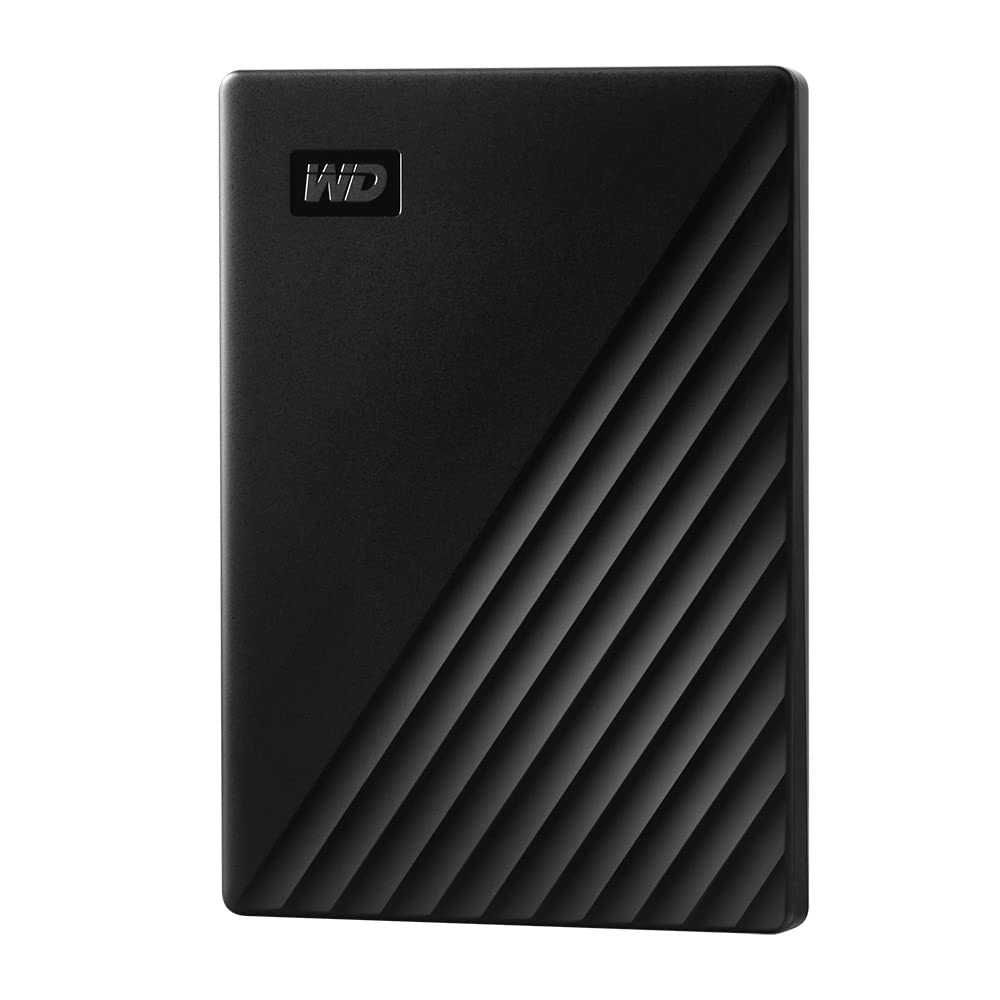
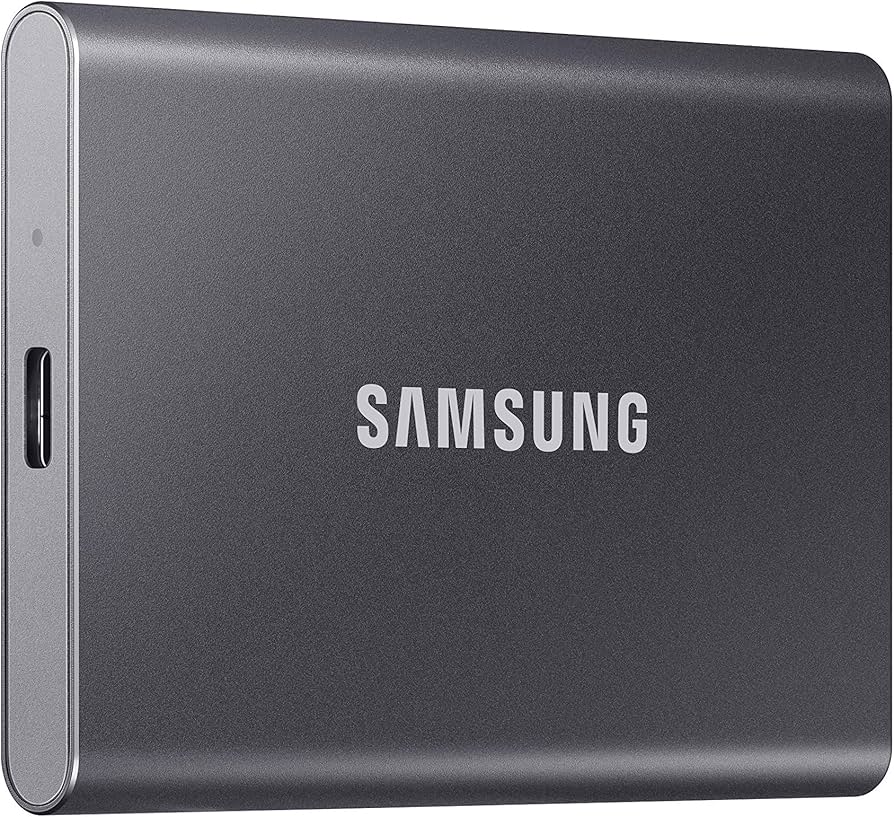
For most beginners, the Seagate Backup Plus Portable 2TB (or WD My Passport 2TB) is the best overall pick—affordable, reliable, and easy to use. If you’re on a tight budget, the 1TB version works fine. For a premium experience that’s faster and more durable, the Samsung T7 Portable SSD is excellent. Always get a protective case and a spare USB cable. Remember: any drive is better than no backup. Start small, back up regularly, and you’ll be safe.
❓ Frequently Asked Questions
The best beginner external hard drive is a 2TB portable HDD from Seagate or WD. They are affordable, easy to use, and come with backup software. For faster performance, the Samsung T7 SSD is great but more expensive.
Most beginners should spend between $60 and $120 for a 2TB to 4TB portable HDD. This gives you the best value and enough storage for years. Avoid spending under $50 (may be unreliable) or over $200 unless you need specific features.
Beginners need plug-and-play compatibility, USB 3.0 or higher, at least 1TB capacity, and preferably included backup software. Durability and a good warranty are also important.
The Seagate Backup Plus Portable and WD My Passport are the easiest. They come with simple backup software and require no setup beyond plugging in.
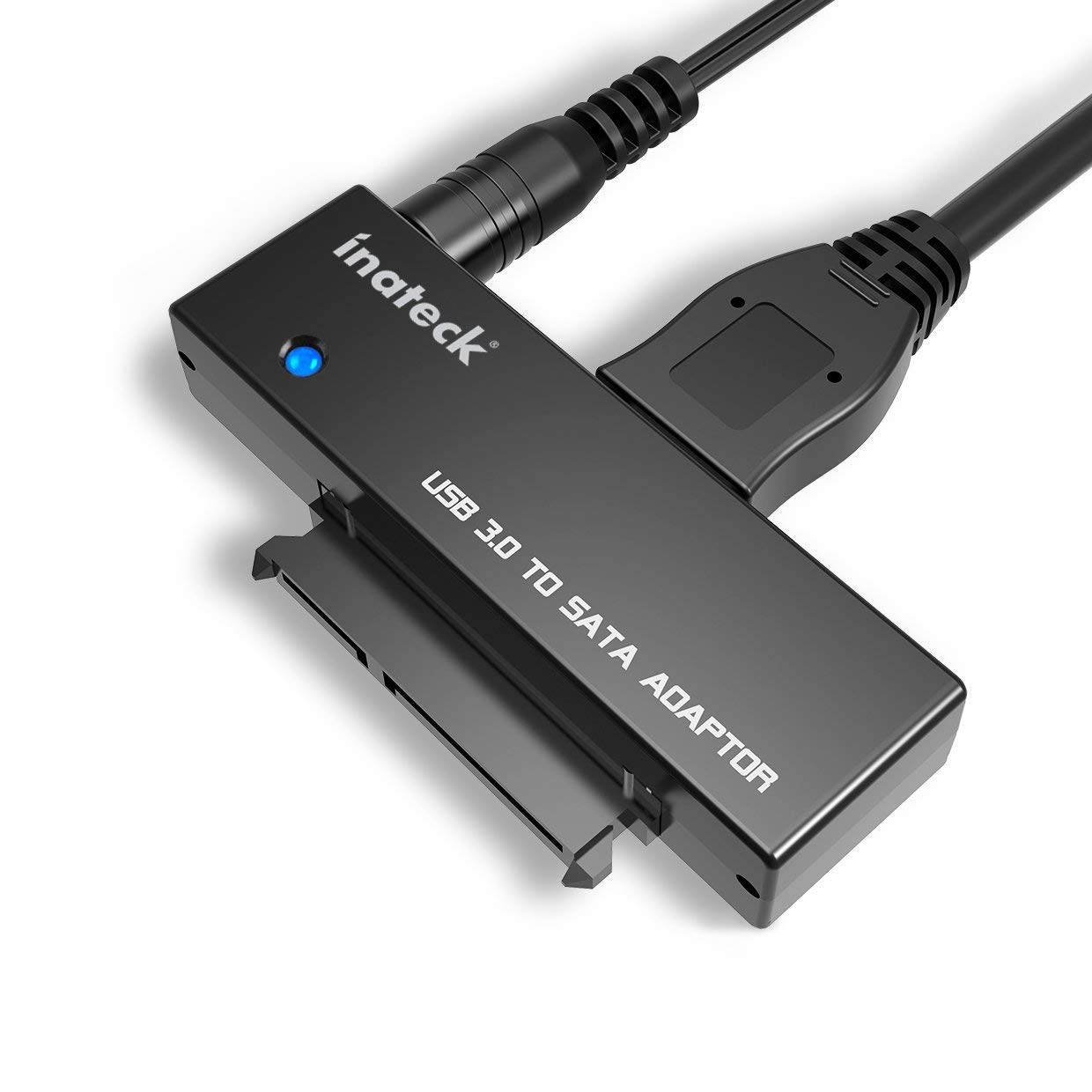
A protective carrying case and a spare USB cable are essential. A USB hub is nice if you have few ports. An adapter to repurpose old drives is optional.
Start by deciding your storage needs (photos/docs: 1-2TB, media collection: 3-4TB). Then pick a portable HDD from a trusted brand within your budget. Check that it’s compatible with your computer (most are). Finally, read beginner-focused reviews.
No, modern external hard drives are very user-friendly. Most are plug-and-play, and many include software that automates backups. You can typically set it up in minutes with no tech skills.
Common mistakes include buying too much or too little capacity, skipping backup software, choosing a desktop drive for portability, and not protecting the drive with a case.
For most beginners, an HDD is best because it offers more storage per dollar. Only get an SSD if you need faster file transfers or plan to use the drive for active work like video editing.
A typical HDD lasts 3–5 years, but it can vary. To protect your data, always have a second backup (e.g., cloud storage) and replace the drive if it starts making unusual noises.