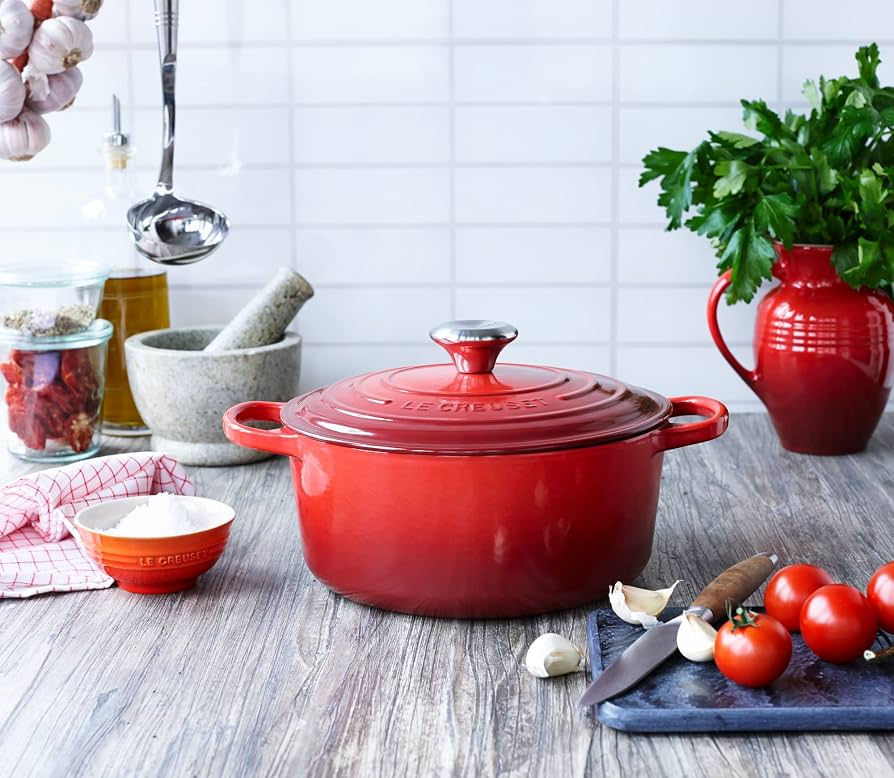
Is Best Dutch Oven for beginners Worth It? Honest Review (2026)
Everything beginners need to know to choose their first Dutch Oven with confidence.
Walking into a kitchen store or browsing Amazon for your first Dutch oven can be overwhelming. With so many sizes, materials, brands, and price points, it's easy to feel lost. But here's the secret: a Dutch oven is actually one of the simplest and most forgiving cookware pieces you can own. This guide will cut through the noise, explain exactly what features matter for beginners, and help you pick the perfect pot without breaking the bank. Whether you want to make soups, braise meats, bake bread, or simmer stews, by the end of this guide you'll feel ready to choose and use your first Dutch oven with confidence.
📋 In This Guide
• Why Beginners Struggle with Dutch Oven
• What to Look For (Key Features)
• Top 3 Beginner-Friendly Dutch Oven
• Essential Accessories for Beginners
• Common Beginner Mistakes to Avoid
• Your Progression Path
• FAQ & Learning Resources
😰 Why Beginners Struggle with Dutch Oven
Many beginners struggle because Dutch ovens come in two main types: enameled and bare cast iron. Enameled is easier to maintain (no seasoning) and more versatile for acidic foods, while bare cast iron requires seasoning and can react with tomatoes and wine. That confusion alone trips up newcomers. Additionally, terms like 'quart capacity', 'lid weight', 'heat distribution', and 'oven safe temperature' can be intimidating. Beginners also worry about price: high-end brands like Le Creuset cost hundreds of dollars, while budget options like Lodge are under $80, making it hard to know if spending more is worth it. There's also a fear of damaging the pot – chipping enamel, cracking cast iron, or ruining the finish. Finally, many beginners don't realize they need a few simple accessories (like a trivet or silicone handles) to get the most out of their Dutch oven.
🔍 What to Look For: Key Beginner-Friendly Features
For your first Dutch oven, focus on simplicity and ease of use above all. Look for an enameled cast iron model – it requires zero seasoning, is non-reactive, and cleans up easily with soap and water. The most important feature is size: 5 to 7 quarts is ideal for most beginners – large enough for a whole chicken or a loaf of bread, but not too heavy to handle. A tight-fitting lid is essential for self-basting (those little bumps on the underside help steam drip back onto the food). Handles should be wide and sturdy, easy to grip even with oven mitts. You don't need a 'premium' brand to start; a well-rated budget option will perform wonderfully. Avoid raw cast iron unless you're ready to learn seasoning. Also skip any Dutch oven with a non-stick coating – enamel is more durable and does the same job. Ignore marketing buzzwords like 'triple enameled' or '5-ply' – a simple porcelain enamel over cast iron is plenty.
✅ Essential Features for Beginners
•Enameled interior & exterior – no seasoning, non-reactive, easy cleanup
•5–7 quart capacity – versatile for most beginner recipes
•Tight-fitting lid with self-basting spikes – keeps food moist
•Wide, sturdy handles – easy to grip with oven mitts
•Oven safe to at least 450°F – works for bread baking and roasting
•Heavy, even heat distribution – prevents hot spots
🏆 Top 3 Best Dutch Oven for Beginners
#1
💰 Budget
Lodge 6-Quart Enameled Dutch Oven
Learning Curve: Easy
$69.99
Difficulty: 1/5
Why Great for Beginners:
This is the most recommended beginner Dutch oven. It's affordable, enameled (no seasoning), and forgiving. Users love its performance for soups, stews, and bread. The 6-quart size is versatile for most recipes.
✓ Beginner Pros
+Very affordable
+Easy to clean enamel
+Proven performance for bread and braising
+Durable and steady
✗ Beginner Cons
-Heavier than premium brands
-Enamel interior can be slightly rough
-Limited color options
👍 Best for: Budget-conscious beginners who want a reliable workhorse from day one
👎 Not for: Those who want a lighter pot or smoother interior
Cuisinart 7-Quart Chef's Classic Enameled Cast Iron Dutch Oven
Learning Curve: Easy
$99.99
Difficulty: 1/5
Why Great for Beginners:
A step up from Lodge with a smoother enamel interior and a lighter weight. The 7-quart size gives extra room for larger batches. It's a sweet spot for beginners who want a little more quality without the premium price.
✓ Beginner Pros
+Smooth enamel for easier cleaning
+Lighter than Lodge
+Larger capacity
+Good heat retention
✗ Beginner Cons
-Lid may not fit as tightly as Le Creuset
-Some report chipping after years of use
-Not as attractive as premium brands
👍 Best for: Beginners who want a solid mid-range pot that feels premium
👎 Not for: Those who need a smaller pot or want a lifetime warranty
Le Creuset 5.5-Quart Signature Enameled Dutch Oven
Learning Curve: Easy
$399.99
Difficulty: 1/5
Why Great for Beginners:
The gold standard. Lighter than budget pots, incredibly smooth enamel that releases food easily, and a beautiful design. The 5.5-quart size is perfect for most beginner recipes. It's an investment, but one that can last a lifetime.
✓ Beginner Pros
+Lightweight for its size
+Superior enamel (non-stick-like)
+Lifetime warranty
+Excellent heat distribution
✗ Beginner Cons
-Expensive
-Smaller capacity than recommended
-Can chip if dropped
👍 Best for: Beginners who have a larger budget and want a heirloom-quality pot
👎 Not for: Budget-conscious beginners or those who need more than 5.5 quarts
A Dutch oven is a thick-walled, heavy pot with a tight-fitting lid, typically made of cast iron and often coated with enamel. It excels at slow cooking, braising, stewing, roasting, and even baking bread because it retains and distributes heat evenly. The two main categories are enameled (coated with a glass-like porcelain) and bare (uncoated) cast iron. For beginners, enameled is strongly recommended because it's easier to clean, doesn't need seasoning, and won't react with acidic ingredients like tomato sauce. Within enameled Dutch ovens, you'll find budget brands (Lodge, Cuisinart) and premium brands (Le Creuset, Staub). The main differences are finish quality, weight, and warranty – but for a beginner, even a budget enameled Dutch oven will produce excellent results. Realistic expectations: You can make amazing soups, braised meats, no-knead bread, and deep-fried foods. You don't need to be an expert cook – the Dutch oven does most of the work. Just follow recipes and practice heat control (medium heat is usually plenty). Beginner-friendly means: forgiving if you leave it on the heat too long, easy to clean, and versatile enough to grow with you.
🤔 How to Choose Your First Dutch Oven
Ask yourself three simple questions: 1) What will I cook most often? If soups and stews, go 6-7 quarts; if bread and smaller meals, 5 quarts is fine. 2) What's my budget? Under $100 gets you an excellent Lodge enameled Dutch oven; $100-200 gets more brand options like Cuisinart; $200-400 gives you premium Le Creuset or Staub. 3) How much weight can I handle? A 7-quart Dutch oven weighs 12-15 pounds empty – be honest about your strength. For most beginners, a 6-quart enameled Lodge at around $70 is the smartest choice – it's affordable, proven, and works beautifully. If you want a gift or plan to cook very frequently, consider a mid-range Cuisinart or up to a Le Creuset for its lifetime warranty and lighter weight. Red flags to avoid: uncoated cast iron for a first pot, Teflon or non-stick coatings, odd sizes under 4 quarts or over 8 quarts, and overly cheap models with thin walls.
💰 Budget Guide for Beginners
300+
Professional entry – top-tier brands with lifetime warranties. Only if budget allows and you cook often.
80 - $150
Sweet spot – best value for most beginners. Includes well-rated Lodge and Cuisinart models.
150 - $300
Premium beginner – smoother enamel, lighter weight, better warranty. Le Creuset and Staub entry sizes.
Under $ - $80
Entry level – good for trying out Dutch oven cooking. May have rougher enamel but performs well.
⚠️ Common Beginner Mistakes to Avoid
The most common mistake beginners make is buying an uncoated (bare) cast iron Dutch oven and then struggling with seasoning and rust. Another big mistake is choosing a size that's too small – a 4-quart pot is limiting for roasts or bread. Conversely, buying a 9-quart monster that's too heavy to lift when full is also a problem. Some beginners skip getting a silicone handle cover or trivet, then burn their fingers or scratch their countertop. Others spend too much on a premium brand like Le Creuset before they know if they'll use it regularly. And a final mistake: not reading care instructions – putting an enameled pot on high heat or using metal utensils can chip the enamel.
×Buying uncoated cast iron and struggling with seasoning
×Choosing a pot that's too small (under 5 quarts)
×Choosing a pot that's too large (over 8 quarts) and too heavy
×Using metal utensils that chip enamel
×Heating the pot on high (use medium heat)
×Not getting a lid holder or trivet (safety & counter protection)
📈 Your Progression Path: Beginner to Intermediate
Start by mastering simple recipes: soups, chili, braised chicken thighs, and no-knead artisan bread. Focus on learning heat management – most Dutch ovens need only medium heat on the stove. After a few months, you'll feel comfortable adjusting temps and layering flavors. Signs you've outgrown beginner gear: you want to sear at very high heat (enameled can handle it, but limit), or you need a larger pot for batch cooking. Then consider moving to a premium brand for better heat distribution and a lighter weight. You might also add a bare cast iron Dutch oven for camping or high-heat searing. Typically, beginners stay happy with a good enameled pot for 1-3 years before feeling the need to upgrade.
📚 Learning Resources for Beginners
📖{"resourceName":"The Dutch Oven Cookbook: 50 Easy Recipes for Beginners","amazonLink":"https://www.amazon.com/s?k=Dutch+Oven+Cookbook+for+Beginners&linkCode=gg3&tag=ra075-20"}
📖{"resourceName":"Flour Water Salt Yeast: The Fundamentals of Artisan Bread (includes Dutch oven methods)","amazonLink":"https://www.amazon.com/s?k=Flour+Water+Salt+Yeast+book&linkCode=gg3&tag=ra075-20"}
📖{"resourceName":"No-Knead Bread Made Easy (online video or book)","amazonLink":"https://www.amazon.com/s?k=No+Knead+Bread+Dutch+Oven&linkCode=gg3&tag=ra075-20"}
📖{"resourceName":"Lodge Cast Iron Cookware Care Guide (free online, but includes Lodge accessories)","amazonLink":"https://www.amazon.com/s?k=Lodge+cast+iron+care+guide&linkCode=gg3&tag=ra075-20"}
🎯 Bottom Line: Our Recommendations
For most beginners, the best overall pick is the Lodge 6-Quart Enameled Dutch Oven – it's affordable, durable, and widely loved. If you have a little more budget and want a lighter pot with a smoother interior, the Cuisinart 7-Quart Chef's Classic is an excellent step up. For those ready to invest in a lifetime pot, the Le Creuset 5.5-Quart Signature is the gold standard, but only if you're sure you'll use it often. Essential accessories: a silicone hot handle cover, a trivet or silicone mat, a wooden or silicone spoon, and a lid holder – all under $30 total. Remember: your first Dutch oven doesn't have to be perfect – it just has to get you cooking. Start simple, have fun, and you'll soon wonder how you ever cooked without one.
❓ Frequently Asked Questions
The Lodge 6-Quart Enameled Dutch Oven is the best for beginners due to its low price, proven performance, and ease of use. It's enameled so no seasoning needed, and the 6-quart size is versatile.
Beginners should spend between $70 and $100. This gets you a high-quality enameled cast iron pot like Lodge or Cuisinart. Avoid spending over $200 until you're sure you'll use it regularly.
5 to 7 quarts is ideal. A 6-quart pot fits a whole chicken, a loaf of bread, or a small roast. Smaller pots limit recipes; larger ones are heavy and hard to handle.
Enameled is much better for beginners. It doesn't require seasoning, is non-reactive to acidic foods, and cleans easily. Bare cast iron has a steeper learning curve and needs more maintenance.
No, metal utensils can chip the enamel. Always use wood, silicone, or plastic utensils to protect the coating.
No, mild dish soap and a soft sponge work fine. For stuck-on food, soak with warm water and baking soda, then scrub gently. Avoid abrasive pads.
Yes! Dutch ovens are perfect for no-knead bread. The heavy pot creates steam, giving bread a crispy crust and soft crumb. Make sure your pot is oven safe to 450°F or higher.
Le Creuset is lighter, has a smoother enamel, comes in many colors, and carries a lifetime warranty. Lodge is heavier, has a slightly rougher interior, is less expensive, and still performs excellently. For beginners, Lodge is often the better value.
Avoid sudden temperature changes (don't put a hot pot under cold water), use wood or silicone utensils, store it carefully (don't stack other pots on top), and never use high heat on the stove.
Yes, but be careful. Cast iron can be heavy and may scratch glass. Lift the pot when moving it, don't slide it. Many modern enameled pots have a smooth bottom that's safe for glass.