Is Best Drone for beginners Worth It? Honest Review (2026)
Everything beginners need to know to choose their first drone with confidence
If you're a complete beginner dreaming of capturing stunning aerial photos and videos, you're in the right place. Choosing your first drone can feel overwhelming with all the technical specs, jargon, and endless options. This guide breaks down everything you need to know in simple, plain language—no experience required. We'll help you understand what features actually matter for beginners, avoid common pitfalls, and pick the perfect drone to start your aerial photography journey. By the end, you'll feel confident and excited to take your first flight.
📋 In This Guide
• Why Beginners Struggle with Drone
• What to Look For (Key Features)
• Top 5 Beginner-Friendly Drone
• Essential Accessories for Beginners
• Common Beginner Mistakes to Avoid
• Your Progression Path
• FAQ & Learning Resources
😰 Why Beginners Struggle with Drone
Many beginners dive into drone buying without realizing the steep learning curve. Terms like 'gimbal stabilization,' 'transmission range,' and 'image sensor size' sound intimidating. Plus, there are hundreds of models ranging from $30 toys to $3,000 professional rigs. It's easy to either grab a cheap drone that's frustrating to fly or overspend on features you don't need yet. Even after buying, new pilots often crash within the first hour because they skipped safety features like altitude hold or propeller guards. The good news? You can avoid all these struggles with the right guidance.
🔍 What to Look For: Key Beginner-Friendly Features
When choosing your first drone, prioritize ease of use over everything else. Look for features like 'altitude hold' (keeps the drone steady automatically), 'headless mode' (no need to align the drone's front with your orientation), and 'one-key takeoff/landing.' A good beginner drone should have a camera that's at least 1080p HD—but you don't need 4K or a professional gimbal yet. Also, consider battery life (10-20 minutes is standard), flight time, and availability of spare batteries. Most importantly, read reviews from other beginners: if a model is called 'crash-friendly' or 'forgiving,' it's probably a great start.
✅ Essential Features for Beginners
•Altitude Hold: Automatically keeps the drone at a steady height, so you don't have to constantly adjust throttle.
•Headless Mode: No need to orient the drone's front; controls work based on your direction facing.
•One-Key Takeoff/Landing: Launches and lands with a single button press, reducing accidental crashes.
•Propeller Guards: Protects blades from damage and reduces injury risk during indoor flights.
•Beginner Mode: Limits speed and altitude to prevent overreaction and give you room to learn.
•Low Battery Warning: Alerts you before the battery dies, giving time to land safely.
🏆 Top 5 Best Drone for Beginners
#1
💰 Budget
Holy Stone HS165 GPS Drone with 1080P HD Camera
Learning Curve: Easy
$89.99
Difficulty: 3/5
Why Great for Beginners:
This drone offers altitude hold, headless mode, and one-key takeoff/landing, making it very forgiving for first-time fliers. Its 1080P camera is decent for beginners, and the GPS ensures a stable hover. The price is low, so you can practice without worrying about expensive repairs.
✓ Beginner Pros
+Very affordable
+GPS assist for stable flight
+Includes propeller guards
+Easy to learn with beginner modes
✗ Beginner Cons
-Camera has no gimbal, footage can be shaky
-Short flight time (~12 min)
-Plastic build feels cheap
-Limited range (150m)
👍 Best for: Budget-conscious beginners who want to test drone flying and basic aerial photography without major investment.
👎 Not for: Those seeking high-quality video or long flight times.
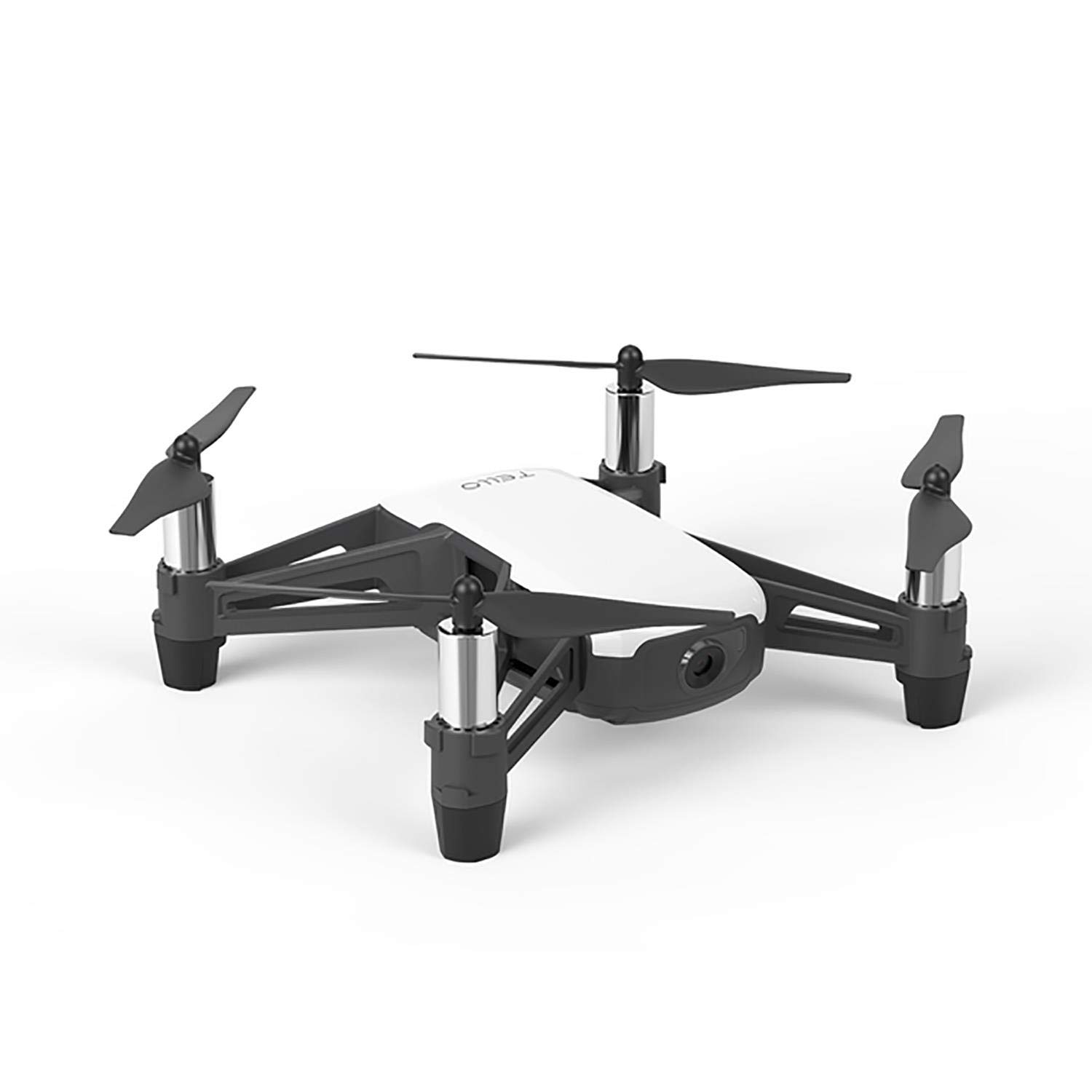
Tello is a lightweight, durable mini drone designed for learning. It supports Scratch programming, so kids and adults can learn coding while flying. The 5MP camera captures decent photos, and the electronic image stabilization helps reduce shake. It's also lightweight (<80g), so no FAA registration required.
✓ Beginner Pros
+Very durable and crash-resistant
+Easy to control via smartphone app
+Supports programmable flight (Scratch)
+No registration needed
✗ Beginner Cons
-Short flight time (~13 min)
-Limited range (100m)
-Camera is only 5MP with digital stabilization
-Not great in wind
👍 Best for: Tech-oriented beginners, kids, or those who want a low-risk way to learn drone fundamentals.
👎 Not for: Serious aerial photographers needing high-quality photos/video.
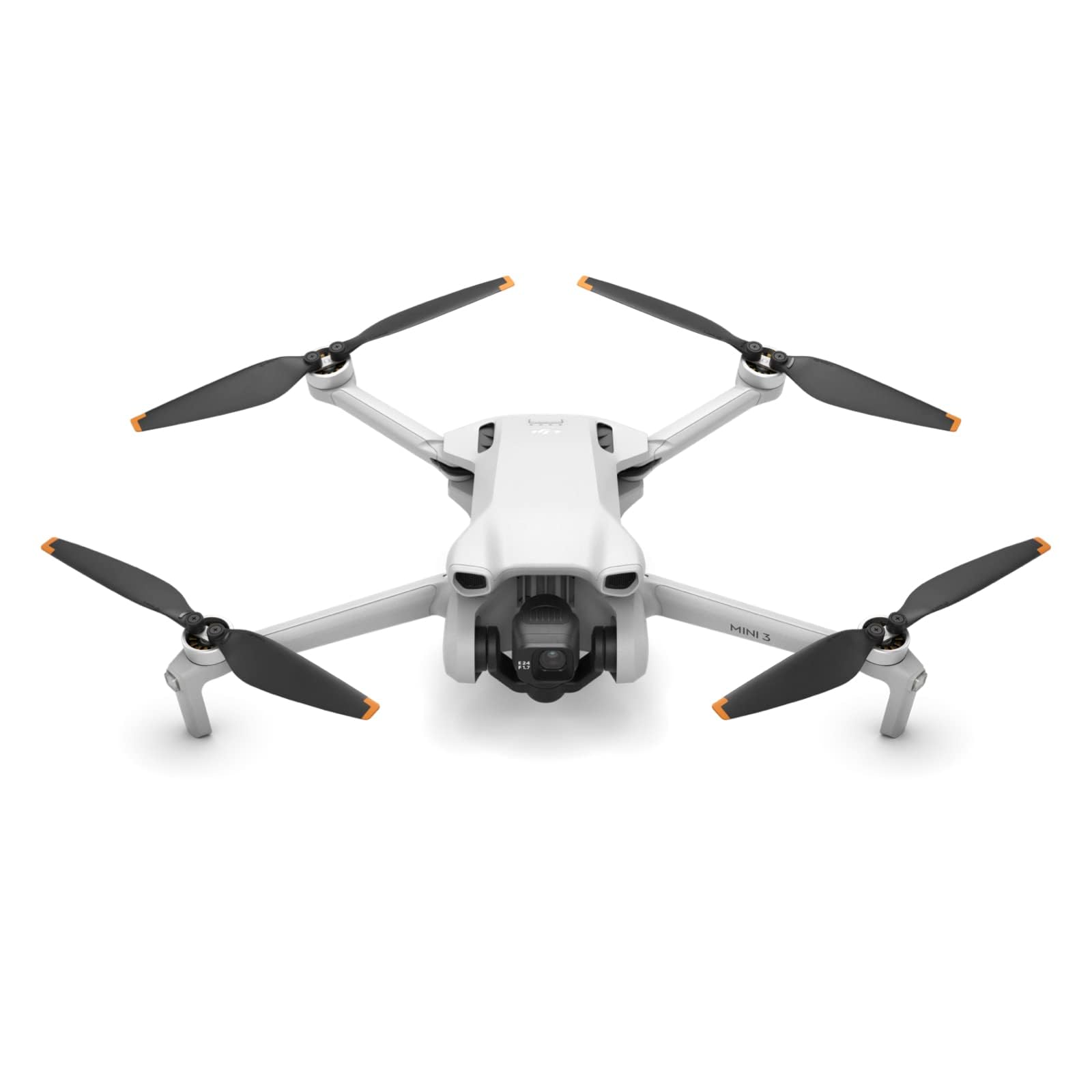
The DJI Mini 3 is the gold standard for beginners who want great aerial photos without complexity. It features a 1/1.3-inch sensor for 4K HDR video, a 3-axis gimbal for silky stabilization, and intelligent flight modes like QuickShots. It weighs under 249g, so no FAA registration needed. The user-friendly app guides you through every step.
The Potensic A20 is an ultra-budget option for absolute beginners who want to learn the basics of flying. It includes altitude hold, headless mode, and propeller guards. The 720P camera is basic but can capture simple shots. It's small and durable, making it a safe choice for indoor practice.
✓ Beginner Pros
+Extremely affordable
+Includes altitude hold and headless mode
+Propeller guards included
+Easy to repair if broken
✗ Beginner Cons
-Poor camera quality (720P, no stabilization)
-Short flight time (~10 min)
-Very short range (30m)
-Does not hold stable in slight wind
👍 Best for: Absolute beginners who want to practice flying indoors for under $40.
👎 Not for: Anyone wanting decent aerial footage or flying outdoors regularly.
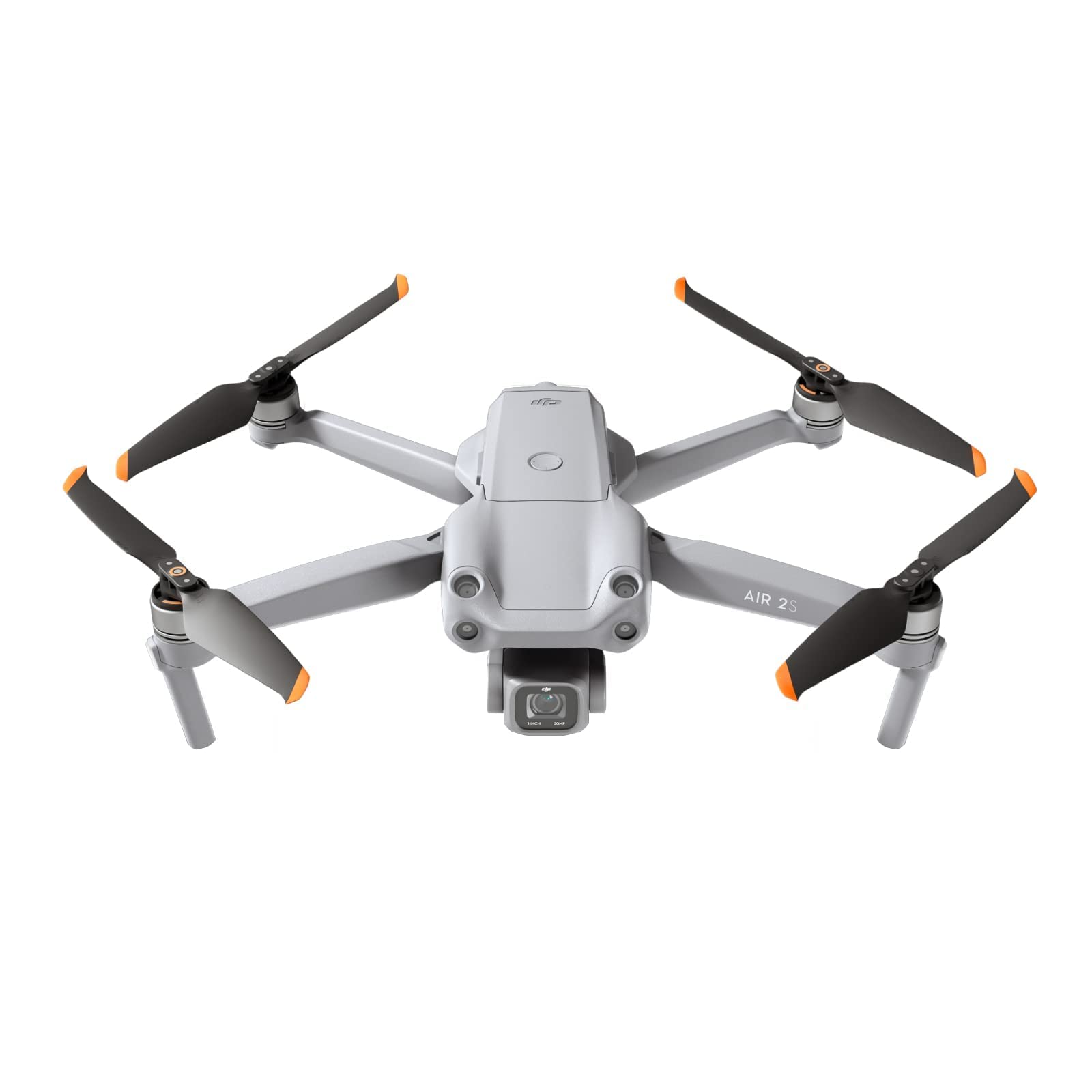
DJI Air 2S - Drone with 1-Inch CMOS Sensor 5.4K Video
Learning Curve: Moderate
$999.00
Difficulty: 2/5
Why Great for Beginners:
The DJI Air 2S is a premium choice for beginners who want professional-level footage from day one. Its 1-inch sensor captures 5.4K video and 20MP photos, and the 3-axis gimbal ensures butter-smooth footage. Intelligent features like ActiveTrack 4.0, Spotlight 2.0, and MasterShots automate complex moves, making advanced filming accessible.
Drones for aerial photography fall into three main categories: toy quadcopters, mini drones, and foldable camera drones. Toy drones are cheap and fun but often lack camera quality and stability—fine for practice but not for photos. Mini drones like the Ryze Tello are designed for beginners with programmable features and basic cameras. Foldable camera drones (like the DJI Mini series) offer the best balance: they're portable, have great cameras, and include intelligent flight modes such as 'QuickShots' and 'Return to Home.' For a beginner photographer, a foldable mini drone is your sweet spot—light enough to avoid FAA registration (under 250g) yet capable of capturing shareable aerial shots. Don't get distracted by specs like '4 miles range' or '6K video'; you won't need those for months. Focus on flight stability, ease of control, and good customer support.
🔧 Essential Accessories for Beginners
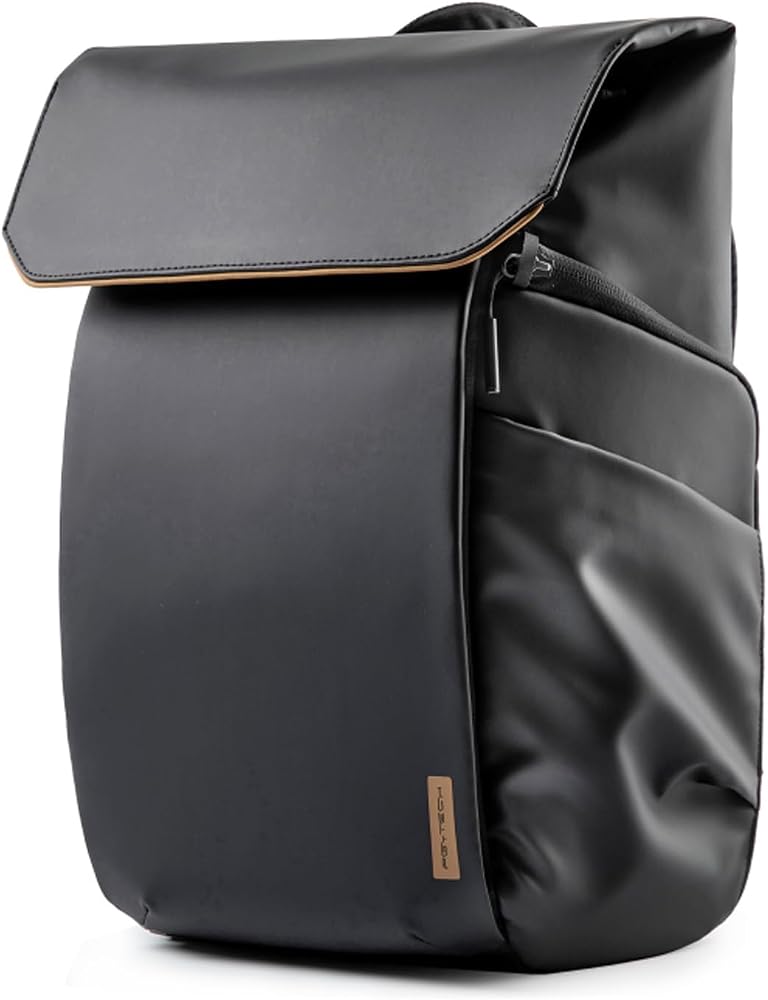
PGYTECH Drone Backpack for DJI Mini 3 / Air 2S
👍 Recommended
$69.99
When to buy:
Day one
A dedicated backpack protects your drone and accessories during transport and storage. It keeps everything organized, so you won't lose small items like screws or SD cards. It also makes it easy to carry your drone to flight locations without damage.
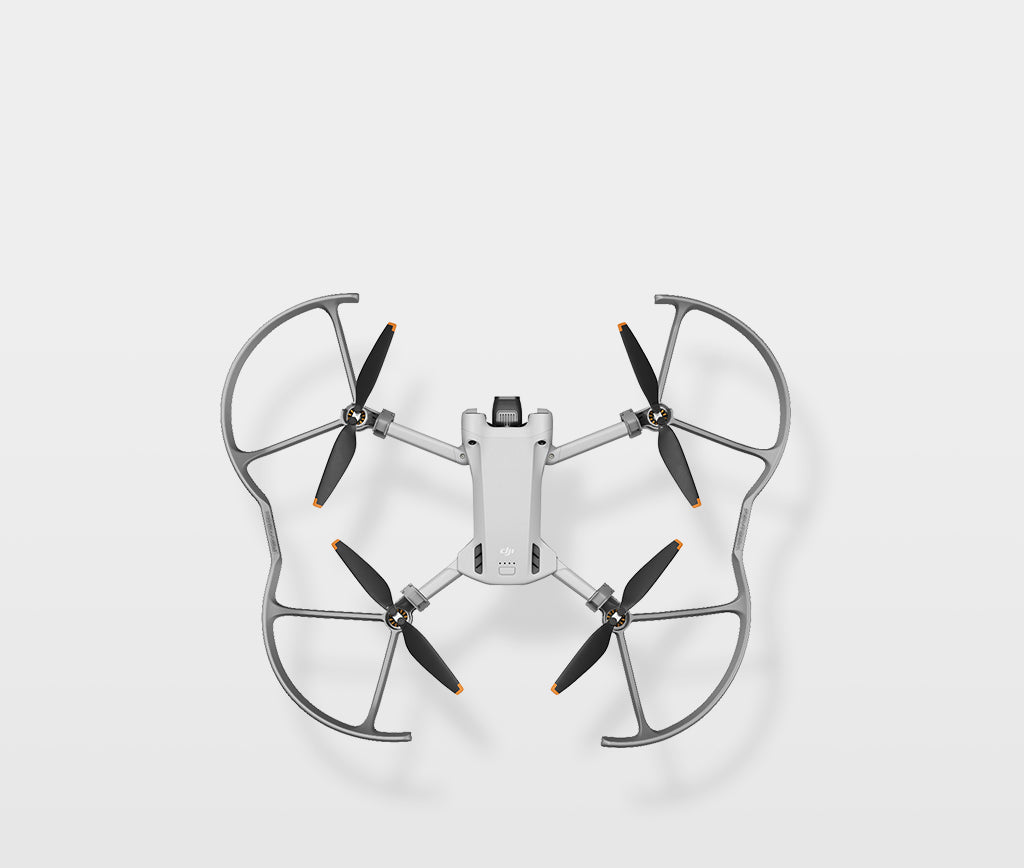
Propeller guards prevent damage to blades and reduce the risk of injury during indoor flights or near obstacles. They are especially important for beginners who are still learning spatial awareness.
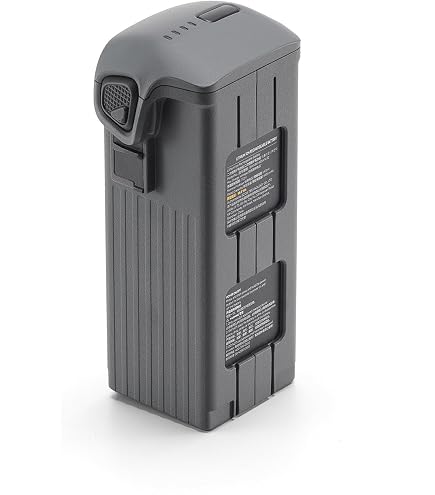
Most drones come with only one battery providing ~15-25 minutes of flight. Having extra batteries allows you to stay out longer and practice more without waiting hours for a recharge.
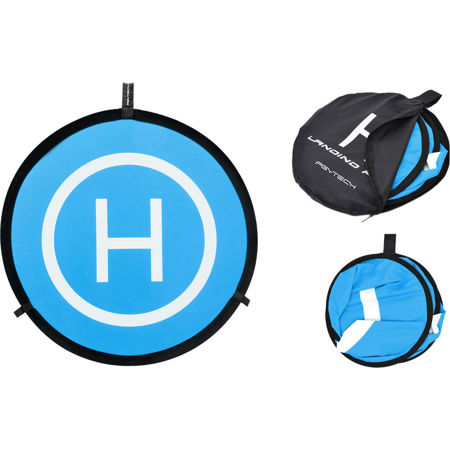
A landing pad provides a clean, flat surface for takeoff and landing, preventing dirt and debris from entering the drone. It also helps beginners land accurately by providing a visible target.
A lanyard lets you hang the remote controller around your neck, so you don't have to hold it constantly. This frees your hands to adjust your phone or the drone itself.
Ask yourself three questions: (1) What's your primary goal? For photography, prioritize camera quality and stabilization. (2) What's your budget? Entry-level drones under $100 are for testing the waters, $100-$300 offers better cameras and safety features, and $300-$600 gives you a premium beginner experience with room to grow. (3) How patient are you? If you want to fly immediately, choose a drone with beginner modes and propeller guards. If you're okay with a learning curve, you can save money with a more manual model. Red flags to avoid: drones without altitude hold, no spare parts sold separately, and manufacturers with low review volumes.
💰 Budget Guide for Beginners
600+
Enthusiast/Prosumer - for serious beginners who want professional features from day one. Requires more commitment and learning.
70 - $150
Starter Drone - better stability and safety features like altitude hold. Decent camera for social media. Good for testing interest.
150 - $350
Sweet Spot - best value for most beginners. Comes with HD camera, longer battery life, and beginner modes. Examples: Ryze Tello, Holy Stone HS720E.
350 - $600
Premium Beginner - high-quality camera with 3-axis gimbal, excellent stability, and intelligent flight modes. Won't outgrow quickly.
Under $ - $70
Entry-Level Toy Drone - good for basic practice, but camera quality is low and flights are short. Requires frequent repairs.
⚠️ Common Beginner Mistakes to Avoid
The number one mistake is buying a drone that's too cheap—like the toy drones that don't stabilize and break in one crash. Another common error is skipping the purchase of extra batteries (one battery gives only 15 minutes of flight). Many beginners also ignore the drone's weight: if it's over 250g, you'll need to register with the FAA. Lastly, people often buy a drone without a good camera gimbal, ending up with shaky footage. Read the fine print: some 'HD cameras' are actually mounted with no stabilization, leading to blurry photos. Research your drone's 'beginner mode' and make sure it has features like obstacle avoidance if you're nervous about crashing.
×Buying a toy-grade drone expecting good photos
×Skipping extra batteries (one battery = only ~15 min flight time)
×Ignoring weight limit (drones over 250g need FAA registration)
×Choosing a drone without altitude hold or gyro stabilization
×Not buying propeller guards and losing blades quickly
×Overbuying premium features they won't use for months
📈 Your Progression Path: Beginner to Intermediate
As a beginner, start with simple flights in an open field. Master basic controls: takeoff, hovering, turning, and landing. Once you can fly without crashing, learn to use your camera—try a few panoramic shots or manual exposure. After about 10-20 hours of flight time, you'll be ready for intermediate skills like following moving subjects or flying in light wind. At that point, consider upgrading to a drone with a 3-axis gimbal and 4K video. The typical beginner uses their first drone for 3-6 months before upgrading. Don't rush; build your confidence and skills step by step.
📚 Learning Resources for Beginners
📖Drones for Dummies (book on Amazon)
📖Aerial Photography with Drones (instructional DVD)
📖Practice drone simulator app (e.g., DJI Flight Simulator not on Amazon, but 'Lift Off' is on Steam)
📖YouTube beginner tutorials (linked from product pages)
🎯 Bottom Line: Our Recommendations
For most beginners wanting aerial photography, the DJI Mini 3 offers the best combination of ease of use, camera quality, and portability. If you're on a tight budget, the Holy Stone HS165 is a solid starter that won't break the bank. For those ready to invest in serious filmmaking, the DJI Air 2S is a premium choice that will grow with you. Whichever you choose, buy propeller guards, extra batteries, and a landing pad from day one. Your first flights will be shaky, but with practice you'll soon capture images that impress everyone. Enjoy the view!
❓ Frequently Asked Questions
For most beginners, the DJI Mini 3 is the best choice because it combines a high-quality camera, flight stability, and beginner-friendly features like QuickShots and Return to Home, all in a lightweight package that doesn't require FAA registration.
Start between $150 and $350 for a good balance of features and learning tools. At this price, you get a decent camera, altitude hold, and safety features. If you're on a tight budget, under $100 will give you a basic flyer, but expect lower quality and shorter life.
Must-haves: altitude hold, headless mode, one-key takeoff/landing, propeller guards, and a low battery warning. Nice-to-haves: GPS hold, return to home, and beginner mode. Avoid drones that lack these, as they'll be harder to control.
The Ryze Tello is often considered the easiest due to its small size, durability, and smartphone control. The DJI Mini 3 is also very easy thanks to its intuitive app and automated flight modes.
Essential: extra batteries and propeller guards. Highly recommended: a landing pad and a carrying case. Optional: a remote lanyard for comfort.
Decide your main use (photography vs. just fun), set a budget, and look for beginner-friendly features like altitude hold and propeller guards. Read reviews from other beginners and consider buying from a reputable brand like DJI or Holy Stone.
It can be tricky at first, but start with a drone that has beginner modes and practice in an open, empty field. Most beginners get the hang of basic controls within a few hours.
Buying too cheap, ignoring safety features, not getting extra batteries, and skipping propeller guards. Also, many beginners fly in windy conditions or above water on their first flight, leading to crashes.
If your drone weighs more than 250 grams (0.55 pounds), you must register it for $5. Drones like the DJI Mini series (under 250g) do not require registration for recreational use. Always check current rules.
Yes, but use propeller guards and choose a small, lightweight drone like the Potensic A20 or Ryze Tello. Clear the area of obstacles and avoid flying near fans or windows.