Everything beginners need to choose their first FPV drone for aerial photography with confidence and avoid costly mistakes.
Picking your first FPV drone can feel intimidating with all the tech specs, crashing fears, and endless options. Beginners often worry about breaking expensive gear or never getting off the ground. But it doesn't have to be that way—this guide simplifies everything for complete newcomers to FPV flying and aerial photography.
We'll break down why beginners struggle, what features really matter, and hand-pick the best Amazon drones that are forgiving, easy to fly, and great for capturing photos/videos. No jargon, just practical advice to get you airborne quickly and confidently. By the end, you'll know exactly what to buy and why.
📋 In This Guide
• Why Beginners Struggle with Drone
• What to Look For (Key Features)
• Top 4 Beginner-Friendly Drone
• Essential Accessories for Beginners
• Common Beginner Mistakes to Avoid
• Your Progression Path
• FAQ & Learning Resources
😰 Why Beginners Struggle with Drone
Beginners dive into FPV drones overwhelmed by terms like 'PID tuning,' 'VTX power,' and 'whoop frames' that sound like rocket science. Forums are full of crash stories and upgrade regrets, making newbies fear wasting money on gear that flies into trees on day one.
The sheer number of drones—tiny whoops, 5-inch racers, cinewhoops—confuses what fits 'aerial photography.' Many buy cheap toys that frustrate with short flights or no camera, or pro kits needing soldering skills. Without guidance, it's hard to know safe, legal flying rules or how to avoid FAA registration headaches.
🔍 What to Look For: Key Beginner-Friendly Features
For FPV beginners in aerial photography, prioritize drones with built-in stability like altitude hold and GPS return-to-home—these forgive shaky hands. Look for real-time FPV video feed via app or goggles, a decent HD camera (1080p minimum), and propeller guards to survive crashes.
Skip advanced features like manual modes or raw power; focus on RTF (ready-to-fly) kits with intuitive controllers. Battery life over 10 minutes, lightweight under 250g (no FAA registration), and good app tutorials make learning fun, not frustrating.
Beginner-friendly means 'forgiving': auto-leveling flight, one-button takeoff/land, and crash-resistant frames. These let you focus on framing shots instead of fighting controls.
✅ Essential Features for Beginners
•Headless Mode: Flies relative to you, not drone's front—perfect for orientation confusion
•One-Key Takeoff/Land: Press one button to launch and return safely
•Return-to-Home (RTH): Auto flies back if signal lost or battery low
•FPV Real-Time Camera Feed: See through drone's eyes on phone/goggles for photography
•Propeller Guards: Protects blades (and your wallet) from crashes
•Altitude Hold: Stays at height so you focus on flying/shooting
•App Control with Tutorials: Guided first flights build confidence
🏆 Top 4 Best Drone for Beginners
#1
💰 Budget
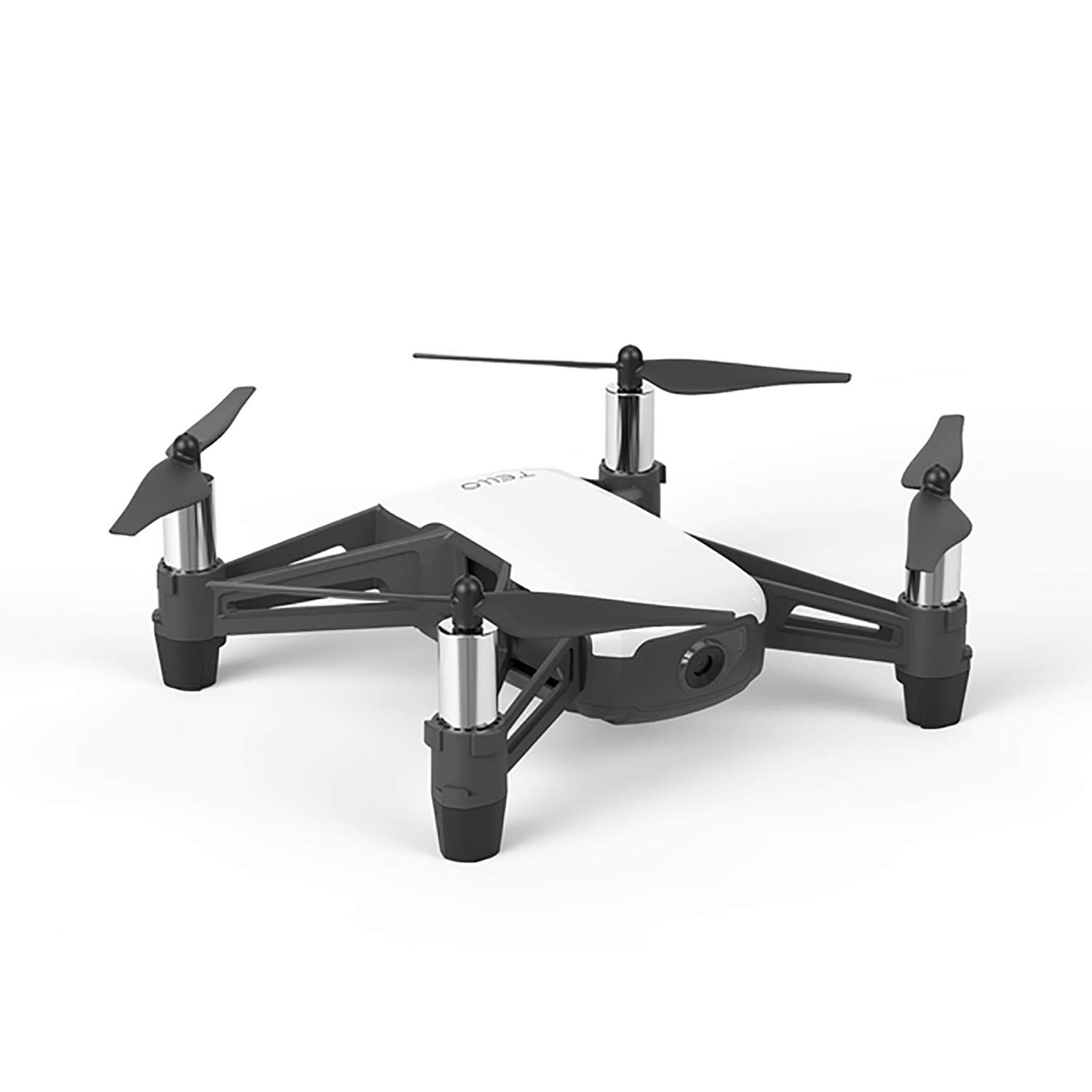
Ryze Tech Tello Drone
Learning Curve: Easy
$99.00
Difficulty: 1/5
Why Great for Beginners:
Perfect first FPV taste with app-based real-time video and EZ Flights mode that auto-paths for stable photos. No assembly, crashes forgiven by durable frame. Built-in tutorials teach flying step-by-step.
✓ Beginner Pros
+Super easy app control
+10-min flights forgiving for practice
+1080p photos/videos
+Programmable for fun missions
+Under 250g, no registration
✗ Beginner Cons
-Short range (100m)
-Indoor/outdoor limited
-Basic camera for pro shots
👍 Best for: Absolute newbies testing FPV indoors/backyard
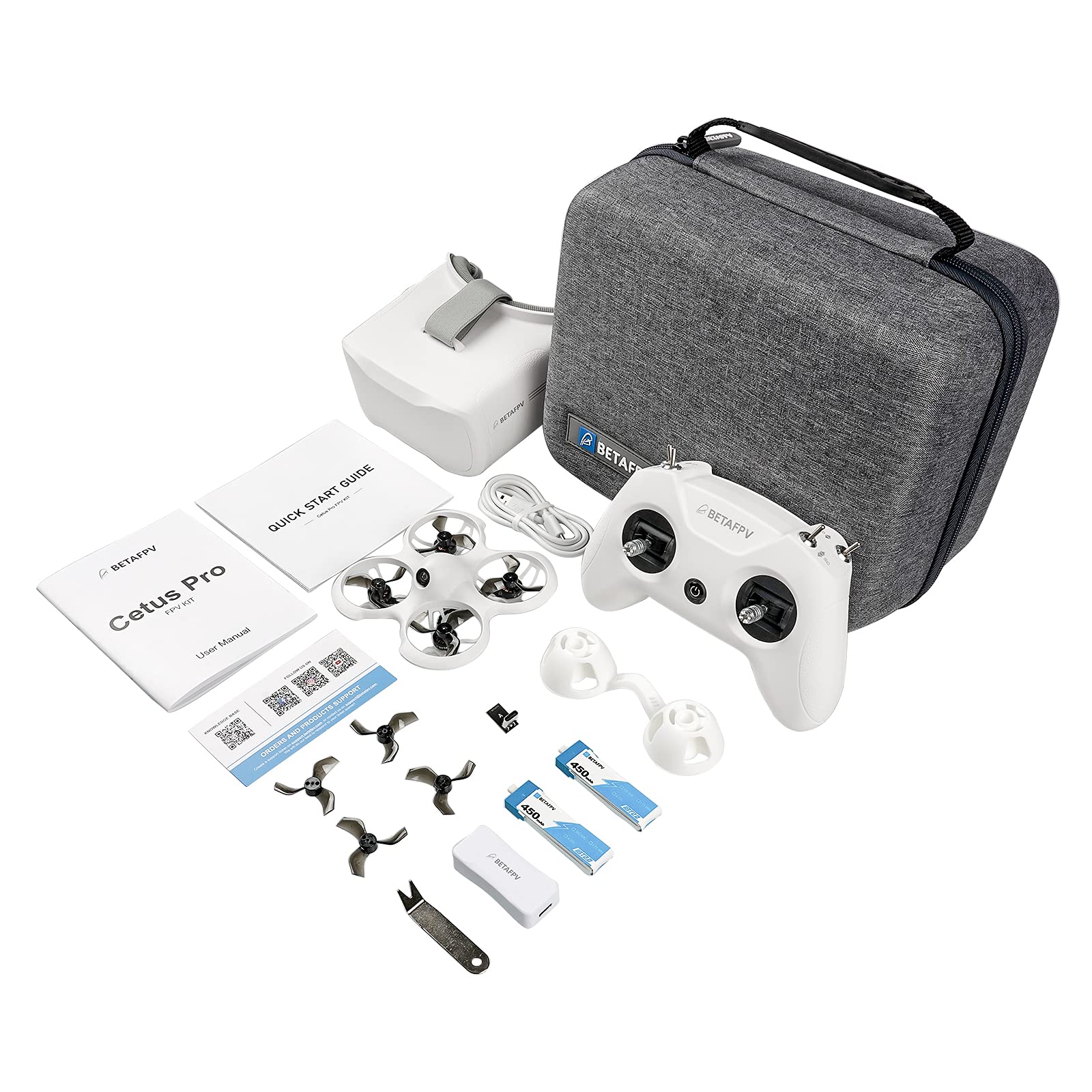
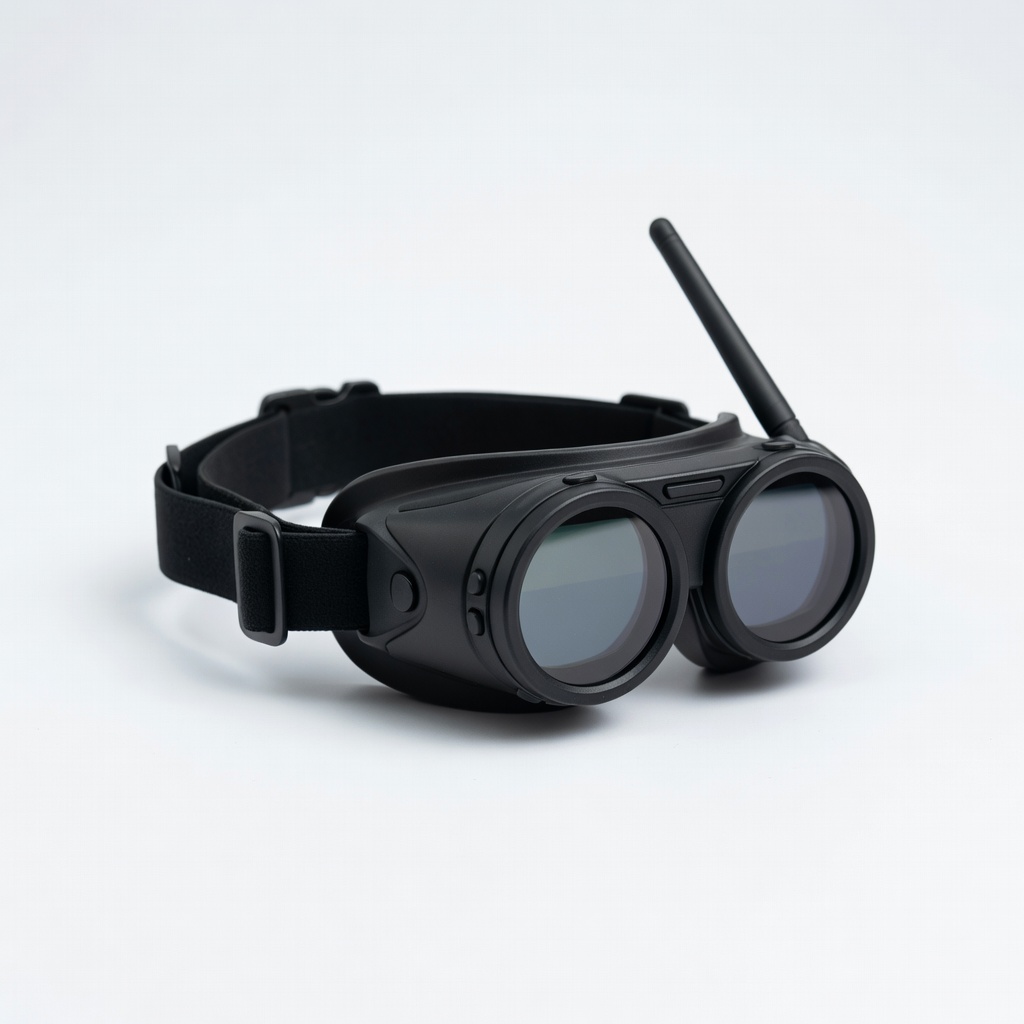
Complete RTF FPV kit with goggles and controller for true first-person flying. Altitude hold and turtle mode recover from crashes easily. HD camera for sharp aerial stills.
✓ Beginner Pros
+Goggles included
+Indoor/outdoor versatile
+3-flight batteries
+Motion controller option
✗ Beginner Cons
-Tiny size limits photo range
-Goggles bulky for travel
👍 Best for: FPV enthusiasts wanting immersive photography
FPV drones let you fly in first-person view for immersive aerial photography, like piloting a tiny helicopter with a camera. Types include toy drones (basic cameras), mini FPV whoops (tiny, indoor-safe), cinewhoops (photo-focused with guards), and racing quads (fast, advanced). Beginners should start with RTF FPV kits under 250g—easy, crash-proof, and photo-capable.
Expect 10-15 min flights, basic 1080p photos/videos at first. 'Beginner-friendly' means auto-stabilization handles wind/gusts, no assembly needed, and goggles/app included. Marketing like '4K camera' sounds great but often means poor low-light; prioritize flight ease over megapixels.
Evaluate by watching unboxing videos: does it hover steadily? Is setup 5 minutes? Realistic goal: stable hovers and simple pans in week 1, creative shots in month 1.
🔧 Essential Accessories for Beginners
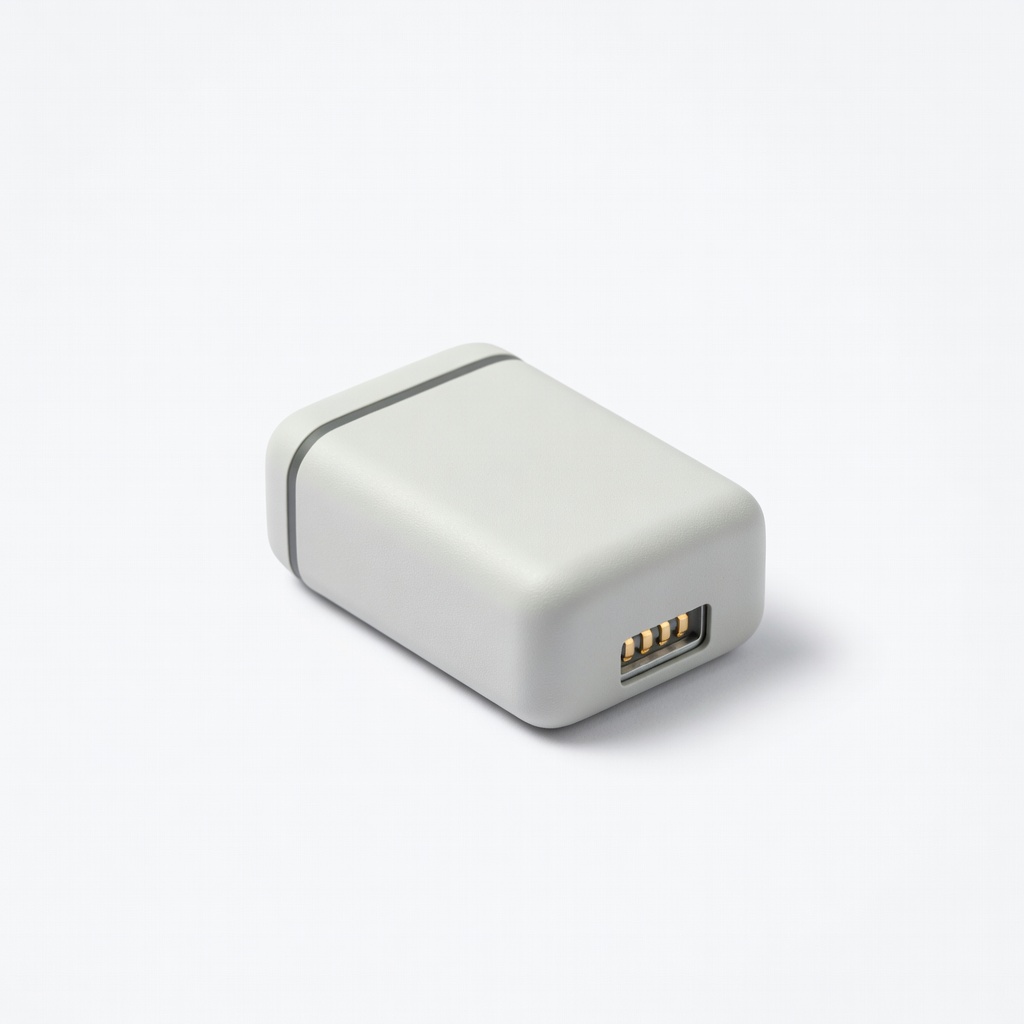
DJI Mini 2 SE Intelligent Flight Battery
⚠️ Essential
$59.00
When to buy:
Day one
Doubles flying time from 30 to 60+ minutes so you practice more without constant recharging. Prevents frustration of short sessions when learning photography angles.
Ask: What's your budget? Under $100 for testing, $200-400 sweet spot for real FPV photo fun. Indoor/outdoor? Tiny whoops for indoors. Photography focus? HD FPV feed essential.
Use case: Casual backyard shots? Go recommended tier. Serious hobby? Premium with better camera/battery. Future growth: Pick scalable (add goggles later). Avoid red flags like no RTH, heavy >250g, or Chinese no-names with poor support.
Serious FPV entry—goggles included, 4K, customizable; for committed hobbyists
100 - $300
Sweet spot—RTF FPV kits with HD camera, goggles option, 10+ min flights; most beginners thrive here
300 - $500
Premium beginner—GPS stability, better photo quality, longer battery; room to grow into creative shots
Under $ - $100
Entry-level toy drones—test flying basics, short flights, basic camera; upgrade soon
⚠️ Common Beginner Mistakes to Avoid
Beginners grab $30 no-names from reviews promising 'pro 4K,' but they lack stability and frustrate with constant crashes—false economy. Instead, spend $100+ on proven brands. Many skip guards/batteries, turning fun into repair hell; always bundle day one.
Forums show newbies buy racing FPV without RTH, losing drones in bushes. Avoid by sticking to RTF kits with auto-modes. Don't chase megapixels—bad flight means no photos. Learn rules first via FAA app.
×Buying ultra-cheap (<$50) toys that crash and break instantly
×Choosing racers without stability modes for photography
×Not checking local laws, risking fines
×Upgrading too soon without mastering basics
×Forgetting SD card for photo storage
📈 Your Progression Path: Beginner to Intermediate
Start with hovering, headless mode, basic photos in open areas (week 1). Progress to circling shots, RTH practice (month 1). Build by adding manual tilts, wind flying.
Outgrow beginner gear when craving longer flights, better camera, goggles FPV (3-6 months). Upgrade battery first, then cinewhoop. Intermediate: Manual FPV freestyle, 4K editing. Most stay beginner 2-4 months with consistent 2x/week practice.
📚 Learning Resources for Beginners
📖The Beginner's Guide to Drones (ASIN: B08P5Q6R7S)
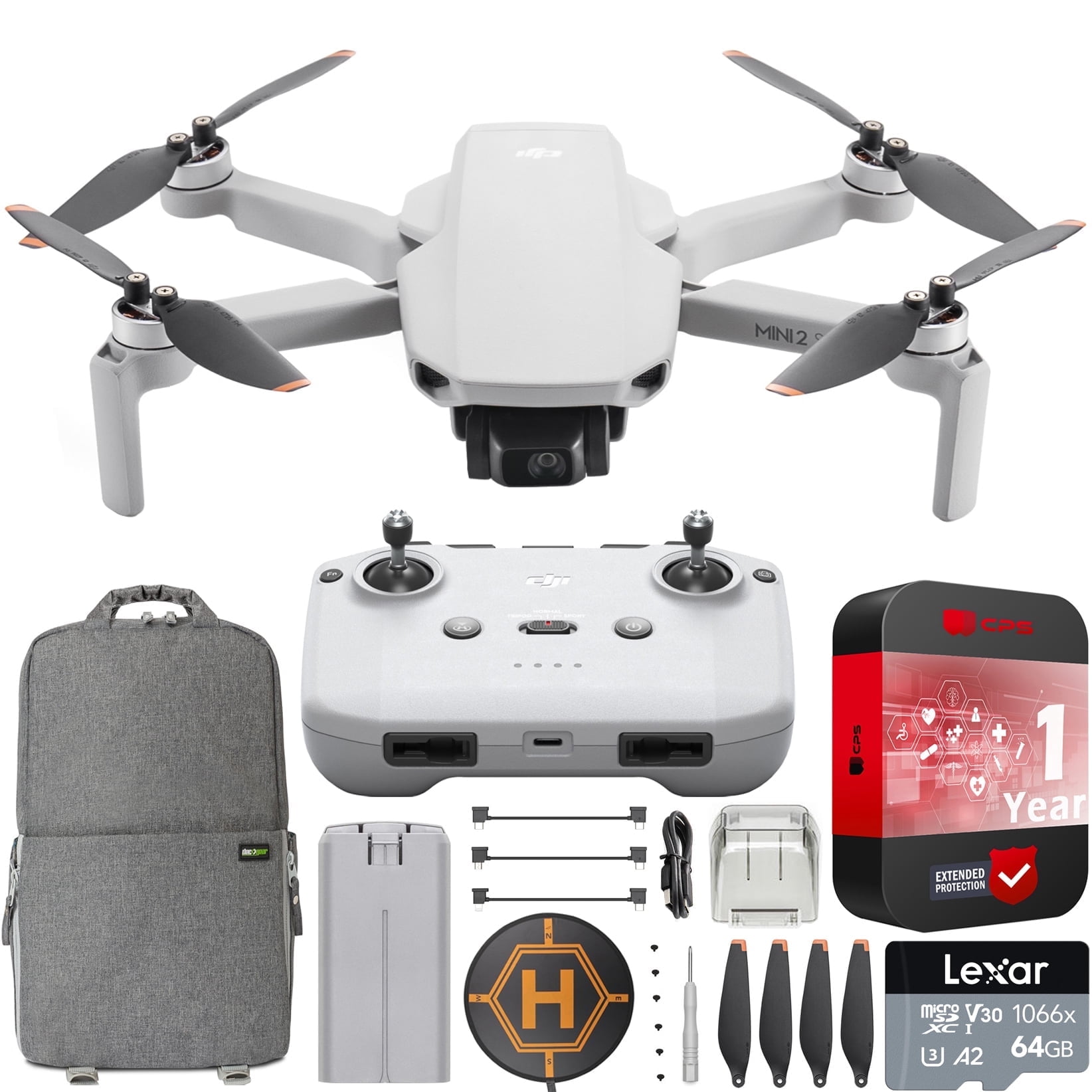
For most beginners, DJI Mini 2 SE is the best overall—stable, photo-ready, scalable to FPV goggles. Budget pick: Ryze Tello for zero-risk start. Premium: BetaFPV Cetus Pro for true FPV immersion.
Grab extra batteries and prop guards on day one. You've got this—start small, fly safe, and soon you'll capture stunning aerial shots. Next step: Charge, read manual, practice in park.
❓ Frequently Asked Questions
DJI Mini 2 SE for most—easy GPS modes, great camera. Budget: Ryze Tello. FPV: BetaFPV Cetus Pro.
$100-300 sweet spot for value. Under $100 tests waters; $300+ for less frustration.