Review Atlas

Menu

Shop by Category

Get the App

Better experience on mobile

Beginners GuideFlying

Best Drone for Beginners 2026

Discover the easiest drones to fly, top picks under $300, and tips to avoid crashes so you can start soaring confidently.

Choosing your first drone can feel intimidating—like you're about to launch into the sky without a map. With so many models boasting fancy cameras and speeds that sound thrilling but overwhelming, it's easy to worry about picking the wrong one and ending up frustrated or broke. But don't stress: flying a drone recreationally is one of the most fun hobbies out there, and you don't need to be a tech wizard to enjoy it.

This guide is designed for complete beginners who just want to get airborne without the hassle. We'll break down the basics, highlight what really matters for new flyers, and recommend real Amazon products that are forgiving and easy to use. By the end, you'll have a clear path to your first successful flight, building your confidence one hover at a time.

Our promise? We'll keep things simple, skip the jargon, and focus on drones that tolerate mistakes—like wobbly takeoffs or accidental bumps—so you can focus on the joy of flying rather than fixing issues.

📋 In This Guide

  • • Why Beginners Struggle with Drone
  • • What to Look For (Key Features)
  • • Top 4 Beginner-Friendly Drone
  • • Essential Accessories for Beginners
  • • Common Beginner Mistakes to Avoid
  • • Your Progression Path
  • • FAQ & Learning Resources

😰 Why Beginners Struggle with Drone

As a beginner, diving into drones often feels like facing a swarm of confusing options. Many newcomers worry about crashing their expensive toy on the first try or getting tangled in rules they don't understand, like FAA registration for larger models. Forums like Reddit's r/drones are full of stories from first-timers who bought flashy gadgets only to realize they couldn't even get off the ground without constant frustration.

Technical terms like 'gimbal stabilization' or 'GPS return-to-home' sound cool but leave you scratching your head, making it hard to know what's essential versus hype. Plus, with prices ranging from $30 toys to $1,000 pros, the fear of wasting money on something too basic or too advanced is real. Beginners often feel overwhelmed by reviews that assume prior knowledge, leading to analysis paralysis.

Another big hurdle is the sheer variety: mini drones for indoors, camera drones for photos, or racing ones for speed. Without guidance, it's easy to pick one that doesn't match your casual flying dreams, resulting in buyer's remorse and a dusty shelf ornament.

🔍 What to Look For: Key Beginner-Friendly Features

For beginners, the best drones prioritize ease over excitement. Look for models with automatic takeoff and landing buttons—these let you skip fiddly manual controls and just press 'go.' A built-in return-to-home feature is crucial too; it brings the drone back if the signal drops or you lose sight, preventing costly losses in your early flights.

Seek out forgiving designs, like propeller guards that protect blades from bumps, and apps with beginner modes that limit speed and height to build your skills safely. Avoid drones overloaded with pro features like 4K editing software if you're just starting; instead, focus on intuitive controls via smartphone apps that guide you step-by-step.

What makes a drone truly beginner-friendly? It's about tolerance for errors—think stable hovering that doesn't drift away in a breeze—and good battery life (at least 15 minutes) so you can practice without constant recharging. Steer clear of bare-bones toys without cameras if you want some fun footage, but don't chase ultra-high resolutions yet; 1080p is plenty for learning.

✅ Essential Features for Beginners

  • One-Key Takeoff and Landing: Press a button to lift off and land smoothly, so beginners avoid tricky throttle control and focus on steering.
  • Return-to-Home Function: Automatically flies back to you if the battery is low or signal lost, reducing crash fears and lost drone worries.
  • Propeller Guards: Built-in protectors that prevent damage from minor collisions, making it forgiving for wobbly first flights.
  • Beginner App Modes: Smartphone apps with tutorials, auto-hover, and speed limits to ease the learning curve without overwhelming controls.
  • Stable Hovering with GPS: Keeps the drone steady in place, helping new pilots practice without constant corrections.
  • Decent Flight Time: At least 15-20 minutes per battery, giving enough time to learn without frequent interruptions.
  • HD Camera for Fun: Basic 1080p video to capture memories, but simple enough that you don't need editing skills right away.

🏆 Top 4 Best Drone for Beginners

#1
💰 Budget

Holy Stone HS110D FPV RC Drone

Learning Curve: Easy

$39.99
Difficulty: 1/5
Holy Stone HS110D FPV RC Drone

Why Great for Beginners:

This mini drone is perfect for absolute newbies wanting to practice indoors or in small spaces without risking much money. Its lightweight design and simple controls make it forgiving for crashes, helping you build basic flying confidence before moving to bigger models.

Beginner Pros

  • +Super affordable to start without commitment
  • +Compact and portable for quick sessions
  • +Headless mode simplifies orientation
  • +Includes propeller guards for safety
  • +Short learning curve with basic app

Beginner Cons

  • -Limited flight time (about 7-10 minutes)
  • -No GPS, so easy to lose outdoors
  • -Basic camera quality for fun snaps only
👍 Best for: Total beginners testing the hobby indoors or on a tight budget
👎 Not for: Anyone wanting outdoor adventures or HD video right away

#2
👍 Recommended

Potensic A20 Mini Drone

Learning Curve: Easy

$29.99
Difficulty: 1/5
Potensic A20 Mini Drone

Why Great for Beginners:

Affordable yet feature-packed, this drone offers emergency stop and altitude hold to prevent mishaps, making it ideal for learning fundamentals. The included guards and simple remote build quick wins for new pilots.

Beginner Pros

  • +Very lightweight under 50g, no registration needed
  • +3 speed modes to progress gradually
  • +3D flips for fun without complexity
  • +Long battery life for a mini (10+ minutes)
  • +Easy assembly and controls

Beginner Cons

  • -Short range (about 50m)
  • -No camera on base model
  • -Can be windy-sensitive outdoors
👍 Best for: Budget-conscious beginners practicing basic maneuvers indoors
👎 Not for: Users seeking aerial photography features
#3
👍 Recommended

Holy Stone HS720E 4K Drone

Learning Curve: Moderate

$279.99
Difficulty: 2/5
Holy Stone HS720E 4K Drone

Why Great for Beginners:

With GPS and auto-return, this drone takes the guesswork out of flying, letting beginners focus on enjoyment. The app's visual positioning and gesture controls make it intuitive, while the camera adds excitement without pro skills.

Beginner Pros

  • +GPS stability for easy hovering
  • +One-key return-to-home
  • +Brushless motors for durability
  • +20-min flight time
  • +Beginner-friendly app tutorials

Beginner Cons

  • -Requires FAA registration over 250g
  • -Slightly heavier to carry
  • -App can glitch occasionally
👍 Best for: Beginners wanting outdoor flying and basic video capture
👎 Not for: Indoor-only users or those on very tight budgets
#4
✨ Premium

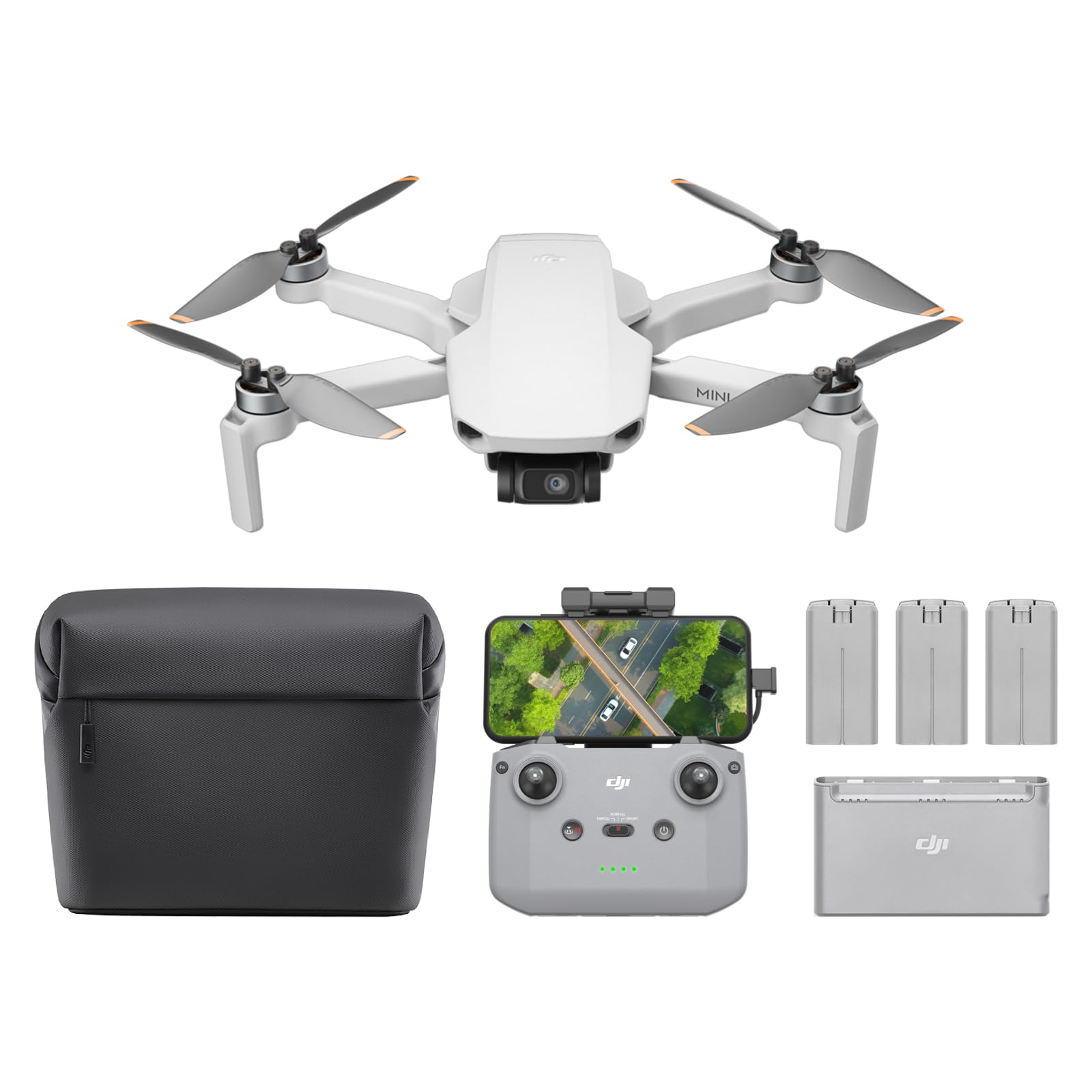
DJI Mini 2 SE

Learning Curve: Moderate

$299.00
Difficulty: 2/5
DJI Mini 2 SE - Image 1 of 6

Why Great for Beginners:

DJI's reliable ecosystem makes this a top pick for serious starters, with quickshots modes that automate cool flights. Under 249g, it's registration-free and super stable, helping you capture pro-looking footage early on.

Beginner Pros

  • +Exceptional stability in wind
  • +30-min battery life
  • +Intelligent flight modes
  • +Clear 2.7K video
  • +Comprehensive app guidance

Beginner Cons

  • -Higher price point
  • -Controller takes practice
  • -No obstacle avoidance in base model
👍 Best for: Committed beginners aiming for photography and longer sessions
👎 Not for: Casual testers who might not use advanced features

📖 Complete Beginner's Guide to Drone

Drones are essentially remote-controlled flying cameras or toys that hover using propellers and sensors. At their core, they connect to your smartphone or a controller via radio signals, letting you see through an onboard camera and direct movements. For recreational flying, think of it as a high-tech kite: fun for backyard loops, park explorations, or capturing family moments from above.

There are a few main types: toy drones (small, cheap, indoor-friendly but limited range), camera drones (with HD video for photos/videos), mini drones (portable for travel), and racing drones (fast but tricky for newbies). Beginners should start with camera or mini drones—they're versatile for casual fun without the intensity of racing models.

Camera drones are ideal for most newcomers because they add excitement with aerial views, but choose ones under 250g to skip FAA registration hassles in the US. 'Beginner-friendly' means intuitive apps that teach you via on-screen tips, plus safety features like altitude limits to prevent flyaways. Marketing buzz like '4K UHD' sounds impressive, but for starters, it's just a camera resolution—focus on stability over specs.

Realistic expectations: Your first flights might be 5-10 minutes of hovering before venturing out. You won't film pro videos overnight, but with practice, you'll capture steady clips in a week. Evaluate by testing in open spaces, reading user reviews for 'easy to fly,' and ensuring the drone has a warranty for those inevitable bumps.

Common terms decoded: 'Brushless motors' mean durable, quiet power (good for longevity); 'FPV' is first-person view via live feed (fun but not essential yet). Stick to models praised in beginner forums for reliability over gimmicks.

🔧 Essential Accessories for Beginners

Holy Stone Drone Landing Pad

⚠️ Essential

$12.99

When to buy:
Day one

A landing pad provides a clear, visible spot for takeoff and landing, preventing grass or dirt from clogging motors. It reduces anxiety about precise landings, especially in uneven outdoor areas.

Beginner Benefits:

  • Easier visibility for safe landings
  • Protects drone from dirt and moisture
  • Portable for any flying spot
  • Builds confidence in routines

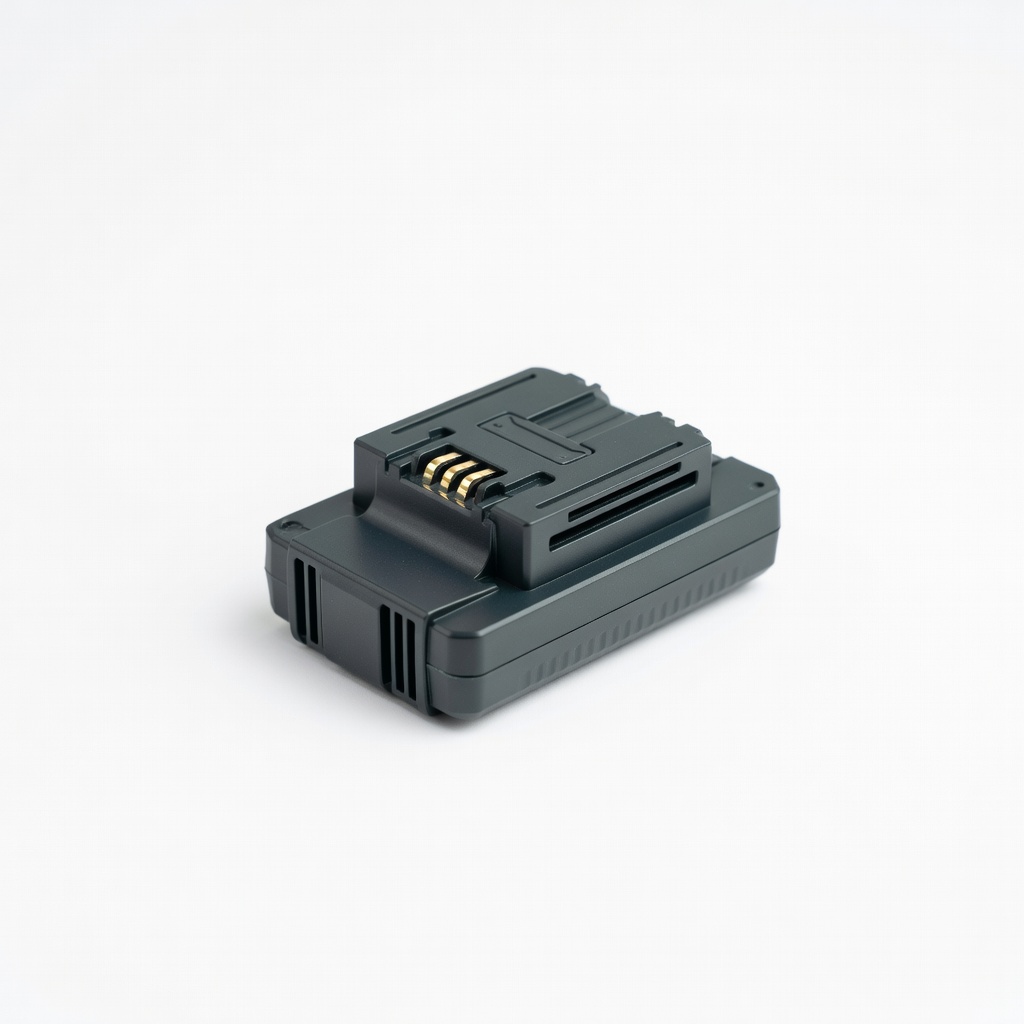
Holy Stone HS720 Extra Battery

👍 Recommended

$29.99

When to buy:
First month

Extra batteries extend your flying time from 20 minutes to over an hour, letting you practice more without waiting to recharge. Beginners burn through sessions quickly while learning, so this keeps momentum going.

Beginner Benefits:

  • More practice without downtime
  • Reduces frustration from short flights
  • Easy swap for continuous fun
  • Cost-effective longevity
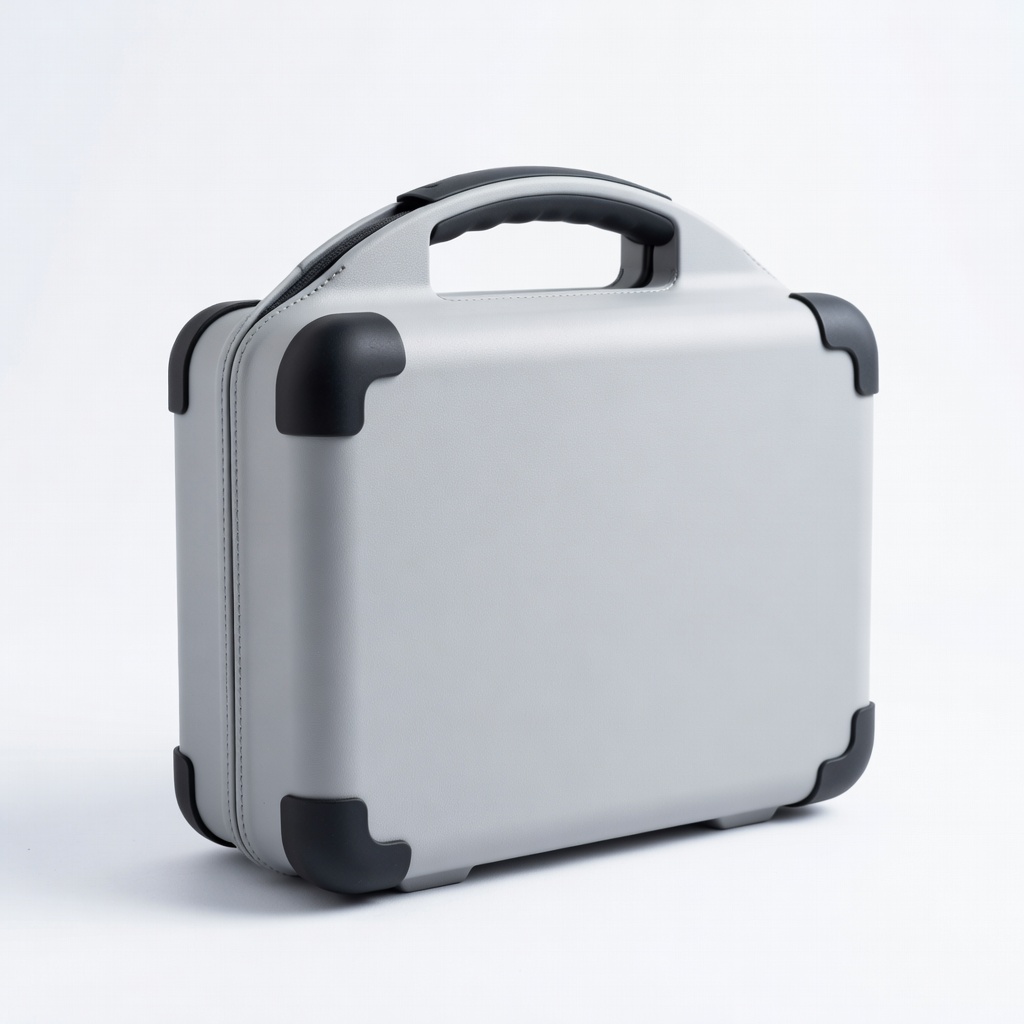
DJI Drone Carrying Case - Image 1 of 6

DJI Drone Carrying Case

👍 Recommended

$39.99

When to buy:
Day one

A sturdy case protects your drone during transport, preventing dings that could affect performance. New pilots often travel to open fields, and this keeps gear organized and safe.

Beginner Benefits:

  • Safeguards against travel bumps
  • Organizes accessories neatly
  • Encourages outdoor adventures
  • Prolongs drone lifespan
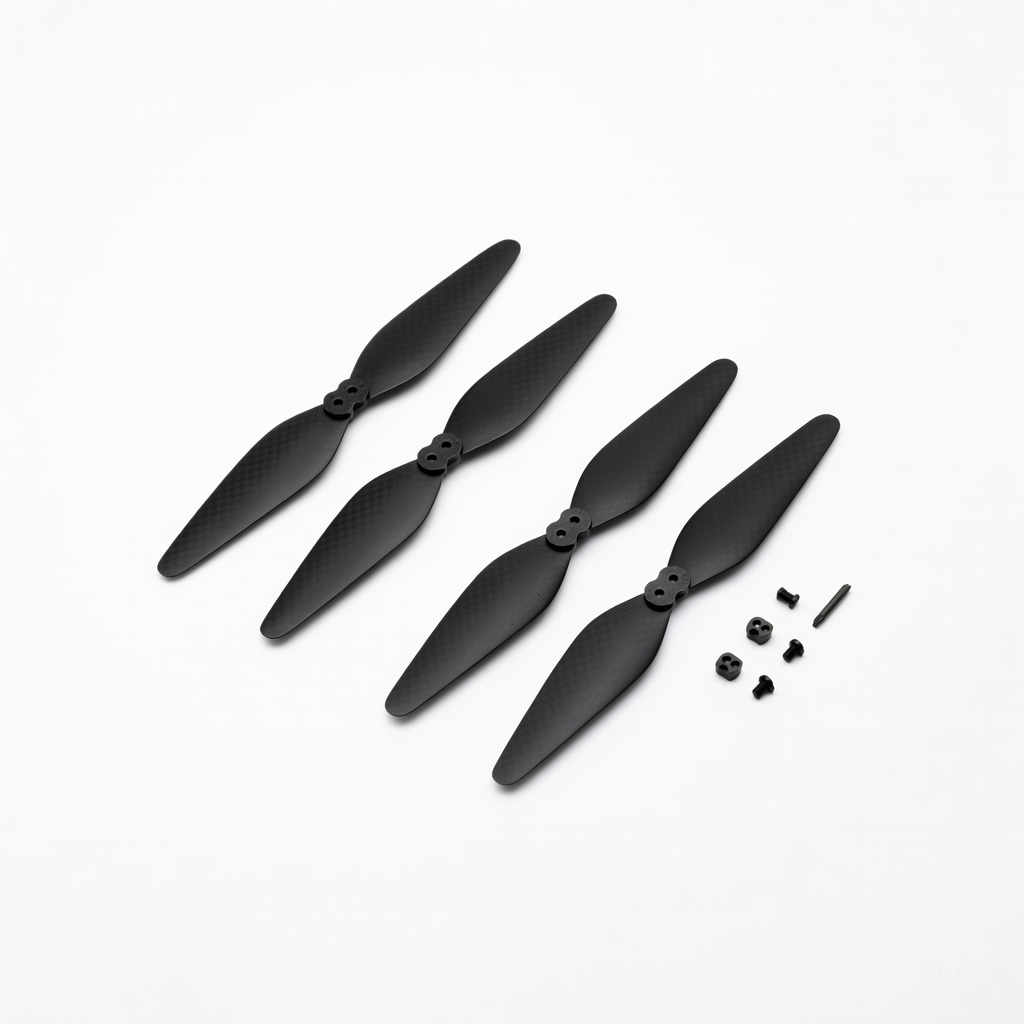
Propeller Replacement Set for Holy Stone Drones

Propeller Replacement Set for Holy Stone Drones

⚠️ Essential

$9.99

When to buy:
Day one

Beginners crash often, bending props—having spares means quick fixes without halting your hobby. This pack ensures you're back in the air fast, learning from mistakes affordably.

Beginner Benefits:

  • Quick recovery from accidents
  • Teaches maintenance basics
  • Inexpensive peace of mind
  • Prevents full breakdowns

🤔 How to Choose Your First Drone

Start by asking yourself: What's your main goal—casual backyard flying, capturing photos, or indoor fun? If it's simple recreation, prioritize ease and safety over speed. Consider your space: urban dwellers need compact minis, while suburban folks can handle larger camera drones. Budget-wise, aim for the sweet spot to avoid cheap frustrations.

Set a realistic budget: Under $100 for testing the waters, $100-300 for a solid starter that grows with you, or $300+ if you're committed. Think about future growth—pick a drone with upgradable batteries rather than a disposable toy. For most beginners, the recommended tier balances fun and forgiveness without overwhelming features.

Red flags: Avoid drones without GPS if outdoors (they drift easily), or those requiring complex assembly. Go budget if you're unsure, recommended for confidence-building, premium if you want longevity. Test-fly in simulations via apps first, and check weight limits to stay legal and safe.

💰 Budget Guide for Beginners

500+

Advanced entry - Feature-packed for committed hobbyists; great cameras and long range, but overkill if you're just testing the hobby.

100 - $300

Sweet spot - Best for most beginners; reliable camera drones with safety features and 15+ min flights, room to learn without quick upgrades.

300 - $500

Premium beginner - High-quality builds with better cameras and stability; ideal for serious starters who want pro-like experience early.

Under $ - $100

Entry level - Basic toy drones for indoor trials; fun to dip your toes but limited range and may frustrate with short flights.

⚠️ Common Beginner Mistakes to Avoid

Buying the cheapest option often leads to frustration because toy drones lack stability and crash easily in wind, turning fun into repairs. Many beginners skip propeller guards, resulting in bent blades after minor bumps—always get protected models.

Overbuying premium features like 4K cameras is common; you won't use them while learning basics, wasting money on unused tech. Ignoring battery life means constant downtime—aim for 15+ minutes to practice effectively.

Not checking local laws leads to fines; register if over 250g and fly in open areas. Finally, rushing without app tutorials causes flyaways—spend time on guided modes first. Experienced users advise starting small to build muscle memory before upgrading.

  • ×Buying ultra-cheap toys that lack stability and frustrate with constant crashes.
  • ×Skipping propeller guards, leading to quick damage from beginner errors.
  • ×Overlooking FAA rules, like registration for drones over 250g, risking fines.
  • ×Ignoring battery life, resulting in short, interrupted practice sessions.
  • ×Choosing feature-heavy models without using the beginner modes first.
  • ×Not practicing in safe, open spaces, causing flyaways or obstacles hits.
  • ×Forgetting to calibrate the drone, leading to erratic flights.

📈 Your Progression Path: Beginner to Intermediate

Begin with hovering and basic turns in an open field, using your drone's auto-modes to master stability—aim for 10-15 minute sessions daily. Progress to waypoint flying or simple photos once comfortable, tracking improvements via the app's flight logs.

You'll outgrow beginner gear when flights feel too limited, like short battery or no wind resistance—typically after 20-50 hours, or 1-3 months of regular use. Signs include wanting better video quality or longer range.

Upgrade batteries first for more practice, then to intermediate drones with obstacle sensors. Intermediate level means manual controls and creative shots; join communities like DronePilots forum for tips. Most stay beginner 1-6 months before advancing.

📚 Learning Resources for Beginners

  • 📖The Drone Pilot's Handbook: A Complete Guide to Drones by Adam Juniper (ASIN: B07Z5J7K2L) - Simple intro to flying basics and safety.
  • 📖Drones for Dummies by Mark LaFay (ASIN: B07H4V5Q5P) - Beginner-friendly book with step-by-step setup and tips.
  • 📖Holy Stone Drone Training Guide eBook (available via Amazon Kindle) - Model-specific tutorials for easy starts.
  • 📖DJI Flight Simulator App (free, but companion book: Mastering Drones by Dillon Reisman, ASIN: B08N5M3Q4R) - Virtual practice before real flights.
  • 📖Beginner Drone Practice Kit with Targets (ASIN: B09K2L3M4N) - Affordable aids for precision exercises.

🎯 Bottom Line: Our Recommendations

For most beginners, the Holy Stone HS720E (recommended tier) is the best overall pick—it's stable, feature-rich without complexity, and grows with you for under $300.

On a budget? Grab the Holy Stone HS110D for easy indoor starts at $40. Serious about footage? The DJI Mini 2 SE premium option delivers reliability and wow-factor videos.

Start with essential accessories like extra batteries and guards to fly longer and safer. You've got this—drones are more forgiving than they seem. Next steps: Unbox, charge up, and follow the app's first-flight tutorial. Soon, you'll be soaring with a smile.

❓ Frequently Asked Questions

The Holy Stone HS720E stands out for beginners with its GPS stability, easy app, and forgiving features—perfect for learning without frustration. It's under $300 and grows with you.