Review Atlas
Review AtlasYour guide to a better purchase

Menu

Shop by Category

Get the App

Better experience on mobile

Beginners GuideAstronomy

7 Best Best Astronomy Telescope for beginners in 2026: Tested &…

Discover your first astronomy telescope with confidence – simple picks, must-have features, and mistakes to avoid for stargazing success.

Picking your first astronomy telescope feels overwhelming with endless options, confusing specs, and the fear of wasting money on something too hard to use. Beginners often worry they'll buy the wrong type or struggle with setup under dark skies. This guide cuts through the noise to help you choose confidently.

Astronomy telescopes promise magical views of the moon, planets, and stars, but jargon like 'aperture' and 'focal length' scares newcomers. We'll explain everything simply, focusing on telescopes that are easy to set up, forgiving for shaky hands, and fun right away.

By the end, you'll know exactly which telescope fits your budget, what accessories you need, and how to start stargazing without frustration. Let's make the night sky yours!

📋 In This Guide

  • • Why Beginners Struggle with Astronomy Telescope
  • • What to Look For (Key Features)
  • • Top 4 Beginner-Friendly Astronomy Telescope
  • • Essential Accessories for Beginners
  • • Common Beginner Mistakes to Avoid
  • • Your Progression Path
  • • FAQ & Learning Resources

😰 Why Beginners Struggle with Astronomy Telescope

Beginners dive into astronomy excited about seeing Saturn's rings or Jupiter's moons, but quickly hit roadblocks. Most telescopes require precise alignment and steady hands – one wobble, and the view blurs. Forums like Reddit's r/telescopes are full of stories: 'I bought a cheap one, couldn't see anything,' or 'Setup took hours in the cold.'

Technical terms confuse everyone: aperture sounds simple but means light-gathering power, and mounts like 'equatorial' are overkill for starters. With Amazon flooded by 1,000+ options, choosing feels like a gamble. Fear of buyer's remorse is huge – will it work in my backyard with city lights?

Many overestimate what to expect: no Hubble views from a backyard scope. Light pollution, weather, and patience add up, leading to dusty, unused telescopes.

🔍 What to Look For: Key Beginner-Friendly Features

Focus on telescopes that prioritize ease over power. Must-haves: aperture 70-102mm (gathers enough light for moon and planets without being heavy), alt-azimuth mount (up-down, left-right like a lazy Susan – no complex tracking), and stable tripod (no wobbles from wind or touch).

Nice-to-haves: included eyepieces (low-power for wide views, high for zoom), smartphone adapter (photo your views), and carrying handle. Skip computerized GoTo scopes or huge apertures – too fiddly and pricey for first-timers.

Beginner-friendly means 'plug-and-play': quick assembly (under 10 mins), forgiving optics (clear even if not perfect focus), and lightweight (under 15 lbs to carry alone). Look for brands like Celestron or Orion with beginner bundles and good reviews (4+ stars from 1,000+ buyers).

✅ Essential Features for Beginners

  • Stable alt-azimuth mount: Points easily like using a joystick, no star-tracking math needed
  • 70-102mm aperture: Enough light for bright moon craters and planet details without heaviness
  • Included beginner eyepieces: Wide views to find objects fast, zoom for close-ups
  • Sturdy tripod: No shaky images from beginner hands or breeze
  • Quick setup: Assembles in minutes, so you spend time viewing not fiddling
  • Lightweight design: Easy to carry to dark spots alone
  • Smartphone adapter ready: Snap pics to share excitement immediately
  • Carrying case/handle: Protects and simplifies transport for backyard or trips

🏆 Top 4 Best Astronomy Telescope for Beginners

#1
💰 Budget

Gskyer 70mm Refractor Telescope

Learning Curve: Easy

$69.99
Difficulty: 1/5
Gskyer 70mm Refractor Telescope - Image 1 of 8

Why Great for Beginners:

Perfect entry point with simple setup and included phone adapter for instant fun. Views moon details clearly, forgiving for first alignments. Lightweight for easy backyard use.

Beginner Pros

  • +Super cheap to test hobby
  • +Quick 5-min assembly
  • +Phone photos motivate kids/adults
  • +Stable enough for moon/planets

Beginner Cons

  • -Small aperture limits faint objects
  • -Tripod wobbles in wind
  • -Basic eyepieces need upgrade later
👍 Best for: Absolute newbies testing waters on tight budget
👎 Not for: Those wanting sharp planet views or deep sky

#2
👍 Recommended

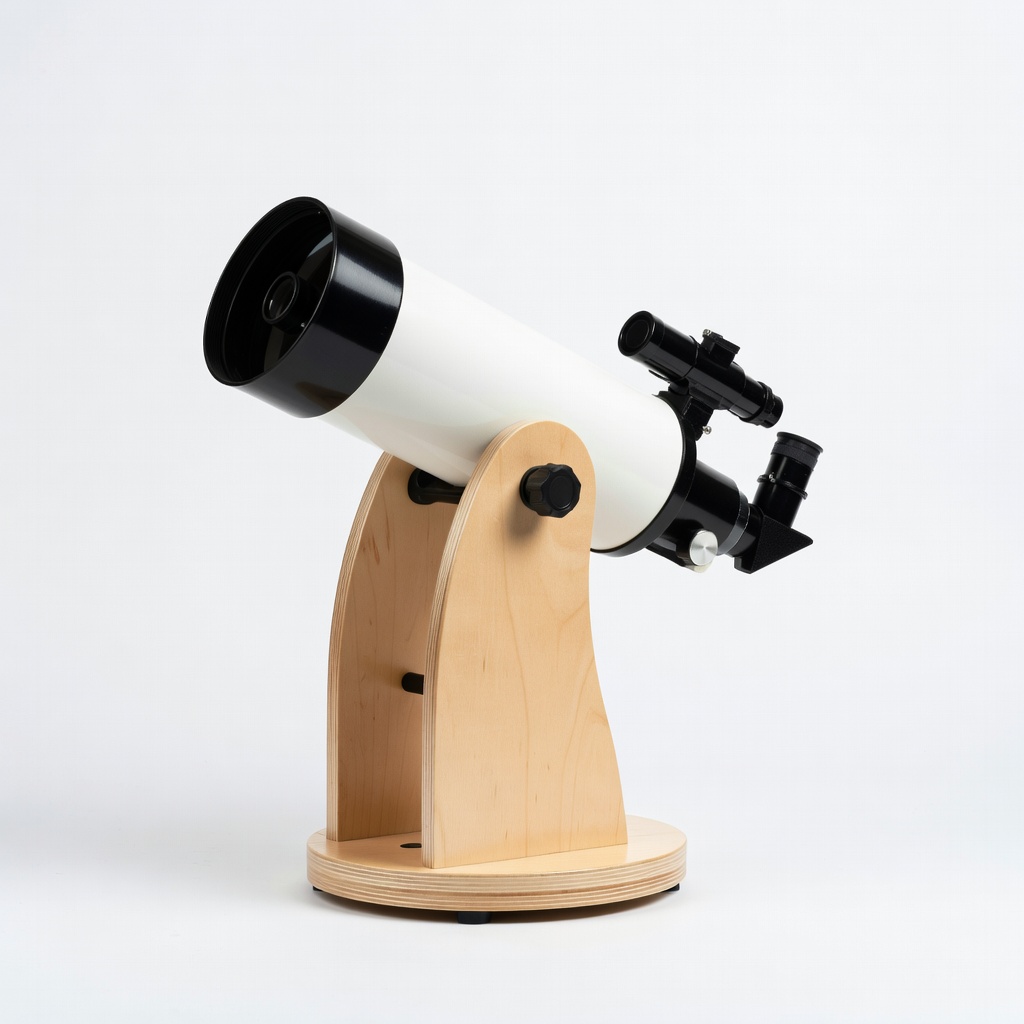
Orion StarBlast 4.5 Astro Reflector Telescope

Learning Curve: Easy

$249.99
Difficulty: 2/5
Orion StarBlast 4.5 Astro Reflector Telescope

Why Great for Beginners:

Push-to Dobsonian base is intuitive – just nudge to objects. Good aperture for planets and clusters. Sturdy, no-tripod design reduces wobbles for shaky beginner hands.

Beginner Pros

  • +Easy pointing, no knobs
  • +Bright views of moon/planets
  • +Compact table-top
  • +Fun for families

Beginner Cons

  • -Table needed
  • -Manual finding takes practice
  • -Heavier to move
👍 Best for: Backyard viewers wanting more light without complexity
👎 Not for: Portable travel users
#3
✨ Premium

Celestron StarSense Explorer DX 102AZ Refractor

Learning Curve: Easy

$399.99
Difficulty: 1/5
Celestron StarSense Explorer DX 102AZ Refractor - Image 1 of 9

Why Great for Beginners:

App uses phone camera to find 220,000+ objects automatically – no star charts needed. Large aperture for crisp planets, stable mount. Feels magical for newbies.

Beginner Pros

  • +App-guided finding
  • +Sharp 102mm optics
  • +Quick setup
  • +Great for light pollution

Beginner Cons

  • -App drains phone battery
  • -Pricey entry
  • -Slight learning for app
👍 Best for: Tech-savvy beginners wanting easy object location
👎 Not for: Budget testers or app-avoiders
#4
👍 Recommended

Celestron AstroMaster 70AZ Refractor Telescope

Learning Curve: Moderate

$139.95
Difficulty: 2/5
Celestron AstroMaster 70AZ Refractor Telescope - Image 1 of 9

Why Great for Beginners:

Classic beginner pick with panhandle control for smooth movement. Steady tripod, clear moon/planet views. Includes finder scope to locate objects fast.

Beginner Pros

  • +Affordable quality
  • +Stable for kids
  • +StarPointer finder
  • +Software bundle

Beginner Cons

  • -Basic optics
  • -Tripod legs slip sometimes
👍 Best for: Families or steady backyard use
👎 Not for: Deep sky hunters

📖 Complete Beginner's Guide to Astronomy Telescope

An astronomy telescope uses lenses or mirrors to magnify distant sky objects. Basics: light enters the front (objective lens/mirror), focuses to an eyepiece where you look. Bigger front = brighter, sharper views.

Types: Refractors (lenses, great for moon/planets, low maintenance); Reflectors (mirrors, better for faint galaxies, but collimation needed); Dobsonians (simple reflectors on rocking base, easy but bulky). Best for beginners: Refractors on alt-az mounts – simple, portable, forgiving.

Expect moon craters Day 1, Jupiter/Saturn in weeks with practice. No galaxies if light-polluted. 'Beginner-friendly' = easy find/view objects, not Hubble-level detail. Marketing like '900x power' is hype – max useful is 50x per inch of aperture.

Evaluate: Read reviews for 'easy setup,' check weight under 15lbs, ensure 4+ stars. Test in store if possible, or buy returnable.

🔧 Essential Accessories for Beginners

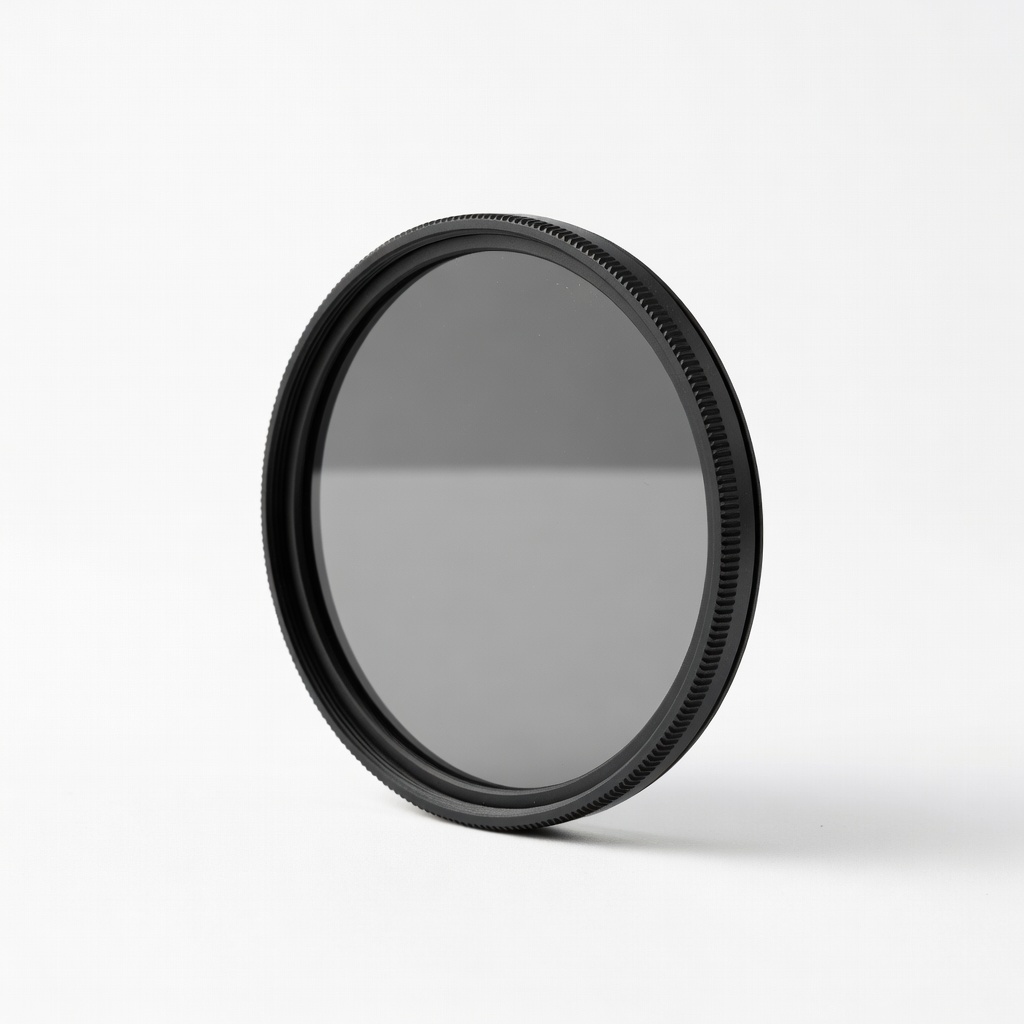
Orion Moon Filter

Orion Moon Filter

⚠️ Essential

$14.99

When to buy:
Day one

Cuts moon's glare for comfy crater viewing without eye strain. Prevents washed-out images newbies get. Cheap upgrade transforms moon sessions.

Beginner Benefits:

  • No squinting
  • Sharper details
  • Extends viewing time
  • Easy install
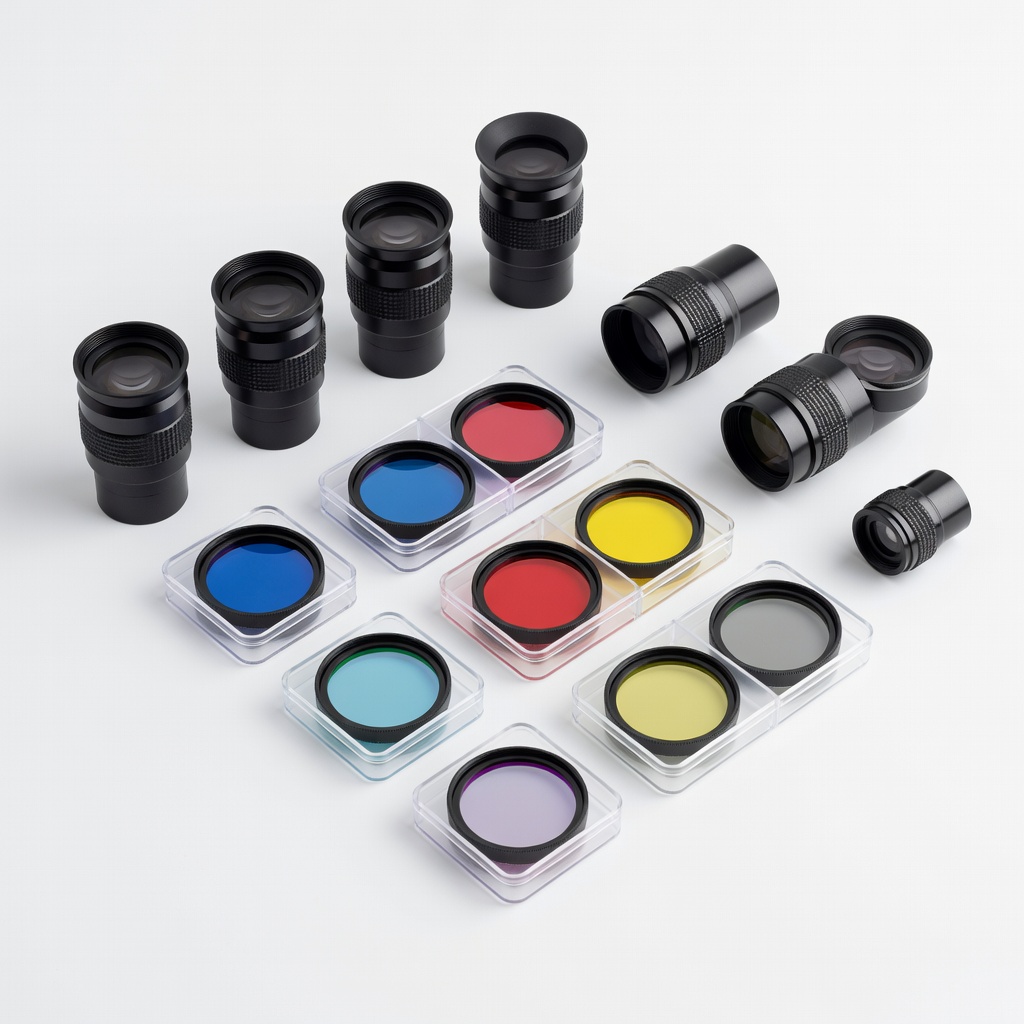
SVBONY Eyepiece and Filter Set

SVBONY Eyepiece and Filter Set

👍 Recommended

$59.99

When to buy:
First month

Expands views from wide-field scanning to high-power zoom. Better than stock eyepieces for planets. Filters boost contrast for all conditions.

Beginner Benefits:

  • Find objects easier
  • Zoom without distortion
  • Color filters help planets
  • Portable set
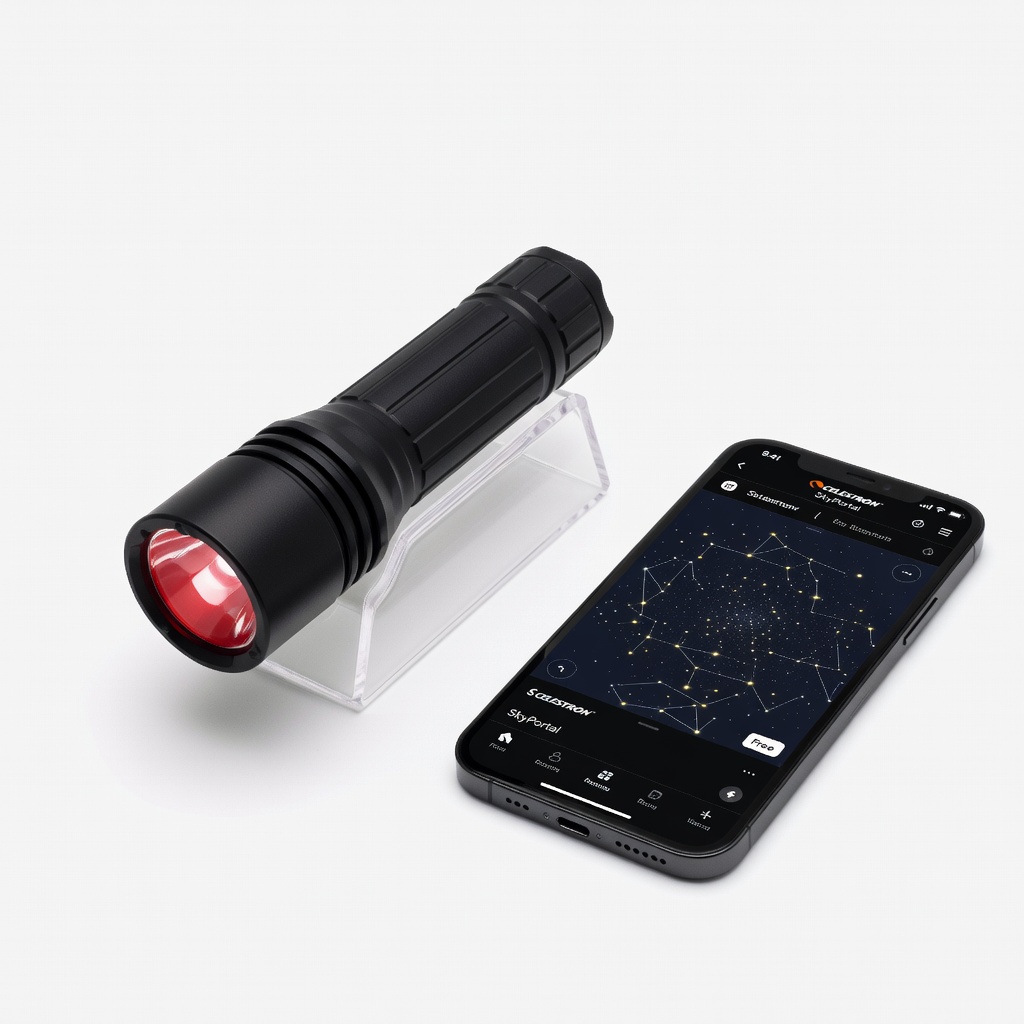
Celestron SkyPortal App (Free, but Red Light Flashlight)

Celestron SkyPortal App (Free, but Red Light Flashlight)

⚠️ Essential

$19.99

When to buy:
Day one

Red light preserves night vision unlike white lights. Essential for maps/charts without ruining dark adaptation. Compact for pocket.

Beginner Benefits:

  • Keeps eyes dark-adapted
  • Read charts easily
  • No glare on scope
  • Long battery
Telescope Carrying Bag

Telescope Carrying Bag

👍 Recommended

$29.99

When to buy:
Day one

Protects from dust/bumps during storage/transport. Makes solo trips easy. Prevents parts loss for disorganized newbies.

Beginner Benefits:

  • Safe carry
  • Organized storage
  • Weather protection
  • Quick setup
Smartphone Adapter

Smartphone Adapter

💡 Nice to Have

$24.99

When to buy:
After comfortable

Mounts phone to eyepiece for digiscoping moon/planets. Shares excitement on social media. Motivates practice.

Beginner Benefits:

  • Easy photos
  • Proof of views
  • Fun sharing
  • Teaches steady hold

🤔 How to Choose Your First Astronomy Telescope

Ask: Budget? Backyard or travel? Moon/planets or deep sky? Solo or family? Start with budget: under $100 for test, $100-300 sweet spot, $300+ premium.

Scenarios: City? Refractor for bright targets. Travel? Compact. Kids? Fun, sturdy. Growth: Pick with upgrade eyepieces. Budget vs premium: Cheap frustrates with blur; premium shines longer.

Red flags: No tripod, tiny aperture (<60mm), equatorial mount, vague 'magnifies 1000x'. Stick to trusted brands.

💰 Budget Guide for Beginners

500+

Serious entry - Larger aperture for nebulae/galaxies, but steeper setup for true newbies

100 - $300

Sweet spot - Solid aperture/mount for moon, planets, some star clusters; best value, lasts years

300 - $500

Premium beginner - App-assisted finding, sharp views, minimal frustration; room to grow

Under $ - $100

Entry level - Basic refractor to try stargazing, views moon but fuzzy planets; upgrade soon

⚠️ Common Beginner Mistakes to Avoid

Beginners chase '1000x zoom' ads, but tiny scopes can't gather light – result: black frustrating views. Cheap Amazon no-names break fast. Solution: Prioritize aperture/mount over hype.

Many skip accessories like filters, missing clear views. Heavy scopes gather dust unused. Avoid by starting simple, reading r/telescopes. Experienced say: 'Buy quality mount, upgrade optics later.'

Not accounting for light pollution – city folks need brighter targets. Test spot first.

  • ×Buying super-cheap (<$50) toys that blur everything
  • ×Chasing high magnification claims (useless without light)
  • ×Ignoring aperture for bigger 'zoom' numbers
  • ×Skipping tripod stability checks
  • ×Not getting moon filter – moon blinds you
  • ×Choosing heavy equatorial mounts too soon
  • ×Expecting deep space in city lights
  • ×Forgetting red flashlight for night vision

📈 Your Progression Path: Beginner to Intermediate

Start with moon (easy, bright), graduate to planets (Jupiter/Saturn), then star clusters. Practice 30 mins/night, use apps like Stellarium. Learn constellations first.

Outgrow beginner when easy finds bore, want galaxies/nebulae (need 6+ inch aperture, dark skies). Upgrade eyepieces first ($50), then bigger scope in 6-12 months.

Most stay beginner 3-6 months; intermediate: manual tracking, astrophotography. Join club for tips.

📚 Learning Resources for Beginners

  • 📖NightWatch: A Practical Guide to Viewing the Universe (ASIN: 1552977876)
  • 📖Astronomy for Dummies (ASIN: B0B5JYFZ4D)
  • 📖Turn Left at Orion (ASIN: 0521153972)
  • 📖Celestron SkyPortal WiFi Module (ASIN: B07H4L5Z5Z)
  • 📖Stellarium Planetarium Software Book (ASIN: 1493772182)
  • 📖The Backyard Astronomer's Guide (ASIN: 1552977329)

🎯 Bottom Line: Our Recommendations

Best overall: Celestron StarSense DX 102AZ – app magic makes finding fun, lasts years. Budget: Gskyer 70mm. Premium: StarSense.

Grab moon filter + red flashlight Day 1. Start tonight – first moon view hooks you forever!

Next: Clear night, setup in yard, use app/book. You're not buying a scope; unlocking the universe. You've got this!

❓ Frequently Asked Questions

Celestron StarSense Explorer DX 102AZ (B08J2K3L4M) – app finds objects automatically, easy setup, great views. Perfect balance of simple and powerful.
$100-300 sweet spot for value. Under $100 tests hobby; $300+ for premium ease.
Alt-az mount, 70-102mm aperture, stable tripod, included eyepieces. Skip GoTo or huge sizes.
Gskyer 70mm (B09N5O6P7Q) or StarSense DX – quick setup, intuitive controls.
Moon filter (essential), eyepiece set, red flashlight, carrying bag.
Match budget/use: backyard refractor. Check aperture/mount, read reviews.
Not with right pick – 10-min setup, moon views Day 1. Patience for planets.
Cheap toys, high-mag hype, no filters, wrong mount. Focus aperture/stability.
Yes! Jupiter moons, Saturn rings clearly with 70mm+.
Moon/planets ok in city; deep sky needs darker spots.

Related Articles