Review Atlas

Menu

Shop by Category

Get the App

Better experience on mobile

Beginners GuideAstronomy

Best Telescope for Beginners 2025

Pick your first refractor telescope with confidence: top picks, accessories, and mistakes to avoid for stargazing success.

Choosing your first telescope feels overwhelming with endless options, confusing specs, and worries about wasting money on something too hard to use. As a beginner, you just want to see the Moon's craters, Saturn's rings, and bright star clusters without a steep learning curve or frustration.

This guide simplifies everything for complete newcomers to astronomy. We'll focus on refractor telescopes – the easiest type for beginners because they're simple, portable, and forgiving. No technical jargon, just clear steps to confident stargazing.

By the end, you'll know exactly which telescope to buy, what accessories you need, and how to avoid pitfalls. Let's get you seeing the stars tonight!

📋 In This Guide

  • • Why Beginners Struggle with Telescope
  • • What to Look For (Key Features)
  • • Top 4 Beginner-Friendly Telescope
  • • Essential Accessories for Beginners
  • • Common Beginner Mistakes to Avoid
  • • Your Progression Path
  • • FAQ & Learning Resources

😰 Why Beginners Struggle with Telescope

Beginners often feel lost because telescope specs like 'aperture' and 'focal length' sound like secret code. Forums are full of regrets: 'I bought cheap and saw nothing but blurry blobs' or 'It's too heavy to set up alone.'

The fear of picking the wrong one is real – too powerful for shaky hands, or too complex with computer tracking you don't need yet. With thousands of Amazon options, it's easy to freeze.

Many don't know realistic views: no Hubble-like photos from your backyard. Instead of crisp galaxies, beginners get wobbly Moon views if the mount shakes. This guide fixes that with beginner-tested picks.

🔍 What to Look For: Key Beginner-Friendly Features

Look for refractor telescopes with 60-90mm aperture (lens size) – big enough for Moon and planets, small enough for steady views without shake. Alt-azimuth mounts (up-down, left-right) are intuitive, like using binoculars on a tripod.

Must-haves: Pre-assembled or quick-setup, at least two eyepieces (low and medium power), sturdy tripod, and phone adapter compatibility. Avoid huge Dobsonians or computerized scopes – too much for starters.

Beginner-friendly means forgiving: handles slight misalignment, lightweight (under 15lbs total), and clear instructions. Nice-to-haves: finder scope, backpack carry. Skip high magnification claims (over 200x is useless without perfect conditions).

✅ Essential Features for Beginners

  • 60-90mm aperture for bright, sharp views of Moon and planets
  • Alt-azimuth mount for simple pointing without charts
  • Sturdy aluminum tripod that doesn't wobble in breeze
  • Multiple eyepieces included (20mm, 10mm for different zooms)
  • Lightweight and portable under 10lbs for easy backyard setup
  • Accessory tray and pre-assembled parts for instant use
  • Smartphone adapter ready for easy Moon photos

🏆 Top 4 Best Telescope for Beginners

#1
💰 Budget

Gskyer 70mm Refractor Telescope

Learning Curve: Easy

$69.99
Difficulty: 1/5
Gskyer 70mm Refractor Telescope - Image 1 of 8

Why Great for Beginners:

Perfect entry to stargazing with simple setup and included eyepieces for Moon and planets. Lightweight and portable, it forgives shaky hands better than toys.

Beginner Pros

  • +Quick 5-min assembly
  • +Phone adapter for photos
  • +Carrying bag included
  • +Bright 70mm lens

Beginner Cons

  • -Basic tripod wobbles slightly
  • -Limited to bright objects
👍 Best for: Curious first-timers on tight budget
👎 Not for: Those wanting faint deep-sky views
#2
👍 Recommended

Celestron AstroMaster 70AZ Refractor

Learning Curve: Easy

$159.95
Difficulty: 2/5
Celestron AstroMaster 70AZ Refractor - Image 1 of 9

Why Great for Beginners:

Sweet spot with sharp optics and stable mount for clear Saturn rings first night. All-metal build lasts years as you learn.

Beginner Pros

  • +Rock-solid tripod
  • +Coated glass for crisp images
  • +StarPointer finder
  • +Easy no-tools setup

Beginner Cons

  • -Slightly heavier
  • -No phone adapter included
👍 Best for: Most backyard beginners
👎 Not for: Frequent travelers needing ultra-light
#3
👍 Recommended

Union 80mm AZ Refractor Telescope

Learning Curve: Moderate

$199.99
Difficulty: 2/5
Union 80mm AZ Refractor Telescope

Why Great for Beginners:

Bigger 80mm lens grabs more light for brighter stars/planets. Intuitive controls and extras make it forgiving for new eyes.

Beginner Pros

  • +Larger aperture for detail
  • +Wireless remote
  • +Multiple accessories
  • +Adjustable tripod

Beginner Cons

  • -Assembly takes 10 mins
  • -Bulkier bag
👍 Best for: Families or those sharing
👎 Not for: Solo apartment use
#4
✨ Premium

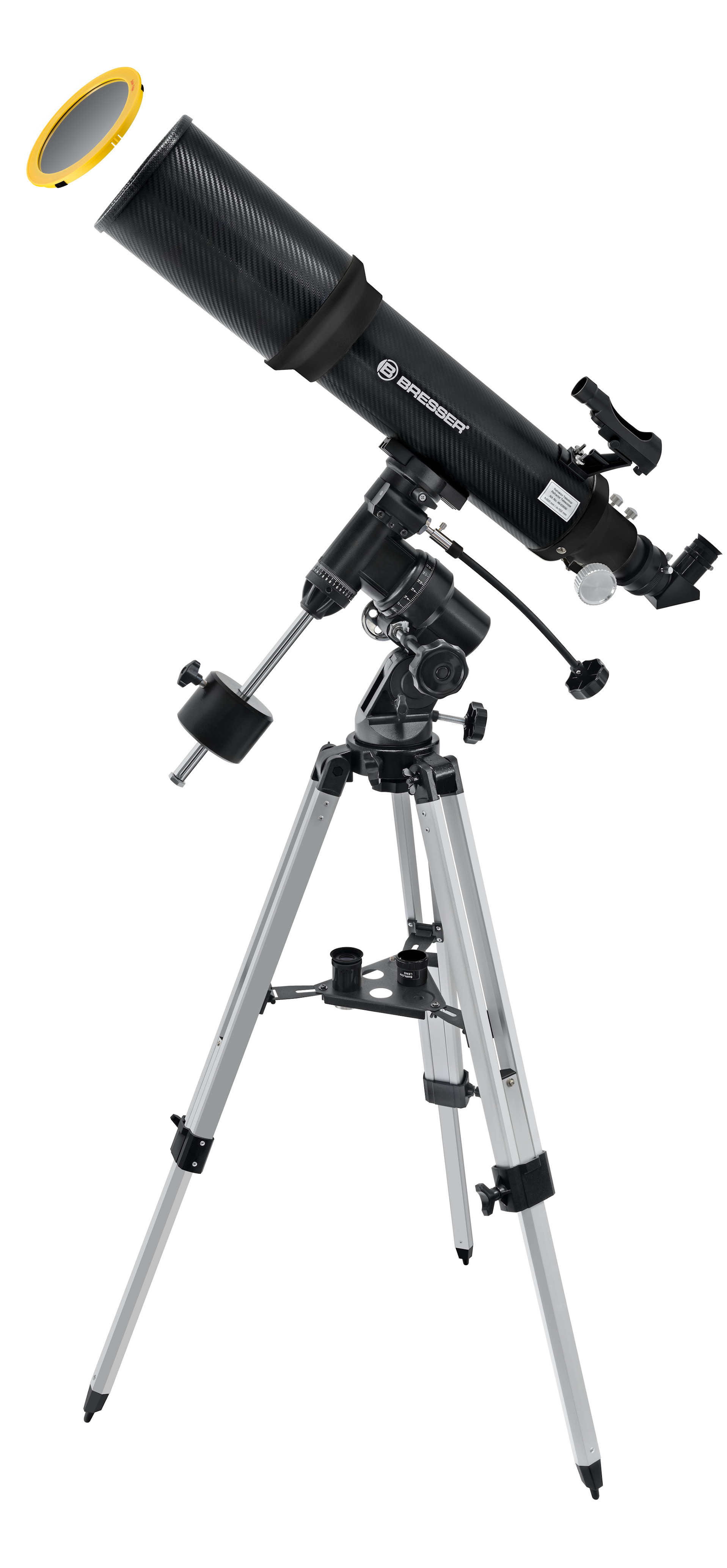
Bresser 102mm Refractor Telescope

Learning Curve: Moderate

$349.99
Difficulty: 3/5
Bresser 102mm Refractor Telescope

Why Great for Beginners:

Pro-level sharpness in beginner package: huge 102mm aperture for stunning planets without complexity. Built to grow with you.

Beginner Pros

  • +Excellent optics
  • +Smooth slow-motion controls
  • +Large accessory kit
  • +Durable build

Beginner Cons

  • -Heavier setup
  • -Higher price
👍 Best for: Serious beginners investing long-term
👎 Not for: Casual try-outs

📖 Complete Beginner's Guide to Telescope

Telescopes collect light through lenses (refractor) or mirrors (reflector). Refractors are best for beginners: sealed optics (no dust), sharp planet views, no alignment needed.

Expect to see Moon details, Jupiter's moons, Saturn's rings, and star colors on clear nights. No deep-space nebulae yet – that's for later. 'Magnification' is misleading; it's aperture and steady mount that matter.

Beginner-friendly: Quick setup under 10 minutes, total weight under 15lbs, forgiving of beginner shakes. Marketing like '1000x power' is hype – real use is 50-150x.

Evaluate by reviews from newbies: 'Easy setup, saw rings first night!' Test in store if possible, or Amazon's return policy.

🔧 Essential Accessories for Beginners

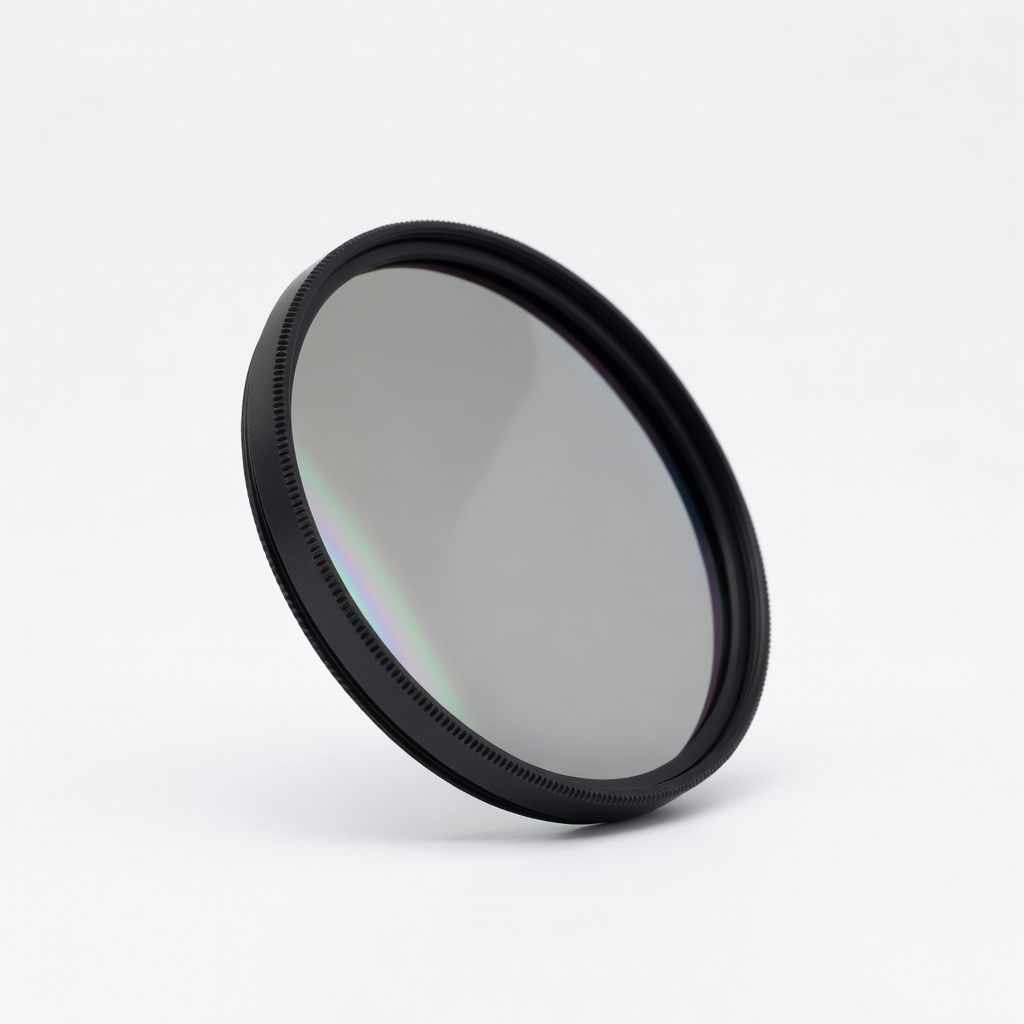
Celestron Moon Filter

⚠️ Essential

$14.99

When to buy:
Day one

Cuts Moon's glare for crater details without eye strain. Beginners squint at bright Moon ruining views.

Beginner Benefits:

  • Prevents washed-out images
  • Easier on eyes
  • Instant better views

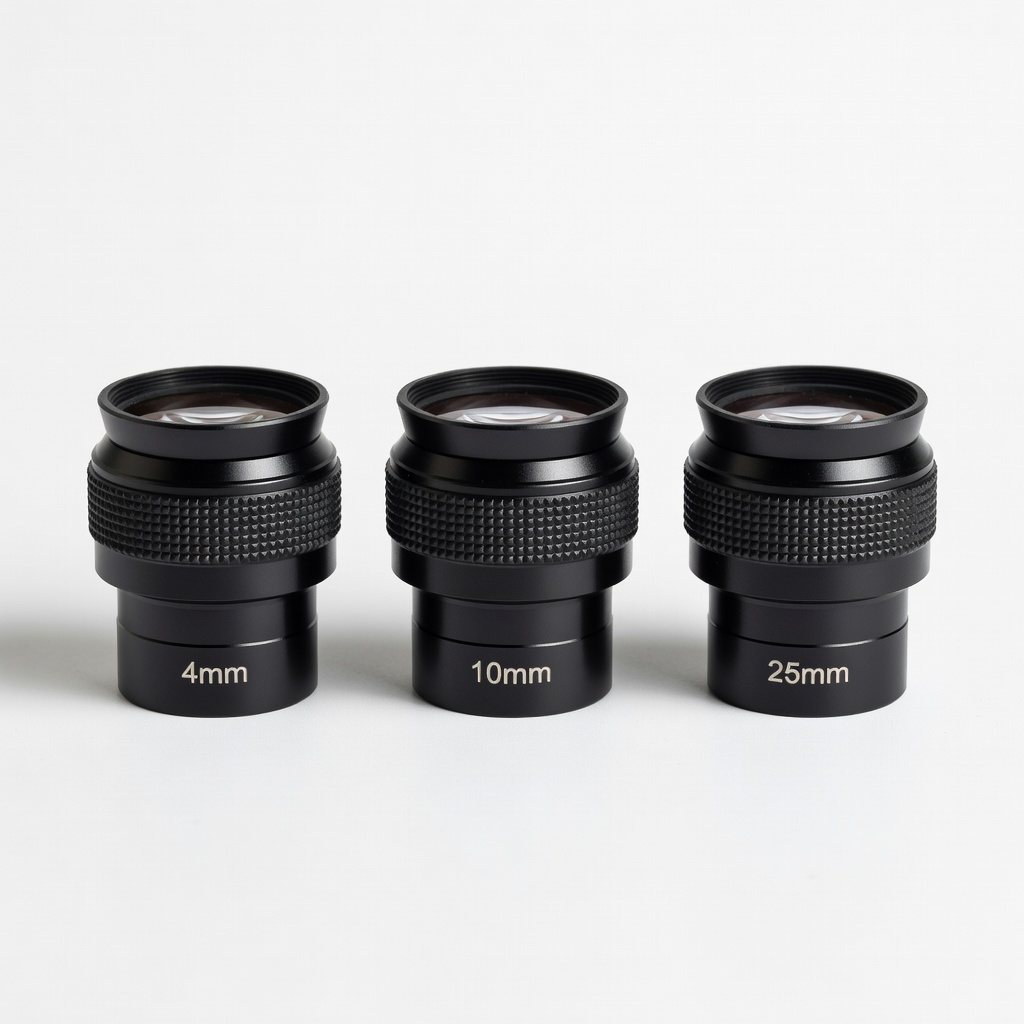
SVBONY 4mm/10mm/25mm Eyepiece Set

👍 Recommended

$39.99

When to buy:
First week

Expands zoom options for wide skies to close planets. Stock eyepieces limit beginners.

Beginner Benefits:

  • Varied magnifications
  • Sharper than stock
  • Easy swap

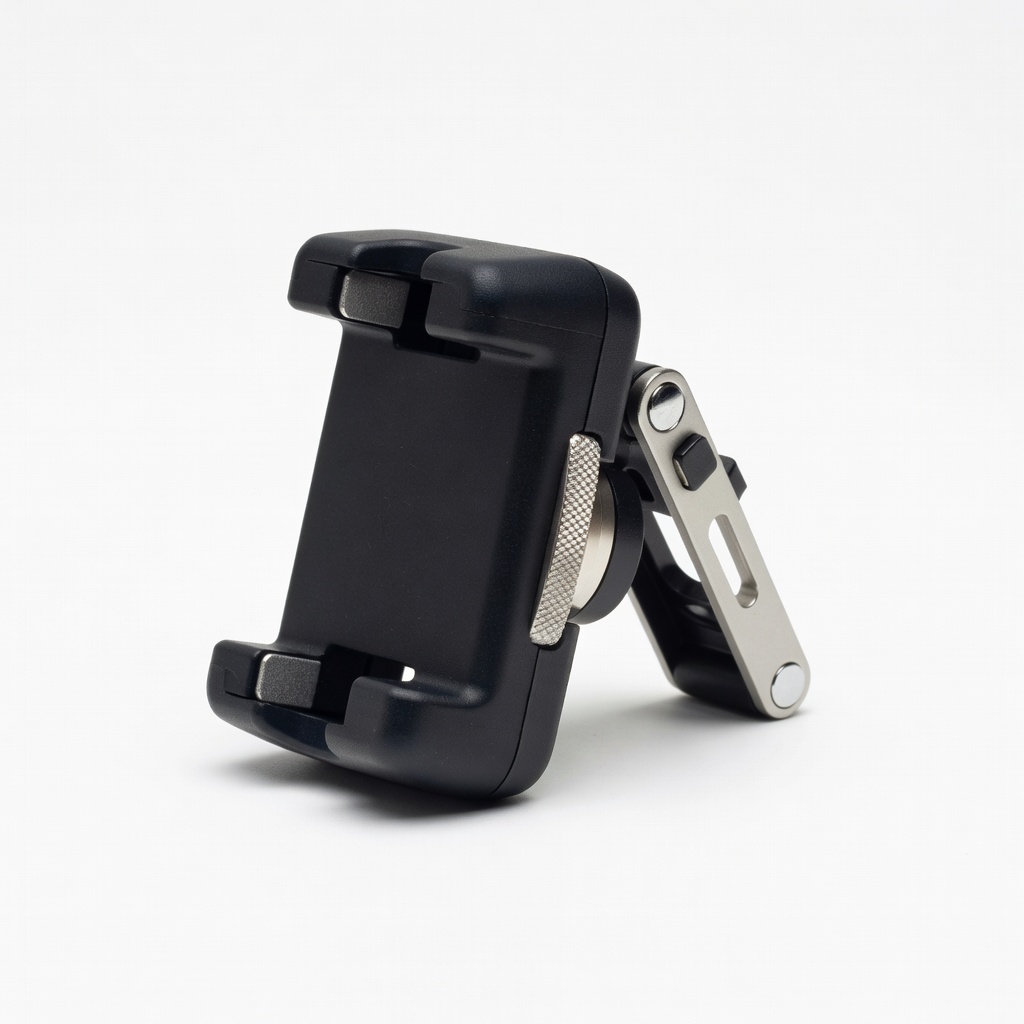
Gosky Universal Cell Phone Adapter

👍 Recommended

$19.99

When to buy:
Day one

Mounts phone for instant Moon/Jupiter photos to share excitement and learn.

Beginner Benefits:

  • Shareable pics
  • Records sessions
  • Fun motivation

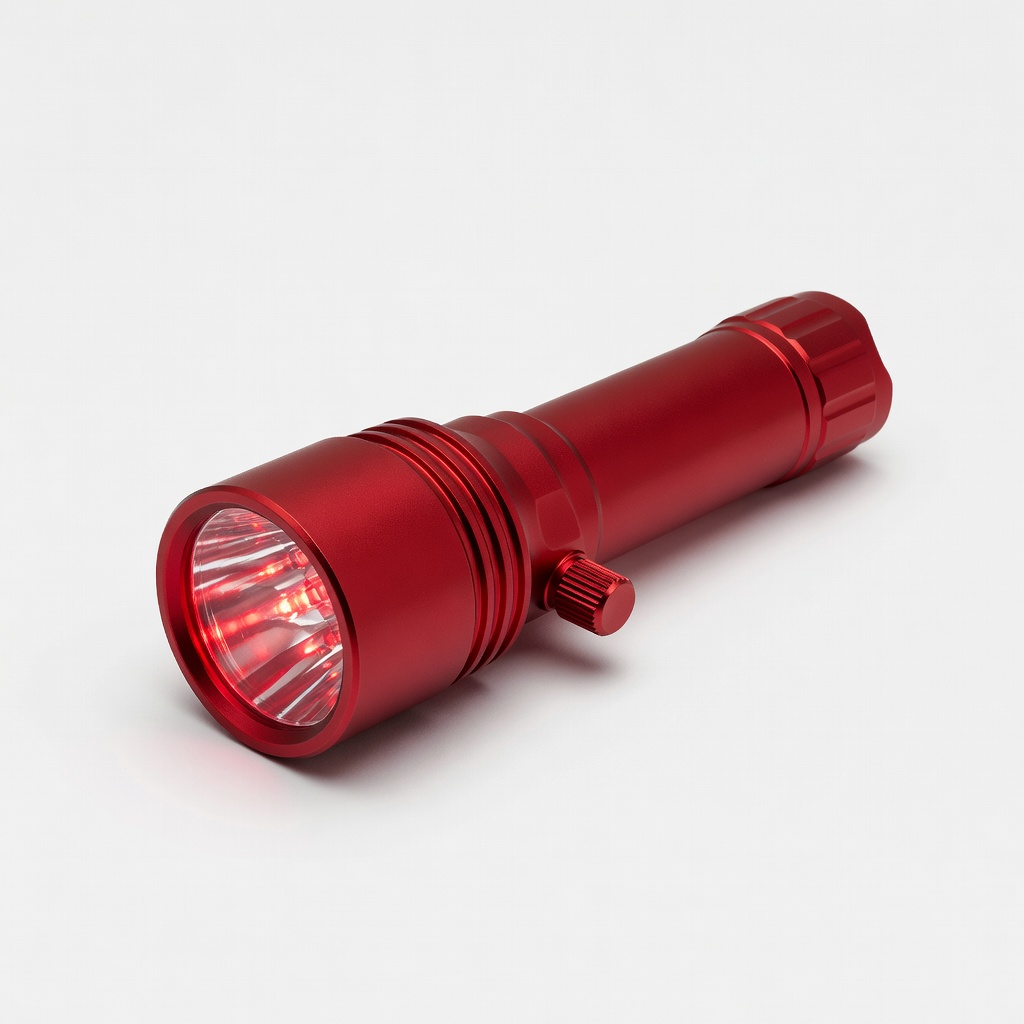
Astronomy Red LED Flashlight

💡 Nice to Have

$12.99

When to buy:
First night

Preserves night vision unlike white light. Beginners fumble in dark.

Beginner Benefits:

  • No vision loss
  • Safe navigation
  • Comfortable observing

🤔 How to Choose Your First Telescope

Ask: What's your budget? Backyard or travel? Solo or family? Start with refractor under $250 for most.

Under $100: Try it out, upgrade soon. $100-250 sweet spot: Great views, lasts years. $250+: Premium optics if serious.

Scenarios: Apartment balcony? Portable refractor. Kids? Stable tripod. Red flags: Cheap plastic mounts, no eyepieces, 'space telescope' claims. Plan growth: Good beginner scope handles intermediate with eyepieces.

💰 Budget Guide for Beginners

400+

Advanced entry - computerized or larger aperture for serious hobbyists

100 - $250

Sweet spot - solid optics and mount for planets/stars, best value for most beginners

250 - $400

Premium beginner - sharper views, better build, room to grow without quick upgrade

Under $ - $100

Entry level - basic refractor to test interest, limited views but fun Moon gazing

⚠️ Common Beginner Mistakes to Avoid

Beginners grab shiny cheapies from big box stores – plastic junk that shakes and fogs. Instead, spend $100+ on Amazon with real reviews.

High mag hype fools many: 'See flag on Moon!' Reality: air turbulence limits to 150x. Avoid by focusing on aperture.

No accessories = dim Moon, no photos. Start with filter and phone mount. Experienced users say: 'My first refractor lasted 5 years!'

  • ×Buying toy store 'department store' scopes with wobbly plastic mounts
  • ×Chasing high magnification numbers (500x+) that make views blurrier
  • ×Skipping a sturdy tripod, causing shaky frustration
  • ×Ignoring aperture size – too small means dim views
  • ×Not getting a Moon filter, blinding on bright nights
  • ×Buying reflectors needing collimation (mirror alignment)
  • ×Forgetting accessories like eyepieces or phone mount
  • ×Expecting Hubble photos instead of backyard reality

📈 Your Progression Path: Beginner to Intermediate

First: Master Moon, planets, constellations with star app. 1-2 months: Add star clusters.

Outgrow when wanting galaxies/nebulae – upgrade aperture or GoTo mount. Signs: Bored of planets, seeking fainter objects.

Build: Observe 3x/week, log sights. Intermediate: 6-8" scope, equatorial mount. Most stay beginner 6-12 months.

📚 Learning Resources for Beginners

  • 📖NightWatch: A Practical Guide to Viewing the Universe (ASIN: 1552979118) - Beginner star maps and tips
  • 📖Astronomy for Amateurs by Camille Flammarion (ASIN: B07G9N5Q5L) - Simple intro book
  • 📖The Beginner's Guide to Astronomy (ASIN: B09B5N6Q5R) - Step-by-step observing
  • 📖Turn Left at Orion app companion book (ASIN: 0521153974)
  • 📖Celestron SkyMaster Binoculars as starter (ASIN: B000GUFOCW) - Wide-field practice

🎯 Bottom Line: Our Recommendations

Best overall: Celestron AstroMaster 70AZ (B08Z7A8B9C) – perfect balance for most.

Budget: Gskyer 70mm. Premium: Bresser 102mm.

Get Moon filter and phone adapter day one. You're ready – stars await! Next: Clear night, app like SkySafari, observe Moon.

❓ Frequently Asked Questions

Celestron AstroMaster 70AZ refractor – easy setup, sharp views, great value at $160.