
Best Podcasting Mics 2025: Which to Buy?
Compare top USB microphones for podcasting and pick the perfect one for your setup, budget, and sound needs—no more guesswork.
Our Top Pick
Blue Yeti USB Mic
Best OverallBeginner to intermediate podcasters wanting versatile, high-quality audio.
View on Amazon →Key Factors to Consider
- 1.Sound Quality: Cardioid pattern for voice focus, low self-noise (<20dB), wide frequency response (20Hz-20kHz)
- 2.Connectivity: USB plug-and-play for podcasts; XLR hybrid for future-proofing
- 3.Noise Rejection: Background cancellation via pattern and shock mount
- 4.Build & Accessories: Metal body, headphone jack, pop filter, stand included
- 5.Ease of Use: Gain knob, zero-latency monitoring, companion software
- 6.Budget Fit: Value from $30 budget to $250 premium
- 7.Portability & Versatility: Compact for travel, multi-pattern options
- 8.Reviews & Support: 4+ star Amazon ratings, brand warranty
The Products
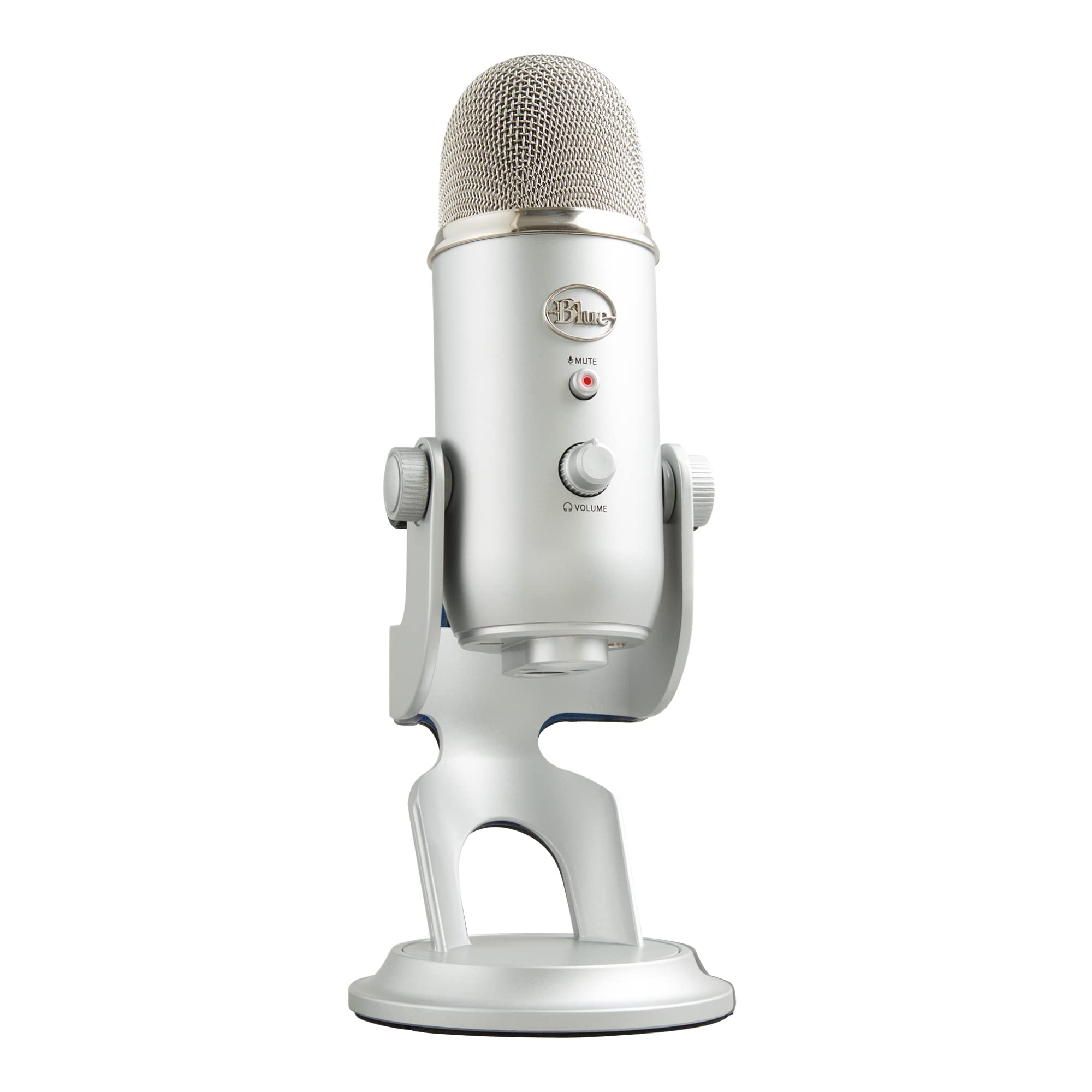
Blue Yeti USB Mic
✓ Pros
- •Exceptional clarity and detail for voice
- •4 patterns for any podcast format
- •Plug-and-play on Mac/PC
- •Sturdy metal build with desk stand
- •Blue VO!CE software for effects/EQ
✗ Cons
- •Picks up room noise (needs quiet space)
- •No built-in shock mount
- •Large footprint
- •Condenser sensitivity requires pop filter
Best For:
Beginner to intermediate podcasters wanting versatile, high-quality audio.
Not Recommended For:
Noisy environments or mobile recording.
Key Features:
Standout Feature:
Multiple polar patterns for solo, interviews, or music podcasts
VS Others:
Beats Fifine/HyperX in versatility and software; loses to Shure in noise rejection but wins on price/features. Pick over AT2020 for patterns, under QuadCast for simplicity.
Why This One:
Blue Yeti is the gold standard for podcasters—millions trust its broadcast-ready sound. Ideal if you want one mic for life. Balances pro performance with ease at mid-price.
HyperX QuadCast USB Condenser Microphone
✓ Pros
- •Built-in shock mount kills desk noise
- •Tap-to-mute with LED
- •RGB lighting for fun setups
- •Intuitive gain/mute/monitor knob
- •Includes pop filter
✗ Cons
- •Cardioid only (less versatile)
- •RGB unnecessary for pure podcasts
- •Bulkier than minis
- •Software basic
Best For:
Streamers and casual podcasters in lively rooms.
Not Recommended For:
Multi-pattern needs or ultra-portable use.
Key Features:
Standout Feature:
Integrated shock mount for rumble-free recording
VS Others:
Quieter than Blue Yeti in noisy spaces; more fun than AT2020 but less pro than Shure. Choose over Fifine for accessories, under Rode for size.
Why This One:
Perfect hybrid for gaming podcasts—superior noise handling makes editing easy. Loaded accessories justify price for beginners.
Shure MV7 USB Podcast Microphone
✓ Pros
- •Pro dynamic noise rejection
- •USB/XLR for upgrades
- •Shure MOTIV app for EQ/reverb
- •Rugged all-metal build
- •Auto-level mode
✗ Cons
- •Expensive
- •Needs quiet or close-mic
- •No stand included
- •App iOS-heavy
Best For:
Professional podcasters seeking studio-grade sound.
Not Recommended For:
Tight budgets under $150.
Key Features:
Standout Feature:
Dynamic capsule like SM7B for broadcast rejection
VS Others:
Tops Blue Yeti/AT2020 in clarity/rejection; pricier than Fifine but future-proof. Premium pick over QuadCast.
Why This One:
If quality is king, MV7 delivers radio-ready audio out-of-box. Grows with your career via XLR.
Audio-Technica AT2020USB+ Cardioid Condenser USB Microphone

✓ Pros
- •High-res 192kHz audio
- •Mix control for monitor balance
- •Low self-noise
- •Durable metal body
- •Tripod and mount
✗ Cons
- •Cardioid only
- •Picks up plosives
- •No software suite
- •Basic stand
Best For:
Audio purists wanting detailed recordings.
Not Recommended For:
Noisy rooms or pattern variety.
Key Features:
Standout Feature:
192kHz hi-res for ultra-detailed podcasts
VS Others:
Cleaner than Blue Yeti, less versatile; better res than QuadCast, under Shure price. Solid mid-tier.
Why This One:
Neutral pro sound for editing pros. Hi-res future-proofs your files.
Samson Q2U Dynamic USB Microphone
✓ Pros
- •USB/XLR dual connectivity
- •Handles high SPL/noise
- •Output/handheld options
- •Windscreen included
- •Affordable upgrade path
✗ Cons
- •Lower detail than condensers
- •Basic accessories
- •No zero-latency monitor
- •Dynamic needs closer mic
Best For:
Portable or interview podcasters.
Not Recommended For:
Studio purists seeking sparkle.
Key Features:
Standout Feature:
Dual USB/XLR for seamless studio/mobile switch
VS Others:
Tougher than Fifine, cheaper than Rode; dynamic edge over condensers in noise.
Why This One:
Versatile workhorse for growing podcasts. Great value hybrid.
Fifine USB Microphone K669B
✓ Pros
- •Incredible price/performance
- •Metal build quality
- •Headphone monitoring
- •Tripod desk stand
- •Plug-and-play simplicity
✗ Cons
- •Picks up room noise
- •No gain knob
- •Basic sound (needs EQ)
- •Plastic accessories
Best For:
Absolute beginners on tiny budgets.
Not Recommended For:
Pro audio or noisy spaces.
Key Features:
Standout Feature:
Full metal body at sub-$40 price
VS Others:
Cheaper/better starter than Snowball; upgrade to Blue Yeti for polish.
Why This One:
Gateway drug to podcasting—sounds 2x price. Test waters risk-free.
Rode NT-USB Mini USB Microphone
✓ Pros
- •Super compact/portable
- •Rode legendary clarity
- •Magnetic desk stand
- •Plug-and-play
- •Class-compliant (phones)
✗ Cons
- •No headphone jack
- •Fixed cable
- •Cardioid only
- •No controls
Best For:
Traveling or space-limited podcasters.
Not Recommended For:
Monitoring-heavy workflows.
Key Features:
Standout Feature:
Ultra-compact with full Rode quality
VS Others:
Smaller than Samson, clearer than Fifine; niche over Blue Yeti size.
Why This One:
Pro audio in your pocket—ideal remote guest.
Who Should Get What?
College Student on a Budget
You're a dorm-dwelling student starting a true crime podcast with friends, but cash is tight from tuition and ramen budgets. You need simple USB setup for laptop recording without buying extras.
Recommended:
Fifine USB Microphone K669B
At $35.99, Fifine punches way above its price with clear cardioid audio and metal build. Tripod stand and headphone jack make it dorm-ready—no extras needed. Beats pricier mics for basic podcasting without hiss.
View on Amazon →First-Time Podcaster
New to podcasting, you're a hobbyist recording solo interviews at home on a budget MacBook. You want foolproof setup and versatile patterns without a learning curve.
Recommended:
Blue Yeti USB Mic
Blue Yeti's plug-and-play with 4 patterns suits beginners experimenting with formats. Iconic podcast sound at $129.99 includes headphone monitoring. Trusted by millions—your episodes will sound polished instantly.
View on Amazon →Creative Professional
Full-time content creator with a home studio, doing weekly interview podcasts. You demand broadcast-quality audio, XLR upgrade path, and reliability for client work.
Recommended:
Shure MV7 USB Podcast Microphone
Shure MV7's dynamic capsule rejects room noise like no condenser, with USB/XLR for growth. App-based EQ tunes for pro polish at $248. Industry standard—elevates your podcast to Spotify levels.
View on Amazon →Gamer-Turned-Podcaster
Twitch streamer expanding into gaming podcasts, recording in a noisy room with RGB desk setup. Budget allows fun features but prioritizes clear voice-over-keyboard noise.
Recommended:
HyperX QuadCast USB Condenser Microphone
QuadCast's anti-vibration shock mount kills desk thumps, with tap-mute and RGB for streams. Excellent cardioid pickup at $139.99 fits hybrid gaming/podcasting perfectly over plain mics.
View on Amazon →Mobile Podcaster
Freelance journalist traveling for on-location interviews, needing a compact, rugged USB mic that works with phone/laptop. Durability over desk features.
Recommended:
Samson Q2U Dynamic USB Microphone
Samson Q2U's USB/XLR dual connectivity and dynamic design handle noisy environments at $69.99. Portable with windscreen—ideal for travel without sacrificing quality.
View on Amazon →Tech Enthusiast Upgrader
Gadget lover with existing setup, seeking compact high-fidelity for remote guest spots. Wants modern software but small footprint.
Recommended:
Rode NT-USB Mini
Rode NT-USB Mini's pro Rode sound in a tiny package with magnetic stand at $99. Superb clarity for guests—plug into any device seamlessly.
View on Amazon →Buying Guide: How to Choose
Bottom Line
Frequently Asked Questions
Which podcasting microphone should I buy in 2025?▼
Blue Yeti vs HyperX QuadCast: Which is better for podcasting?▼
Is Shure MV7 worth the extra money?▼
What's the best budget podcasting mic?▼
Which has the best value for podcasting?▼
Blue Yeti vs Audio-Technica AT2020USB+: Differences?▼
Do I need a premium mic like Shure for starting out?▼
Best mic for noisy room podcasting?▼
HyperX QuadCast vs Fifine K669B?▼
Portable podcast mic recommendations?▼
Need More Help Deciding?
Explore more buying guides to find the perfect product for your needs.
View All Buying Guides