Review Atlas
Review AtlasYour guide to a better purchase

Menu

Shop by Category

Get the App

Better experience on mobile

7 Best Which Podcast Microphones should I buy in 2026: Tested &…

Compare the best Podcast Microphones for two-person podcast and find your perfect match based on needs and budget

Podcast Microphonestwo-person podcastpodcasters$100-$300
Choosing the perfect podcast microphone for a two-person show is harder than it seems. You have to think about background noise, room acoustics, USB vs XLR, and whether you'll need an audio interface. Add the pressure of keeping two mics in a limited budget, and it's easy to feel stuck. The good news: if you're reading this guide, you're already ahead. We've researched the most popular mics between $100 and $300 per unit, and reviewed verified buyer feedback and expert opinions. We'll break down what matters most when recording two voices, compare seven real products, and give you practical recommendations based on your unique situation. Whether you're two friends starting your first podcast, remote co-hosts using your laptops, or professionals ready to upgrade your studio, this guide will help you choose with confidence. Let's find the right mic for your show.

Our Top Pick

Shure MV7

Best Overall

Podcasters who want the best of both USB convenience and future XLR compatibility.

View on Amazon →

Key Factors to Consider

  • 1.Dynamic vs. Condenser: Dynamic mics handle background noise better, essential when two hosts share a space.
  • 2.Polar Pattern: Cardioid is ideal for two-person podcasting, rejecting off-axis sound.
  • 3.USB vs. XLR: USB mics are plug-and-play; XLR mics require an audio interface but offer better upgrade paths.
  • 4.Multi-Mic Computer Setup: Two USB mics on one computer requires aggregation software; XLR interface with two inputs is simpler.
  • 5.Built-in Headphone Monitoring: Important for two-person recording to hear each other without latency.
  • 6.Accessories Included: shock mount, pop filter, stand, and cables affect total cost.
  • 7.Build Quality & Durability: Podcasts involve frequent handling; metal construction lasts longer.
  • 8.Budget Beyond the Mic: Cables, stands, interfaces, and acoustic treatment add up.
  • 9.Brand Reputation & Support: Established brands like Shure, Rode, EV, Audio-Technica provide reliable warranty.
  • 10.Future-Proofing: Choose a mic that works with both USB and XLR for flexibility.

The Products

#1

Shure MV7

Best Overall
Shure MV7
Overall
9.2/10
Value
8.5/10
Performance
9.5/10
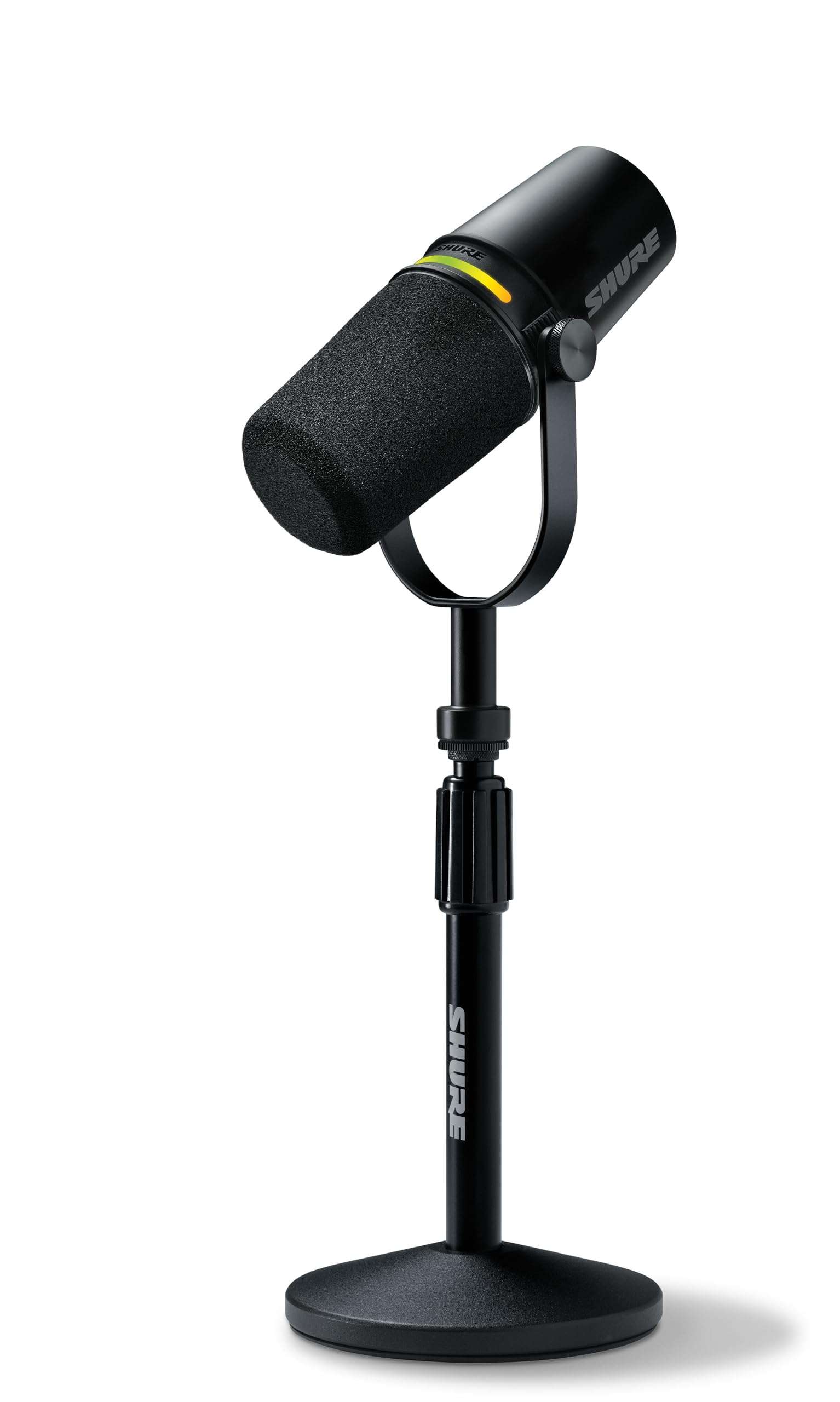
The Shure MV7 is a hybrid USB/XLR dynamic microphone that was designed with podcasters in mind. It combines the broadcast sound of Shure's legendary SM7B with the convenience of a USB-C connection, making it a top choice for two-person shows that want professional quality without an audio interface. The built-in headphone output allows zero-latency monitoring, and the ShurePlus MOTIV app gives you access to Auto Level Mode, EQ, and compression. The MV7 features a cardioid pickup pattern that delivers excellent off-axis noise rejection, so each host picks up less background chatter. The all-metal housing feels rugged enough for regular use, and the integrated pop filter minimizes plosives. Whether you connect via USB for a quick setup or XLR for a traditional mixer, the MV7 adapts to your workflow. While it costs more than budget dynamics, its versatility and sound quality make it a value-packed investment for podcasters who want to start simple and later upgrade their interface.

Pros

  • Hybrid USB and XLR connectivity
  • Excellent sound quality with Shure broadcast heritage
  • Built-in headphone monitoring with zero latency
  • Auto Level Mode simplifies gain staging
  • All-metal construction and durable build
  • Touch-to-mute button for instant muting

Cons

  • Expensive compared to other dynamics
  • Software needed for full control of EQ/compression
  • Multi-USB setup can require aggregation software
  • Heavier than some competitors

Best For:

Podcasters who want the best of both USB convenience and future XLR compatibility.

Not Recommended For:

Budget-conscious duos who can use an XLR interface and save money with a Rode PodMic.

Key Features:

USB-C and XLR outputsCardioid dynamic capsuleBuilt-in headphone jackShurePlus MOTIV app with Auto Level ModeIntegrated pop filterTouch-to-mute controlAll-metal construction

Standout Feature:

Auto Level Mode automatically adjusts gain in real-time for consistent vocal levels.

VS Others:

Compared to the Rode PodMic, the MV7 costs more than twice as much but adds USB-C, on-board DSP, and a headphone jack. If you need XLR-only and already own an interface, the PodMic delivers 90% of the sound for 40% of the price. The MV7 is worth the premium when you want a simple USB setup that grows with you.

Why This One:

The Shure MV7 is the most versatile podcast mic in this guide. It offers professional-grade sound in a rugged body and works with both USB and XLR systems. If you want a single mic that handles everything from a laptop recording to a full studio setup, this is it.

#2

Rode PodMic

Best Value
Rode PodMic
Overall
9/10
Value
9.5/10
Performance
8.8/10
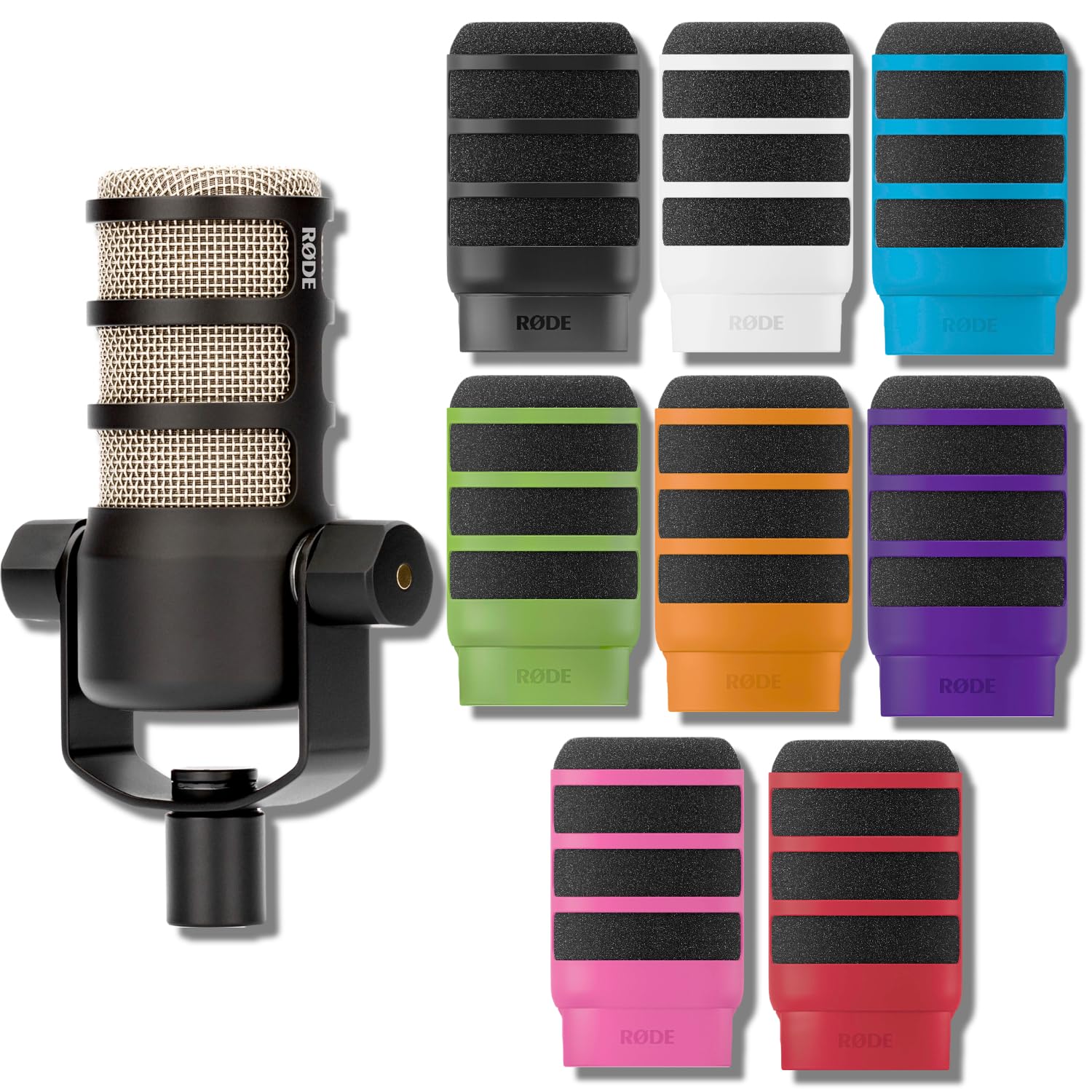
The Rode PodMic is a dynamic XLR microphone built specifically for podcasting. It delivers warm, broadcast-style vocals in a compact metal body that costs under $100—a remarkable value when compared to larger broadcast microphones. The cardioid polar pattern provides excellent isolation, so two hosts can record in the same room without crosstalk. Designed with an internal shock mount and pop filter, the PodMic minimizes handling noise and plosives right out of the box. It's an XLR-only mic, so you'll need an audio interface or recorder with a good preamp. But for podcasters who already have a two-channel interface, it's one of the cheapest ways to get a professional sound. The PodMic's simple design, smooth frequency response, and heavy-duty steel mesh make it a favorite among podcasting forums and reviewers. It has no controls or USB output, but that keeps the signal path clean and the price low.

Pros

  • Very affordable broadcast-quality dynamic
  • Excellent off-axis rejection for multi-mic setups
  • Internal shock mount and pop filter
  • Durable all-metal construction
  • Smooth, natural sound for voice
  • Lighter and easier to position than RE20

Cons

  • Requires XLR interface
  • No built-in headphone jack
  • No USB output for direct computer connection
  • May need gain on low-sensitivity interface preamps

Best For:

Podcasters who already own an audio interface and want the best sound per dollar for a two-person show.

Not Recommended For:

Anyone looking for a plug-and-play USB mic or without an XLR audio interface.

Key Features:

XLR output (balanced)Cardioid dynamic capsuleInternal pop filterInternal shock mountAll-metal constructionWarm broadcast frequency response

Standout Feature:

Broadcast-quality vocals at an unbeatable price.

VS Others:

The PodMic is the clear value pick in the XLR category. It lacks the USB convenience of the MV7, but when paired with a Focusrite 2i2 it outperforms much pricier condenser mics in untreated rooms. It's an obvious choice over the equally priced Audio-Technica ATR2100x if you don't need USB.

Why This One:

For under $100, the Rode PodMic gives you the same pro broadcast sound as the RE20 in a more compact package. It's the perfect budget workhorse for a two-person podcast using an analog interface.

#3

Samson Q2U

Best Budget
Samson Q2U
Overall
8.5/10
Value
9.5/10
Performance
7.5/10
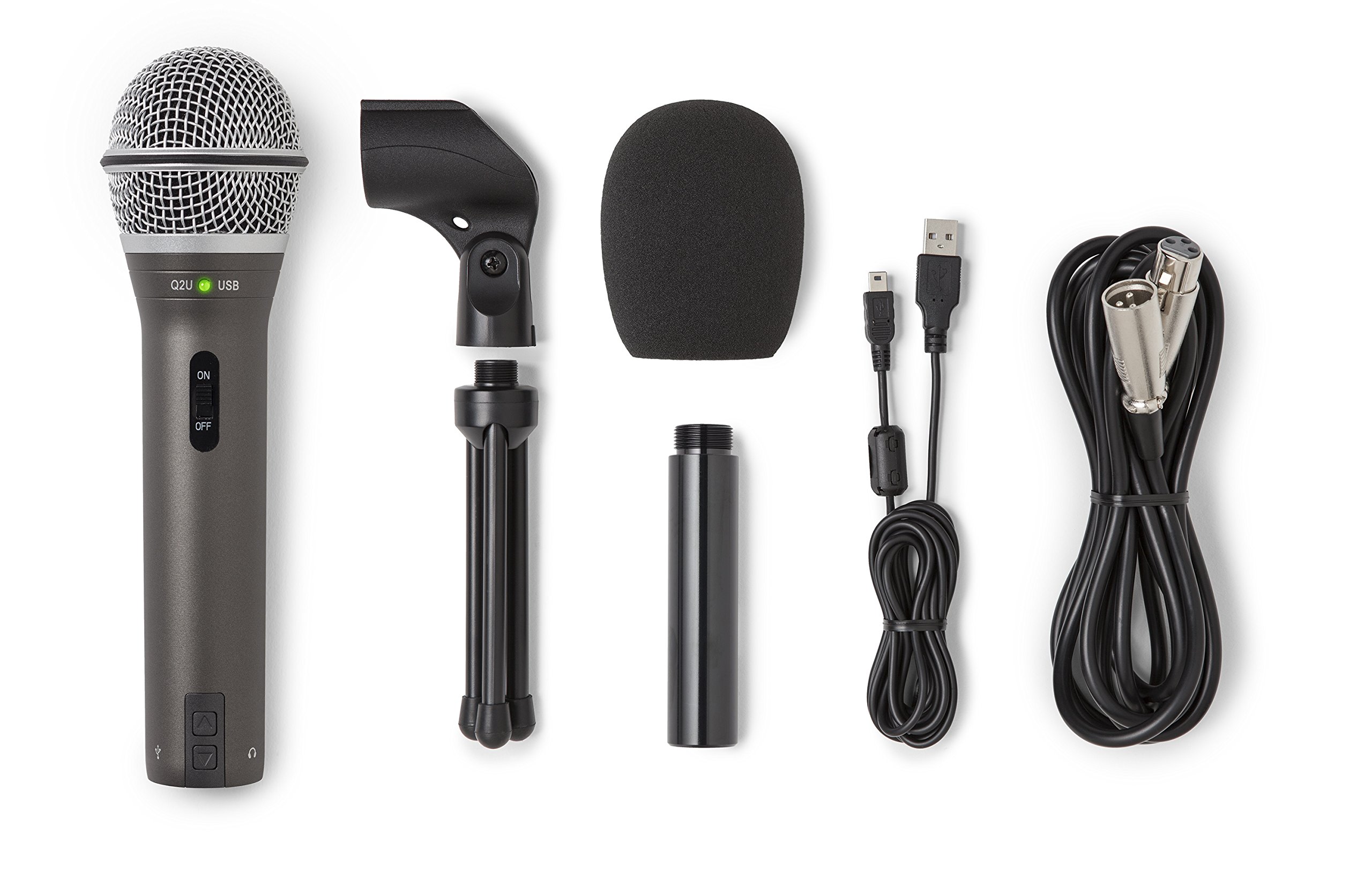
The Samson Q2U is the classic budget podcast mic. It combines a dynamic capsule with both USB and XLR connections, which is almost unheard of at this price. The kit includes a desk stand, a mic clip, a pop filter, and the necessary cables, making it ready to record right out of the box. As a dynamic cardioid mic, it does a good job rejecting room tone and background noise, and the built-in headphone jack lets you monitor your voice without delay. The sound is clear and clean, though not as rich as professional broadcast mics, but that's expected at under $70. The Q2U is often recommended as the first microphone for new podcasters. It's simple to operate, sturdy enough for regular use, and gives you the freedom to upgrade to XLR later without buying a new mic. For a two-person podcast on a tight budget, two Q2Us are hard to beat.

Pros

  • Extremely affordable
  • Both USB and XLR outputs
  • Includes desk stand, pop filter, cables
  • Cardioid dynamic rejection
  • Zero-latency headphone monitoring
  • Simple plug-and-play operation

Cons

  • Build quality feels less premium
  • Sound lacks the low-end warmth of higher-end dynamics
  • Mini-USB port (not USB-C) can be fragile
  • No dedicated mute button
  • Requires two separate USB ports for two mics

Best For:

First-time podcasters on a tight budget who want a usable, flexible starter mic.

Not Recommended For:

Professionals who need broadcast-grade sound and durable metal construction.

Key Features:

Dual USB/XLR outputDynamic cardioid capsuleBuilt-in headphone outputOn/off switchIncluded stand, pop filter, and cablesWorks with Windows, Mac, and iOS (with adapter)

Standout Feature:

The best price-to-features ratio in podcasting.

VS Others:

The Q2U and the Audio-Technica ATR2100x are similar, but the Q2U is typically cheaper and includes a desk stand in the box. It doesn't sound as controlled as the Rode PodMic, but for $20 less it gives you USB and XLR. If your entire budget is $150, two Q2Us are very hard to beat.

Why This One:

If you're just starting out and want to invest the minimum amount of money, the Q2U lets you create a complete two-mic setup for around $150 including accessories. It's a risk-free entry into podcasting.

#4

Audio-Technica ATR2100x-USB

Audio-Technica ATR2100x-USB
Overall
8.7/10
Value
8.8/10
Performance
8/10
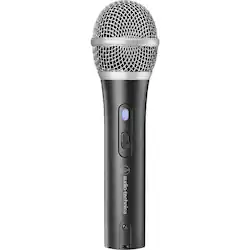
The Audio-Technica ATR2100x-USB is an upgraded version of the ever-popular ATR2100. It uses a cardioid dynamic capsule to reject off-axis sound and features both USB-C and XLR outputs, giving you the flexibility to connect to a computer or an interface. The built-in headphone jack provides no-latency monitoring. Audio-Technica is known for reliable, clean-sounding mics, and the ATR2100x-USB continues that tradition. It's slightly more expensive than the Q2U but offers a more modern USB-C port and a tighter, less boxy frequency response. It also includes a mount, a clamp, and cables. For two-person shows where each host records on their own device, the ATR2100x is a great option. It sounds consistent, handles voices well, and is simple to use in almost any environment. The all-metal body is durable, though the road case is a plastic clip that can feel a bit light.

Pros

  • USB-C and XLR outputs
  • Cardioid dynamic design for background noise rejection
  • Built-in headphone jack
  • Includes isolation clamp and cables
  • Smooth, controlled frequency response
  • Good fit for remote co-host recordings

Cons

  • No mute button
  • Need to buy a desk stand separately if you don't like the included clamp
  • Less low-frequency presence than the Rode PodMic
  • Not as cheap as the Samson Q2U

Best For:

Remote co-hosts who want a modern USB-C dynamic mic that can also connect to XLR.

Not Recommended For:

Budget buyers who want an all-in-one kit with a stand included.

Key Features:

USB-C and XLR outputsCardioid dynamic capsuleNo-latency headphone monitoringIncluded isolation clamp and cablesHeavy-duty metal constructionCompatible with Windows, Mac, and mobile devices

Standout Feature:

Modern USB-C connectivity in a budget dynamic mic.

VS Others:

The ATR2100x-USB is often compared to the Samson Q2U. The ATR has a USB-C port and slightly tighter sound, while Q2U is cheaper and includes a desk stand. It's also less portable than the Rode PodMic. If remote recording on laptops is your primary goal, the ATR's USB-C is a real plus.

Why This One:

If you want a budget dynamic mic with a modern USB-C connection and the flexibility to move to XLR, the ATR2100x-USB is a polished choice. It's especially suitable for co-hosts recording from different locations.

#5

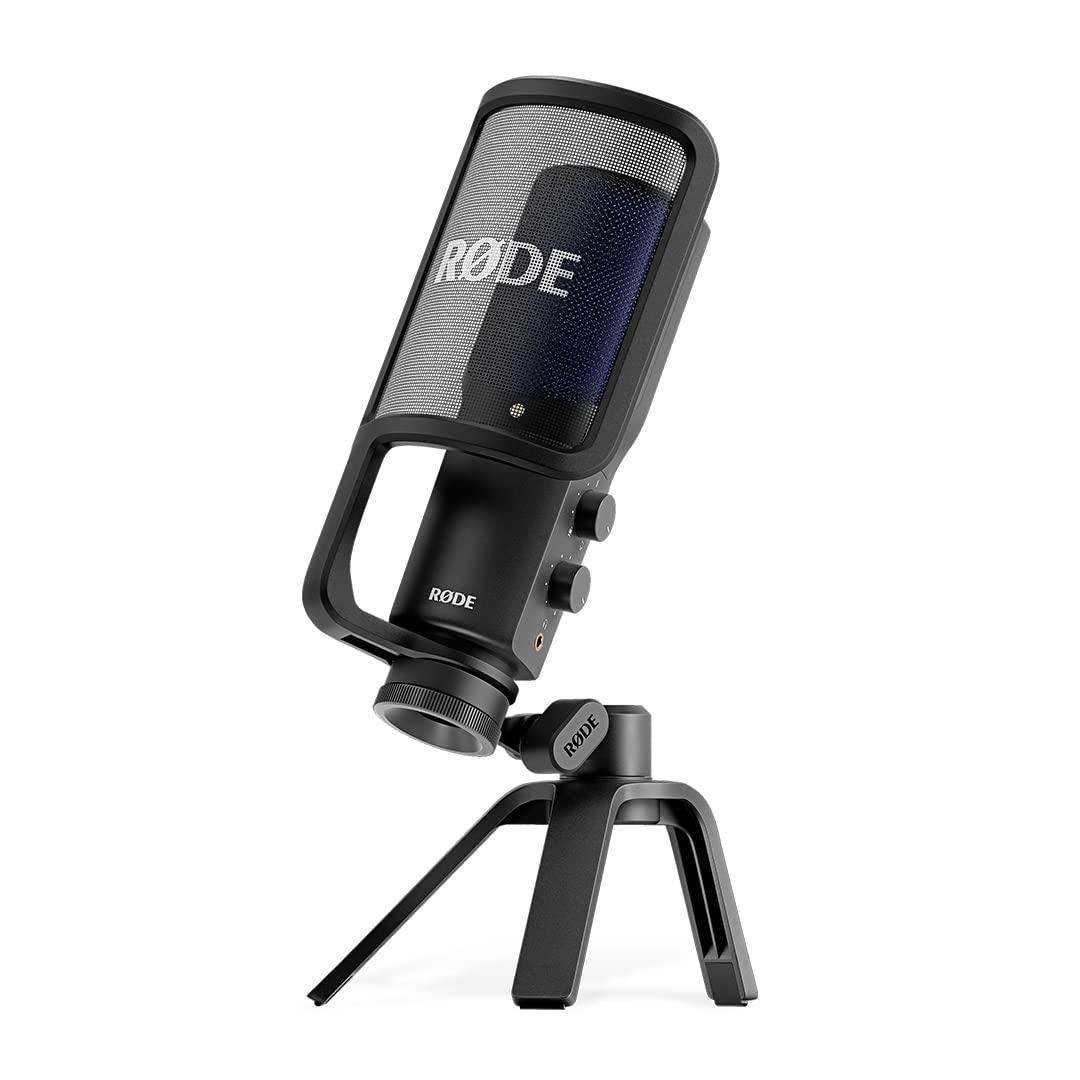
Rode NT-USB+

Rode NT-USB+
Overall
8.8/10
Value
8/10
Performance
9/10
The Rode NT-USB+ is a studio-grade USB condenser microphone that puts professional sound quality into a simple plug-and-play package. It features a large 24mm diaphragm electret condenser, a tight cardioid pickup, and a built-in pop filter. It also has a built-in DSP, including a noise gate, compressor, and high-pass filter, plus a headphone output with zero-latency monitoring. Unlike the other mics in this guide, the NT-USB+ is a condenser, so it captures more detail and air in your voice. That makes it great for a quiet, treated room. It also includes Rode's proprietary DSP for noise gate, compressor, and high-pass filter, which can be adjusted via the Rode Connect app or built-in controls. For a two-person video podcast where both hosts sit at a desk and the room is acoustically treated, the NT-USB+ delivers crisp, articulate sound that feels more 'studio' than dynamic mics. However, if your room has echo or background hum, it will pick that up too. It's a deliberate choice for creators who prioritize audio clarity over background rejection.

Pros

  • Excellent studio-grade sound quality
  • Built-in DSP: noise gate, compressor, high-pass filter
  • Zero-latency headphone monitoring
  • Studio-quality pop filter included
  • Rugged all-metal construction
  • Magnetic stand with convenient cable management

Cons

  • Condenser picks up room noise and reverb
  • No XLR output, so no direct interface compatibility
  • Higher price for a USB-only mic
  • Larger footprint on the desk

Best For:

Duos recording in a well-treated quiet room who want USB simplicity and studio-grade detail.

Not Recommended For:

Podcasters in untreated rooms or with lots of background noise.

Key Features:

USB-C outputCardioid electret condenserBuilt-in DSP: high-pass filter, compressor, noise gateHeadphone output with zero latencyStudio-grade pop filter and magnetic standCompatible with Mac/Windows; works with iOS via adapter

Standout Feature:

Integrated DSP lets you shape your sound without extra software.

VS Others:

The NT-USB+ is the best-sounding USB microphone in this lineup if your room is quiet. Compared to the Shure MV7, it offers more detail but lacks dynamic background rejection and XLR connectability. Choose it only if you're sure your recording environment is controlled.

Why This One:

For podcasters who record in a treated space and want a premium USB-only solution, the NT-USB+ delivers top-tier audio quality with one cable. Its DSP and included pop filter make it an all-in-one upgrade.

#6

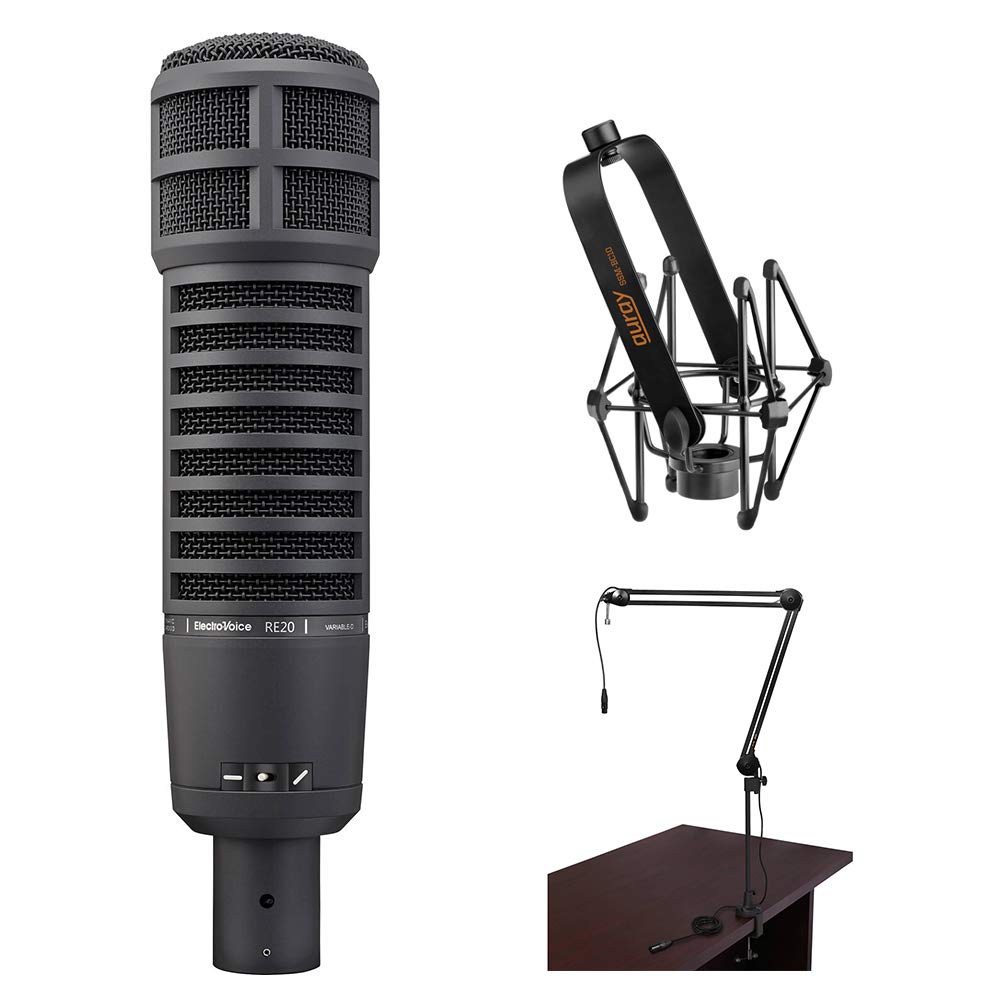
Electro-Voice RE20

Best Premium
Electro-Voice RE20
Overall
9/10
Value
6/10
Performance
9.8/10
The Electro-Voice RE20 is a legendary broadcast dynamic microphone that has been used in radio stations, professional podcast studios, and voice-over booths for decades. Its famous Variable-D design reduces the proximity effect, so you get consistent bass response even if the talent moves off-axis. This makes it easier to record two people around one mic? Actually it's usually one per person. The RE20 has a large diaphragm and a built-in internal pop filter, so it handles plosives well without an external filter. On paper, the RE20 has a smooth, controlled frequency response that sounds natural and open. It rejects background noise effectively and has a robust all-metal body that looks professional on camera. It requires an XLR interface with a clean preamp, and it may need a Cloudlifter or gain booster depending on your interface's gain. For podcasters aiming for the definitive radio sound, the RE20 is often considered the gold standard. It's expensive and bulky, but its reputation is justified by the quality and reliability. It's outside the $100-$300 budget for most, but we include it as the premium reference.

Pros

  • Iconic broadcast sound used by professionals
  • Variable-D design minimizes proximity effect
  • Excellent off-axis rejection
  • Built-in pop filter
  • Very rugged and durable
  • Smooth mid-range and presence

Cons

  • High price (often over $400)
  • Bulky and heavy
  • Requires high-gain preamp or Cloudlifter
  • Overkill for most podcast setups

Best For:

Professional podcasters who want a broadcast-standard microphone and have the budget for top-tier audio gear.

Not Recommended For:

Budget-conscious duos, USB-only setups, or small home studios without an interface.

Key Features:

Dynamic cardioid capsuleVariable-D designInternal pop filterBroadcast-grade frequency responseAll-metal constructionIncludes stand clamp

Standout Feature:

The Variable-D design delivers consistent sound regardless of mic distance.

VS Others:

The RE20 is the most expensive mic here, costing nearly double the Shure MV7. It has a warmer, more refined broadcast tone than the Rode PodMic, but the PodMic delivers 85% of that sound for a fraction of the cost. Purchase the RE20 only if you're serious about pro-grade audio and have the complete signal chain.

Why This One:

If you're building a professional podcast studio and want 'the radio mic,' the RE20 is an investment you'll never regret. Its clear, natural reproduction is unmatched for voice.

#7

Shure SM7B

Shure SM7B - Image 1 of 10
Overall
9/10
Value
5.5/10
Performance
9.8/10
The Shure SM7B is probably the most famous podcast microphone of all time, used on countless YouTube shows and professional recordings. It's a dynamic cardioid mic with a warm, rich sound and excellent rejection of background noise. The built-in air suspension shock system reduces mechanical vibrations, and a pop filter is integrated. You often see the SM7B on boom arms in video podcast studios, partly because of its recognisable look and partly because it sounds fantastic on voice. It requires a lot of gain, and because its output is low, most people use a Cloudlifter or a high-gain interface. It only connects via XLR. The SM7B sits outside the $100-$300 budget and is often compared to the Electro-Voice RE20. It's a legendary mic, but it's not always the first choice for a two-person setup due to price and the necessary extra gear.

Pros

  • Very warm, clear, professional vocal sound
  • Exceptional background noise rejection
  • Built-in pop filter and air suspension shock isolation
  • Iconic podcast studio appearance
  • Durable construction that lasts for years

Cons

  • Price is around $399 (or higher with gain booster)
  • Needs a high-gain preamp or Cloudlifter
  • Heavy and requires a sturdy boom arm
  • No USB option, only XLR

Best For:

Serious podcasters who want the same mic as their favorite YouTube creators and are willing to invest in additional gain and a quality interface.

Not Recommended For:

Budget buyers, USB-only users, or those new to podcasting who haven't built a studio setup yet.

Key Features:

Dynamic cardioid capsuleWarm frequency responseBuilt-in air suspension shock isolationBass roll-off and mid-range presence controlsMetal grille with integrated pop filterXLR output only

Standout Feature:

The industry-standard dynamic mic for voice, with that unmistakable broadcast warmth.

VS Others:

The SM7B and RE20 are both premium broadcast dynamics. The SM7B has a slightly darker, more 'radio' sound, while the RE20 is more neutral. Both need external gain. Compared to the MV7, the SM7B offers a richer analog tone but no USB connectivity. Unless you specifically want the SM7B look, the MV7 is more practical for most podcasters.

Why This One:

You should consider the SM7B if you want a tried-and-true microphone used by top podcasters and are prepared to build a professional XLR chain around it. Its sound is unmatched if you have the right preamp and room treatment.

Who Should Get What?

First-Time Podcast Duo on a Tight Budget

Two college students want to start a podcast about student life. They have a shared laptop, no audio gear, and want to spend less than $150 total on mics and accessories.

Budget:Under $150
Use:Recording a two-person conversation for a student podcast

Recommended:

Samson Q2U USB/XLR Dynamic Microphone

It's the most affordable dual USB/XLR dynamic mic with decent sound. Include it with a basic desk stand and pop filter, it's ready to plug into a laptop. Two Q2Us can be connected to a computer using a Mackie/Behringer interface later if needed. For the price, it's a no-brainer for beginners.

View on Amazon →

Podcasters Who Already Own an Audio Interface

A duo has been recording with a Focusrite Scarlett 2i2 interface but is unhappy with their cheap mics. They want better vocal clarity for under $200 total for two mics.

Budget:Under $200
Use:XLR mics for a two-person podcast using an existing interface

Recommended:

Rode PodMic

The PodMic offers broadcast-quality dynamic sound for just $99 each. It has solid background rejection and a built-in pop filter, perfect for two hosts sharing a room. Pair with your existing interface and you're good to go.

View on Amazon →

Tech-Savvy Co-hosts Who Want Future-Proof USB Mics

Two bloggers want a high-quality USB mic that can also work via XLR if they ever upgrade to a professional mixer. They're comfortable with software and need premium sound.

Budget:$200-$300
Use:Two-person podcast with USB convenience now and XLR future

Recommended:

Shure MV7

The MV7 gives you a professional broadcast sound with a hybrid USB/XLR output. The built-in headphone port and Auto Level Mode simplify recording. Two MV7s can be used via USB with a Mac app like Loopback; if you upgrade to an audio interface, it's still a top-tier XLR mic.

View on Amazon →

Professional-Sounding Podcast with Broadcast Standards

A serious podcasting duo wants the best possible sound quality and is willing to invest in a premium dynamic mic with an interface and a treated room.

Budget:$400-$600
Use:Professional broadcast-style podcast recording

Recommended:

Electro-Voice RE20

The RE20 is a legendary radio microphone with variable-D technology reducing proximity effect and rumble. It delivers the warm, articulate broadcast sound you hear on top podcasts. It's pricey, but if you're aiming for a professional product, it's arguably the best dynamic mic around.

View on Amazon →

Remote Co-hosts Recording Separately

Two hosts are in different cities. Each records their own voice separately (maybe remotely) and then edits together. They want a user-friendly USB mic that sounds great and captures clear voice from a home office.

Budget:$100-$200
Use:Solo recording for remote podcast collaboration

Recommended:

Audio-Technica ATR2100x-USB

The ATR2100x-USB is a dynamic USB-C/XLR mic that works well in untreated rooms. It's compact, includes a headphone jack for monitoring, and is easy to set up on any laptop. Each host can use one at their own home and combine tracks later.

View on Amazon →

Creators Who Want a Compact, Studio-Grade USB Mic

A pair of video podcasters who record at a desk in a well-treated room want crisp, detailed audio without buying an interface. They prefer USB and want a professional-looking mic.

Budget:$150-$250
Use:Two-person video podcast in a quiet room

Recommended:

Rode NT-USB+

The NT-USB+ delivers studio-quality condenser sound with a built-in DSP, headphone output, and a useful pop filter. It's a premium USB option that's easy to use. Just note that condensers are more sensitive to room noise, so it's best in a treated space.

View on Amazon →

Buying Guide: How to Choose

Before choosing a mic for a two-person podcast, map out your existing equipment. If you already own an audio interface with two XLR inputs, dynamic XLR mics like the Rode PodMic or Shure MV7 in XLR mode are excellent value. If you don't have an interface, a USB mic is plug-and-play, but two USB mics on the same computer can be complicated. Decide between dynamic and condenser. For a typical home podcast with two people in one room, dynamic mics with cardioid polar patterns are the safer choice. They reject room echo, keyboard clicks, and your co-host’s voice when you're not speaking. Condensers like the Rode NT-USB+ offer more detail but only in acoustically treated spaces. Set a budget that includes all gear. A pair of $70 Samson Q2Us plus two desk stands gets you going for about $150. If you choose XLR mics, budget $100-$200 for a two-channel interface and cables. Premium options like the RE20 or SM7B push your total cost above $600, which may be hard to justify for a hobby show. Read buyer reviews, listen to sample recordings, and think about your long-term goals. If you might upgrade to a mixer later, a hybrid USB/XLR mic like the Shure MV7 protects your investment. The most important thing is to choose a mic that fits your room, your technical comfort level, and your podcast's audio needs—not just the most expensive one.

Bottom Line

After reviewing the current market, the Shure MV7 is our top recommendation for most two-person podcasting duos. It balances exceptional sound, USB convenience, and future-proof XLR connectivity, all in one well-made mic. If you're on a budget and already have an interface, the Rode PodMic is the best value in podcasting—you can get a broadcast-quality pair for under $200. And if you need to spend less than $100 total, two Samson Q2Us will get you recording with surprisingly good results. In the end, the right mic for your two-person podcast depends on your setup and environment. Dynamic mics are safer for untreated rooms, USB is simpler, and XLR gives you a clear upgrade path. Take a moment to think about whether you're planning a hobby or a long-term professional show, then choose accordingly. Any of the mics above will outperform a laptop's built-in mic and help you sound clear and professional. Buy the one that makes you excited to start recording. There's no perfect microphone—only the best one for your specific show.

Frequently Asked Questions

Which Podcast Microphone is best for a two-person podcast?
The Shure MV7 is the best overall choice for a two-person podcast because it offers USB plug-and-play convenience, excellent sound, and XLR compatibility for future upgrades. If you're on a budget and already have an audio interface, the Rode PodMic is the best value.
Should I get two USB microphones or two XLR microphones?
For a two-person podcast, XLR mics through an interface are the most practical way to record two people simultaneously without complicated software. However, two USB dynamic mics can work using apps like Loopback (Mac) or ASIO4ALL (Windows), though it's more finicky.
What's the difference between dynamic and condenser mics for podcasting?
Dynamic mics are more resistant to background noise and room reflections, making them the safe choice for untreated rooms. Condenser mics capture more detail and air, but they also pick up more room echo and background noise. For a two-person show in a typical home, dynamic is usually better.
Is the Shure MV7 worth the extra money over the Rode PodMic?
Yes, if you want USB connectivity and a built-in headphone jack. The MV7 is more versatile and has slightly better sound control via the app. But if you already own a two-channel XLR interface, the PodMic delivers comparable sound for a fraction of the price.
Can I use two Shure MV7s at the same time on my computer?
Yes, but it requires software to combine multiple USB audio devices. On Mac, you can create an 'aggregate device' in Audio MIDI Setup. On Windows, it's trickier; you might need ASIO4ALL or VB-Audio Virtual Cable.
Do I need a preamp or Cloudlifter for the RE20 or SM7B?
These dynamic mics have low sensitivity. A high-quality interface's preamp may provide enough gain, but many users add a clean gain booster like the Cloudlifter or FetHead for extra headroom and a quieter noise floor.
What is the best budget USB podcast microphone?
The Samson Q2U is still the best budget USB podcast mic because it includes both USB and XLR, a stand, a pop filter, and cables for under $70. The Audio-Technica ATR2100x-USB is a slightly more premium USB-C alternative if you prefer that.
Should we buy separate pop filters and shock mounts?
Many mics like the Rode PodMic and Q2U already have built-in pop protection. A separate shock mount helps if you're using a boom arm and get desk vibrations. It's an inexpensive addition, but not always required.
What other gear do we need for a two-person podcast?
At minimum: two microphones, two mic stands, XLR cables (if using XLR), and a two-channel audio interface. If using USB mics, just two USB cables and a computer with software that can handle multiple inputs.
Are condenser microphones bad for two-person podcasts?
Not necessarily, but condensers pick up more room acoustics and crosstalk between hosts. If your room is not acoustically treated, you'll hear echoes and keyboard clicks. Dynamic mics are easier to use in imperfect rooms.

Need More Help Deciding?

Explore more buying guides to find the perfect product for your needs.

View All Buying Guides

Related Articles