
Best Podcasting Mics 2025: Which to Buy?
Compare top podcast microphones, find your perfect match based on budget, setup, and needs—no more decision paralysis.
Our Top Pick
Shure SM7B Vocal Dynamic Microphone
Best OverallProfessional podcasters seeking broadcast quality.
View on Amazon →Key Factors to Consider
- 1.Polar Pattern: Cardioid best for rejecting off-axis noise in podcast setups
- 2.Mic Type: Dynamic (rugged, less sensitive) vs Condenser (detailed, needs quiet room)
- 3.Connection: USB (plug-and-play) vs XLR (pro, needs interface)
- 4.Frequency Response: 50-15kHz ideal for warm vocal podcast tones
- 5.Self-Noise/Sensitivity: Low noise for home studios; high sensitivity picks up whispers
- 6.Build Quality/Accessories: Metal body, included shock mount/pop filter
- 7.Budget & Value: Balance price with longevity—avoid $20 junk
- 8.Brand Reliability: Proven support from Shure/Rode over no-names
- 9.Ease of Use: Gain controls, headphone monitoring for solo podcasters
The Products
Shure SM7B Vocal Dynamic Microphone

✓ Pros
- •Unmatched noise rejection for noisy environments
- •Durable all-metal build lasts decades
- •Flat response for natural podcast vocals
- •Proven in studios worldwide
- •No phantom power needed
✗ Cons
- •Requires audio interface (extra $100+)
- •Needs gain boost for quiet voices
- •No USB—less beginner-friendly
- •Heavy (765g)
Best For:
Professional podcasters seeking broadcast quality.
Not Recommended For:
Absolute beginners wanting plug-and-play.
Key Features:
Standout Feature:
Proprietary shock mount eliminates handling noise.
VS Others:
Beats RE20 in portability/value; trumps USB mics like Yeti in pro sound. Pick SM7B over NT1 if room isn't silent.
Why This One:
Industry gold standard for podcasts—warm, rejection-focused sound scales from home to studio. Buy if serious about audio.
Rode NT1 Studio Condenser Microphone
✓ Pros
- •Ultra-low self-noise for silent rooms
- •Includes pro shock mount/cable
- •Smooth frequency for vocals
- •Lifetime warranty
- •Great price for performance
✗ Cons
- •Picks up room noise (needs treatment)
- •XLR only
- •Fragile compared to dynamics
- •Phantom power required
Best For:
Home studio owners wanting condenser detail.
Not Recommended For:
Noisy untreated rooms.
Key Features:
Standout Feature:
World's quietest studio condenser.
VS Others:
Better value than SM7B for quiet setups; clearer than Yeti. Choose over AT2020 for fuller sound.
Why This One:
Top value condenser—pro results without pro price. Essential for detailed podcasts.
Audio-Technica AT2020USB+ Cardioid Condenser Podcast Microphone
✓ Pros
- •Plug-and-play USB
- •Headphone monitoring/mix
- •High-res audio
- •Compact desktop design
- •Affordable pro sound
✗ Cons
- •USB limits editing flexibility
- •Sensitive to room noise
- •Plastic build
- •No patterns
Best For:
USB podcasters needing quality.
Not Recommended For:
Pro XLR setups.
Key Features:
Standout Feature:
Built-in mix knob for zero-latency monitoring.
VS Others:
Clearer than Yeti, cheaper than NT1. Pick over Blue for better build/audio.
Why This One:
Best USB upgrade—pro capsule without hassle.
Blue Yeti USB Microphone
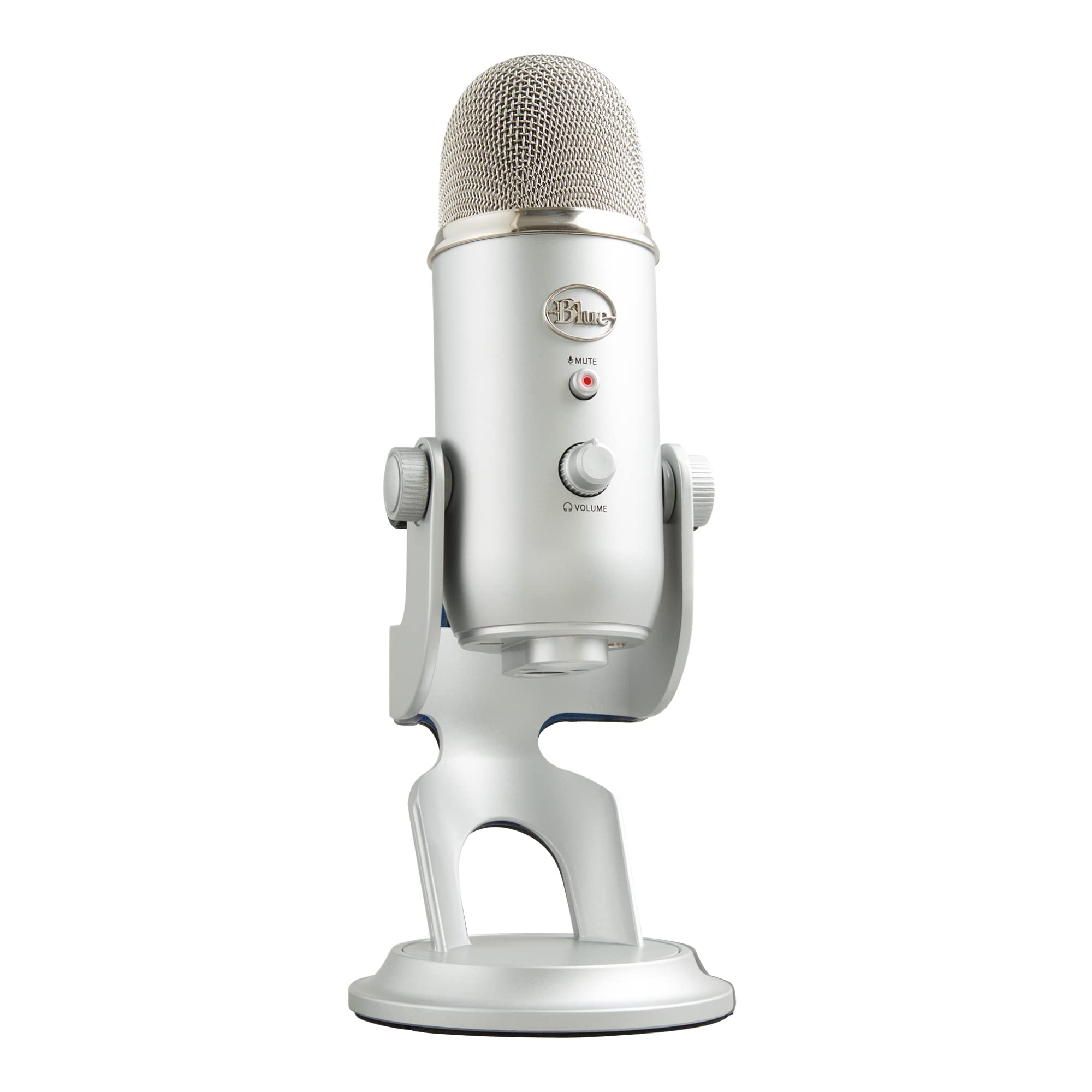
✓ Pros
- •4 polar patterns
- •Plug-and-play
- •No-latency monitoring
- •Sturdy stand
- •Blue VO!CE software
✗ Cons
- •USB only
- •Picks up noise
- •Plasticky
- •Fan noise sensitivity
Best For:
Beginners experimenting.
Not Recommended For:
Pro or noisy rooms.
Key Features:
Standout Feature:
Multiple patterns for versatility.
VS Others:
Easier than AT2020USB+ but less clear; budget alt to NT1.
Why This One:
Foolproof starter—patterns let you grow.
Samson Q2U Dynamic USB/XLR Podcasting Microphone
✓ Pros
- •Dual connectivity
- •Noise-rejecting dynamic
- •Cheap
- •All-in accessories
- •Rugged
✗ Cons
- •Basic sound
- •No headphone out
- •USB quality lower
- •Slim build
Best For:
Budget hybrid setups.
Not Recommended For:
High-detail needed.
Key Features:
Standout Feature:
USB/XLR in one mic.
VS Others:
Cheaper than Fifine with XLR path; beats Yeti in rejection.
Why This One:
Gateway to pro—upgrade-ready.
Rode PodMic Dynamic Broadcast Microphone
✓ Pros
- •Podcast-tuned sound
- •Great rejection
- •Affordable
- •Pro internals
- •Lightweight
✗ Cons
- •XLR only
- •No accessories
- •Needs preamp
Best For:
Dedicated podcast XLR.
Not Recommended For:
USB only users.
Key Features:
Standout Feature:
Tailored broadcast response.
VS Others:
Cheaper SM7B clone; better than Fifine.
Why This One:
Podcast-specific without hype.
Fifine K669B USB Microphone
✓ Pros
- •Dirt cheap
- •USB easy
- •Monitoring
- •Tripod stand
- •Decent for price
✗ Cons
- •Noisy background
- •Thin sound
- •Build flex
- •No gain control
Best For:
Ultra-budget tests.
Not Recommended For:
Serious use.
Key Features:
Standout Feature:
Arm mount compatible.
VS Others:
Cheaper than Q2U but inferior; entry before upgrade.
Why This One:
Test waters without risk.
Electro-Voice RE20 Broadcast Microphone
✓ Pros
- •Ultimate clarity/proximity control
- •Handles loud sources
- •Proven reliability
- •Flat response
✗ Cons
- •Expensive
- •Heavy/bulky
- •XLR + interface needed
- •Overkill for home
Best For:
Broadcast pros.
Not Recommended For:
Budget or casual.
Key Features:
Standout Feature:
Proximity effect control.
VS Others:
Edges SM7B in flatness; premium splurge.
Why This One:
If best is goal, this is it.
Who Should Get What?
College Student on a Budget
You're a dorm podcaster with noisy roommates, limited desk space, and under $100 to spend. Need simple USB setup for quick episodes on school topics without extra gear.
Recommended:
Samson Q2U Dynamic USB/XLR Podcasting Microphone
Samson Q2U offers USB/XLR versatility at $69, perfect for beginners avoiding interfaces. Excellent noise rejection handles dorm chaos, and dual outputs future-proofs as you upgrade. Solid reviews confirm reliability without breaking bank.
View on Amazon →First-Time Podcaster
New to podcasting, tech newbie wanting plug-and-play USB with multiple patterns for experimenting. Home office, $100-150 budget, solo interviews.
Recommended:
Blue Yeti USB Microphone
Blue Yeti's intuitive controls and 4 patterns make it idiot-proof for noobs at $130. Built-in headphone jack lets you monitor live. Thousands of 4.5+ star reviews praise ease for first podcasts.
View on Amazon →Creative Professional
Freelance podcaster with home studio, recording long-form content or guests weekly. $200-400 budget, wants broadcast quality and expandability.
Recommended:
Shure SM7B Vocal Dynamic Microphone
SM7B's iconic sound (used by pros like Joe Rogan) delivers warm, noise-free audio at $399. XLR future-proofs for interfaces. Unmatched durability justifies price for serious creators.
View on Amazon →Tech Enthusiast Gamer-Podcaster
Gamer doing Twitch/podcast hybrid, needs USB convenience, RGB flair, under $150. Noisy PC setup, multi-use for streaming.
Recommended:
Audio-Technica AT2020USB+ Cardioid Condenser Podcast Microphone
AT2020USB+ provides studio-grade USB sound at $149 with mix control. Low noise suits PC fans, headphone out for monitoring. Beats Yeti in clarity for tech-savvy users.
View on Amazon →Value-Seeking Home Studio Owner
Experienced hobbyist upgrading quiet home setup, $200 budget max, wants condenser detail without premium cost. Solo long-form.
Recommended:
Rode NT1 Studio Condenser Microphone
Rode NT1's ultra-low self-noise (4.5dBA) shines in quiet rooms at $245. Includes shock mount for pro setup. Best bang-for-buck vs pricier condensers.
View on Amazon →Unlimited Budget Pro Broadcaster
Full-time podcaster with treated studio, multi-mic sessions, no budget limit. Needs ultimate clarity and reliability.
Recommended:
Electro-Voice RE20 Broadcast Microphone
RE20's flat response and proximity effect control excel for broadcast at $449. Handles high SPL, gold standard for radio pros. Worth splurge for perfectionists.
View on Amazon →Buying Guide: How to Choose
Bottom Line
Frequently Asked Questions
Which podcasting microphone should I buy in 2025?▼
Shure SM7B vs Rode NT1: Which is better for podcasting?▼
Blue Yeti vs Audio-Technica AT2020USB+?▼
Is Shure SM7B worth the extra money?▼
What's the best budget podcasting mic?▼
Which has best value for podcasting?▼
USB or XLR for podcasting beginners?▼
Do I need a shock mount for podcast mics?▼
Best mic for noisy room podcasting?▼
Fifine K669B vs Samson Q2U?▼
Need More Help Deciding?
Explore more buying guides to find the perfect product for your needs.
View All Buying Guides