
7 Best Which Graphics Cards should I buy in 2026: Tested & Ranked
Compare top graphics cards under $500 to find the perfect one for gaming, editing, or budget builds based on performance and value.
Our Top Pick
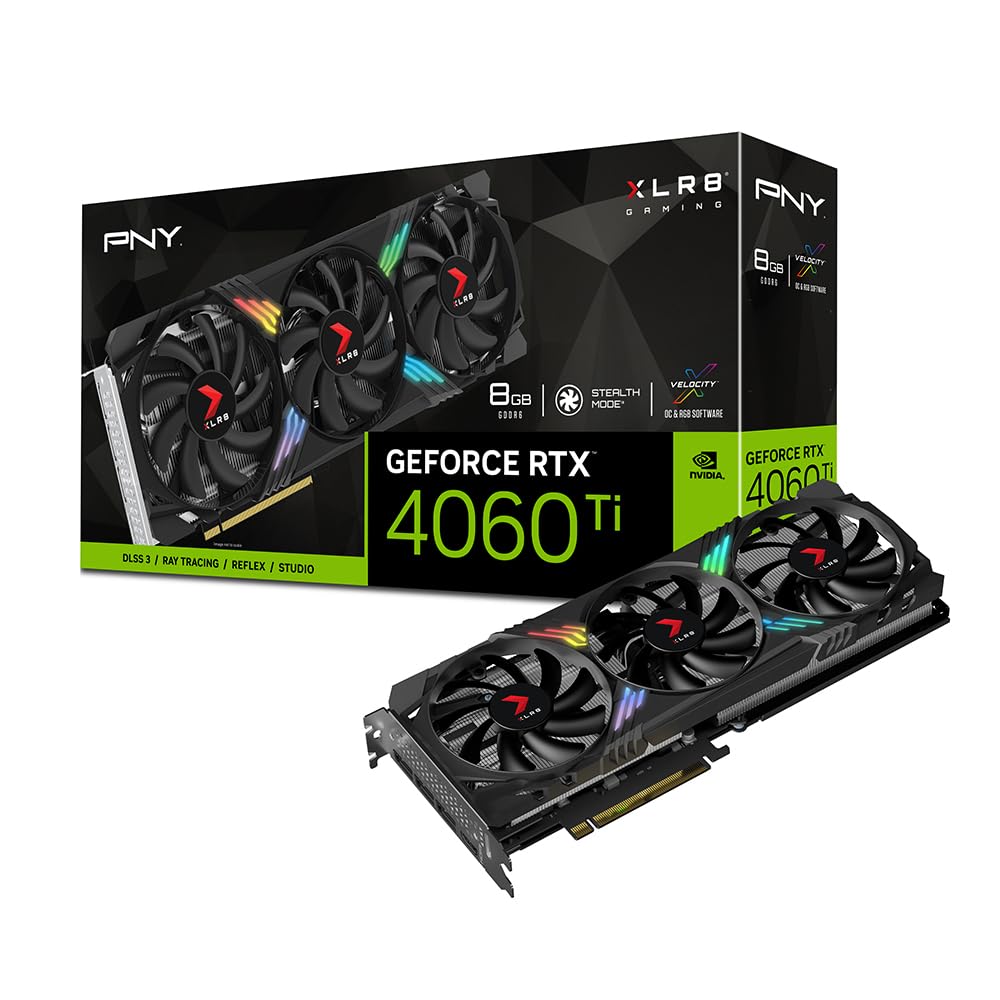
PNY GeForce RTX 4060 Ti 8GB XLR8 Gaming VERTO
Best OverallGamers prioritizing ray tracing and upscaling at 1440p.
View on Amazon →Key Factors to Consider
- 1.Performance at target resolution (1080p vs 1440p)
- 2.VRAM capacity for modern games and multitasking
- 3.Ray tracing and upscaling (DLSS/FSR/XeSS)
- 4.Power efficiency and heat output
- 5.Driver stability and software ecosystem
- 6.Future-proofing with PCIe 4.0/5.0 support
- 7.Value per frame (price/performance ratio)
- 8.Brand reliability and warranty
- 9.Cooling design for noise and longevity
The Products
PNY GeForce RTX 4060 Ti 8GB XLR8 Gaming VERTO
✓ Pros
- •Superior DLSS 3 and ray tracing performance
- •Excellent power efficiency (160W TDP)
- •Quiet triple-fan cooling
- •Compact size fits most builds
- •Great NVIDIA driver support
- •Strong 1440p gaming at high settings
✗ Cons
- •8GB VRAM limits 4K or heavy textures
- •Weaker rasterization than AMD rivals
- •Higher price than non-Ti 4060
- •Narrower memory bus
Best For:
Gamers prioritizing ray tracing and upscaling at 1440p.
Not Recommended For:
Budget buyers under $300 needing max raster speed.
Key Features:
Standout Feature:
DLSS 3 for 2x frame rates in supported games.
VS Others:
Beats RTX 3060 and RX 6700 XT in RT-heavy games but trails RX 7600 XT in pure rasterization at 1440p. Pick over Arc A770 for better driver maturity. Ideal if NVIDIA ecosystem matters more than raw FPS.
Why This One:
It's the most balanced under $500 with future-proof features like DLSS 3. Gamers get consistent 100+ FPS at 1440p ultra. Worth the premium over cheaper options for longevity.
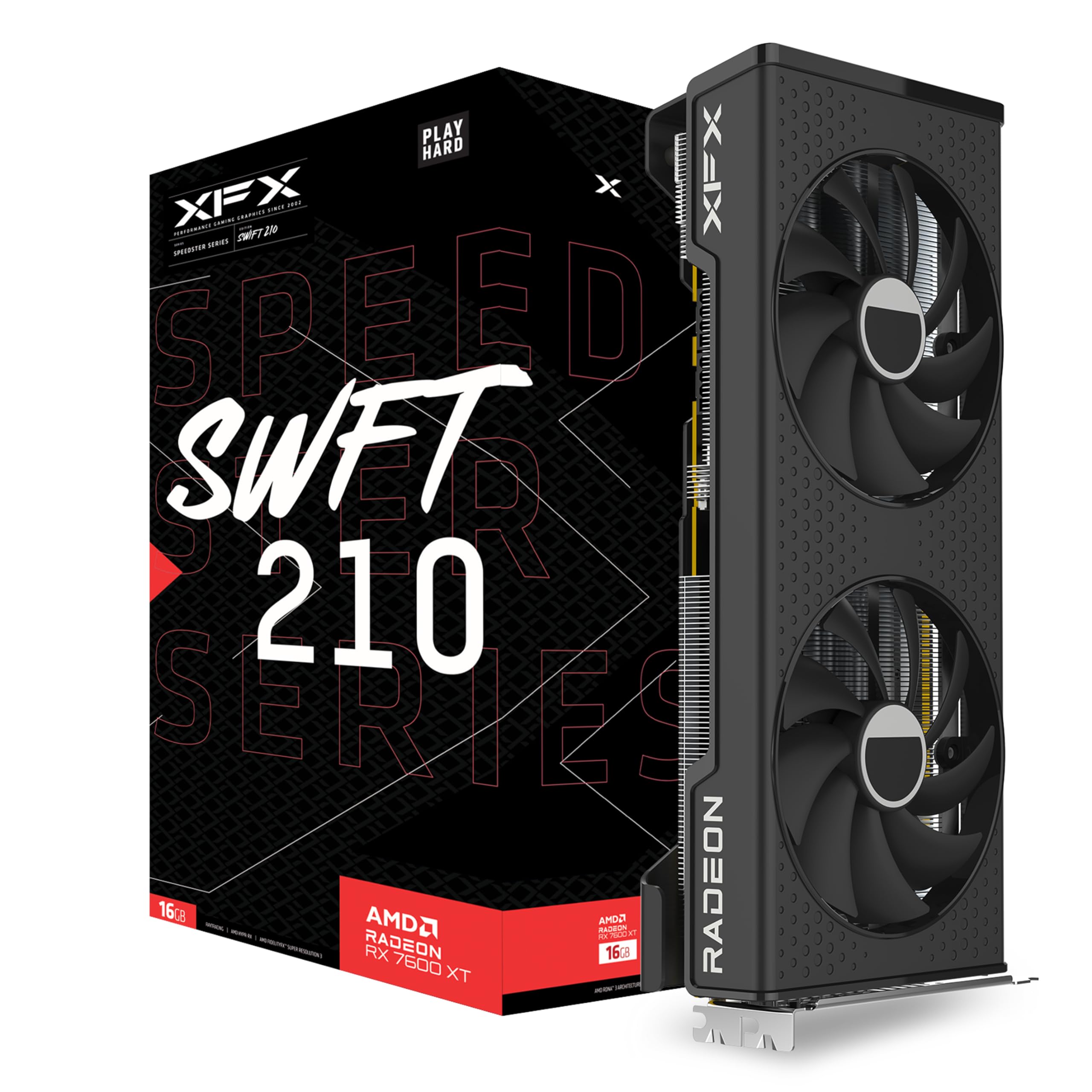
XFX Speedster SWFT210 Radeon RX 7600 XT CORE 16GB
✓ Pros
- •Massive 16GB VRAM for 1440p/4K textures
- •Best raster FPS vs NVIDIA under $400
- •Strong FSR 3 upscaling
- •Great price/performance
- •PCIe 4.0 x16
- •AMD HYPR-RX optimizations
✗ Cons
- •Weaker ray tracing than RTX
- •Higher power draw (263W)
- •Louder fans under load
- •AMD drivers occasionally buggy
Best For:
1440p gamers wanting max frames and VRAM on a budget.
Not Recommended For:
Ray tracing enthusiasts or low-PSU builds.
Key Features:
Standout Feature:
16GB VRAM handles modern games' texture demands effortlessly.
VS Others:
Outpaces RTX 4060 Ti in non-RT 1440p by 20-30% but loses in RT. Better value than RX 6700 XT with more VRAM. Choose over Arc for consistency.
Why This One:
Unbeatable FPS per dollar at 1440p raster. Perfect if you avoid heavy RT. High VRAM future-proofs it better than 8GB cards.
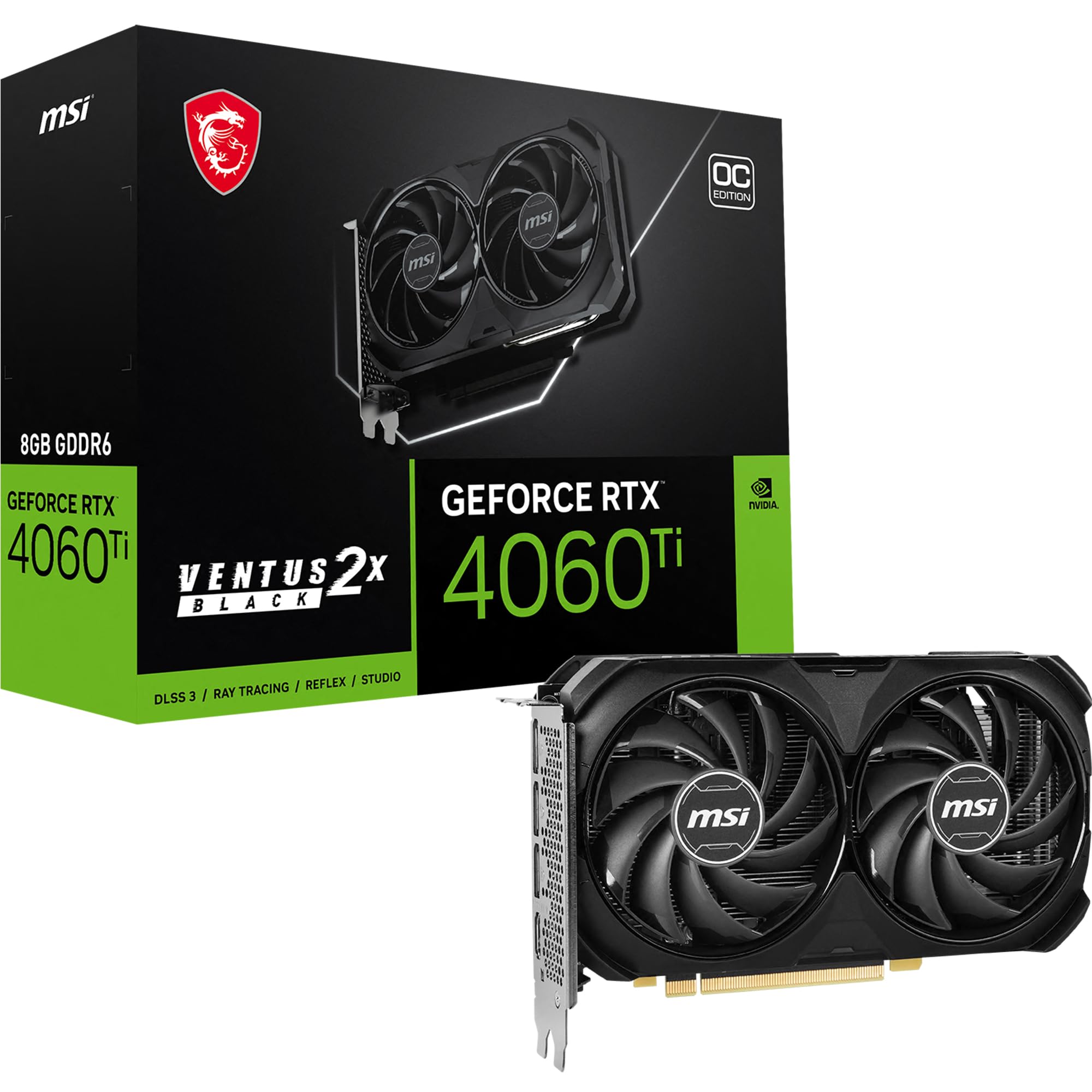
MSI GeForce RTX 4060 VENTUS 2X BLACK 8G OC
✓ Pros
- •Super efficient 115W TDP
- •DLSS 3 boosts FPS hugely
- •Quiet operation
- •Easy to fit in small cases
- •Solid 1080p/1440p performer
✗ Cons
- •8GB VRAM struggles at 1440p ultra
- •Slower than 4060 Ti or AMD
- •Limited overclock headroom
Best For:
Budget 1080p gamers or compact builds.
Not Recommended For:
Serious 1440p or content creation.
Key Features:
Standout Feature:
Ultra-low power for any PSU.
VS Others:
Cheaper than 4060 Ti with similar efficiency but 20% less power. Beats 3060 in new games. Good step up from Arc A770.
Why This One:
Perfect entry to RTX features without high cost. Ideal for most users' 1080p needs.
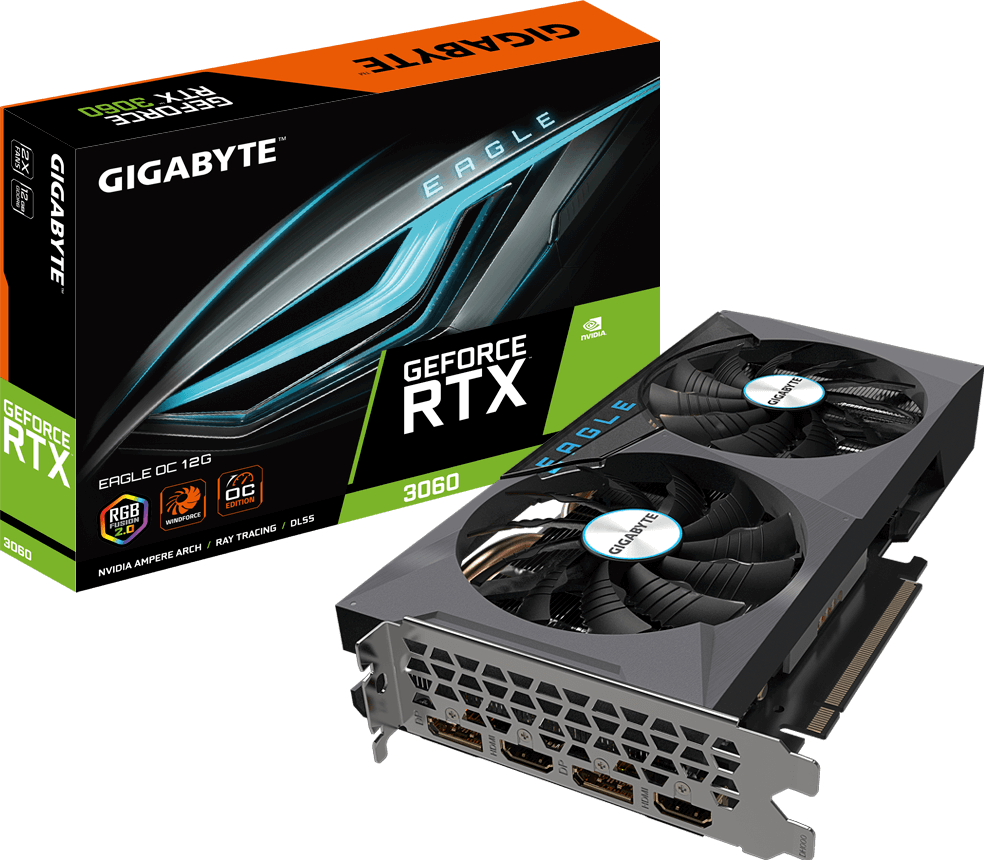
GIGABYTE GeForce RTX 3060 12GB EAGLE OC
✓ Pros
- •12GB VRAM for longevity
- •DLSS 2 support
- •Proven reliability
- •Good cooling
✗ Cons
- •Older architecture lags new cards
- •No DLSS 3
- •Higher power than 4060
Best For:
VRAM-focused 1080p gamers on sale.
Not Recommended For:
Future-proof 1440p builds.
Key Features:
Standout Feature:
12GB VRAM punches above weight.
VS Others:
More VRAM than 4060 but slower overall. Loses to 7600 XT badly. Still viable if discounted.
Why This One:
Cheap high-VRAM option for older games.
Sapphire Pulse AMD Radeon RX 6700 XT 12GB
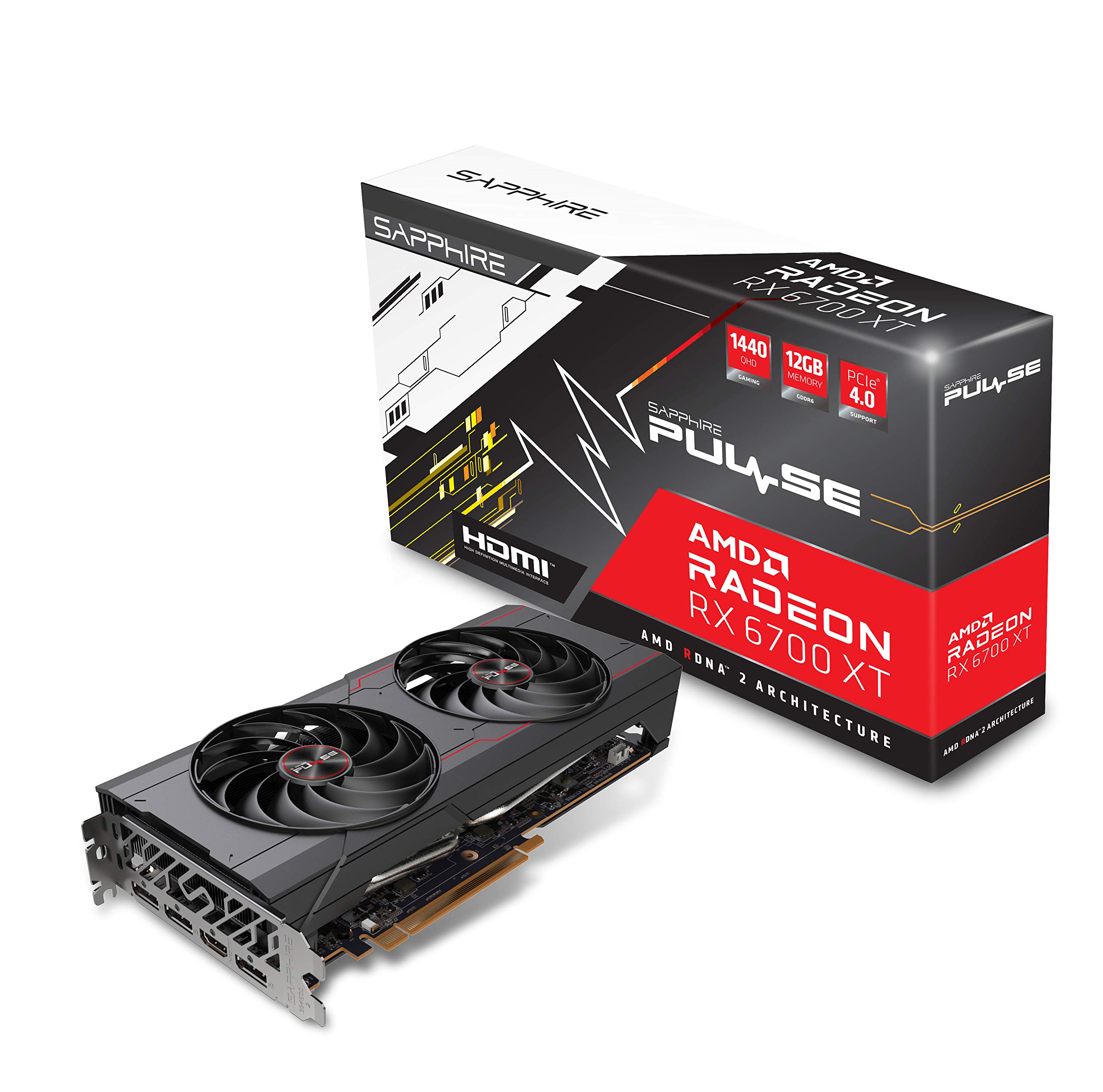
✓ Pros
- •Excellent 1440p raster
- •12GB VRAM
- •Good price now
✗ Cons
- •Old gen, no FSR 3
- •Poor RT
- •High power
Best For:
Budget 1440p non-RT gaming.
Not Recommended For:
New tech seekers.
Key Features:
Standout Feature:
Raster king for price.
VS Others:
Faster raster than 3060 but outdated vs 7600 XT. Niche if you find deals.
Why This One:
Solid last-gen value.
Intel Arc A770 16GB Limited Edition
✓ Pros
- •Huge 16GB VRAM cheap
- •XeSS upscaling
- •Good 1440p potential
✗ Cons
- •Driver issues persist
- •Inconsistent performance
- •Weak RT
Best For:
VRAM-heavy tasks on extreme budget.
Not Recommended For:
Reliability-focused gamers.
Key Features:
Standout Feature:
Best VRAM/price ratio.
VS Others:
Cheaper VRAM than all but trails in consistency vs AMD/NVIDIA. Niche for XeSS games.
Why This One:
Budget king for non-gaming VRAM needs.
Sapphire Pulse AMD Radeon RX 7600 8GB
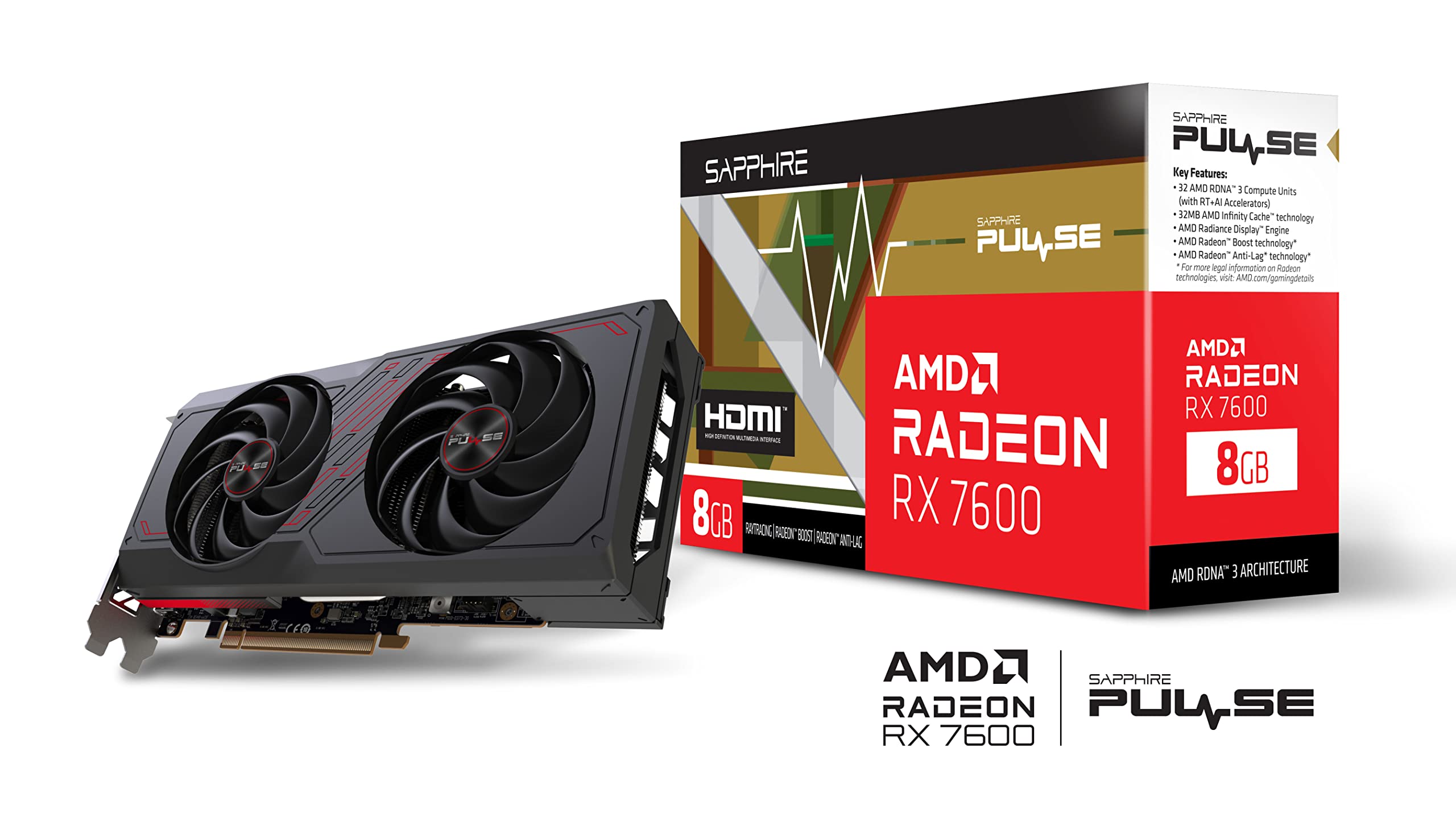
✓ Pros
- •Great 1080p value
- •Efficient
- •FSR 3
✗ Cons
- •Only 8GB VRAM
- •Not for 1440p ultra
Best For:
1080p budget gaming.
Not Recommended For:
High-res needs.
Key Features:
Standout Feature:
Low price for new gen.
VS Others:
Cheaper 7600 XT alternative but less VRAM/power. Beats Arc.
Why This One:
New gen on tight budget.
Who Should Get What?
College Student on a Budget
You're a student building a gaming rig for esports and schoolwork, with $300 max for GPU. Need reliable 1080p 60+ FPS without high power draw for dorm PSU.
Recommended:
Sapphire Pulse AMD Radeon RX 7600 8GB
At $260, it crushes 1080p with FSR 3 and low 165W TDP. Better than Arc A770 for stability. Leaves budget for other parts.
View on Amazon →1440p Gamer
Mid-20s gamer with RTX 3070 upgrade itch, $400 budget. Plays AAA titles at high settings, some RT, solid PSU.
Recommended:
PNY GeForce RTX 4060 Ti 8GB XLR8 Gaming VERTO
DLSS 3 shines at 1440p RT, efficient upgrade path. Beats RX 7600 XT in RT games. Top balance for your needs.
View on Amazon →Content Creator
Freelance video editor needing VRAM for 4K timelines and occasional gaming. $350 budget, AMD/NVIDIA fine.
Recommended:
XFX Speedster SWFT210 Radeon RX 7600 XT CORE 16GB
16GB VRAM excels in Premiere/After Effects. Strong gaming bonus. More capacity than RTX 3060 at similar price.
View on Amazon →First-Time PC Builder
Beginner assembling first gaming PC, scared of power/heat. $300 budget, 1080p monitor, wants easy NVIDIA drivers.
Recommended:
MSI GeForce RTX 4060 VENTUS 2X BLACK 8G OC
115W easy on any PSU, plug-and-play NVIDIA. DLSS makes games smooth. Safer than AMD for noobs.
View on Amazon →Tech Enthusiast Chasing Value
PC modder hunting max FPS/$ at 1440p non-RT, $330 budget, big PSU, okay with AMD quirks.
Recommended:
Intel Arc A770 16GB Limited Edition
16GB VRAM cheap, improving for value chasers. Good XeSS in supported titles. Risky but rewarding.
View on Amazon →Buying Guide: How to Choose
Bottom Line
Frequently Asked Questions
Which graphics card under $500 is best overall?▼
RTX 4060 Ti vs RX 7600 XT: Which to buy?▼
Best budget graphics card under $300?▼
Is RTX 3060 still worth it in 2026?▼
RX 6700 XT vs RX 7600 XT?▼
Arc A770 worth the driver risks?▼
Do I need 16GB VRAM under $500?▼
Best for 1080p esports?▼
NVIDIA vs AMD vs Intel under $500?▼
Will these run modern games well?▼
Need More Help Deciding?
Explore more buying guides to find the perfect product for your needs.
View All Buying Guides