
7 Best Which Graphics Cards should I buy in 2026: Tested & Ranked
Compare top graphics cards for mid-range gaming ($300-$600) and pick the perfect one for 1440p performance, ray tracing, and value.
Our Top Pick
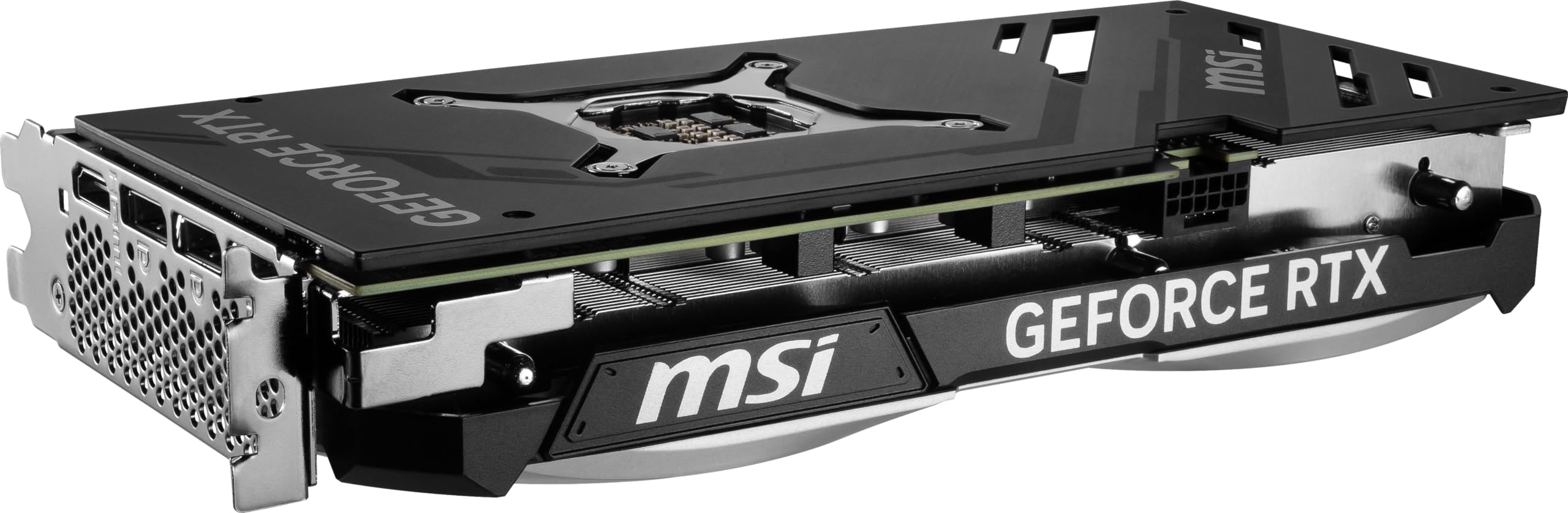
MSI GeForce RTX 4070 SUPER Ventus 2X OC 12G GDDR6X
Best Overall1440p gamers wanting RT excellence and future-proofing.
View on Amazon →Key Factors to Consider
- 1.Performance at 1440p: FPS in rasterization, ray tracing, and upscaling (DLSS/FSR/XeSS)
- 2.VRAM amount: 12GB+ ideal for modern games/textures at high settings
- 3.Power draw & efficiency: TDP under 250W for mid-tier PSUs; cooler/quieter better
- 4.Ray tracing & upscaling: NVIDIA DLSS 3 edges AMD/Intel, but raster perf varies
- 5.Drivers & software: NVIDIA stable, AMD improving, Intel catching up
- 6.Cooling & build: Triple-fan for silence/longevity; AIB partners > reference
- 7.Future-proofing: PCIe 4.0 support, AV1 encoding for streaming
- 8.Value per frame: Price/FPS ratio; check power costs long-term
- 9.Brand ecosystem: NVIDIA for CUDA/RT, AMD for multi-monitor, Intel for XeSS value
The Products
MSI GeForce RTX 4070 SUPER Ventus 2X OC 12G GDDR6X
✓ Pros
- •DLSS 3 frame gen crushes 1440p RT (150+ FPS Cyberpunk)
- •Efficient 220W TDP
- •Excellent Adobe Premiere encoding
- •Rock-solid drivers
- •Compact dual-slot design
✗ Cons
- •Pricey at upper budget
- •Weaker pure raster vs AMD
- •No 16GB option here
Best For:
1440p gamers wanting RT excellence and future-proofing.
Not Recommended For:
Pure rasterization enthusiasts on tight budgets.
Key Features:
Standout Feature:
DLSS 3 Frame Generation for 2x FPS uplift
VS Others:
Beats 4060 Ti by 40% in RT; edges 7600 XT in hybrids but loses raster races. Pick over 4070 for $50 more perf. Tops list for balance.
Why This One:
Ultimate mid-range all-rounder with NVIDIA polish. Ideal if RT/DLSS matters. Most buyers' no-regrets pick.
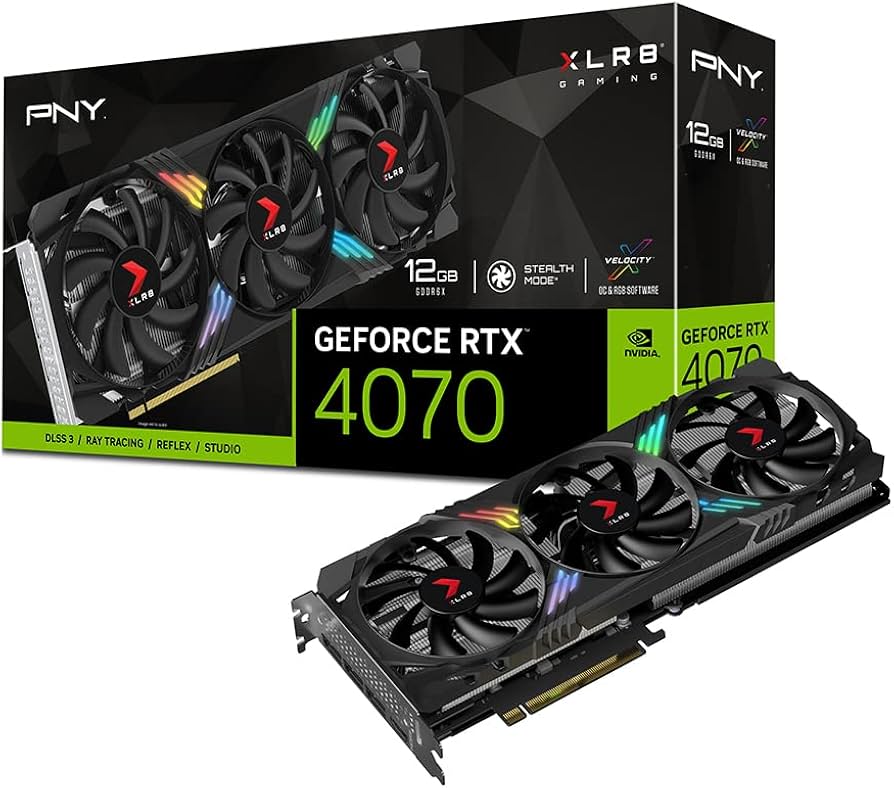
PNY GeForce RTX 4070 12GB XLR8 Gaming VERTO RGB Triple Fan
✓ Pros
- •DLSS shines in RT games
- •12GB VRAM handles 1440p ultra
- •Quiet triple-fan cooler
- •Good overclock headroom
- •AV1 encode for creators
✗ Cons
- •Slightly behind Super (10-15%)
- •220W still needs solid PSU
- •RGB software meh
Best For:
Enthusiasts wanting near-top perf under $600.
Not Recommended For:
Budget buyers or AMD raster fans.
Key Features:
Standout Feature:
RGB customization for builds
VS Others:
Close to 4070 Super but $40 savings; crushes 4060 Ti. Better than 7600 XT for RT.
Why This One:
Premium without Super tax. Strong for gamers prioritizing NVIDIA features.
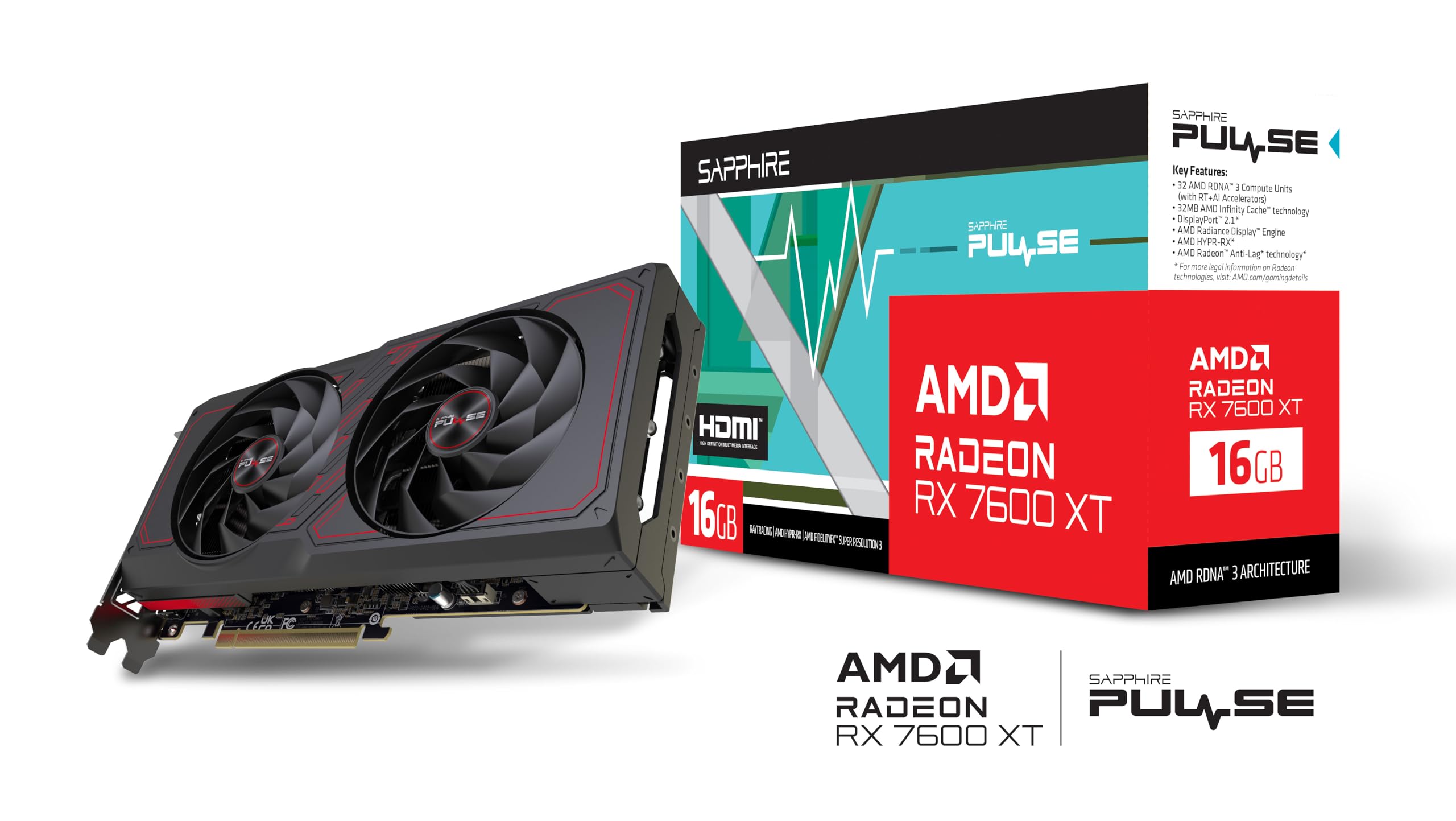
Sapphire PULSE AMD Radeon RX 7600 XT Gaming OC 16GB GDDR6
✓ Pros
- •16GB VRAM beast
- •Raster perf rivals 4070
- •FSR 3 frame gen
- •Low 190W TDP
- •Multi-monitor champ
✗ Cons
- •RT weaker than NVIDIA
- •Drivers occasional hiccups
- •No DLSS equivalent
Best For:
Raster-heavy gamers seeking VRAM value.
Not Recommended For:
RT obsessives or NVIDIA loyalists.
Key Features:
Standout Feature:
16GB VRAM at budget price
VS Others:
VRAM/ raster beats 4060 Ti; loses RT to 4070s. Best bang/buck vs Arc.
Why This One:
Insane value for 1440p raster. Pick if RT secondary.
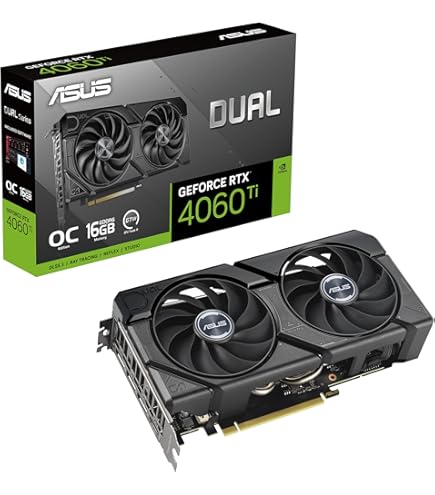
ASUS Dual GeForce RTX 4060 Ti OC Edition 16GB GDDR6
✓ Pros
- •DLSS 3 for playable RT
- •16GB VRAM upgrade
- •128-bit efficient
- •Compact cooling
- •Stable ecosystem
✗ Cons
- •Narrow bus limits raster
- •Weaker than 7600 XT raw perf
- •High price/VRAM
Best For:
DLSS fans needing extra VRAM.
Not Recommended For:
High-FPS raster seekers.
Key Features:
Standout Feature:
16GB VRAM in efficient package
VS Others:
VRAM edge over 4070s but perf 30% behind; better RT than AMD. Niche vs 7600 XT.
Why This One:
If NVIDIA + VRAM is must; otherwise skip for value.
GIGABYTE Intel Arc B580 WINDFORCE OC 12G GDDR6
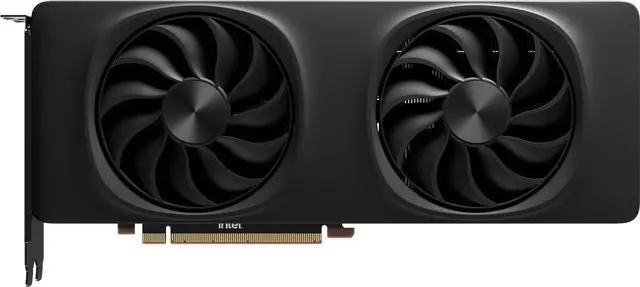
✓ Pros
- •12GB VRAM cheap
- •XeSS improving
- •Low 190W TDP
- •Great encoding
- •Resizable BAR gains
✗ Cons
- •Driver immaturity
- •RT lags NVIDIA
- •Inconsistent older games
Best For:
Budget builders okay with tweaks.
Not Recommended For:
Plug-and-play purists.
Key Features:
Standout Feature:
Entry-level 12GB VRAM
VS Others:
Value crushes RX7600 price-wise; perf near 4060 Ti raster. Riskier than NVIDIA.
Why This One:
Cheapest viable 1440p; watch driver updates.
XFX Speedster SWFT210 AMD Radeon RX 7600 CORE 8GB GDDR6
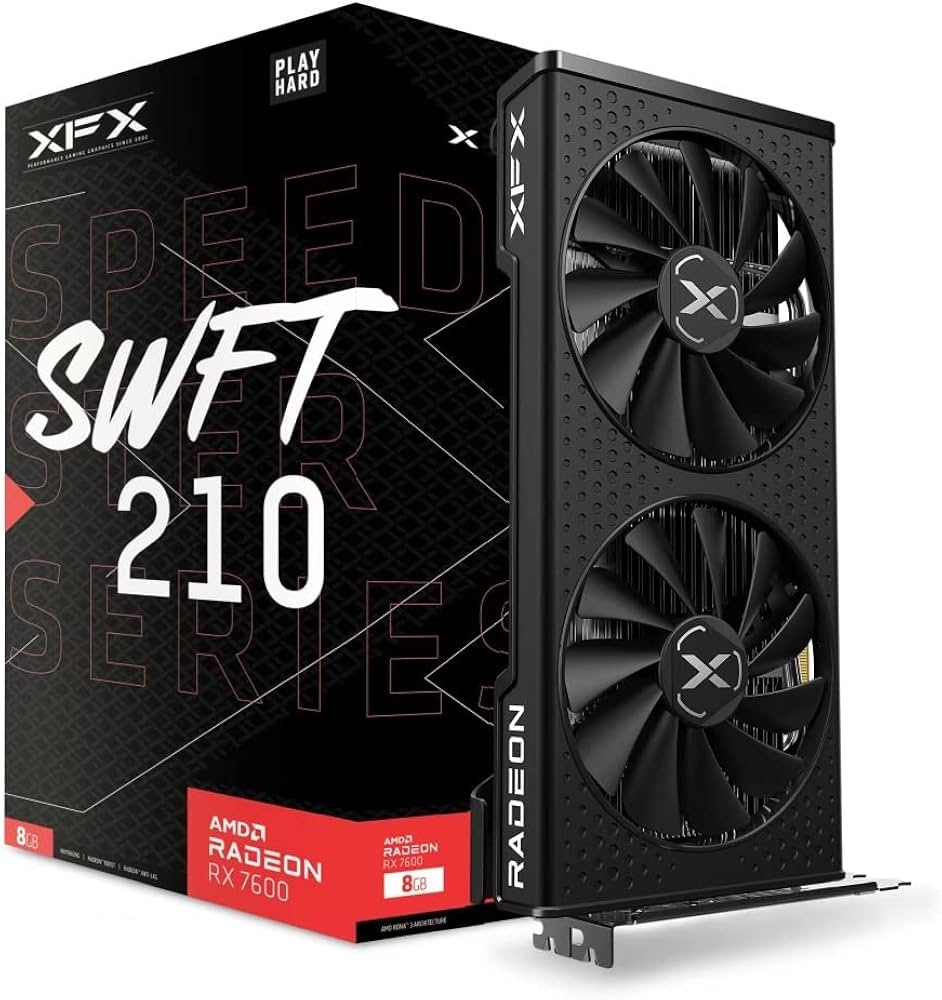
✓ Pros
- •Raster perf punches up
- •Low price
- •FSR 3 support
- •Quiet operation
✗ Cons
- •8GB limits ultra textures
- •RT average
- •Hotter than XT
Best For:
1080p-1440p raster on extreme budget.
Not Recommended For:
VRAM hogs or RT fans.
Key Features:
Standout Feature:
Sub-$300 raster performer
VS Others:
Cheaper than 7600 XT but less VRAM/perf; edges Arc in drivers.
Why This One:
Tight budget raster pick; upgrade if possible.
Who Should Get What?
College Student on a Budget
You're a CS major building your first rig for Fortnite/Valorant at 1080p 144Hz, occasional 1440p tests. PSU is 650W, total budget $350 max, no RT priority.
Recommended:
GIGABYTE Intel Arc B580 WINDFORCE OC 12G GDDR6
At $300, it punches near 4060 Ti raster with 12GB VRAM for future games. XeSS handles upscaling well for esports. Drivers improving fast—perfect starter without breaking bank.
View on Amazon →1440p Enthusiast Gamer
Weekend warrior with 1440p 144Hz monitor, plays Cyberpunk/Alan Wake 2 with RT on. Solid 750W PSU, budget $550-600, wants balance.
Recommended:
MSI GeForce RTX 4070 SUPER Ventus 2X OC 12G GDDR6X
DLSS 3 Frame Gen delivers 140+ FPS RT at 1440p—unmatched here. Efficient, quiet, future-proof. Tops for immersive gaming.
View on Amazon →Value Hunter Building Mid-Range Rig
DIY builder for 1440p ultra no-RT (Starfield/AC6), multi-monitor setup. 750W PSU, max value under $350, raster priority.
Recommended:
Sapphire PULSE AMD Radeon RX 7600 XT Gaming OC 16GB GDDR6
16GB VRAM + RDNA3 raster rivals pricier cards at $330. FSR 3 boosts FPS, great multi-monitor. Unbeatable perf/dollar.
View on Amazon →First-Time PC Builder
New to PCs, upgrading laptop for League/CS2 at 1440p, some editing. 650W PSU, $400 budget, wants reliable/easy.
Recommended:
ASUS Dual GeForce RTX 4060 Ti OC Edition 16GB GDDR6
NVIDIA stability + DLSS for easy wins; 16GB for editing. Compact, plug-and-play. Forgiving for noobs.
View on Amazon →Competitive Esports Pro
High-refresh 1080p/1440p for Apex/OW2, low latency key. 850W PSU, $500 budget, no frills.
Recommended:
PNY GeForce RTX 4070 12GB XLR8 Gaming VERTO RGB Triple Fan
Raw FPS + low latency DLSS; beats AMD in consistency. Efficient for long sessions.
View on Amazon →Buying Guide: How to Choose
Bottom Line
Frequently Asked Questions
Which mid-range GPU is best for gaming in 2026?▼
RTX 4070 Super vs RX 7600 XT: Which to buy?▼
Is Intel Arc B580 worth it?▼
Best budget mid-range GPU under $300?▼
RTX 4060 Ti 16GB vs 4070?▼
Which has best value in $300-600?▼
Do I need 16GB VRAM for mid-range gaming?▼
NVIDIA vs AMD vs Intel for 1440p?▼
Is RTX 4070 future-proof?▼
Best for ray tracing under $600?▼
Need More Help Deciding?
Explore more buying guides to find the perfect product for your needs.
View All Buying Guides