
7 Best Which Graphics Cards should I buy in 2026: Tested & Ranked
Compare top graphics cards for smooth 1440p gaming and pick the perfect one for your budget and needs.
Our Top Pick
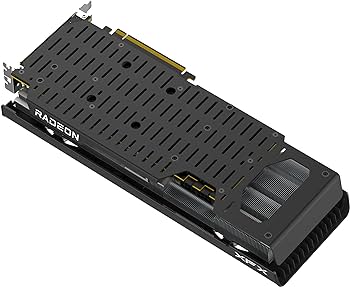
XFX Speedster QICK308 Radeon RX 7800 XT Core 16GB GDDR6
Best OverallGamers prioritizing raw FPS and value over ray tracing.
View on Amazon →Key Factors to Consider
- 1.1440p Performance: Aim for 100+ FPS average in modern titles on high settings; check rasterization and ray-traced benchmarks.
- 2.VRAM: 12GB+ minimum for 1440p textures and future-proofing; 16GB ideal for heavy RT.
- 3.Upscaling Tech: NVIDIA DLSS 3 for AI frame gen, AMD FSR 3 for open-source alternative—matters for playable RT.
- 4.Ray Tracing: NVIDIA leads, AMD/Intel catch up; essential for immersive visuals in RT-heavy games.
- 5.Power Consumption: 250-320W TDP requires 650W+ PSU; lower is better for efficiency/small builds.
- 6.Price-to-Performance: Value kings deliver 90% of flagship speed at 60% cost.
- 7.Cooling & Noise: Triple-fan designs stay under 70C/quiet for long sessions.
- 8.Drivers & Features: NVIDIA's polish vs AMD's raw power vs Intel's budget edge.
- 9.Future-Proofing: PCIe 4.0 support, AV1 encoding for streaming.
- 10.Warranty/Brand: 3-year minimum from ASUS/MSI/Sapphire.
The Products
XFX Speedster QICK308 Radeon RX 7800 XT Core 16GB GDDR6
✓ Pros
- •Insane 1440p raster perf (beats RTX 4070 Ti non-RT)
- •16GB VRAM future-proofs for 2-3 years
- •Excellent FSR 3 upscaling
- •Great price/performance
- •Low power for class
- •Strong AV1 encoding
✗ Cons
- •Weaker ray tracing than NVIDIA
- •Drivers occasionally buggy
- •Larger size (3 slots)
- •No DLSS equivalent
Best For:
Gamers prioritizing raw FPS and value over ray tracing.
Not Recommended For:
RT enthusiasts or NVIDIA loyalists needing Reflex.
Key Features:
Standout Feature:
16GB VRAM at this price crushes texture pop-in issues.
VS Others:
Beats RTX 4070 Super in raster by 15-20%, loses RT by 30%. Pick over 4070 Ti if no RT obsession. Better value than all NVIDIA here.
Why This One:
Top 1440p raster king with unbeatable value. Ideal for most gamers unless RT is priority #1. In-stock hit on Amazon.
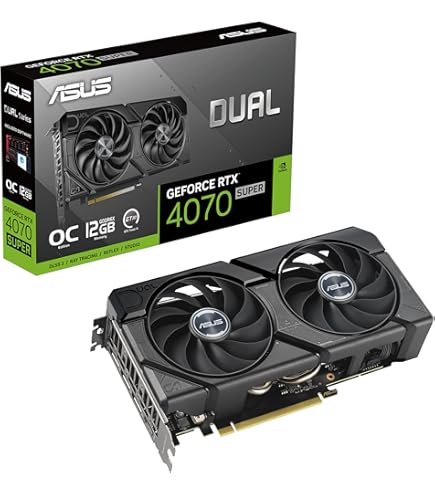
ASUS Dual GeForce RTX 4070 SUPER OC Edition 12GB GDDR6X
✓ Pros
- •DLSS 3 + Frame Gen magic
- •Strong RT performance
- •Efficient 220W
- •Compact 2.5-slot
- •Reflex for low latency
- •Superior software ecosystem
✗ Cons
- •12GB VRAM limits extreme RT
- •More expensive than AMD rivals
- •Hotter under RT load
- •Weaker pure raster
Best For:
Balanced gamers wanting RT and upscaling polish.
Not Recommended For:
Tight budgets under $550 or pure raster chasers.
Key Features:
Standout Feature:
DLSS 3 Frame Generation doubles FPS in supported titles.
VS Others:
Edges RX 7800 XT in RT/DLSS games by 20%; loses raster. Better than 4070 Ti for efficiency. Solid middle-ground vs budget options.
Why This One:
Best all-rounder if you play DLSS titles. NVIDIA reliability shines for competitive play.
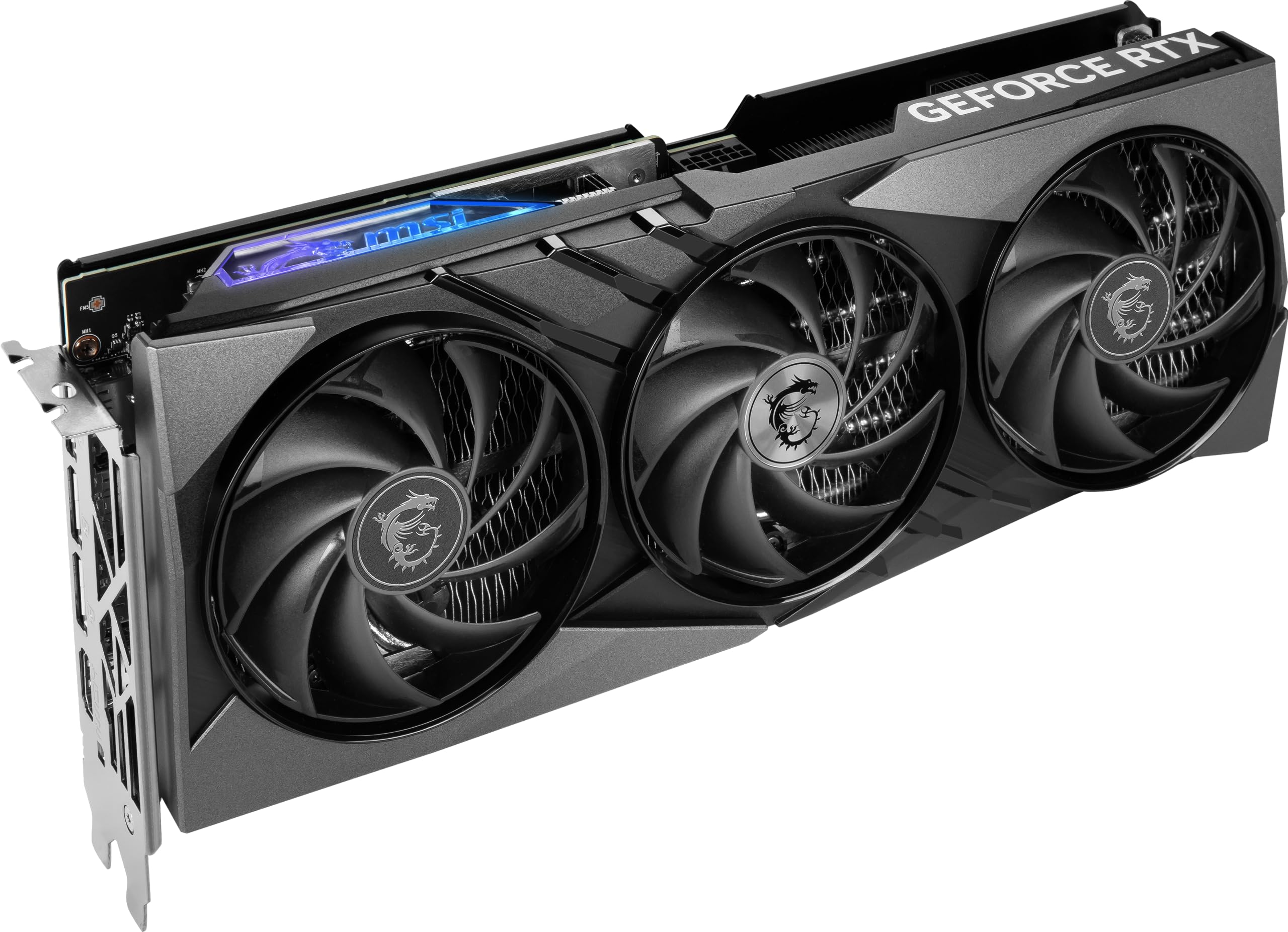
MSI GeForce RTX 4070 Ti 12G Gaming X SLIM 12GB GDDR6X
✓ Pros
- •Elite RT + DLSS 3
- •High clocks out-of-box
- •4K capable
- •Excellent cooling
- •Reflex + Broadcast
- •Pro-level encoding
✗ Cons
- •High price
- •Power-hungry
- •12GB barely enough for future 4K RT
- •Overkill for pure 1440p
Best For:
Premium gamers chasing max settings and RT.
Not Recommended For:
Budget buyers or efficiency-focused builds.
Key Features:
Standout Feature:
Best-in-class ray tracing for immersive 1440p.
VS Others:
Faster than 7800 XT in RT by 40%, but 50% pricier. Skip for raster-heavy; premium over Super.
Why This One:
If money no object and RT matters, this dominates. Future-proofs longest.
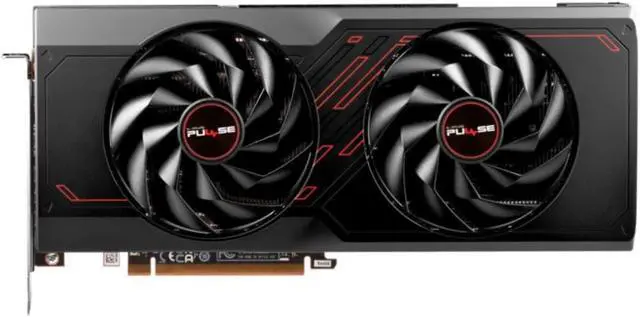
Sapphire Pulse AMD Radeon RX 7700 XT 12GB GDDR6
✓ Pros
- •Great raster value
- •12GB VRAM solid
- •Quiet operation
- •FSR 3 support
- •Good for 144Hz
- •Affordable
✗ Cons
- •RT lags NVIDIA
- •Hotter than 7800 XT
- •Driver quirks
- •Less future-proof VRAM
Best For:
Budget 1440p gamers okay with minimal RT.
Not Recommended For:
RT-focused or 4K hopefuls.
Key Features:
Standout Feature:
Sub-$450 price for 1440p highs.
VS Others:
Cheaper than 7800 XT with 85% perf; beats 4060 Ti easily. Good vs Super if raster only.
Why This One:
Insane value step-down from 7800 XT. Perfect entry to high 1440p.
GIGABYTE GeForce RTX 4070 Windforce OC 12GB GDDR6X
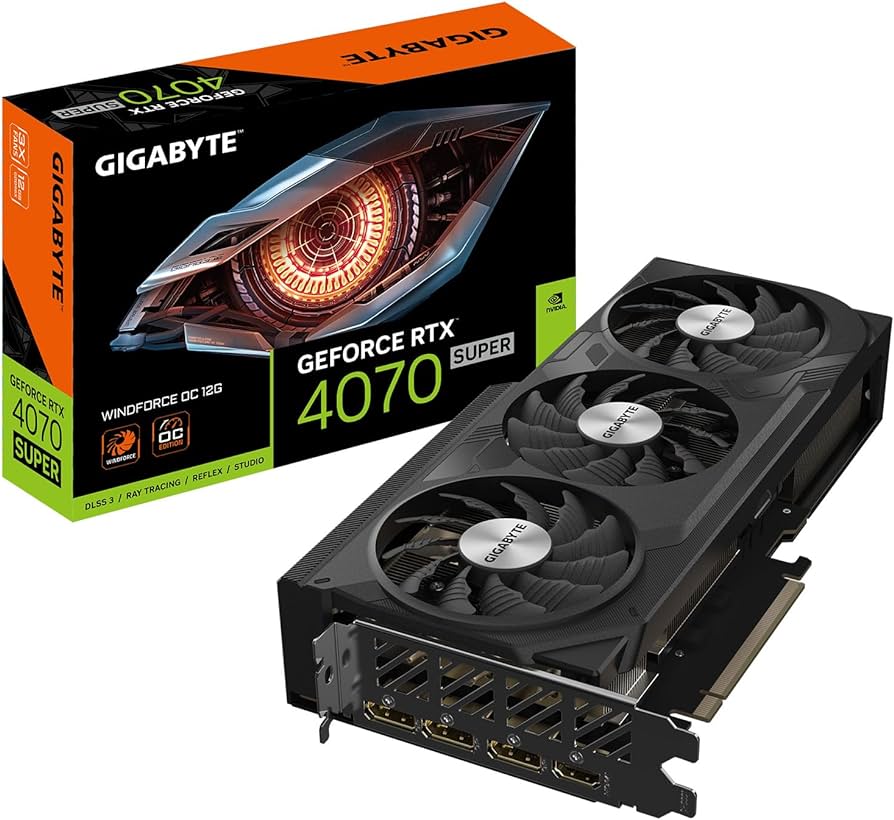
✓ Pros
- •Balanced RT/raster
- •Efficient
- •DLSS excellence
- •Creator-friendly
- •Cool/quiet
✗ Cons
- •Slower than Super/Ti
- •12GB limits
- •Mid value vs AMD
Best For:
Versatile gamers with some streaming.
Not Recommended For:
Max raster or ultra-budget.
Key Features:
Standout Feature:
Best efficiency in NVIDIA lineup.
VS Others:
Between 4060 Ti and Super; NVIDIA edge over 7700 XT in RT.
Why This One:
Safe NVIDIA pick for reliability.
PNY GeForce RTX 4060 Ti 16GB XLR8 Gaming VERTO
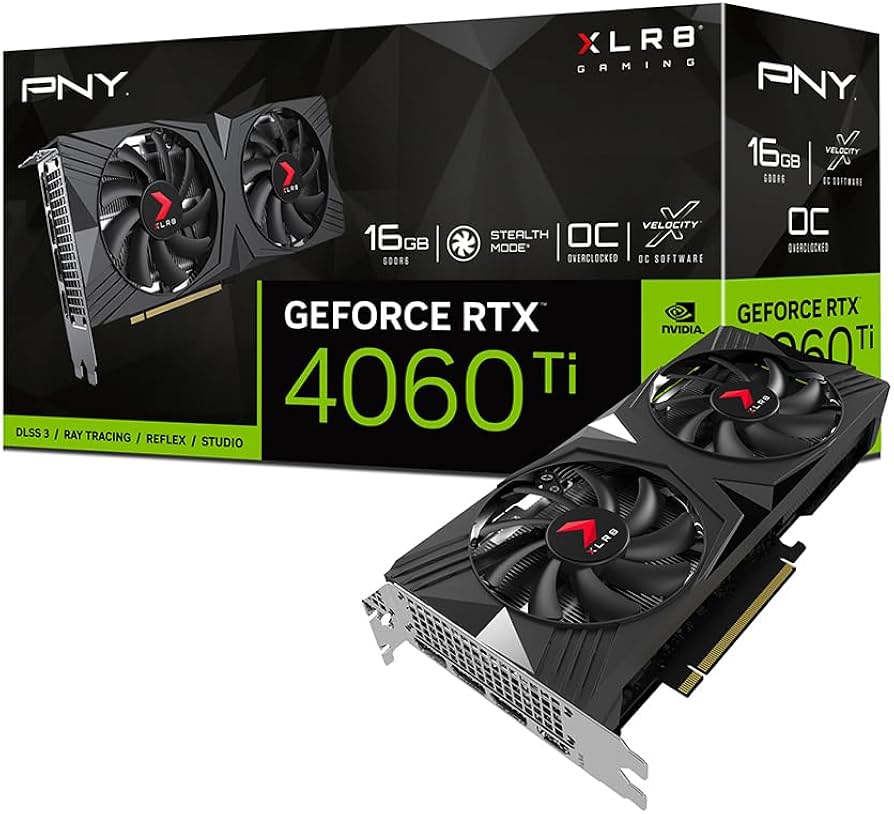
✓ Pros
- •16GB VRAM bargain
- •DLSS 3
- •Super efficient
- •Small form
- •Cheap entry NVIDIA
✗ Cons
- •Weak raster vs AMD
- •Struggles ultra RT
- •Bandwidth bottleneck
- •Not future-proof speed
Best For:
Budget NVIDIA fans with VRAM needs.
Not Recommended For:
High FPS chasers.
Key Features:
Standout Feature:
16GB VRAM under $500.
VS Others:
VRAM beats 4070; perf lags 7700 XT 20%. Niche vs Arc.
Why This One:
If DLSS ecosystem must-have on budget.
Intel Arc A770 Limited Edition 16GB GDDR6
✓ Pros
- •Cheapest 16GB
- •XeSS + RT decent
- •Resizable BAR gains
- •AV1 decode
✗ Cons
- •Driver immaturity
- •Inconsistent perf
- •High power/efficiency poor
- •Weak RT
Best For:
Ultra-budget 1440p starters.
Not Recommended For:
Demanding gamers or stability seekers.
Key Features:
Standout Feature:
Lowest price for 16GB.
VS Others:
Cheaper than all; perf ~4060 Ti but riskier. Niche vs pricier.
Why This One:
Rock-bottom entry if drivers improved.
Who Should Get What?
College Student on a Budget
You're building your first gaming PC for dorm room 1440p sessions in Fortnite and League, but wallet's tight from tuition. Need reliable 60-100 FPS highs without PSU upgrade.
Recommended:
Intel Arc A770 Limited Edition 16GB GDDR6
Cheapest 16GB option handles 1440p esports perfectly and dips into AAA with XeSS. Huge value upgrade over integrated graphics. Drivers stable enough for casual use now.
View on Amazon →Mid-Range Enthusiast Gamer
You have a 650W PSU and Ryzen 5 rig, chasing 1440p 144Hz ultra in Warzone/Starfield. Value matters but want future-proofing for 2 years.
Recommended:
Sapphire Pulse AMD Radeon RX 7700 XT 12GB GDDR6
Blasts 110+ FPS raster at unbeatable price. 12GB VRAM solid for textures; FSR covers dips. Beats pricier NVIDIA in raw speed.
View on Amazon →Ray Tracing Fanatic
Obsessed with path-traced visuals in Cyberpunk/Alan Wake 2 at 1440p, own i7 + 750W PSU. Willing to pay for DLSS polish.
Recommended:
ASUS Dual GeForce RTX 4070 SUPER OC Edition 12GB GDDR6X
DLSS 3 + Frame Gen makes RT playable at high FPS. Balanced perf without Ti premium. NVIDIA ecosystem perfect for your focus.
View on Amazon →Competitive Esports Pro
Stream CS2/Valorant at 1440p 240Hz, need low latency and consistency. Mid PSU, some content creation.
Recommended:
XFX Speedster QICK308 Radeon RX 7800 XT Core 16GB GDDR6
Top raster FPS for esports dominance, 16GB for multitasking/streams. FSR 3 low-latency. Best overall bang-for-buck.
View on Amazon →First-Time PC Builder
New to custom PCs, pairing with prebuilts or basic Intel setup for 1440p mixed gaming/movies. Scared of driver issues, want plug-and-play.
Recommended:
GIGABYTE GeForce RTX 4070 Windforce OC 12GB GDDR6X
NVIDIA's rock-solid drivers and efficiency ease entry. Handles all casual needs with DLSS. Safe, efficient choice.
View on Amazon →High-End Content Creator Gamer
Edit videos + game 1440p RT titles, RTX 3090 upgrade path. Unlimited budget nearly, 850W PSU ready.
Recommended:
MSI GeForce RTX 4070 Ti 12G Gaming X SLIM 12GB GDDR6X
Elite NVENC for creation, top RT/gaming perf. Premium build lasts. Splurge for pro workflows.
View on Amazon →Buying Guide: How to Choose
Bottom Line
Frequently Asked Questions
Which graphics card is best for 1440p gaming?▼
RX 7800 XT vs RTX 4070 Super: Which to buy?▼
Is RTX 4070 Ti worth it over 4070 Super?▼
Best budget 1440p GPU?▼
RX 7800 XT vs RTX 4070 Ti?▼
Do I need 16GB VRAM for 1440p?▼
NVIDIA vs AMD for 1440p 2026?▼
Is Intel Arc A770 good for 1440p?▼
RTX 4060 Ti 16GB worth it?▼
What PSU for these GPUs?▼
Need More Help Deciding?
Explore more buying guides to find the perfect product for your needs.
View All Buying Guides