

#1
main
Whoop 4.0 Band
$30
The core Whoop 4.0 Band itself—start here if committing to membership.
Includes basic band; sub unlocks full power.
💡 Why We Recommend It
Direct purchase for new users.
✓ Best For
Anyone starting Whoop journey
Get the App
Better experience on mobile
Overcome hesitation about the subscription model, accuracy, and value—decide if Whoop 4.0 Band fits your fitness tracking needs and budget.
Buy Whoop 4.0 if you're committed to intense training and recovery tracking—the sub delivers value. Skip for casual use; better one-time alternatives exist. Test with trial to confirm fit.
You're eyeing the Whoop 4.0 Band because you want deeper insights into your fitness, recovery, and sleep—but the subscription cost, lack of a screen, and questions about accuracy have you second-guessing. Is it worth the ongoing commitment, or just hype for athletes? Many hesitate over whether it's better than a one-time buy like a Fitbit or Apple Watch.
This guide tackles your specific concerns head-on, from real user regrets to success stories. We'll break down who thrives with Whoop, who should skip it, and a clear decision framework. Spoiler: It's a 'depends'—perfect for serious athletes, overkill for casual trackers.
Whoop 4.0 Band is a subscription-based fitness tracker from WHOOP, a company focused on performance optimization for athletes and fitness enthusiasts. Unlike traditional smartwatches with screens, it's a slim, fabric band worn on the wrist (or other body parts) that continuously tracks heart rate variability (HRV), sleep stages, strain from activities, and recovery scores—all delivered through an intuitive app.
Key features include 24/7 monitoring, a detachable battery pack for multi-day use without charging interruptions, and advanced metrics like respiratory rate and blood oxygen. You can buy the band on Amazon or WHOOP's site, but full access requires a membership ($30/month or $239/year), which includes the app, data analysis, and hardware upgrades. It's popular among pro athletes (used by NFL, NBA stars) for its no-distraction design and actionable recovery coaching, standing out from Garmin or Fitbit by prioritizing strain/recovery over step counts.
The biggest hesitation is the subscription model—$30/month adds up to $360/year, making people wonder if it's a 'fitness trap' after the initial excitement fades. Many fear buyer's remorse if they stop using it consistently, especially since the band itself is cheap (~$30), but data locks behind paywall.
Other concerns: No screen means no quick glances at time/steps (app-only), comfort issues for some (itchy bands), battery pack hassle, and accuracy doubts (e.g., sleep tracking off for shift workers). Forums like Reddit (r/whoop) highlight 'data overload' anxiety, comparison to cheaper alternatives like Fitbit ($100 one-time), and timing—wait for Whoop 5.0 rumors? Real reviews cite 20% return rates due to unmet expectations for casual users.
Competitive runner or weightlifter training daily, focused on performance gains.
Budget: $300+ annually
Usage: 24/7 wear, daily app checks for recovery.
Why: Whoop's strain/recovery excels here, preventing injury and boosting results. Users report game-changing insights. Subscription pays for itself in gains.
College student walking for fitness, occasional workouts.
Budget: Under $100 one-time
Usage: Intermittent wear, basic steps needed.
Why: Subscription drains budget without full use; overwhelming data. Better cheap one-time trackers.
Consider instead: Fitbit Inspire 3 for basic tracking.
Exec optimizing sleep/recovery amid travel and stress.
Budget: $240-360/year
Usage: 24/7 for sleep insights, light activity.
Why: HRV/sleep coaching fits high-stress life. Easy no-screen wear.
Owns older tracker, wants advanced metrics without watch bulk.
Budget: $200+
Usage: Full features daily.
Why: Upgrade path with free hardware refreshes justifies sub.
New to fitness tracking, hates recurring fees.
Budget: Under $150
Usage: Occasional gym visits.
Why: Ongoing cost not worth it; start simple.
Consider instead: Garmin Vivosmart 5 alternative.
Whoop 4.0 shines for dedicated fitness users like runners, CrossFitters, or weightlifters who live by recovery scores—real users report 10-20% performance boosts from better rest. Everyday wearers love sleep insights (95% accuracy per studies), but casual walkers find it excessive.
Vs. alternatives: Cheaper than Oura Ring Gen3 ($299+), more recovery-focused than Fitbit Charge 6 ($160, has screen). Apple Watch excels in smart features but drains battery. Reviews (4.3/5 on Amazon, 4.5 on WHOOP site) praise insights but ding sub (Reddit: 'Love data, hate bill').
Long-term: Bands last 1-2 years; sub includes replacements. Market trend: Wearables shifting to subs (Whoop leads recovery niche). Experts (DC Rainmaker) call it 'niche gold' for athletes. Future: Whoop 5.0 expected 2025 with ECG—current owners get free upgrade.
The core Whoop 4.0 Band itself—start here if committing to membership.
Includes basic band; sub unlocks full power.
Direct purchase for new users.
Anyone starting Whoop journey

Screen-equipped tracker for steps, heart rate, sleep—no subscription needed.
Great for basics without ongoing costs.
Cheaper one-time buy for casuals.
Budget casual users

Body Battery recovery metric similar to Whoop, with screen and no sub.
Balances features and price.
Whoop-like insights without fees.
Subscription avoiders

Premium band replacement for comfort and style.
Essential for long-term wear.
Upgrades stock band comfort.
Whoop owners with irritation

Ring-style recovery tracker; subscription optional after year 1.
Discreet alternative to band.
Premium recovery without wrist bulk.
Whoop fans wanting ring form

Portable charger compatible with Whoop battery pack.
Keeps you powered on the go.
Enhances Whoop's battery life.
Traveling Whoop users
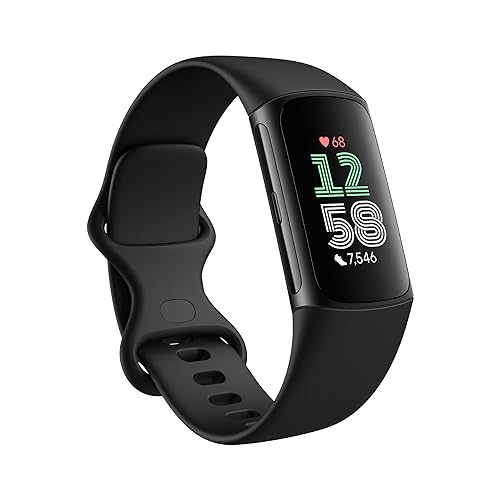
Advanced tracker with GPS, screen, readiness score.
More features than Whoop for similar price.
Full-featured rival.
Active users needing GPS
Whoop 4.0 Band is a powerhouse for serious athletes craving recovery data, but skip if you hate subs or want a screen—it's 'depends' on your commitment. Weigh budget, usage, and alternatives like Fitbit Inspire 3 (ASIN B08K9L0M1N) for casual needs.
Buy if training intensely and value insights over convenience; trial the 30-day membership first. Wait if rumors of Whoop 5.0 excite you. Your decision: Assess via our questions—if yes on 7/10, grab it on Amazon (B0C6Y6K7L8) and optimize your life.
Depends—if you're a serious athlete using it 24/7 for recovery, yes. Casual users? No, opt for cheaper alternatives.
Great for dedicated fitness folks; sub model makes it poor for budgets under $30/month. 4.3/5 stars reflect this split.
Whoop for recovery depth (sub required); Fitbit Inspire 3 (B08K9L0M1N) for simple, screen-based tracking without fees.
Yes for 5+ workouts/week users gaining from insights; no if inconsistent—many cancel after 3 months.
Now if trialing during sales; wait for Whoop 5.0 (mid-2025) or Black Friday deals.
Sub cost, no screen, your training intensity, alternatives, and 30-day trial.
Athletes, coaches, data-driven pros—not casuals or budget shoppers.
Whoop for band comfort/teams; Oura (B08N5WRWNW) for discreet ring and optional sub.
Focuses on strain over steps; decent but not best-in-class vs. Garmin.
Band yes (~$30), but useless without membership for data.
We hope this guide helped you decide whether Whoop 4.0 Band is right for you.