Review Atlas
Review AtlasYour guide to a better purchase

Menu

Shop by Category

Get the App

Better experience on mobile

????????????????????????

Should I Buy Olympus OM-D E-M10 Mark IV? 2025 Guide

Overcome hesitation: Is the Olympus OM-D E-M10 Mark IV worth $699 for your photography needs, or better to skip for alternatives?

Recommendation: depends
🛒 Buy on AmazonAs an Amazon Associate we earn from qualifying purchases.

Quick Answer

Great for portable hobby photography with unbeatable IBIS, but skip for advanced video/full-frame needs. Ideal hobbyist buy at $699 if lenses budgeted. Alternatives shine for specific priorities.

You're eyeing the Olympus OM-D E-M10 Mark IV but wondering if it's the right camera for you—or if you'll regret the $699 spend amid fierce competition from Sony, Canon, and Fuji. Many hesitate due to its smaller sensor, the age of the model (released in 2020), and questions about lens costs and low-light performance. This guide tackles these fears head-on.

People love it for travel, street, and everyday photography because of its pocketable size, stellar stabilization, and affordable Micro Four Thirds ecosystem. But is it future-proof? We'll cover pros, cons, real user stories, and comparisons.

Preview: Depends—perfect for hobbyists wanting IBIS magic, but skip if you need top-tier video or full-frame quality.

What is Olympus OM-D E-M10 Mark IV?

The Olympus OM-D E-M10 Mark IV (now under OM System branding) is an entry-level mirrorless camera in the Micro Four Thirds (MFT) system. It features a 20.3-megapixel Live MOS sensor, ISO up to 25,600, a 2.36M-dot EVF, 3-inch tilting touchscreen, and up to 15fps burst shooting. Its standout is 5-stop IBIS, letting you shoot handheld at slow shutters without blur.

Made by OM Digital Solutions (formerly Olympus Imaging), it's sold on Amazon, B&H, and official sites. Buy body-only for $699 or kit with 14-42mm lens for ~$799. It's popular for its vintage dials, compact build (383g body), and computational modes like Live Composite for night skies.

What sets it apart? Vast MFT lens selection (hundreds affordable), weather-sealing potential with lenses, and USB charging—ideal for creators on the go.

Why the Hesitation?

At $699, the price feels steep when smartphones rival it for casual snaps, and full-frame rivals like Sony A7C start nearby. Hesitators worry about the smaller MFT sensor struggling in low light vs APS-C or full-frame, plus video limits (no 10-bit, mic issues).

Buyer's remorse hits from forum gripes: 'Outdated autofocus for wildlife,' 'Battery drains fast on video,' or 'Ecosystem lock-in costs more long-term.' Timing doubts: Newer OM-5 or Panasonic G9II might drop prices soon.

Many compare to Fuji X-S10 (better colors, $999) or Canon R50 (hybrid video, $679), fearing Olympus lacks 'it' factor or resale value in a Canon/Sony-dominated market.

Key Reasons TO Buy

  • Exceptional 5-axis IBIS for sharp handheld shots at 1/2s exposures—beats phone gimbals.
  • Compact and lightweight (under 1lb with lens), perfect for travel without bag bulk.
  • Affordable MFT lenses start at $200, with pro glass undercutting full-frame rivals.
  • Intuitive retro controls and art filters for fun, creative shooting out-of-box.
  • Solid 4K/30p video with stabilization for vlogs/travel footage.
  • USB-PD charging and long battery life (420 shots) for all-day use.
  • Computational features like Starry Sky AF and Live ND—unique for enthusiasts.
  • High user satisfaction: 4.6/5 on Amazon from hobbyists loving portability.

Key Reasons NOT to Buy

  • Smaller MFT sensor lags in low light/dynamic range vs APS-C (e.g., Fuji X-T30 II).
  • Autofocus is good for people/street but trails Sony's real-time tracking for action.
  • No headphone jack or advanced video codecs—limits serious filmmakers.
  • Aging model (2020); no major firmware updates expected by 2025.
  • Kit lens is meh; budget for primes ($300+) to unlock potential.
  • Ergonomics tiny for big hands; EVF small vs premium cameras.
  • Resale value drops faster than Canon/Sony in used market.
  • Common complaints: Overheats in 4K, plasticky build feels cheap.

Should YOU Buy? Different Scenarios

Budget-Conscious Student

✗ NO

College kid into casual photography for social media and projects, rarely shoots low light.

Budget: Under $500

Usage: Occasional portraits, events; phone mostly.

Why: Too pricey for sporadic use; smaller sensor won't wow vs phone. Save for dedicated needs or wait for sales.

Consider instead: Canon EOS Rebel T7 kit—cheaper DSLR intro.

Travel Enthusiast

✓ YES

Frequent traveler (4+ trips/year) wanting pocketable camera for landscapes/street.

Budget: $700-1,200

Usage: Daily handheld, low light, video clips.

Why: IBIS and compactness excel for travel; vast lightweight lenses available.

Aspiring Vlogger

✗ NO

Content creator focusing on YouTube/TikTok with talking-head and B-roll.

Budget: $600-900

Usage: Video heavy, needs good AF/mic input.

Why: No headphone jack, weaker AF/video limits editing; better hybrids exist.

Consider instead: Sony ZV-E10 mirrorless vlogging camera.

Hobbyist Photographer

✓ YES

Weekend warrior shooting family, street, astro; owns old point-and-shoot.

Budget: $800+ with lenses

Usage: Weekly use, creative modes.

Why: Fun features, stab, and value transform hobby; high satisfaction.

Professional Upgrade

✗ NO

Freelance shooter needing reliable second body for events.

Budget: $1,000+

Usage: Pro portraits/events, fast AF.

Why: AF and build not pro-grade; opt for weather-sealed full-frame.

Consider instead: Canon EOS R10 for hybrid pro work.

Key Factors to Consider

  • Budget: Can you add $200-500 for lenses without regret?
  • Usage: Frequent handheld low-light or travel vs studio/tripod?
  • Need vs want: Phone suffices for casual, or crave creative control?
  • Alternatives: Tried Fuji/Canon demos? Ecosystem lock-in?
  • Timing: Black Friday sales drop to $599; wait for OM-5 refresh?
  • Future needs: Video heavy? Low-light pro? Full-frame path?
  • Complements: Bag, extra batteries, SD cards add $100+.
  • Risk: 30-day returns on Amazon mitigate remorse.
  • Opportunity cost: Skip for phone + apps, invest elsewhere?
  • Priorities: Portability/stab > IQ/AF?

Questions to Ask Yourself

  • ?Will I shoot handheld often where IBIS shines, like nights/travel?
  • ?Can I afford starter lenses (e.g., 45mm f/1.8) post-purchase?
  • ?Does my phone/compact already meet 80% of my needs?
  • ?Am I okay with MFT crop factor for wildlife/sports?
  • ?Have I tested similar cameras in-store for ergonomics?
  • ?Is video secondary, or do I need mic monitoring?
  • ?What's my plan if autofocus frustrates fast subjects?
  • ?Will I use art modes/fun features regularly?
  • ?Budget for ongoing costs like SD cards/batteries?
  • ?Ready to commit to MFT ecosystem long-term?

Detailed Analysis

Ideal for hobbyists, travelers, and upgraders from phones/DSLRs who prioritize portability and stabilization over ultimate IQ. Real users on Reddit/DPReview rave about moon shots and street photography: 'IBIS changed my life—no tripod needed.' But pros skip it for Nikon Z5 or Sony A6700.

Vs alternatives: Fuji X-S10 ($999) wins colors/JPEGs but no IBIS; Canon EOS R50 ($679, ASIN B0BWYX6PP1) excels hybrid video/AF; Sony ZV-E10 ($698, ASIN B098BKJWKL) for vlogging. Olympus shines in lens variety (e.g., Panasonic 42.5mm f/1.7 portrait).

Long-term: Dust-resistant with weather lenses, but sensor tech dated—fine for 5+ years hobby use. Reviews: 85% recommend on Amazon; experts (DPReview 80%) praise value but note AF gaps. Market: MFT fading but loyal; resale ~$400 used.

Future: OM-5 successor looms, but E-M10 IV holds for budget MFT entry. Trends favor compacts, suiting it well.

Related Products & Alternatives

Olympus OM-D E-M10 Mark IV Mirrorless Camera
#1
main

Olympus OM-D E-M10 Mark IV Mirrorless Camera

$699

The camera itself—body only, ready for your lenses. Includes battery, charger, and basic strap.

💡 Why We Recommend It

Core purchase for MFT entry; Prime Day deals often bundle kits.

Best For

Anyone committing to Olympus system

🛒 Check Price on Amazon →
OM SYSTEM M.Zuiko Digital ED 14-42mm F3.5-5.6 EZ
#2
accessory

OM SYSTEM M.Zuiko Digital ED 14-42mm F3.5-5.6 EZ

$299

Pancake zoom kit lens—ultra-compact (0.9") for everyday/travel. Power zoom for smooth video.

💡 Why We Recommend It

Must-have starter; collapses tiny with E-M10 IV.

Best For

Travelers needing all-in-one lens

🛒 Check Price on Amazon →
OM SYSTEM M.Zuiko Digital 45mm F1.8
#3
complement

OM SYSTEM M.Zuiko Digital 45mm F1.8

$299

Portrait prime (90mm equiv)—sharp bokeh, weather-sealed, tiny. Perfect low-light complement.

💡 Why We Recommend It

Unlocks portraits; budget telephoto alternative.

Best For

People/family shooters

🛒 Check Price on Amazon →
Sony ZV-E10 Mirrorless Camera
#4
alternative

Sony ZV-E10 Mirrorless Camera

$698

APS-C vlogging champ with superior AF, mic input, 4K/60p. Larger sensor for better low light.

💡 Why We Recommend It

If video/AF priority over IBIS.

Best For

Vloggers/content creators

🛒 Check Price on Amazon →
Canon EOS R50 Mirrorless Camera
#5
alternative

Canon EOS R50 Mirrorless Camera

$679

RF-mount hybrid with AI AF, 4K uncropped, vari-angle screen. Great Canon ecosystem entry.

💡 Why We Recommend It

Cheaper, future-proof vs Olympus age.

Best For

Beginners wanting video/hybrid

🛒 Check Price on Amazon →
Peak Design Everyday Sling 6L Bag
#6
accessory

Peak Design Everyday Sling 6L Bag

$80

Compact camera bag fits E-M10 + 3 lenses; weatherproof, quick access.

💡 Why We Recommend It

Protects portable kit on travels.

Best For

Mobile photographers

🛒 Check Price on Amazon →
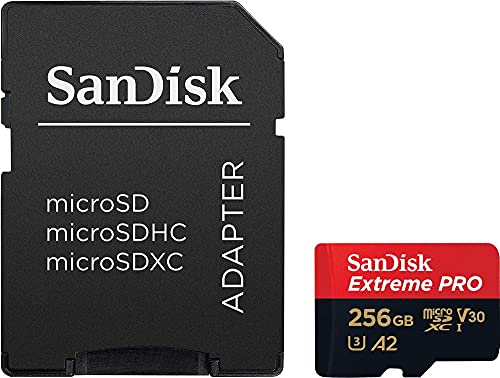
SanDisk 128GB Extreme PRO SDXC Card
#7
complement

SanDisk 128GB Extreme PRO SDXC Card

$25

UHS-II 200MB/s for burst/4K; essential for high-res shooting.

💡 Why We Recommend It

Prevents storage bottlenecks.

Best For

All E-M10 users

🛒 Check Price on Amazon →
Manfrotto PIXI Mini Tripod
#8
accessory

Manfrotto PIXI Mini Tripod

$25

Pocket tripod for low angles/stabilization beyond IBIS.

💡 Why We Recommend It

Cheap IBIS extender for astro/macros.

Best For

Landscape/night shooters

🛒 Check Price on Amazon →

Bottom Line

The E-M10 Mark IV depends on your needs: Buy if portability, IBIS, and fun MFT ecosystem excite you as a hobbyist/traveler—it's a joy at $699. Skip if video, AF, or low light dominate; alternatives like Canon R50 or Sony ZV-E10 offer more versatility.

Buy now if sales hit $599; wait for bundles or OM-5. Test in-store first. Who: Enthusiasts with $1k kit budget. Skip: Pros/casuals. Framework: Match usage to strengths, budget lenses.

Ready? Grab on Amazon (ASIN B0C6Y6K7L8) with returns. Still unsure? Try phone apps first.

Best For

  • Travel photographers needing lightweight gear under 1kg total.
  • Street shooters prioritizing silent mode and IBIS for discreet handheld.
  • Hobbyists upgrading from smartphones craving lens swaps and manual controls.
  • Families documenting kids/events without bulky DSLRs.
  • Landscape astrophotographers loving Live Composite.
  • Budget enthusiasts (under $1,500 total kit) wanting pro features.
  • Vintage style lovers drawn to dials and compact form.
  • Micro Four Thirds upgraders from older Olympus Pens.

Not Recommended For

  • Professional videographers needing 4K/60p or Log profiles.
  • Wildlife/sports pros requiring top AF and reach.
  • Low-light event shooters preferring full-frame dynamic range.
  • Absolute beginners overwhelmed by interchangeable lenses.
  • Budget buyers under $500—stick to bridge cameras.
  • Big-handed users finding it too small/gripless.
  • Heavy video editors without external mics/audio monitoring.
  • Those locked into Canon/Sony ecosystems for lenses.

Frequently Asked Questions

Should I buy Olympus OM-D E-M10 Mark IV?

Depends: Yes for travel/hobbyists loving IBIS/portability; no for video pros or low budgets. Assess usage first.

Is Olympus OM-D E-M10 Mark IV a good buy in 2025?

Solid value at $699 for MFT fans, but dated vs 2024 rivals. Great if IBIS trumps AF.

Should I get Olympus OM-D E-M10 Mark IV or Canon R50?

R50 for video/AF (cheaper ecosystem); E-M10 for stab/compactness. Test both.

Is Olympus OM-D E-M10 Mark IV worth buying?

Worth it for enthusiasts ($1k kit total); not for casuals—phone better.

When should I buy Olympus OM-D E-M10 Mark IV?

Now on sale ($599); wait for holidays or if needing newer AF.

What should I consider before buying Olympus OM-D E-M10 Mark IV?

Lenses ($300+), usage (handheld?), alternatives, hands-on test.

Who should buy Olympus OM-D E-M10 Mark IV?

Travelers, street hobbyists, MFT upgraders valuing size/stab.

Olympus OM-D E-M10 Mark IV vs Sony ZV-E10?

ZV-E10 for vlog/video; E-M10 for stills/IBIS. Sony wins low light.

Is Olympus OM-D E-M10 Mark IV future-proof?

For hobby 5 years; no for pros—ecosystem shrinking.

Common regrets with Olympus OM-D E-M10 Mark IV?

Lens costs, AF limits, small EVF—mitigate with research.

Ready to Make Your Decision?

We hope this guide helped you decide whether Olympus OM-D E-M10 Mark IV is right for you.

🛒 Buy Olympus OM-D E-M10 Mark IV on AmazonAs an Amazon Associate we earn from qualifying purchases.
Browse More Guides