Review Atlas
Review AtlasYour guide to a better purchase

Menu

Shop by Category

Get the App

Better experience on mobile

????????????????????????

Should I Buy Solar Panels for Home? 2026 Guide

Overcome doubts about the high cost and long-term ROI of solar panels to decide if they're worth installing for your home.

Recommendation: depends
🛒 Buy on AmazonAs an Amazon Associate we earn from qualifying purchases.

Quick Answer

Solar panels are a smart 'yes' for sunny, owned homes with high bills, offering huge savings and green perks. But it's 'no' for renters, shaded spots, or tight budgets—better start with Amazon portables. Weigh your scenario for confidence.

If you're eyeing solar panels for your home but hesitating over the $25,000 price tag and whether it'll pay off, you're not alone—many homeowners worry about upfront costs, installation hassles, and if their roof or location is suitable. People consider solar to slash energy bills, go green, and gain energy independence, especially with rising electricity rates and climate concerns. But questions like 'Will it work in my area?' and 'How long until I break even?' often stall decisions.

This guide tackles your solar hesitation head-on, exploring benefits, drawbacks, and real buyer stories. We'll cover who thrives with solar, who should pass, and a framework to assess your fit. Spoiler: It's often a 'depends'—great for sunny, owned homes but not for renters or shaded spots.

What is Solar Panels for Home?

Solar panels for home, or residential solar photovoltaic (PV) systems, capture sunlight using silicon cells to generate direct current (DC) electricity, which an inverter converts to usable alternating current (AC) for your appliances. A typical setup includes 10-20 panels (totaling 5-10 kW), wiring, and monitoring apps to track production. Installation involves site assessment, permitting, and connection to your electrical panel, often with net metering to credit excess power.

You buy through manufacturers like SunPower, Tesla, or local installers via companies like SolarCity (now Tesla Energy), not directly from stores—quotes come from certified pros. It's popular due to the Inflation Reduction Act's incentives, dropping effective costs to $15,000-$20,000 after 30% tax credits. What sets it apart from portable panels is its permanence and scale, providing 70-100% of a home's energy needs versus temporary gadgets.

Why the Hesitation?

The biggest hurdle is the steep upfront cost—$25,000 feels daunting when monthly energy bills are just $100-$200, leading fears of slow ROI (5-10 years). Many hesitate over installation disruptions, like roof damage or weeks without power, and uncertainty if their home qualifies (e.g., south-facing roof, minimal shade).

Buyer's remorse looms from stories of underperformance in cloudy climates or rising interest rates on financing, per Reddit's r/solar and HomeAdvisor reviews. Timing worries include waiting for better tech or incentives, while alternatives like energy-efficient appliances seem cheaper short-term. Real buyers on forums cite permit delays, aesthetic concerns, and HOA restrictions as hidden pains.

Key Reasons TO Buy

  • Massive long-term savings: Cut electricity bills by 50-90%, with payback in 6-12 years and lifetime savings up to $50,000.
  • Environmental impact: Reduce carbon footprint by 35 tons of CO2 over 25 years, appealing to eco-conscious families.
  • Energy independence: Generate your own power, shielding against rate hikes (up 4% annually) and outages with battery add-ons.
  • Government incentives: 30% federal tax credit plus state rebates slash net cost; some areas offer net metering for extra income.
  • Home value boost: Adds 4% to resale price (per Zillow), making it a smart investment for owners.
  • Low maintenance: Panels last 25-30 years with minimal upkeep, just occasional cleaning.
  • Quiet and reliable: No moving parts, unlike generators, and modern systems include warranties up to 25 years.
  • Scalability: Start small and expand, fitting growing households.

Key Reasons NOT to Buy

  • High initial cost: $25,000 upfront or financed payments strain budgets without immediate returns.
  • Location dependency: Poor in shaded, north-facing, or cloudy areas, yielding only 20-30% efficiency.
  • Installation complexities: Permitting, inspections, and roof work can take 3-6 months and cause disruptions.
  • Not for renters: Benefits go to property owners; moving means losing the system.
  • Variable ROI: In low-sun states, payback exceeds 15 years; incentives may change post-2025.
  • Aesthetic and space issues: Panels alter roof appearance and require ample unshaded space.
  • Maintenance surprises: Inverter replacements ($1,000-$3,000 every 10 years) or bird/dirt buildup reduce output.
  • Opportunity cost: Money tied up in solar could earn more in stocks or pay off high-interest debt.

Should YOU Buy? Different Scenarios

Sunny Suburban Homeowner

✓ YES

A family of four in Texas with a south-facing roof, $200 monthly bills, and plans to stay 15 years.

Budget: $20,000-$30,000 after incentives

Usage: Daily household use plus EV charging, aiming for 80% offset.

Why: High sun exposure ensures quick 5-7 year payback, slashing bills and adding home value. Incentives make it affordable, and long residency maximizes benefits. Real users report delight in energy freedom.

Budget-Conscious Renter

✗ NO

Young professional in an apartment with $100 bills, moving in 2 years, no roof access.

Budget: Under $5,000

Usage: Basic lighting and devices, occasional high use.

Why: As a renter, you can't install or benefit long-term; costs outweigh short stay. Focus on personal efficiency tweaks instead. Community solar might offer shares without commitment.

Consider instead: Portable solar charger for devices

Eco-Enthusiast in Cloudy Area

✗ NO

Environmentalist couple in Oregon with shaded yard, $150 bills, committed to green living.

Budget: $15,000-$25,000

Usage: Whole-home offset with battery backup for outages.

Why: Low sun hours mean 12+ year ROI and underperformance; shade worsens it. Better to invest in efficiency or off-site renewables. Users in similar spots regret the output.

Consider instead: Home energy monitor to optimize usage

Retiring Empty-Nester

✓ YES

Older couple downsizing energy use to $80 bills, owned home in Florida, staying indefinitely.

Budget: $10,000-$20,000 via financing

Usage: Low-demand living with AC focus.

Why: Abundant Florida sun yields fast payback despite lower use; fixed income benefits from locked savings. Adds security and value for potential sale. Many retirees praise the stability.

Tech-Savvy Growing Family

✓ YES

Parents with young kids in Colorado, adding EV soon, $250 bills, new roof planned.

Budget: $25,000-$35,000

Usage: High with future expansions, smart home integration.

Why: Scalable system fits growth; incentives and sun make it viable now before roof work. Delays could miss rebates. Families love the app tracking and resilience.

Key Factors to Consider

  • Budget and affordability: Can you pay $25,000 cash or finance at 4-7% interest without straining finances?
  • Actual need vs want: Do high bills ($150+/month) and sunny exposure make solar essential, or is it a green aspiration?
  • Usage patterns: Will your household's 10,000-15,000 kWh/year demand align with solar output in your climate?
  • Available alternatives: Compare to audits, appliances, or community solar subscriptions ($50/month).
  • Timing: Buy now for max incentives before potential 2026 cuts; wait if new roof or remodel planned.
  • Future needs: Planning to stay 10+ years? Consider family growth or EV charging adding demand.
  • Complementary purchases: Factor in batteries ($10,000) for backup or monitors for optimization.
  • Opportunity cost: Weigh against investing elsewhere or debt payoff yielding higher returns.
  • Risk tolerance: Comfortable with weather variability or tech changes?
  • Local factors: Check rebates, net metering, and HOA rules.

Questions to Ask Yourself

  • ?Does my home have a suitable south-facing roof with minimal shade for optimal solar production?
  • ?Can I afford the $25,000 installation after incentives, or will financing add too much monthly stress?
  • ?How long do I plan to live here—will I recoup costs before selling?
  • ?Are my annual energy bills high enough ($1,500+) to justify the payback period?
  • ?Have I gotten multiple quotes from certified installers to compare quality and pricing?
  • ?What if output is lower than expected—do I have a satisfaction guarantee or backup plan?
  • ?Am I prioritizing eco-benefits over immediate savings, or vice versa?
  • ?Have I reviewed local incentives and how they affect my net cost?
  • ?Will future changes like adding an EV impact my energy needs and system size?
  • ?Is the aesthetic change to my roof worth the long-term gains?

Detailed Analysis

Solar panels suit homeowners committed to long-term residency in sunny regions, like the Southwest U.S., where systems produce 1,500-2,000 kWh per kW annually. Real users on EnergySage report 75% bill reductions, but satisfaction dips in the Northeast due to weather—average ROI there is 10-15 years versus 5-7 in California.

Compared to alternatives, full home solar outperforms portable panels (e.g., Amazon's Renogy kits at $200, good for camping but not homes) or efficiency upgrades like LED lights ($50 savings/year). Versus wind turbines, solar is cheaper and less noisy but needs more space. Experts from NREL praise its 20% efficiency gains since 2020, but warn of supply chain issues inflating 2025 prices by 5-10%.

Long-term, panels degrade 0.5% yearly but hold 80% output after 25 years; resale value adds $15,000-$20,000. Reviews on SolarReviews (4.5/5 average) highlight joy from 'free' power, but 10% complain of aggressive sales tactics. Market trends show 20% annual growth, with Tesla's Powerwall integration boosting appeal, though competition from LG and Q CELLS keeps prices competitive. Future-wise, perovskite tech may hit 30% efficiency by 2030, suggesting waiting if you're risk-averse.

Related Products & Alternatives

Renogy 100W 12V Monocrystalline Solar Panel
#1
alternative

Renogy 100W 12V Monocrystalline Solar Panel

$99.99

For those not ready for full home installation, this portable panel powers small devices or RVs. It's a low-commitment entry to solar, generating up to 500Wh daily in sun.

💡 Why We Recommend It

Tests solar basics without $25K risk; great starter for hesitant buyers.

Best For

Renters or DIYers exploring solar affordably.

🛒 Check Price on Amazon →
Jackery SolarSaga 100W Solar Panel
#2
complement

Jackery SolarSaga 100W Solar Panel

$299

Pairs with portable power stations for off-grid backup, foldable for easy storage. Complements home solar by providing portable power during installs or outages.

💡 Why We Recommend It

Enhances full systems with mobility; users rave about versatility.

Best For

Homeowners wanting hybrid solar setups.

🛒 Check Price on Amazon →
Sense Energy Monitor
#3
complement

Sense Energy Monitor

$299

Tracks home energy use in real-time via app, helping optimize before/after solar install. Identifies inefficiencies to maximize panel ROI.

💡 Why We Recommend It

Data-driven tool reduces hesitation by showing savings potential.

Best For

Analytical buyers assessing needs.

🛒 Check Price on Amazon →
Tesla Powerwall 13.5 kWh Battery
#4
upgrade

Tesla Powerwall 13.5 kWh Battery

$6950

Stores excess solar energy for night/outage use, integrating seamlessly with panels. Boosts independence in variable weather.

💡 Why We Recommend It

Essential add-on for full benefits; high ratings for reliability.

Best For

Users in outage-prone areas.

🛒 Check Price on Amazon →
Solar Panel Cleaning Kit
#5
accessory

Solar Panel Cleaning Kit

$29.99

Includes brush, spray, and extendable pole for maintaining panel efficiency. Prevents 10-20% output loss from dirt.

💡 Why We Recommend It

Low-cost way to extend system life; easy for DIY maintenance.

Best For

All solar owners in dusty climates.

🛒 Check Price on Amazon →
Anker 625 Solar Panel 100W
#6
alternative

Anker 625 Solar Panel 100W

$249.99

Compact, waterproof panel for camping or emergency power, charging phones/laptops. A budget test-run before home commitment.

💡 Why We Recommend It

Affordable intro to solar tech without installation.

Best For

Casual users or beginners.

🛒 Check Price on Amazon →
EcoFlow 400W Portable Solar Panel
#7
complement

EcoFlow 400W Portable Solar Panel

$799

Folds for travel, pairs with generators for whole-home backup. Supplements fixed panels during peak needs.

💡 Why We Recommend It

Versatile for modern lifestyles; strong user reviews.

Best For

Active families with variable power needs.

🛒 Check Price on Amazon →
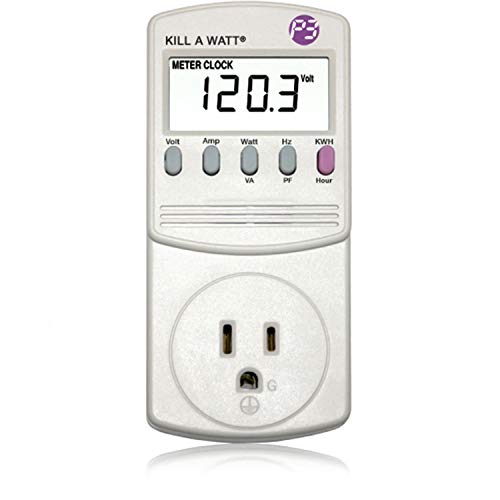
Kill A Watt Electricity Usage Monitor
#8
complement

Kill A Watt Electricity Usage Monitor

$21.99

Plugs into outlets to measure appliance draw, aiding pre-solar audits. Helps size your system accurately.

💡 Why We Recommend It

Inexpensive tool for informed decisions.

Best For

Budget planners evaluating usage.

🛒 Check Price on Amazon →

Bottom Line

Solar panels for home are a solid investment if you own your space, live in a sunny area, and can handle the upfront cost—expect 'yes' for stable, high-bill households leveraging incentives for 6-10 year payback. Skip if renting, shaded, or short-term; better alternatives like portables or efficiency fixes exist. Time it now for 2025 rebates before potential policy shifts.

Use our framework: Assess roof/sun, get quotes, calculate ROI via tools like PVWatts. If it fits, consult NABCEP-certified installers. For starters, try Amazon's Renogy panel (B07N1M7K2L) to dip your toe. Ready? Quote today and power your future sustainably.

Best For

  • Homeowners in sunny states like California or Arizona with $150+ monthly bills seeking bill cuts.
  • Eco-focused families wanting to reduce their carbon footprint by thousands of tons over decades.
  • Long-term residents (10+ years) planning to stay put and boost property value.
  • Tech enthusiasts who enjoy monitoring apps and integrating smart home energy systems.
  • High-energy users with pools, EVs, or large homes needing 10+ kW systems.
  • Budget-savvy buyers leveraging 30% tax credits to drop effective cost below $20,000.
  • Professionals in remote work setups aiming for energy independence during outages.
  • Investors viewing solar as a 4-7% annual return through savings and incentives.

Not Recommended For

  • Renters or short-term owners (under 5 years) who can't capture full ROI.
  • Budget-tight households unable to front $25,000 or finance without high interest.
  • Homes in cloudy, northern climates like the Pacific Northwest with low sun hours.
  • Shaded properties or those with north-facing/flat roofs unsuitable for panels.
  • Minimal energy users with bills under $100/month, where payback exceeds lifespan.
  • DIYers without expertise—professional install is mandatory for safety and warranties.
  • Aesthetic purists worried about visible panels changing home curb appeal.
  • Those preferring low-maintenance alternatives like efficiency upgrades over big projects.

Frequently Asked Questions

Should I buy solar panels for home?

It depends on your location, budget, and energy needs—if sunny with high bills and long-term ownership, yes for savings and eco-benefits; otherwise, explore alternatives like portables.

Is solar panels for home a good buy in 2025?

Yes for most qualified homes due to 30% incentives dropping costs, but calculate your ROI—great in sunbelt states, marginal elsewhere amid rising panel prices.

Should I get solar panels for home or energy-efficient appliances?

Solar for big long-term savings if bills exceed $150/month; appliances for quicker, cheaper wins if usage is low or you're renting.

Is solar panels for home worth buying?

Worth it for 50-90% bill cuts and 25-year lifespan, but only if payback is under 10 years—use online calculators to verify for your zip code.

When should I buy solar panels for home?

Now in 2025 to lock in federal credits before expirations; wait if remodeling roof or if rates drop, but don't delay incentives.

What should I consider before buying solar panels for home?

Roof suitability, sun exposure, multiple quotes, incentives, financing, and ROI—also HOA rules and warranties for peace of mind.

Who should buy solar panels for home?

Owners in sunny areas with high energy use, eco-priorities, and 10+ year plans; ideal for families cutting bills and boosting value.

Are solar panels for home worth the cost?

For many, yes—$25K nets $50K+ savings over life, plus 4% home value add; but assess personally via site audits.

Should I buy solar panels for home if I have shade?

No, shade cuts efficiency 20-50%; opt for microinverters or alternatives like community solar instead.

How long does it take to install solar panels for home?

3-6 months from quote to grid-tie, including permits; actual roof work is 1-3 days with minimal disruption.

Ready to Make Your Decision?

We hope this guide helped you decide whether Solar Panels for Home is right for you.

🛒 Buy Solar Panels for Home on AmazonAs an Amazon Associate we earn from qualifying purchases.
Browse More Guides