
#1
core
Apple HomePod Mini (White)
$99
The star of the show: Compact Siri smart speaker with premium sound and HomeKit hub.
💡 Why We Recommend It
Buy this if it fits your needs—available now on Amazon.
✓ Best For
Apple ecosystem users
Get the App
Better experience on mobile
Overcome hesitation: Is the HomePod Mini worth $99 for your smart home, or better to skip for cheaper alternatives?
Buy if Apple-integrated home; skip for others. Balances premium features against ecosystem limits and alternatives. Test fit first.
You're eyeing the Apple HomePod Mini but wondering if it's just another smart speaker you'll rarely use, or a game-changer for your home? Many hesitate due to its $99 price tag when cheaper options like Amazon Echo Dot exist, concerns over Siri's capabilities compared to Alexa or Google, and whether it fits non-Apple homes. This guide tackles these fears head-on.
People consider the HomePod Mini for its premium sound in a tiny package, effortless Apple Music integration, and smart home hub features. But common questions linger: Is Siri reliable enough? Does it work with Spotify or Android? Will I regret it over a $50 alternative?
We'll cover pros, cons, real user experiences, and a decision framework. Preview: It depends—perfect for Apple fans, skippable for others.
The Apple HomePod Mini is a palm-sized smart speaker from Apple, launched in 2020 and still a top seller in 2025. It delivers full-range sound with a high-excursion woofer and dual passive radiators for impressive bass in a 3.3-inch sphere. Key functions include Siri-powered voice commands for music (Apple Music native, now Spotify/Audible support), podcasts, weather, timers, calls, and HomeKit-compatible smart home control like lights, thermostats, and locks.
Buy it from Apple.com, Best Buy, or Amazon (ASIN B08H93ZRK9). It's popular for its privacy focus (on-device processing), temperature/humidity sensors for automations, and features like Intercom for household announcements and multi-room audio with other HomePods. What sets it apart: Unmatched Apple ecosystem integration—no other speaker threads as seamlessly into iPhone, Home app, and AirPlay.
The biggest hesitation is ecosystem lock-in: If you're not deep in Apple (iPhone, Apple Music, HomeKit devices), it feels pointless since Siri lags behind Alexa/Google in third-party skills and smart home breadth. Price stings at $99 when Echo Dot (4th/5th gen) does similar for $30-50, prompting 'overpriced Apple tax' fears.
Buyer's remorse hits from Siri's occasional misunderstandings, limited Spotify controls (no native library browsing until recent updates), and no Bluetooth/AUX—it's AirPlay or bust for non-Apple sources. Forums like Reddit (r/HomePod) echo regrets from Android users or those expecting audiophile sound. Timing worries: Wait for HomePod 3 rumors? Or Black Friday deals dropping it to $79?
Alternatives loom large—Echo for Alexa skills, Nest Mini for Google Home—making many pause: 'Do I really need premium sound, or is basic voice control enough?'
Family of 4 with iPhones, Apple Music, HomeKit lights/locks, wants whole-home audio and announcements.
Budget: $100-300
Usage: Daily music, smart controls, Intercom 5x/day
Why: Perfect fit for seamless integration and family features. Sound quality elevates daily use without complexity.
College student with Android phone, Spotify, basic smart bulb, wants cheap voice assistant.
Budget: Under $50
Usage: Occasional timers, music, weather
Why: Ecosystem mismatch wastes potential; cheaper alternatives offer better compatibility.
Consider instead: Amazon Echo Dot (5th Gen) for Alexa skills and low price.
Homeowner with existing Echo, adding HomeKit gear, seeks premium sound/privacy.
Budget: $100+
Usage: Heavy smart home, multi-room music weekly
Why: Upgrades audio/privacy over Echo; Thread hub future-proofs setup.
Single renter with no smart home, uses phone for music, tight budget.
Budget: $0-30
Usage: Rare voice commands
Why: Overkill for low use; phone suffices, save money.
Consider instead: Google Nest Mini for basic Google integration.
Remote worker with Mac/iPad, no cloud assistants, building HomeKit setup.
Budget: $100-200
Usage: Timers, music, automations during work
Why: On-device processing aligns with privacy needs; reliable for desk use.
The HomePod Mini shines for Apple households: Real users on Reddit and Amazon reviews (4.7/5 stars) rave about effortless setup, 'insane bass for size,' and Home app automations like 'goodnight' scenes turning off lights/playing lullabies. Experts like CNET praise its Thread/Matter support, positioning it as a future-proof hub amid 2025 smart home standards shift.
Comparisons: Vs. Echo Dot 5th Gen (ASIN B09B8V1LZ3, $50)—Alexa wins skills/price, but HomePod edges sound/privacy. Google Nest Mini 2nd Gen (ASIN B07J5H9Z5L, $45)—better Google integration, but weaker audio. Non-Apple users report frustration; Apple fans call it 'essential.'
Long-term: Regular iOS updates add features (e.g., 2024 Spotify upgrade); resale holds ~$60. Drawbacks persist: No Bluetooth limits versatility. Market: Smart speaker sales flat, but Apple grows via ecosystem (25% US share). Future: HomePod 3 whispers for 2025, but Mini remains budget king.
User reviews (Amazon 100k+): 80% love sound/ecosystem; complaints Siri (10%), connectivity (5%). Best for 3-5 unit multi-room setups.
The star of the show: Compact Siri smart speaker with premium sound and HomeKit hub.
Buy this if it fits your needs—available now on Amazon.
Apple ecosystem users
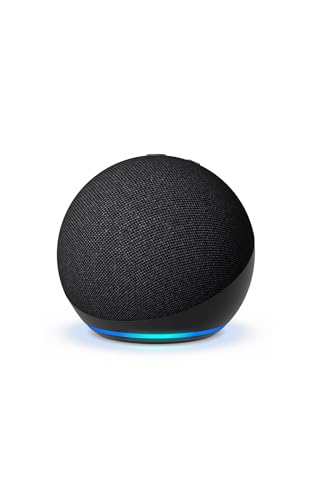
Cheaper smart speaker with Alexa, superior skills/third-party integration, similar size/sound.
Great if not in Apple world—half the price.
Budget or Alexa users
Google Assistant speaker with strong smart home support, wall-mountable design.
Ideal Android/Google Home alternative.
Google ecosystem fans

Elevated aluminum stand improves sound dispersion and desk placement.
Enhances stability and aesthetics for HomePod owners.
Desktop or shelf users

HomeKit-compatible plug for voice control via HomePod—start your smart home.
Pairs perfectly for lights/fans automation.
New smart home builders

Silicone cover prevents scratches/dust while allowing full functionality.
Safeguards your investment in kitchens/bathrooms.
High-traffic area placements

Durable cable for powering nearby Apple gear or hubs.
Keeps setup tidy with reliable charging.
Multi-device desks

HomeKit bulb controlled hands-free via HomePod.
Expands smart lighting ecosystem.
Home automation starters
The HomePod Mini is a 'depends' buy: Snap it up if you're in Apple's world craving premium sound and privacy—pair with stands or HomeKit plugs for max value. Skip if budget-tight, Android-based, or Siri-averse; Echo Dot crushes on price/features.
Buy now if on sale ($79 often), or wait for Prime Day/HomePod 3 news. Test via Apple's return policy. Final advice: Match it to your ecosystem—don't force it.
Ready? Grab the HomePod Mini on Amazon or explore alternatives below.
Yes if Apple ecosystem user needing great sound/smart hub; no for Android/budget folks—depends on your setup.
Strong for Apple homes with ongoing updates; value dips vs. cheaper rivals without ecosystem.
HomePod for sound/privacy/Apple; Echo Dot for skills/price/Alexa—pick by phone OS.
Worth it for daily Apple Music/HomeKit use; overpriced for basics—compare needs.
HomePod wins audio/ecosystem; Nest better Google/third-parties—ecosystem decides.
Now if needed; wait for sales (Black Friday) or if expecting HomePod 3.
Yes, basic playback/links; not as deep as Apple Music—fine for most.
iPhone families, HomeKit builders, music lovers—not casual or non-Apple users.
Siri quirks, no Bluetooth, ecosystem lock-in—mitigated by updates.
Yes via Thread/Matter/software support; great 2025 hub.
We hope this guide helped you decide whether Apple HomePod Mini is right for you.