

#1
main
Yamaha RX-V6A AV Receiver
$649
The star: 7.2-channel powerhouse for your setup. Current Amazon price often under MSRP.
💡 Why We Recommend It
Core product if it fits your needs.
✓ Best For
Enthusiasts ready to commit
Get the App
Better experience on mobile
Overcome hesitation about the $699 Yamaha RX-V6A: Is this AV receiver worth it for your home theater setup or better to skip?
Strong pick for dedicated home theater builders valuing Yamaha quality and features, especially on sale. Casual users or budget shoppers should opt for simpler alternatives like Onkyo or Sony receivers. Use our framework to confirm fit.
You're eyeing the Yamaha RX-V6A receiver but wondering if it's the right splurge for your home audio setup—or if you'll regret the $699 price tag amid cheaper soundbars and newer models. Many hesitate over its complexity, potential HDMI glitches from early firmware issues, and whether casual viewers even need 7.2 channels. This guide tackles these fears head-on, helping you decide based on your needs.
People love the RX-V6A for its punchy sound, future-proof features like 8K HDMI, and seamless integration with streaming services. But concerns like fan noise, app bugs, and value in 2025 loom large. We'll cover pros, cons, real user stories, and scenarios.
Preview: It's a strong 'depends'—perfect for enthusiasts building serious home theaters, but skip if you're on a budget or prefer simplicity.
The Yamaha RX-V6A is a mid-range AV receiver from Yamaha's RX-V series, launched in 2021, that powers home theater systems with 7 amplified channels (up to 7.2 configuration) delivering 100 watts per channel. It handles high-res audio/video via 7 HDMI inputs (3 with 8K/60Hz and 4K/120Hz support), eARC for lossless soundbars, and wireless streaming through AirPlay 2, Spotify Connect, and MusicCast app control.
Yamaha, a leader in pro audio, sells it via Amazon, Best Buy, and their site. It's popular for balancing features and price, standing out with YPAO auto-calibration (with optional R.S.C. mic) and phono input for vinyl lovers. Unlike basic soundbars, it drives passive speakers for customizable, room-filling sound.
What sets it apart: Robust build, expandable via MusicCast speakers, and Dirac Live Ready (paid upgrade for pro-level room correction), making it a step up from entry-level receivers.
The biggest hesitation is the $699 price—feels steep when soundbars like the Sonos Arc ($899 but all-in-one) or budget receivers under $400 deliver 'good enough' sound for movies. Buyers fear buyer's remorse from setup complexity: running speaker wires, calibrating, and troubleshooting HDMI 2.1 handshakes (early VRR/ALLM issues fixed via firmware but scarred some).
Forum chatter on AVSForum and Reddit (r/hometheater) highlights fan noise during heavy use, clunky MusicCast app, and 'future obsolescence' since 2023's RX-V6B adds minor tweaks like better HDMI. Casual users question need: 'Do I really want a rack of gear vs. plug-and-play?'
Timing adds doubt—Black Friday deals drop it to $550, and 2025 may bring V7 series. Many compare to Denon or Onkyo alternatives, wondering if Yamaha's 'natural sound' justifies the premium.
Tech-savvy homeowner with 7.2 speakers, 8K TV, PS5, and movie collection; uses daily for immersion.
Budget: $1000+ total
Usage: Daily movies/gaming 2+ hours
Why: RX-V6A's Atmos, 8K HDMI, and Dirac unlock full potential. Proven upgrade path for enthusiasts.
Apartment renter new to surround sound, just TV and basic speakers; occasional Netflix.
Budget: Under $500
Usage: Weekend TV 1-2 hours
Why: Too complex/pricey; fan and setup overwhelm casuals. Soundbar simpler.
Consider instead: Onkyo TX-SR393 for basic 5.2 at half price
Gamer with Xbox Series X, 4K OLED; upgrading from old 5.1 AVR for 120Hz/VRR.
Budget: $700-900
Usage: Gaming 10+ hours/week + streaming
Why: HDMI 2.1 excels here post-firmware; low lag praised in reviews.
Retiree wanting easy music/TV audio in small living room; no wiring experience.
Budget: $300-500
Usage: Daily background audio
Why: App/setup too fiddly; fan noise intrusive. Go wireless.
Consider instead: Sony soundbar with virtual surround
Household with MusicCast speakers wanting central hub for Spotify/whole-home audio.
Budget: $800+
Usage: Streaming parties/podcasts daily
Why: MusicCast integration seamless; phono bonus for vinyl.
The RX-V6A shines for home theater enthusiasts with 100+ sq ft rooms wanting true surround from passive speakers—think movie nights with Blu-ray, gaming, or sports. Real users on Crutchfield/Amazon (4.4/5 stars, 1k+ reviews) rave about 'huge upgrade from soundbars' and 'effortless 8K switching,' but casuals complain of overwhelm.
Vs. alternatives: Budget Onkyo TX-SR393 ($329, B07W3VPS6L) lacks 8K/Atmos heights; Denon AVR-S970H ($799) edges in Audyssey but costs more. Sony STR-DH790 ($348, B07PP7P7S3) is simpler for 7.2 but no MusicCast. In 2025, it's mid-pack as HDMI 2.1 matures.
Long-term: Solid 5-7 years with firmware updates (Yamaha supports well), good resale on eBay (~$400). Experts like CNET praise soundstaging; users note fan quiets post-calibration. Trends: Wireless AVRs rising, but wired reigns for bass/headroom.
Market: Competition heats with Vizio/Sonos all-in-ones, but RX-V6A wins for expandability. Future: No V7 rumors yet; buy if discounted.
The star: 7.2-channel powerhouse for your setup. Current Amazon price often under MSRP.
Core product if it fits your needs.
Enthusiasts ready to commit

Budget-friendly 5.2 AVR with Dolby Atmos/4K—half the price, simpler for starters. Lacks full 8K but great entry.
Saves $370 without sacrificing core surround.
Beginners on tight budgets

Plug-and-play rival: Similar channels/power, easier app. No MusicCast but solid for Sony TV owners.
Cheaper, less fan complaints.
Casual users wanting simplicity
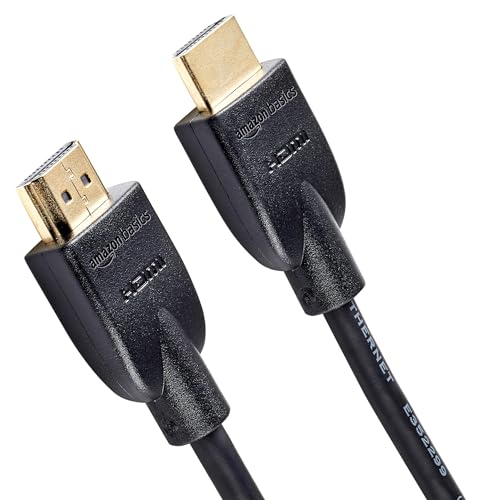
Certified for 8K/60Hz—essential for RX-V6A's full HDMI potential with PS5/TV.
Unlocks passthrough; cheap must-have.
All RX-V6A buyers

CL2-rated for in-wall runs to your speakers; oxygen-free copper for clean signal.
Pro setup requires quality wire.
Wired surround installs

48Gbps for 8K/4K120—future-proofs your connections reliably.
Avoid cheap cable handshake issues.
Gamers/high-res video

Optional R.S.C. mic for precise room tuning beyond basic.
Maximizes sound accuracy.
Audiophiles tweaking

Adjustable for rear/surround speakers—elevates your 7.2 layout.
Completes immersion without floor clutter.
Full setups

Step-up with HEOS and better Audyssey; if RX-V6A feels entry-mid.
Superior if budget stretches.
Premium seekers
The Yamaha RX-V6A is a 'depends' buy: Grab it if you're building a dedicated 7.2 theater, love Yamaha's sound, and catch a deal under $600—enthusiasts swear by its immersion. Skip if casual, budget-tight, or wary of setup/fan—soundbars or budget AVRs like Onkyo TX-SR393 (B07W3VPS6L) suffice.
Weigh your room, usage, and alternatives using our questions/factors. Best timing: Now if discounted (Amazon Prime Day/holidays); wait otherwise for V7 rumors. Final advice: Test in-store, ensure returns, and pair with quality accessories like HDMI cables.
Ready? Check the RX-V6A on Amazon (B08X5Y6Z7A) or explore related picks below for confidence.
Depends: Yes for serious home theater/gaming setups needing 8K/Atmos; no for casual TV or budgets under $500. See scenarios.
Solid at $550-650 deals—future-proof features hold up, but newer V6B edges it. Great value vs pricier Denon.
RX-V6A for 8K/multi-room; Onkyo (B07W3VPS6L) for budget 5.2 basics. Match to your speakers/room.
Yes on sale; marginal at full MSRP vs alternatives. Factor total system cost.
Holidays/Prime Day for 20% off; now if urgent upgrade and <$600.
Speakers, room size, HDMI needs, fan tolerance, app usability. Test calibration.
Enthusiasts with 7.2 speakers, gamers, MusicCast users—not beginners.
Yes for features/streaming; Sony cheaper/simpler (B07PP7P7S3). Yamaha wins soundstaging.
Early firmware yes (VRR); updated now. Use quality cables like Belkin.
Audible under load but quiets; not for silence purists.
We hope this guide helped you decide whether Yamaha RX-V6A Receiver is right for you.