The Whoop Band 4.0 is not for everyone. It's engineered for people who are serious about understanding their bodies, particularly athletes who train daily and care about performance and recovery. The core appeal is its proprietary recovery algorithm built on HRV (heart rate variability), which is a strong indicator of recovery and readiness. For users who are data-driven, this is invaluable. However, for the average person who just wants to count steps and see their heart rate during a workout, the Whoop can be overkill.
Real-world usage shows that Whoop's sleep tracking is among the best, thanks to its ability to detect distinct sleep stages and a 'Sleep Coach' that gives personalized recommendations. The Strain Coach helps you calibrate your daily exertion, preventing overtraining. The wearable is comfortable and unobtrusive, and it's designed for 24/7 wear. In contrast, many reviewers note that the lack of a display means you'll always rely on your phone, which can be annoying if you want a quick glance.
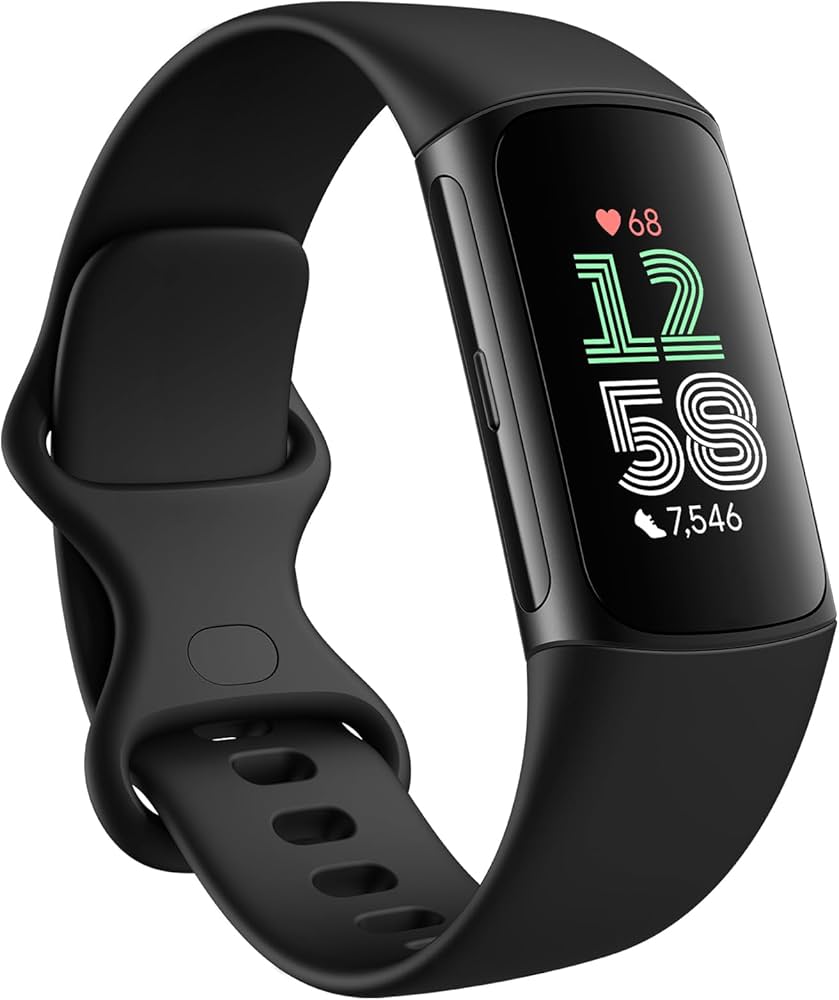
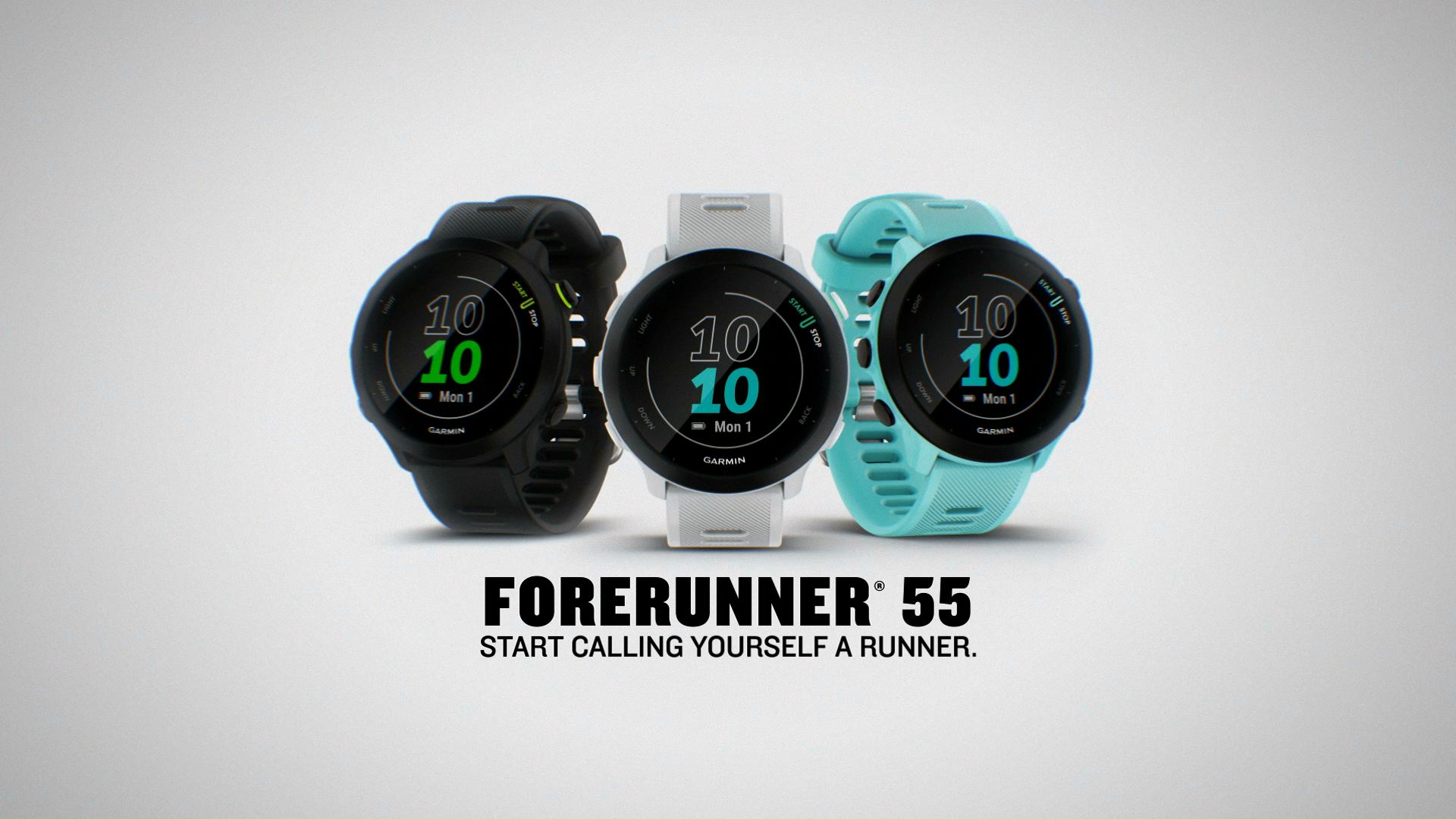
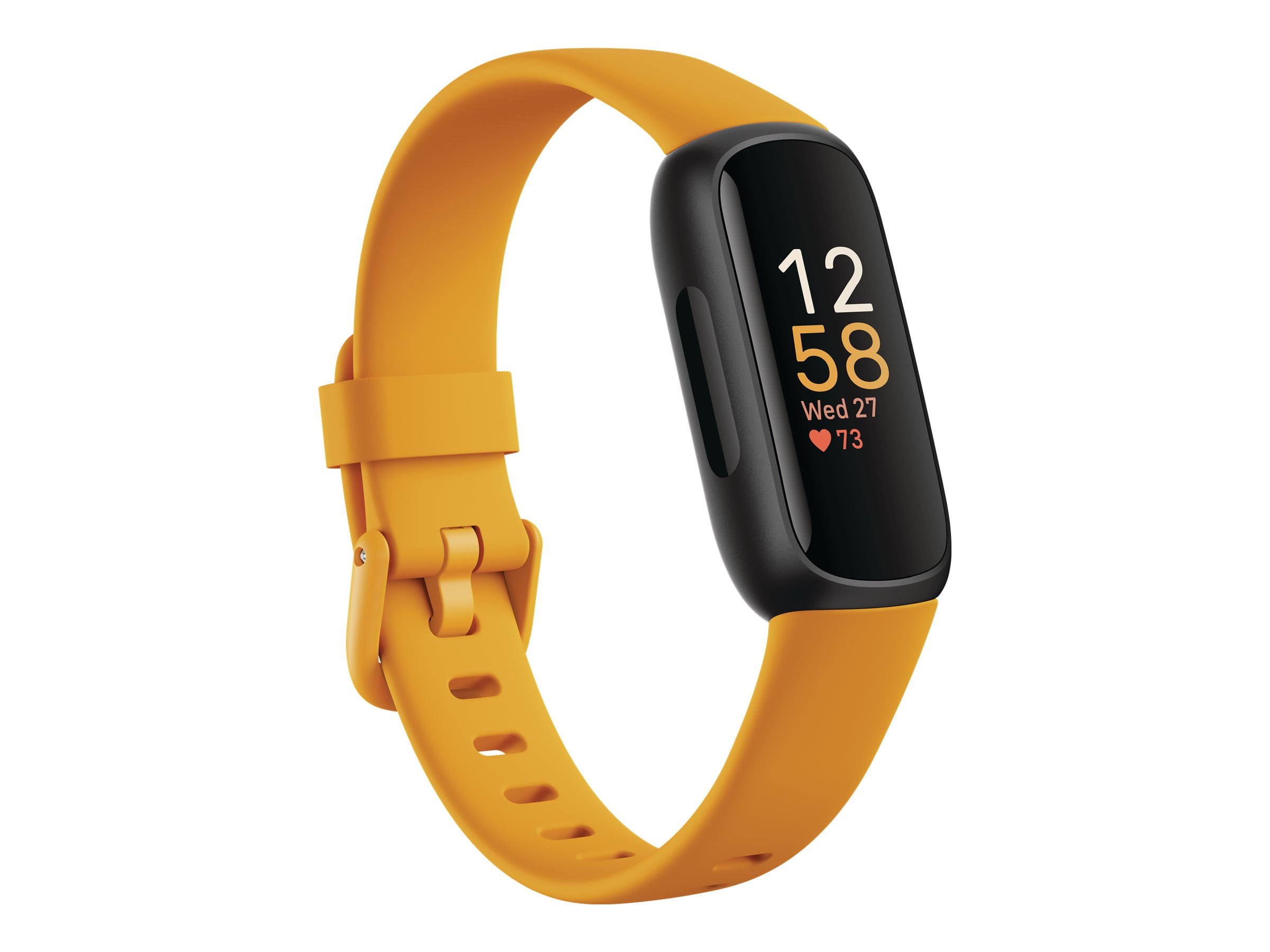
When comparing with alternatives, the Fitbit Charge 6 (around $159) offers many of the same metrics like HRV and sleep tracking, with a screen and no subscription. The Garmin Forerunner series is more accurate for outdoor workouts and has GPS. On the other hand, the Whoop excels at recovery analytics and continuous wear, and it doesn't require a screen, which some users prefer for distraction-free feedback.
Long-term ownership: the hardware is durable, but the subscription will cost you around $240-$360 per year. After two years, the total cost exceeds $700, which is more than a high-end Garmin. So, the value proposition heavily depends on how much you use the insights. If you find the data helps prevent injury or improve performance, the cost is justifiable.
Market context: the fitness tracker market is crowded, but Whoop has carved out a niche with its recovery-focused subscription model. Competitors include Oura Ring (similar), Fitbit, Garmin, and Apple Watch with its metrics. The 4.0 is a few years old now, so you may find discounts on accessories, but the membership pricing remains. Some users have reported resale value for the band itself is low, so it's not a good investment if you plan to stop the subscription.