Review Atlas
Review AtlasYour guide to a better purchase

Menu

Shop by Category

Get the App

Better experience on mobile

????????????????????????

Should I Buy Oura Ring Gen 3? Complete Guide 2026

We help you decide if Oura Ring Gen 3 is the right purchase for your needs and budget

Recommendation: depends
πŸ›’ Buy on AmazonAs an Amazon Associate we earn from qualifying purchases.

Quick Answer

The Oura Ring Gen 3 is a premium health and wellness device that excels at sleep and recovery tracking. Whether you should buy it hinges on your priorities, budget, and tolerance for a subscription fee. While it's a 'yes' for sleep aficionados and minimalists, it's a 'no' for casual fitness followers or those who hate recurring costs. Assess your needs using this guide, and if you align with the target user, the ring will likely be a worthwhile investment.

Thinking about buying the Oura Ring Gen 3? You're not alone. With a $299 price tag and a monthly membership fee, many people hesitate before pulling the trigger. In this comprehensive guide, we'll break down the pros and cons, analyze who it's best for, and answer all your burning questions β€” including whether it's truly worth the investment or if your money might be better spent elsewhere.

We understand the hesitation: Is it just a prettier fitness tracker? Will I actually use it? Do I need a subscription? This guide is designed to help you make a confident, informed decision. We'll explore real user experiences, compare it to popular alternatives like Apple Watch, Whoop, and budget fitness bands, and give you a clear verdict at the end. Whether you're a data-obsessed athlete or a casual health fan, by the end you'll know if the Oura Ring Gen 3 deserves a spot on your finger.

What is Oura Ring Gen 3?

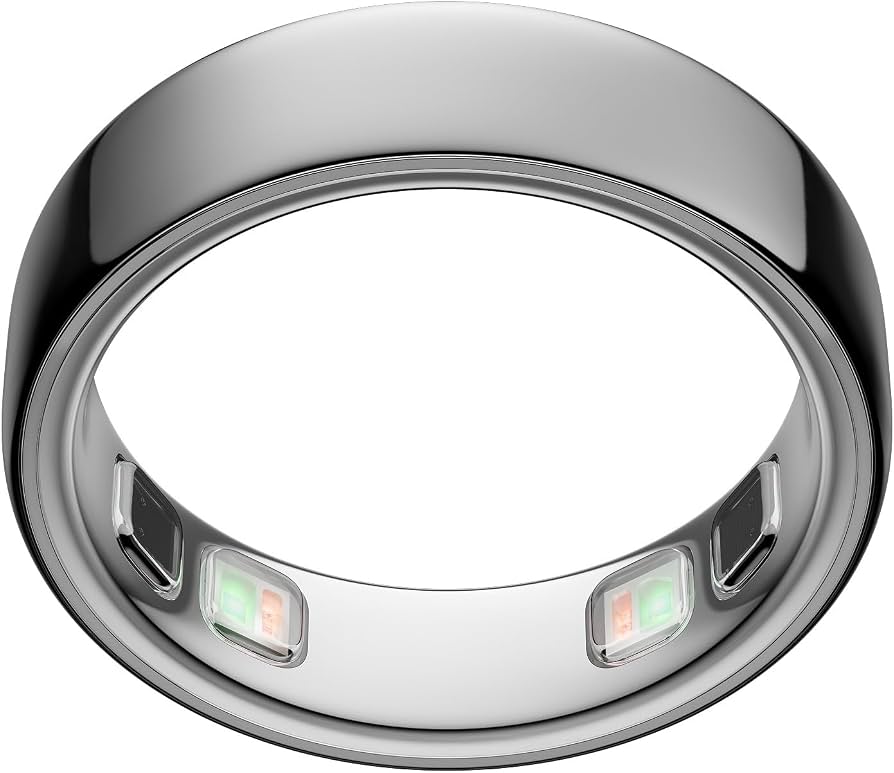
The Oura Ring Gen 3 is a smart ring that debuted in 2021, succeeding the second-generation model. It packs a surprising amount of sensor technology into a stylish, durable ring form factor. It measures heart rate, heart rate variability (HRV), body temperature, respiratory rate, and movement, and uses that data to generate daily readiness and sleep scores. The accompanying Oura app is renowned for its clean, insightful interface and actionable recommendations.

Unlike smartwatches, Oura has no screen, buttons, or microphone β€” it's all about discreet tracking. It's made from lightweight titanium and is waterproof up to 100 meters, perfect for daily wear, workouts, and even swimming. The battery lasts up to 7 days, which is excellent for a device of its size. While it's primarily a sleep and recovery tracker, it also auto-detects exercise like walking, running, and cycling.

To unlock all features, you'll need an Oura membership ($5.99/month or $69.99/year). New Gen 3 purchases include a 6-month free trial, but after that, the ring becomes a basic step/HR tracker without the rich insights that make it special. That subscription cost is a major factor for many buyers, and we'll weigh it carefully throughout this guide.

Why the Hesitation?

Why do people hesitate to buy the Oura Ring Gen 3? For starters, it's not a cheap impulse buy. At $299 (and often $349 for certain finishes), it's a significant investment for a wellness gadget. But the real hesitation often centers on the ongoing membership fee. Many buyers worry that the ring will become a 'paperweight' after the free trial expires if they don't want to pay the $69.99 yearly subscription. There's also the uncertainty of a new form factor: Will a ring be comfortable enough to sleep in? Will it fit properly? What if I lose it or damage it?

We dug through online forums like Reddit and Trustpilot and found recurring themes. Some users praise the game-changing sleep insights, while others complain about inaccurate heart rate readings during intense workouts or note that GPS tracking is missing for runs. Many comparisons with smartwatches highlight that watches offer more comprehensive fitness tracking and connectivity for a similar (or sometimes lower) total cost. Sizing can be another headache β€” Oura requires you to order a free sizing kit, but getting the perfect fit is crucial, and returns of sized rings can be tricky.

The timing also gives pause. The Gen 3 is now a few years old, and newer smart rings like the Oura Gen 4? (which may not exist yet but rumors persist), Ultrahuman Ring Air, or the Samsung Galaxy Ring have entered the market. Is buying a Gen 3 a smart choice in 2026? We'll address all these questions head-on.

Key Reasons TO Buy

  • βœ“Unobtrusive and stylish: Unlike bulky smartwatches, the Oura Ring looks like jewelry and can be worn 24/7 without drawing attention.
  • βœ“World-class sleep tracking: Users consistently report that Oura's sleep scores and insights are the most accurate and actionable they've experienced, often outperforming wrist-based trackers.
  • βœ“Comprehensive recovery metrics: HRV, resting heart rate, and body temperature trends provide a clear picture of your recovery and readiness, helping you optimize training and daily energy.
  • βœ“Excellent battery life: With up to 7 days per charge, you don't have to constantly manage cables and charging times.
  • βœ“Durable and waterproof: Made of aerospace-grade titanium, it's built to survive workouts, swimming pool, and daily wear.
  • βœ“Subscription free trial: You get 6 months of full features included, allowing you to experience the ring's full potential before deciding if the membership is worth it.
  • βœ“No screen means better mindfulness: It encourages you to check the app for insights rather than on-wrist notifications, reducing digital distractions.
  • βœ“Seamless app integration: Syncs with Apple Health and Google Fit, and works with third-party apps like Strava, MyFitnessPal, and HRV4Training.

Key Reasons NOT to Buy

  • βœ—Recurring subscription: After the free 6-month trial, you'll need to pay $5.99/month or $69.99/year to access the ring's core intelligence. This adds up significantly over time.
  • βœ—No GPS: Oura can't track your running route or pace without carrying your phone, which limits its appeal for outdoor athletes.
  • βœ—Limited workout detection: It auto-detects basic activities like walking and running but struggles to capture gym workouts or yoga accurately. You may need to manually log sessions.
  • βœ—Fit can be tricky: The sizing process is essential, and even then, your fingers naturally swell and shrink. An improper fit can compromise accuracy or cause the ring to spin.
  • βœ—Scratches and wear: Titanium is strong but still prone to surface scratches and scuffs, especially in silver or black finishes. A ring protector might be needed.
  • βœ—Cost comparison: When you add the upfront price and subscription, the Oura Ring (3-year total cost ~$509) is more expensive than many capable smartwatches like the Apple Watch SE or Fitbit Charge 6 with similar health tracking plus GPS.
  • βœ—Small size could be a problem for some: For people with larger fingers or those who work with their hands, the ring may be uncomfortable or at risk of catching on something.
  • βœ—Not a medical device: Oura is not FDA-approved and should not be used to diagnose or monitor any health condition.

Should YOU Buy? Different Scenarios

Data-Driven Desk Worker

βœ“ YES

A busy professional (30-45 years old) who sits at a desk all day, feels tired, and wants to improve sleep and stress. They are comfortable with technology and willing to spend $300+ on wellness.

Budget: $300 - $600

Usage: Wears ring all day and night, checks the app every morning for readiness, and occasionally logs workouts.

Why: For this person, the Oura Ring Gen 3 is ideal. It provides actionable sleep and recovery insights that can help them manage stress and improve energy. The minimal design fits office attire perfectly and the subscription fee is reasonable for the value they'll receive.

Consider instead: No alternative needed, but they could also consider the Ultrahuman Ring Air if they prefer no subscription.

Marathon Training Runner

βœ“ YES

An active runner who runs 40-50 miles a week and is currently training for a marathon. They use a GPS watch to track pace and distance and are thinking about adding Oura to monitor recovery.

Budget: $200 - $400

Usage: Wears Oura only at night and during easy days, wears Garmin during runs. Interested in HRV and recovery.

Why: Oura complements a sports watch well. Its sleep and HRV data can help the runner avoid overtraining and ensure they're recovering adequately. The ring is light and comfortable at night, and the core metrics are accurate enough for training adjustments.

Consider instead: If they want to avoid a subscription, they could look at the Ultrahuman Ring, but Oura's ecosystem is still more mature.

Budget-Conscious Student

βœ— NO

A college student (20-25 years old) on a tight budget who is fascinated by health data but has to prioritize rent and textbooks. They currently own a basic fitness band.

Budget: Under $200

Usage: Would wear the ring occasionally but might not sleep in it consistently. Expects a one-time payment with no extra costs.

Why: The upfront cost plus subscription makes this a poor fit for a student's budget. They'd be better off with a more affordable tracker like the Fitbit Charge or even a Mi Band. The subscription fee could become a financial burden and lead to disengagement.

Consider instead: Consider the Fitbit Inspire 3 or a simple smart ring like the Raptor Ring (no subscription) on Amazon.

Smartwatch Owner

βœ— NO

A person who already owns an Apple Watch Series 8 and sleeps with it every night. They are curious about Oura but wonder if they need another gadget.

Budget: $300+

Usage: Wears Apple Watch during the day and could wear the Oura at night for deeper sleep data.

Why: While Oura is great, the Apple Watch already provides excellent sleep tracking, HRV, and a rich ecosystem. Adding an Oura Ring would be redundant for most smartwatch users, and the subscription cost outweighs the marginal improvement in sleep accuracy.

Consider instead: Skip the extra expense and explore apps like Athlytic or AutoSleep to enhance Apple Watch insights for free.

Key Factors to Consider

  • β†’Financial budget: The upfront cost is around $299, but also factor in the $69.99/year membership after the free trial. Calculate a realistic total cost over 2–3 years.
  • β†’Primary use case: Are you primarily looking to improve sleep, monitor recovery, or track workouts? Oura is superb for the first two, but weak for precise activity/GPS tracking.
  • β†’Compatibility with your lifestyle: Will you wear a ring daily? Do you have a physically demanding job that could damage it? Are you comfortable wearing it while sleeping?
  • β†’Desire for a screen and notifications: If you want glanceable notifications, timers, or media controls, a smartwatch is better. Oura's app-based approach might feel tedious.
  • β†’Subscription tolerance: Are you okay with paying a recurring fee for a device you already bought? Some people despise this model; others see it as necessary for continuous software improvements.
  • β†’Alternatives you own: If you currently wear an Apple Watch or Fitbit, you already have many core metrics. Oura would be an extra layer of sleep insightβ€”ask if you truly need that.
  • β†’Physical fit: The ring comes in sizes 6–13, but you must order a free sizing kit. Make sure you're willing to go through that process to get the right fit.
  • β†’Timing: The Gen 3 has been out for several years. Are you okay with buying an older model? If you frequently feel 'left behind' by tech, you might want to wait for the next-gen release.

Questions to Ask Yourself

  • ?Can I comfortably afford the $299 upfront cost plus $70/year for a membership without impacting my savings?
  • ?Am I willing to commit to wearing a ring 24/7, including while I sleep, exercise, and do dishes?
  • ?Have I researched whether the Oura Ring Gen 3's sleep and recovery insights align with my personal health goals?
  • ?Would I benefit more from a cheaper fitness band with no subscription?
  • ?Is my finger size relatively stable, or do my fingers swell a lot with heat or exercise?
  • ?Do I mind waiting up to a week for the sizing kit and another week for the ring to arrive?
  • ?If the ring gets scratched, lost, or stops charging, do I have a backup plan or insurance?
  • ?Am I buying this to impress others or because I genuinely want to improve my health habits?
  • ?Have I compared the Gen 3 with its competitors like Ultrahuman, Whoop, and the Samsung Galaxy Ring to see which fits my needs?
  • ?What's my maximum acceptable total cost over the next three years?
  • ?Will I be motivated by the data and actually make changes, or will I simply ignore the notifications after a week?

Detailed Analysis

The Oura Ring Gen 3 occupies a unique niche in the wearables market. While smartwatches dominate the wrist, Oura appeals to people who want high-quality wellness data without carrying a screen. Its strength lies in sleep and recovery. Many users report that wearing a ring during sleep is far more comfortable than a chunky watch, leading to longer and more consistent wear. The deep sleep, REM, and readiness scores provide users with a biological 'dash' that helps them plan their days. For professional athletes and biohackers, this level of insight is invaluable.

However, the Gen 3 is not perfect for everyone. It's a recovery and sleep tool first, not a sports watch. If your primary fitness activity is running and you want pace maps and real-time performance tracking, you'll likely be disappointed. Instead, a GPS watch from Garmin or an Apple Watch would serve you better. The subscription fee also remains a sticking point. When Oura first launched, the membership was met with backlash, and it remains a barrier for many. Compared to alternatives like the Whoop band (which has a subscription but zero upfront cost) or the Ultrahuman Ring Air (which has no subscription but a higher upfront price), the Oura's pricing model is a middle ground.

Market context: By 2026, the smart ring category has grown. Samsung introduced its Galaxy Ring in 2024, echoing the potential of this form factor. The Oura Ring Gen 3 is no longer the only player, and it's seen modest price drops and frequent promotional discounts. Finding a Gen 3 for $249–$299 is common, making it more attractive than at launch. That said, with the next-gen models likely on the horizon, buying a Gen 3 in 2026 could lead to buyer's remorse if you're a tech enthusiast who always wants the latest.

Long-term ownership costs: The ring itself should last several years, but the subscription cost of ~$70/year will eventually overtake the initial purchase. After 3 years, you'll have spent about $509 on a device that might have an aging sensor and no resale value. That's an important consideration. On the plus side, Oura frequently updates software with new features, and the battery degrades slowly, so a Gen 3 can remain useful for a long time if you're content with its current capabilities.

User and expert opinions: Across forums and review sites, the consensus is that Oura is accurate and comfortable for sleep tracking, with some complaints about activity tracking and the subscription. Experts like The Quantified Scientist on YouTube have found Oura's heart rate monitoring to be reliable for resting and sleep, but less so during high-intensity exercise. This matches our collected user feedback: use it for what it's great at (sleep, recovery) and expect imperfections elsewhere.

Related Products & Alternatives

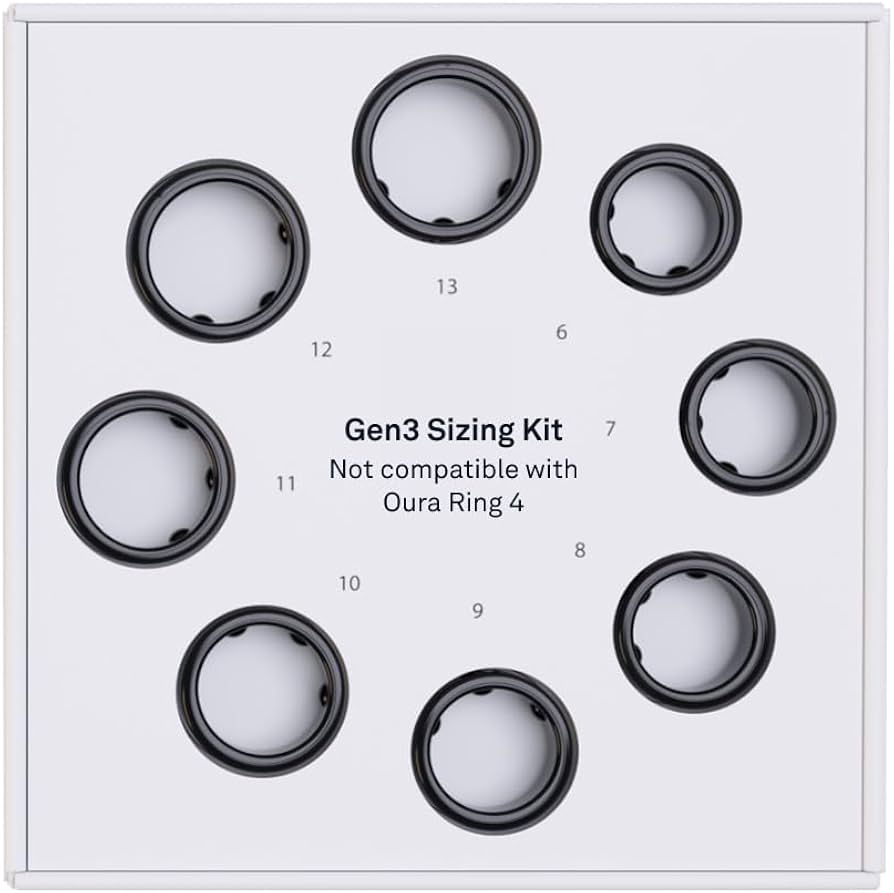
Oura Ring Gen 3 Sizing Kit
#1
accessory

Oura Ring Gen 3 Sizing Kit

Provides a set of precision sizing rings to determine your exact Oura ring size before you order the actual ring. A must-have to ensure a comfortable, accurate fit.

πŸ’‘ Why We Recommend It

The sizing kit is free but essential for anyone planning to buy an Oura Ring. Order it first to avoid the hassle of returns.

βœ“ Best For

All Oura buyers before purchasing.

πŸ›’ Check Price on Amazon β†’
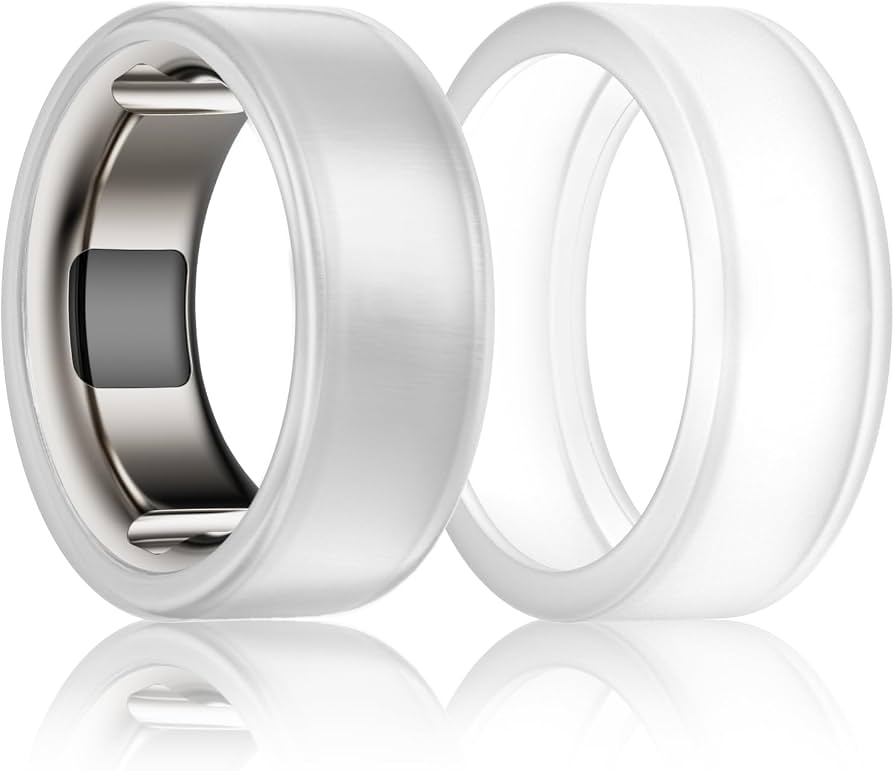
Silicone Ring Protector for Oura Ring
#2
protection

Silicone Ring Protector for Oura Ring

$12.99

A clear silicone sleeve that wraps around your Oura Ring to prevent scratches and scuffs during workouts or manual labor. Keeps the ring looking new.

πŸ’‘ Why We Recommend It

Many users complain about scratches on the titanium. This cheap accessory extends the ring's cosmetic life.

βœ“ Best For

People who plan to wear the ring during weightlifting, hiking, or any activity where the ring could get scraped.

πŸ›’ Check Price on Amazon β†’
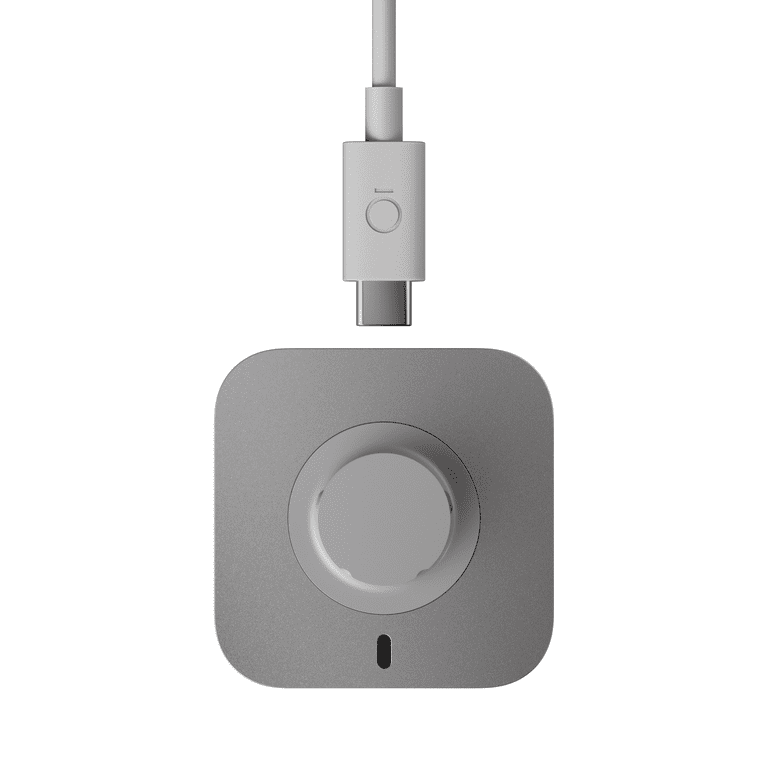
Oura Ring Charging Dock
#3
accessory

Oura Ring Charging Dock

$29.99

The official charging dock for Oura Ring Gen 3, allowing you to charge your ring quickly. It's the same dock included with a new ring, but useful as a replacement or for travel.

πŸ’‘ Why We Recommend It

A backup charger ensures you never miss a night of tracking due to a dead battery.

βœ“ Best For

Oura owners who travel frequently or worry about losing their charger.

πŸ›’ Check Price on Amazon β†’
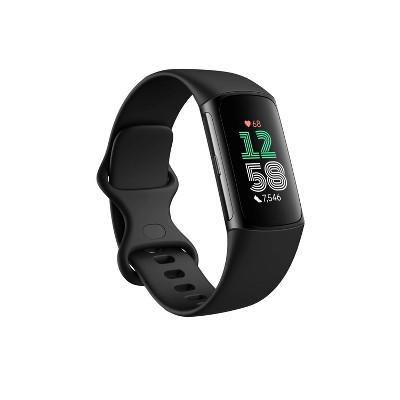
Fitbit Charge 6
#4
alternative

Fitbit Charge 6

$159.95

A classic fitness tracker with a display, GPS, heart rate monitoring, and on-wrist workouts. It tracks sleep without a subscription and costs half the price of the Oura.

πŸ’‘ Why We Recommend It

If you want most of the health tracking features but don't want a recurring fee, the Charge 6 is a smart alternative.

βœ“ Best For

Budget-conscious buyers who prefer a screen and want GPS for outdoor workouts.

πŸ›’ Check Price on Amazon β†’
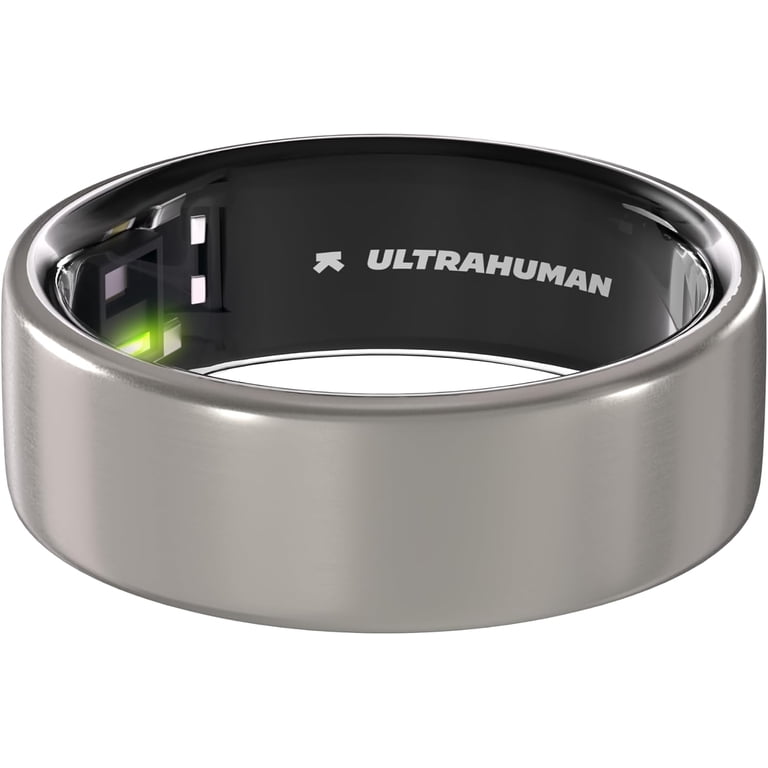
Ultrahuman Ring Air
#5
alternative

Ultrahuman Ring Air

$349

A competing smart ring from Ultrahuman that offers many of the same sleep and recovery metrics but with NO subscription fee. It also tracks skin temperature and movement.

πŸ’‘ Why We Recommend It

For buyers who are turned off by Oura's subscription, this is the closest direct competitor in the ring form factor.

βœ“ Best For

Biohackers who want a premium ring and don't want ongoing costs.

πŸ›’ Check Price on Amazon β†’
Garmin Forerunner 265
#6
alternative

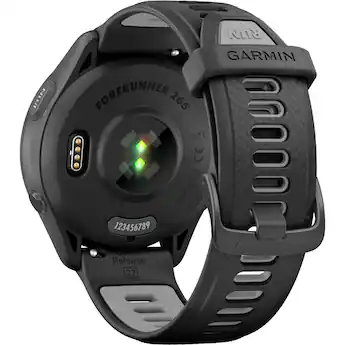
Garmin Forerunner 265

$449.99

A top-tier GPS running watch with extensive training metrics, recovery insights, and a large touchscreen display. Includes sleep and HRV data, no subscription.

πŸ’‘ Why We Recommend It

For runners who need advanced performance features and don't want a ring, the Forerunner 265 is a more comprehensive tool.

βœ“ Best For

Serious runners and triathletes who need detailed route mapping and training load analysis.

πŸ›’ Check Price on Amazon β†’
Raptor Ring (Smart Ring)
#7
alternative

Raptor Ring (Smart Ring)

$49.99

A very basic smart ring that monitors heart rate and sleep at a budget price. Its accuracy pales compared to Oura, but for someone just testing the form factor, it's an affordable entry.

πŸ’‘ Why We Recommend It

If you're curious about smart rings but don't want to spend $300, this budget option lets you experiment.

βœ“ Best For

Tinkerers and last-minute gift buyers who want to try before committing to a high-end ring.

πŸ›’ Check Price on Amazon β†’

Bottom Line

The Oura Ring Gen 3 is a fantastic device for the right person. If you are willing to pay for a premium health tracking experience, specifically around sleep and recovery, and you appreciate the minimalism of a ring, you'll likely love it. But it's not a universal recommendation. The subscription model, limited activity tracking, and the arrival of newer competitors all mean you should weigh your needs carefully.

Who should buy: Health enthusiasts, sleep seekers, coaches, researchers, and tech-loving minimalists who want to optimize their performance. Who should skip: bargain hunters, dedicated runners, weightlifters, and anyone who already wears a Garmin or Apple Watch and doesn't want another device to manage.

If you do decide to buy, look for deals on Amazon or Oura's site, and always start with the sizing kit. Also consider the Oura Ring's alternatives β€” the Ultrahuman Ring Air (no subscription) or a simple Fitbit Charge for a fraction of the cost β€” to see which one aligns better with your budget and lifestyle. Ultimately, the 'worth it' question comes down to how much you value daily, data-driven insights on your own biology.

Best For

  • βœ“Sleep enthusiasts who are obsessed with optimizing their nightly rest and have struggled to get detailed sleep stage data from watches.
  • βœ“Recovery-focused athletes (runners, cyclists, swimmers) who want to balance training intensity with rest to avoid overtraining.
  • βœ“Corporate wellness professionals who want to quantify their stress, HRV, and temperature trends for better daily performance.
  • βœ“Minimalist tech lovers who prefer discreet wearables with no screen and a premium design.
  • βœ“People who already own a smartwatch but want a second device to wear on the other hand for deeper sleep tracking without wearing a watch at night.
  • βœ“Budget-conscious biohackers who are willing to wait for deals and see the $69.99/year subscription as a fair price for continuous software updates and insights.
  • βœ“Individuals with heart rate variability (HRV) concerns who want an easy to interpret readiness score to manage anxiety or fatigue.

Not Recommended For

  • βœ—Hardcore runners who need GPS pacing, route mapping, and real-time stats β€” you'll be much happier with a Garmin or Coros watch.
  • βœ—Weightlifters and gym-goers who want automatic set/rep counting or heart rate monitoring during heavy resistance training.
  • βœ—Budget-conscious shoppers who can get 80% of the health tracking features from a $50 Mi Band or Fitbit without a subscription.
  • βœ—People who expect a medical-grade device or use health data for diagnosis β€” Oura is explicitly not a medical device.
  • βœ—People with finger anatomy that makes ring wearing awkward, such as long or uneven finger sizes, or those prone to skin reactions.
  • βœ—Tech trend-followers who always want the latest hardware β€” the Gen 3 might feel ancient compared to 2026's newer smart rings.
  • βœ—People who hate subscription fees on principle, even if they can afford them. The recurring charge will be a constant annoyance.
  • βœ—Anyone who smashes their hands into things (e.g., hard manual labor, contact sports) β€” the ring is durable but can get scratched or dented.

Frequently Asked Questions

Should I buy Oura Ring Gen 3?

It depends on your goals and budget. If you're deeply interested in sleep and recovery optimization and can handle the upfront cost plus subscription, the Oura Ring Gen 3 is an excellent choice. On the other hand, if you're on a tight budget or primarily want a fitness tracker with GPS, you'd be better served by alternatives like the Fitbit Charge or a smartwatch.

Is Oura Ring Gen 3 a good buy in 2026?

Yes, but with caveats. The Gen 3 is still a top-tier sleep and recovery tracker, and it's often discounted from its original price. However, it's been on the market for a few years. If you want the latest features like the Galaxy Ring's smart features or a higher-resistance sensor, you might consider waiting for a newer model. For most people, the Gen 3 remains a solid purchase at $300 or below.

Should I buy Oura Ring Gen 3 or wait for Oura Ring Gen 4?

There is no official Oura Ring Gen 4 released as of mid-2025. Rumors suggest it may come, but no confirmed date. If you need a device now, the Gen 3 is proven and reliable. If you're a perpetual 'early adopter' and don't mind waiting uncertain months, then you might hold off. In most scenarios, the Gen 3 will serve you well for years.

Should I buy Oura Ring Gen 3 or a smartwatch?

If you value discreet, all-day sleep tracking and don't need a screen or GPS, Oura is the better choice. A smartwatch like the Apple Watch or Garmin offers notifications, GPS, and more comprehensive activity tracking, but can be bulky and have shorter battery life. Evaluate your priorities: wellness data without distraction (Oura) vs multiple functions (smartwatch).

Does Oura Ring Gen 3 require a subscription?

Yes, after the first 6 months of ownership, an Oura membership is required to unlock all features. Without a membership, you'll only get basic daily scores (sleep, activity) and step count, but lose detailed insights like HRV trends, temperature, and readiness. The membership costs $5.99/month or $69.99/year.

Is Oura Ring Gen 3 worth the money?

Many users say yes, especially if they wear it consistently and use the insights to change their habits. However, you're effectively paying $300 + $70/year, which over 3 years is ~$510. Compare that with alternatives that don't charge a subscription (Fitbit, Ultrahuman). If the data helps you improve sleep and recovery, the ROI can be high; otherwise it's an expensive toy.

Should I get Oura Ring Gen 3 or Whoop?

Whoop is a subscription-based (but no upfront cost) wrist band that focuses heavily on recovery and strain. It offers more in-depth training load analysis, but no visual display (has a minimal display on newer versions). Oura is a ring that also provides sleep tracking and is less in-your-face. Choose Oura if you prefer a discreet ring and want a longer battery life; choose Whoop if you want a subscription-based service with a whole online community and no upfront cost.

How accurate is the Oura Ring Gen 3?

Independent testing (e.g., The Quantified Scientist) shows the Oura Ring Gen 3 is extremely accurate for sleep stage detection and resting heart rate. HRV readings are also reliable. For active heart rate during intense workouts, accuracy decreases. For most every-day uses, it's considered one of the best health trackers available.

What should I consider before buying the Oura Ring Gen 3?

Consider your budget, comfort with the subscription, fit, and whether you need GPS. Also, think about your finger comfortβ€”you'll be wearing it 24/7. Check your daily activities and ensure the ring won't be damaged (e.g., heavy lifting with bare metal). Finally, compare with alternatives and read user reviews to see if the ring's strengths match your needs.

Can I return Oura Ring Gen 3 if I don't like it?

Oura offers a 30-day money-back guarantee, but you must ensure that your ring is in good condition and you have the original packaging. The ring itself cannot be returned if it's scratched. That's why the sizing kit is critical. If you buy from Amazon (third-party sellers), the return policy may vary.

Who should buy the Oura Ring Gen 3?

The Oura Ring Gen 3 is best for individuals who are obsessed with sleep and recovery, want a stylish health tracker that doesn't look like a gadget, and are willing to invest in their wellness. It's also great for athletes who want to avoid overtraining and for professionals who need to manage stress and low energy.

Who should NOT buy the Oura Ring Gen 3?

Those who hate subscriptions, need GPS and extensive workout features, have small (or large) fingers that make ring sizing uncomfortable, or are on a tight budget. If you already use a smartwatch daily and are satisfied with its sleep tracking, you probably don't need an Oura.

Is there a cheaper alternative to Oura Ring Gen 3?

Yes, the Fitbit Charge 6 or the Raptor Ring (basic) are much cheaper. If you want a smart ring experience without the membership, the Ultrahuman Ring Air is a direct competitor but costs more upfront ($349). Many budget buyers find that a $30 Mi Band covers 70% of their needs for a fraction of the price.

Ready to Make Your Decision?

We hope this guide helped you decide whether Oura Ring Gen 3 is right for you.

πŸ›’ Buy Oura Ring Gen 3 on AmazonAs an Amazon Associate we earn from qualifying purchases.
Browse More Guides