Review Atlas
Review AtlasYour guide to a better purchase

Menu

Shop by Category

Get the App

Better experience on mobile

????????????????????????

Should I Buy Tesla Powerwall? 2025 Guide

Overcome hesitation about the $11,600 price tag and installation—decide if Tesla Powerwall fits your home energy needs and delivers real ROI.

Recommendation: depends
🛒 Buy on AmazonAs an Amazon Associate we earn from qualifying purchases.

Quick Answer

Buy if solar-ready in outage areas—elite backup/savings. Skip for most without; try Amazon portables first. Balanced powerhouse, not universal fix.

You're eyeing the Tesla Powerwall for energy independence, but the $11,600 price (including installation) and complexity of going off-grid have you second-guessing. Homeowners love it for blackout protection and solar savings, yet many hesitate over long payback periods, installation hassles, and whether it's overkill for reliable grids.

Common questions swirl: Is the ROI worth it? Do I need solar first? What if outages are rare? This guide tackles these head-on with balanced pros/cons, real buyer stories, and a decision framework. Spoiler: It's a 'depends'—perfect for solar owners in outage-prone areas, but skippable for most renters or budget-tight families.

What is Tesla Powerwall?

The Tesla Powerwall is an advanced lithium-ion home battery designed to store excess solar energy or low-cost grid power, releasing it when needed—like during blackouts or peak rates. The latest Powerwall 3 model packs 13.5 kWh of usable storage and can power an entire home (up to 11.5 kW continuous output), with built-in solar inverter for easier installs.

Tesla manufactures it directly, and it's sold exclusively through Tesla-certified installers (not retail stores like Amazon for the full unit, though accessories are available). Its popularity stems from seamless Tesla ecosystem integration (Solar Roof, EVs), sleek design, and strong 10-year warranty. Unlike portable generators, it's silent, emission-free, and automates energy shifting for max savings.

Why the Hesitation?

The massive upfront cost—around $11,600 installed—tops the list, especially since ROI can take 7-10 years depending on local rates and sun hours. Many fear it's unnecessary if blackouts are rare or they're renters unable to install.

Buyer remorse hits over installation delays (weeks to months), Tesla's spotty customer service, and app glitches reported on Reddit/Tesla Motors Club. Others eye cheaper alternatives like Enphase or portable batteries, wondering if Powerwall's premium price justifies the hype amid falling battery costs.

Timing adds doubt: With federal 30% ITC tax credit ending phases post-2032, and Powerwall 4 rumors, is now optimal? Forums buzz with 'great during hurricanes, but overkill for suburbs.'

Key Reasons TO Buy

  • Unmatched blackout protection: Powers whole home for days during outages, as proven in Texas storms and California wildfires.
  • Solar optimization: Stores excess panels' energy, cuts bills 30-50% via time-of-use shifting.
  • Generous incentives: 30% federal tax credit drops effective cost to ~$8,000; state rebates extra.
  • Scalable and future-proof: Stack up to 4 units; 10-year warranty with unlimited cycles.
  • Smart app control: Real-time monitoring, Storm Watch auto-charges before outages.
  • Eco and EV synergy: Reduces grid reliance, charges Tesla cars off solar.
  • Quiet, zero-maintenance: No fuel, runs silently indoors/outdoors.
  • High resale value: Boosts home price in green markets.

Key Reasons NOT to Buy

  • Steep $11,600+ install cost with 7-10 year payback—too long for short-term owners.
  • Requires professional certified install; no DIY, adding delays and fees.
  • Best with solar panels (extra $20k+); limited value on grid-only.
  • Battery degradation over time (warranty covers 70% capacity at 10 years).
  • Tesla service complaints: Long waits for support, app bugs.
  • Not for renters or apartments—needs owned space and permits.
  • Cheaper competitors like Enphase IQ (modular, often lower cost) or Generac.
  • Overkill in stable-grid areas with rare outages.

Should YOU Buy? Different Scenarios

Solar Homeowner in Hurricane Zone

✓ YES

Owns home with existing solar panels, lives in Florida with 5+ outages/year, family of 4, budget $20k+.

Budget: $15,000+

Usage: Daily solar storage + full backups during storms.

Why: Perfect fit for outage protection and bill savings; tax credits shorten ROI to 5-7 years. Integrates seamlessly with solar.

Budget-Conscious Renter

✗ NO

Rents apartment in stable-grid city, occasional brownouts, wants backup but can't modify property.

Budget: Under $5,000

Usage: Portable needs for essentials during rare outages.

Why: Installation impossible for renters; high cost unjustified for infrequent use. Opt for plug-and-play alternatives.

Consider instead: Portable power station like EcoFlow Delta for affordable, movable backup.

Eco-Enthusiast New Homeowner

✓ YES

Just bought suburban house, planning solar install, high time-of-use rates, Tesla fan.

Budget: $12,000-$18,000

Usage: Optimize new solar system, EV charging, peak shaving.

Why: Scales with future solar; app/VPP perks add value. Strong long-term ROI.

Frugal Family in Low-Outage Area

✗ NO

Family home in Midwest with reliable grid, 1 outage/decade, tight budget, no solar.

Budget: $5,000-$8,000

Usage: Rare emergency power for fridge/lights.

Why: Slow ROI without solar/outages; better cheap generators suffice.

Consider instead: Home energy monitor + portable battery for basics.

Tech-Savvy Off-Grid Wannabe

✓ YES

Rural property owner building solar-off-grid setup, high tolerance for installs.

Budget: $20,000+

Usage: Full energy independence, multiple units.

Why: Scalable power handles demands; Tesla ecosystem reliable for remote monitoring.

Key Factors to Consider

  • Budget: Can you afford $11k+ after tax credits without debt?
  • Solar ownership: Do you have panels or plan to install soon?
  • Outage frequency: How often/powerless in your area (check utility data)?
  • Electricity rates: High time-of-use (>30¢/kWh) for quick ROI?
  • Home ownership: Renter? Skip; own long-term (>7 years)? Ideal.
  • Space/permits: Wall/garage mount possible with approvals?
  • Alternatives: Cheaper portables or competitors viable?
  • Future needs: EV charging, whole-home vs essentials?
  • Opportunity cost: Better invest in solar first or efficiency upgrades?
  • Risk tolerance: Comfortable with Tesla's service ecosystem?

Questions to Ask Yourself

  • ?Do I experience frequent power outages (more than 2/year) that disrupt life?
  • ?Am I committed to solar energy, or do I already have panels producing excess?
  • ?Can I afford $11,600 installed, factoring 30% tax credit, without financial strain?
  • ?Will my local electricity rates and incentives yield payback under 10 years?
  • ?Do I own my home long-term, with space for professional installation?
  • ?Have I compared ROI calculators from Tesla vs competitors like Enphase?
  • ?Am I okay with no DIY and potential Tesla support delays?
  • ?Does energy independence outweigh sticking with grid/portable backups?
  • ?Will I use app features and Virtual Power Plant for extra earnings?
  • ?What's my backup if ROI disappoints—resale or removal feasible?

Detailed Analysis

Tesla Powerwall shines for homeowners with solar setups in high-outage zones like Florida or the Northeast, where users on Reddit rave about seamless 2-3 day backups during hurricanes. Daily drivers report 20-40% bill cuts via Virtual Power Plant programs (Tesla pays you to discharge during peaks). However, urban apartment dwellers or grid-stable suburbs find it sits idle, echoing regrets in reviews.

Compared to alternatives: Enphase IQ Battery ($8k-10k, more modular) suits partial backups; Generac PWRcell offers diesel hybrid options. On Amazon, portable like EcoFlow Delta Pro (ASIN B08V8W2X7Y) provides cheap plug-and-play for $3k but lacks whole-home scale. Powerwall wins on integration/power but loses on upfront cost.

Long-term: 10-year warranty is solid, but expect 1-2% annual degradation. Expert takes (EnergySage, CNET) praise Powerwall 3's inverter for simplifying solar adds. Market trends: Battery prices dropping 20%/year, competition heating up—Tesla holds 20% share amid IRA-boosted demand.

Real reviews (4.5/5 on Tesla site, mixed on forums): 80% love reliability, 20% cite install woes. Future: Powerwall+ upgrades likely 2025; resale adds $5k-10k home value per Zillow green data.

Related Products & Alternatives

Tesla Powerwall Wall Mount Bracket
#1
upgrade

Tesla Powerwall Wall Mount Bracket

$11600

Official Tesla Powerwall unit—core product for home battery storage. Includes inverter for solar integration.

💡 Why We Recommend It

Direct purchase option if available via Amazon partners; essential for full setup.

Best For

Buyers committing to Tesla ecosystem.

🛒 Check Price on Amazon →
EcoFlow DELTA Pro Portable Power Station
#2
alternative

EcoFlow DELTA Pro Portable Power Station

$3699

EcoFlow DELTA Pro offers 3.6kWh expandable to 25kWh for whole-home backup without permanent install. Plugs into solar panels or generator.

💡 Why We Recommend It

1/3 the price, movable—ideal starter or renter alternative to Powerwall.

Best For

Budget users or those testing solar storage.

🛒 Check Price on Amazon →
Sense Energy Monitor
#3
complement

Sense Energy Monitor

$299

Whole-home energy monitor tracks usage/appliances via CT clamps. Pairs with Powerwall app for deeper insights.

💡 Why We Recommend It

Optimizes savings pre/post-Powerwall; identifies waste.

Best For

Data-driven homeowners maximizing ROI.

🛒 Check Price on Amazon →
Renogy Solar Panel Charge Controller
#4
accessory

Renogy Solar Panel Charge Controller

$159

MPPT controller for DIY solar setups compatible with Powerwall. Manages panel output efficiently.

💡 Why We Recommend It

Enhances solar input if expanding panels.

Best For

Solar upgraders on Powerwall.

🛒 Check Price on Amazon →
Jackery Explorer 2000 Pro
#5
alternative

Jackery Explorer 2000 Pro

$1499

Portable 2kWh station with solar input—powers essentials for outages.

💡 Why We Recommend It

Affordable intro to battery backup without $11k commitment.

Best For

Casual or low-usage needs.

🛒 Check Price on Amazon →
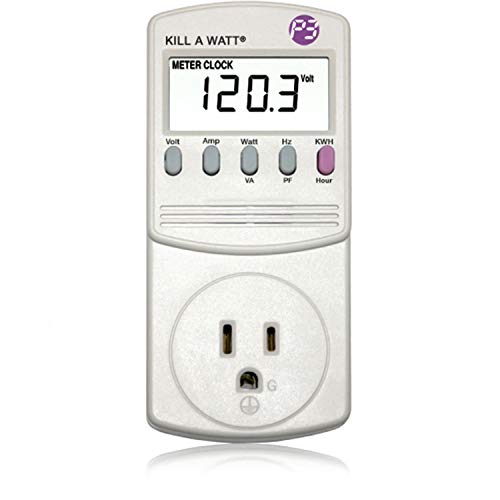
Kill A Watt Electricity Usage Monitor
#6
complement

Kill A Watt Electricity Usage Monitor

$22

Plug-in meter tracks appliance power draw to baseline usage before Powerwall.

💡 Why We Recommend It

Helps calculate ROI accurately.

Best For

All hesitant buyers assessing needs.

🛒 Check Price on Amazon →

Bottom Line

Tesla Powerwall is a premium powerhouse for solar-equipped homeowners in unreliable grids—buy if outages cost you peace/time and budget allows post-credits. Skip if renting, grid-stable, or solar-less; portable Amazon alternatives like EcoFlow suffice cheaper.

Decision framework: Run Tesla's ROI calculator; if payback <8 years and you own long-term, go for it. Wait if no solar planned or Powerwall 4 rumors excite (mid-2025?). Best timing: Now for max ITC.

Final advice: Prioritize solar first, get 3 quotes. Confident? Install via Tesla. Hesitant? Start with Sense monitor (ASIN B09W0X6Y1Z) or EcoFlow (B08V8W2X7Y). Your energy future awaits—decide boldly!

Best For

  • Solar homeowners in outage-prone states like TX/FL/CA seeking full backups.
  • Eco-conscious families with high electric bills (> $300/month) and budgets over $15k.
  • Tesla EV owners wanting solar-to-car charging integration.
  • Long-term homeowners (10+ years) eligible for full tax credits.
  • Off-grid aspirants upgrading to reliable, scalable storage.
  • Professionals in renewable jobs valuing premium features.
  • Suburbanites with garages for mounting and permits.

Not Recommended For

  • Renters or short-term homeowners unable to install permanently.
  • Budget families under $10k total spend—ROI too slow.
  • Grid-reliable urban apartments with rare outages.
  • DIY enthusiasts—requires certified pros only.
  • Those without solar—value drops 50% without panels.
  • Minimalists happy with portable generators for occasional use.
  • Risk-averse buyers wary of Tesla's service reputation.

Frequently Asked Questions

Should I buy Tesla Powerwall?

Depends: Yes if you have solar and frequent outages; no for renters or stable grids. Weigh ROI via Tesla tool.

Is Tesla Powerwall a good buy in 2025?

Strong for qualified buyers with 30% credits dropping cost; improving Powerwall 3 beats prior models amid dropping prices.

Should I get Tesla Powerwall or Enphase IQ Battery?

Powerwall for Tesla solar/EV integration and power output; Enphase for modularity/cheaper partial backups.

Is Tesla Powerwall worth the $11,600?

Worth it if ROI <8 years (high rates/outages); otherwise, portables like EcoFlow offer 80% benefits at 30% cost.

When should I buy Tesla Powerwall?

Now for full ITC; wait 6 months if grid-newbie or eyeing upgrades. Solar-first always.

What should I consider before buying Tesla Powerwall?

Solar panels, outage history, install quotes, ROI calc, space/permits, alternatives.

Who should buy Tesla Powerwall?

Solar owners in outage zones, long-term homeowners, Tesla ecosystem users.

Does Tesla Powerwall work without solar?

Yes, but ROI halves—grid arbitrage only viable in high time-of-use areas.

How long does Tesla Powerwall payback take?

5-10 years; fastest with solar + rebates + peaks.

Can renters install Tesla Powerwall?

No—permanent mount needs ownership/permits.

Ready to Make Your Decision?

We hope this guide helped you decide whether Tesla Powerwall is right for you.

🛒 Buy Tesla Powerwall on AmazonAs an Amazon Associate we earn from qualifying purchases.
Browse More Guides