The Cybertruck is not just a truck; it's a statement. For early adopters and Tesla enthusiasts, it represents the pinnacle of EV innovation. The stainless steel body is incredibly resistant to dents and corrosion, and the air suspension provides both comfort and off‑road capability. The tri‑motor version's 0–60 mph time of 2.9 seconds is supercar territory—useful for merging but also showy. The built‑in power outlets (110V and 240V) make it a mobile generator for job sites or camping.
However, for traditional truck buyers, the Cybertruck may fall short. The bed is about 6 feet long (shorter than many competitors' 8‑foot beds), and the tailgate lacks a traditional drop step. Towing a 14,000‑lb trailer will drastically cut range—probably to under 150 miles. The interior, while minimalist and spacious, uses a single tablet for all controls, which some find distracting.
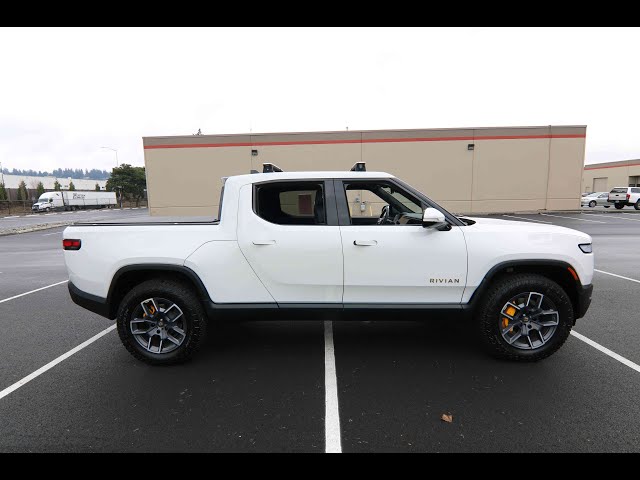
Compared to alternatives: The Ford F‑150 Lightning starts around $55,000, offers proven truck utility, and has a more conventional design. The Rivian R1T is similarly priced, highly capable off‑road, and has a gear tunnel for storage. Both are more conventional and currently available. On the luxury side, the GMC Hummer EV is bigger and more expensive but also more practical as a truck. For those who just want an electric truck, the Chevy Silverado EV (available later) will offer a traditional form factor.
Long‑term ownership: Tesla's OTA updates can improve the vehicle over time, but repairs could be expensive due to the unique body panels and limited body shops. Insurance costs are likely high. The Cybertruck's durability may mean less bodywork from minor accidents, but major collisions could total the vehicle. Resale value is wildcard, but Tesla's strong brand loyalty could support it.
User reviews from early owners praise the truck's handling, acceleration, and utility, but cite range loss with heavy loads and limited visibility. Expert opinions from automotive journalists are mixed—many admire the innovation but question the practicality.