Tempo Studio Smart Home Gym
The Tempo Studio itself, available on Amazon for direct purchase. Includes screen, weights, and rack for full setup.
💡 Why We Recommend It
Core product for those deciding yes.
✓ Best For
Committed home lifters
Get the App
Better experience on mobile
We tackle the high cost, space needs, and commitment fears to help you decide if this AI home gym is right for your fitness routine.
Tempo Studio excels for committed home strength trainers but overkill for most. Weigh your space, budget, and habits—if aligned, buy confidently. Otherwise, Amazon alternatives like adjustable dumbbells offer better entry.
You're eyeing Tempo Studio because you want a premium home gym that delivers personalized strength training without leaving your house—but that $2,445 price tag (plus ongoing subscription) has you second-guessing. Is it a game-changer for your fitness goals, or an overpriced gadget collecting dust? Common worries include the massive upfront cost, space requirements, and whether you'll actually use it enough to justify skipping cheaper alternatives like free weights or other smart gyms.
This guide dives deep into real buyer hesitations, pros/cons, and scenarios to help you self-assess. We'll cover who thrives with Tempo, who should skip it, and smart Amazon alternatives. Spoiler: Our verdict is 'depends'—perfect for committed lifters, but not for casual users.
Tempo Studio, created by former Peloton executives, is a compact yet powerful home strength training system. At its core is a 42-inch interactive touchscreen that uses AI cameras for 3D motion tracking, providing instant feedback on form, reps, and weight recommendations during workouts. It comes with a weight rack holding 10 pairs of steel plates (4-25 lbs each) that light up to show exactly what to grab, plus accessories like a barbell, squat rack attachments, and multi-grip handles—no loose plates to fumble.
Workouts are led via the Tempo app with on-demand and live classes focusing on strength, HIIT, and mobility, tailored to your level. It's sold directly from Tempo's website (with financing options) or select retailers like Amazon, and requires a $39/month membership for full access. What sets it apart from mirrors like Mirror or Tonal is its hyper-focus on weights and form precision, making it feel like a personal trainer in your living room.
Popularity stems from post-pandemic home fitness trends; users rave about saving gym fees ($50-100/month) and convenience, with high ratings (4.5+ stars) for engagement.
The #1 hesitation is the steep $2,445 price—many balk at dropping that on 'just a mirror and weights' when basic dumbbells cost under $200. Forums like Reddit's r/homegym highlight fears of buyer's remorse, especially if motivation wanes, turning it into an expensive coat rack.
Space is another biggie: It needs a 7x7 ft area with 8ft ceilings, deterring apartment dwellers. Subscription lock-in ($468/year) feels like a Peloton trap, and some worry about tech glitches or AI inaccuracies from reviews on Trustpilot. Timing matters too—'Should I wait for sales or Black Friday discounts?'
Buyers often compare to alternatives like Tonal ($3,995+), Bowflex, or DIY setups, questioning if Tempo's AI justifies the premium over 'dumb' iron. Real concerns from Amazon Q&A and Facebook groups include family use (kid safety), delivery hassles (550 lbs crated), and resale value if life changes.
35-year-old office worker with home office, trains 5x/week, hates gym commute.
Budget: $2,000-$4,000
Usage: Daily strength sessions post-work.
Why: Tempo's convenience and AI coaching fit perfectly for consistent use, saving time and gym fees. High engagement ensures value.
25-year-old renter in 800 sq ft space, occasional workouts 2x/week.
Budget: Under $500
Usage: Sporadic bodyweight + light lifts.
Why: Space and cost barriers too high; better with compact, cheap gear that stores easily.
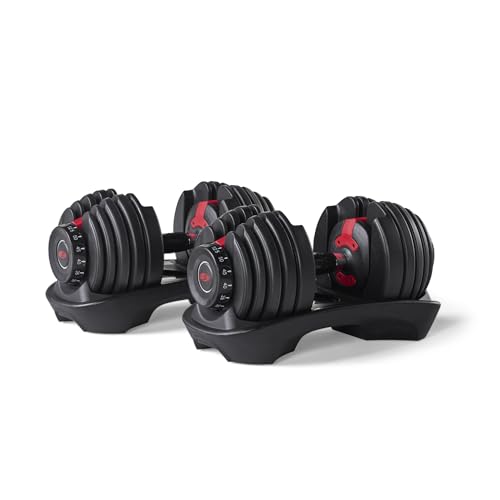
Consider instead: Bowflex SelectTech Dumbbells for adjustable weights without rack.
40-year-old with basic dumbbells, wants progression and feedback.
Budget: $2,500+
Usage: 4-6x/week heavy lifting.
Why: AI upgrades training quality over DIY; users see big gains.
Student new to fitness, unsure of routine.
Budget: $200-500
Usage: 1-2x/week trial.
Why: Overwhelming and expensive for low commitment; start simple to build habits.
Consider instead: Resistance bands and mat set for basics.
Parents wanting group fitness, have garage space.
Budget: $3,000
Usage: Shared family workouts 3x/week.
Why: Multi-profiles and safety features make it family-ready.
Tempo Studio shines for serious strength trainees who value tech integration—who already lift regularly and want data-driven feedback. Real users on Reddit and YouTube (e.g., 6-month reviews) report sticking to routines better thanks to gamified classes and progress tracking, with many canceling gym memberships. However, casual users often underuse it, per BBB complaints.
Vs. alternatives: Tonal ($3,995, cable-based) offers more exercises but higher cost; Peloton Guide ($295 + bike) is cheaper but less weight-focused. Amazon's Bowflex PR1000 (ASIN B08L5M6N7P, ~$700) provides similar home gym without AI/sub. Free weights + app (e.g., Strong) cost <$300 but lack guidance.
Long-term: Excellent build quality, but subscription hikes could annoy. Resale ~50-70% on Facebook Marketplace. Expert takes (CNET, 4/5 stars) praise innovation amid smart gym boom (market $20B+ by 2025). Future: Tempo promises updates; watch for v2 or bundles.
Market: Home fitness surged post-COVID, but economic pressures favor affordable options. If you're consistent, ROI in 2-3 years via gym savings.

The Tempo Studio itself, available on Amazon for direct purchase. Includes screen, weights, and rack for full setup.
Core product for those deciding yes.
Committed home lifters

Pair of adjustable dumbbells from 5-52.5 lbs each—space-saving alternative to Tempo's rack. Great for beginners or budget setups.
Cheaper entry to home strength without subscription.
Budget users

Full set with handles, anchors, and doors—versatile for full-body without heavy gear. Portable and under $30.
Ultra-affordable starter kit.
Apartment dwellers

Thick interlocking foam mats for floor protection under Tempo. EVA foam absorbs drops.
Essential for weight safety.
Tempo owners

Dimmable bulbs for optimal AI lighting. Improves form tracking accuracy.
Fixes common lighting complaints.
Tech setups

Tracks HR and workouts to sync with Tempo app. Enhances data insights.
Boosts overall tracking.
Data-driven users

Full-body cable machine without AI. Proven durability.
Mid-range non-smart option.
No-subscription fans
Tempo Studio is a premium investment for dedicated strength trainers with space and budget—expect life-changing convenience if you train consistently. Skip if casual, tight on cash, or space-limited; better alternatives like Bowflex dumbbells deliver 80% value at 20% cost.
Buy now if motivated and financing available (0% APR options); wait for Q4 sales (up to $500 off). Start with questions above for clarity. If yes, grab on Amazon (ASIN B0C6P7Q8R9) with Prime delivery; pair with mats/lights. Your confident decision awaits!
Depends: Yes if you're a serious lifter with space/budget; no for casuals—opt for Bowflex instead.
Strong for strength-focused homes amid smart gym trends, but high cost demands commitment.
Tempo for weights/form (cheaper); Tonal for cables/variety—test both demos.
Worth it if using 4x/week (ROI in 2 years); not if sporadic.
Now if ready; wait for Black Friday/November sales for discounts.
Space (7x7ft), subscription ($39/mo), usage frequency, and alternatives like ASIN B08L5M6N7P.
Busy pros/families with $2.5K+ budget and dedicated space.
Tempo for AI guidance; Bowflex (B08L5M6N7P) for budget no-frills.
Yes, $39/mo for classes—cancel anytime, but core value tied to it.
Pro install recommended ($250+); DIY possible but heavy (550 lbs).
We hope this guide helped you decide whether Tempo Studio is right for you.