

#1
main
Sony ZV-E10 Mirrorless Camera
$698
The star of the show: Body-only or kit for vlogging excellence. Includes 24MP sensor, 4K video, flip screen.
💡 Why We Recommend It
Core purchase for E-mount entry.
✓ Best For
All ZV-E10 buyers starting out.
Get the App
Better experience on mobile
Overcome hesitation: Is the Sony ZV-E10 the right vlogging camera for your budget, needs, and skill level?
Buy if vlogging is your focus and budget fits $700-1,200 setup. Skip for pro photos or casual snaps – better options exist. Use our scenarios to decide.
You're eyeing the Sony ZV-E10 because you want to step up your video game for YouTube, TikTok, or Instagram, but that $700 price tag has you second-guessing: Is it worth it over your phone or cheaper alternatives? Common worries include buyer's remorse if it feels too 'pro' for beginners, overheating during long shoots, or waiting for the rumored ZV-E10 II.
This guide tackles your hesitation head-on, breaking down real user concerns from Reddit, Amazon reviews, and forums like DPReview. We'll cover pros, cons, who it's for (and not), and a decision framework. Spoiler: It's a 'depends' – fantastic for aspiring vloggers, but skip if you need top-tier photo quality.
The Sony ZV-E10 is Sony's entry-level mirrorless camera tailored for video content creation, especially vlogging. It uses an APS-C 24MP sensor, supports 4K/30p video (with 1.23x crop), 1080p/120p for slow-mo, and boasts Real-time Eye AF, tracking humans and animals seamlessly. Key vlogger features include a flip-out 3-inch touchscreen, built-in directional mic with windscreen, a 'Product Showcase' mode for reviews, and Background Defocus button for instant bokeh.
Priced at around $700 for the body only (or $800 with 16-50mm kit lens), it's sold on Amazon, B&H, and Sony's site. Its popularity stems from being the most affordable E-mount camera, opening Sony's vast lens ecosystem without full-frame costs. Unlike traditional cameras, it lacks an electronic viewfinder (EVF) and has a small grip, prioritizing portability over DSLR ergonomics.
The biggest hesitation is the price: At $700, it's a big leap from smartphone cameras or $300-500 compacts, making buyers fear it's overkill for casual use or underwhelming for pros. Many worry about 4K overheating after 20-30 minutes, poor battery life (260 shots), and plastic build feeling cheap compared to $1,000+ rivals.
From Amazon (4.5/5 stars, 5k+ reviews) and Reddit (r/SonyAlpha), common fears include no EVF for bright sunlight shooting, menu complexity for newbies, and uncertainty if you'll outgrow it quickly. Timing is huge – rumors of a ZV-E10 successor in 2025 have some waiting, while others debate alternatives like the Canon EOS R50 ($679) or Sony ZV-1 II ($900 compact). Buyer's remorse hits if it doesn't solve your specific pain points, like pro photography needs.
College student starting YouTube channel, shoots weekly talking-head videos.
Budget: $500-800
Usage: 3-4 hours/week vlogging indoors.
Why: Perfect entry to pro video at this price; AF and flip screen transform content quality. Add kit lens for immediate use.
Influencer posting occasional IG Reels, still uses phone mostly.
Budget: Under $400
Usage: 1-2 hours/month.
Why: Overkill for infrequent use; phone + gimbal suffices without lens hassle.
Consider instead: Sony ZV-1F compact camera.
Freelance videographer from Canon DSLR, needs hybrid for clients.
Budget: $1,000+
Usage: Daily shoots, events.
Why: Lacks EVF, IBIS, battery for pro work; better A6700.
Consider instead: Sony A6700 mirrorless.
Backpacker filming adventures, lightweight gear essential.
Budget: $700-900
Usage: Weekend trips, handheld video.
Why: Compact, versatile lenses for landscapes/vlogs; great AF on the move.
Hobbyist prioritizing stills with some video.
Budget: $800
Usage: Photos 80%, video 20%.
Why: Weak ergonomics/no EVF hurts photo work; Fujifilm better for JPEGs.
Consider instead: Fujifilm X-S20.
The ZV-E10 shines for beginner-to-intermediate vloggers and YouTubers who film talking-head videos, product reviews, or travel vlogs 3-5x/week. Real users on YouTube (Peter McKinnon reviews) praise its AF reliability, flipping seamlessly from face to product. However, photographers or event shooters complain about the tiny grip and no EVF.
Compared to alternatives: Canon EOS R50 ($679, ASIN B0BWYX2N9D) adds EVF and better battery but RF mount limits lenses; Sony ZV-1 II ($900, ASIN B0BQPW9J1G) is pocketable with fixed lens, no swaps; cheaper DJI Osmo Pocket 3 ($500) for gimbal stability sans lenses. Long-term: Excellent resale (holds 70% value), firmware updates extend life, but upgrade to A6700 ($1,400) in 2-3 years for IBIS/EVF.
Expert opinions (DPReview: 80% score) highlight video prowess but note photo limitations. Market trends favor hybrids like this amid TikTok boom, but 2025 APS-C competition (Fujifilm X-M5?) may pressure prices. User reviews average 4.5/5, with regrets from casuals expecting 'pro' results.
The star of the show: Body-only or kit for vlogging excellence. Includes 24MP sensor, 4K video, flip screen.
Core purchase for E-mount entry.
All ZV-E10 buyers starting out.

Plug-and-play mic upgrades built-in audio instantly. Compact, no battery needed, windscreen included.
Essential for clear vlog audio.
Anyone serious about sound quality.

Extendable mini tripod/grip for stable selfies and desk setups. Phone mount compatible too.
Must-have for solo shooting stability.
Vloggers on desks or outdoors.

Extra batteries combat short life during long shoots. Genuine Sony for reliability.
Doubles shooting time.
All-day creators.

High-speed V30 for 4K burst writing. U3 rated for video pros.
Prevents buffer issues in 4K.
High-res video shooters.

Pro digital mic with beamforming for interviews/vlogs. MiCRO Interface for low noise.
Audio upgrade for growing channels.
Semi-pro creators.

Similar price with EVF and better battery. RF mount, great for hybrids.
If EVF is a must.
Photo-video balanced users.
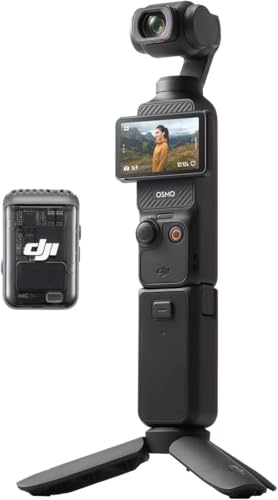
Pocket gimbal camera for stabilized video sans lenses. 1-inch sensor, 4K/120p.
Simpler for travel/no lenses.
Casual handheld shooters.
The Sony ZV-E10 is a stellar 'depends' buy: Snap it up if you're a vlogger needing pro AF and features under $800 total; skip if casual, pro, or EVF-dependent. Weigh your usage – frequent video? Yes. Rare photos? No. Buy now if deals hit $650 (Prime Day/Black Friday), or wait for 2025 successor rumors.
Best for enthusiasts; alternatives like Canon R50 or DJI Pocket 3 suit others (links above). Final advice: Rent one via LensRentals first if unsure. Ready? Grab the ZV-E10 on Amazon and start creating confidently.
Depends: Yes for vloggers needing AF/flip screen; no for photographers or casuals. Assess your needs via our framework.
Strong value at $700 for video, but wait for refresh if rumors pan out. Great if buying now on sale.
ZV-E10 for vlogging lenses; R50 for EVF/battery in hybrids. ZV-E10 wins on AF.
Worth it for 5+ hours/week video; not for occasional use where phone suffices.
Now for deals, or post-2025 if successor launches. Avoid if battery/EVF critical.
Accessories budget, overheating, no EVF, usage frequency, alternatives.
Vloggers, YouTubers, reviewers upgrading from phones.
ZV-E10 for lenses/flexibility; ZV-1 for pocketable simplicity.
Yes in 4K after 20-30min; fine for short clips, use external power.
Yes for video-focused newbies; menus take practice.
We hope this guide helped you decide whether Sony ZV-E10 is right for you.