
#1
alternative
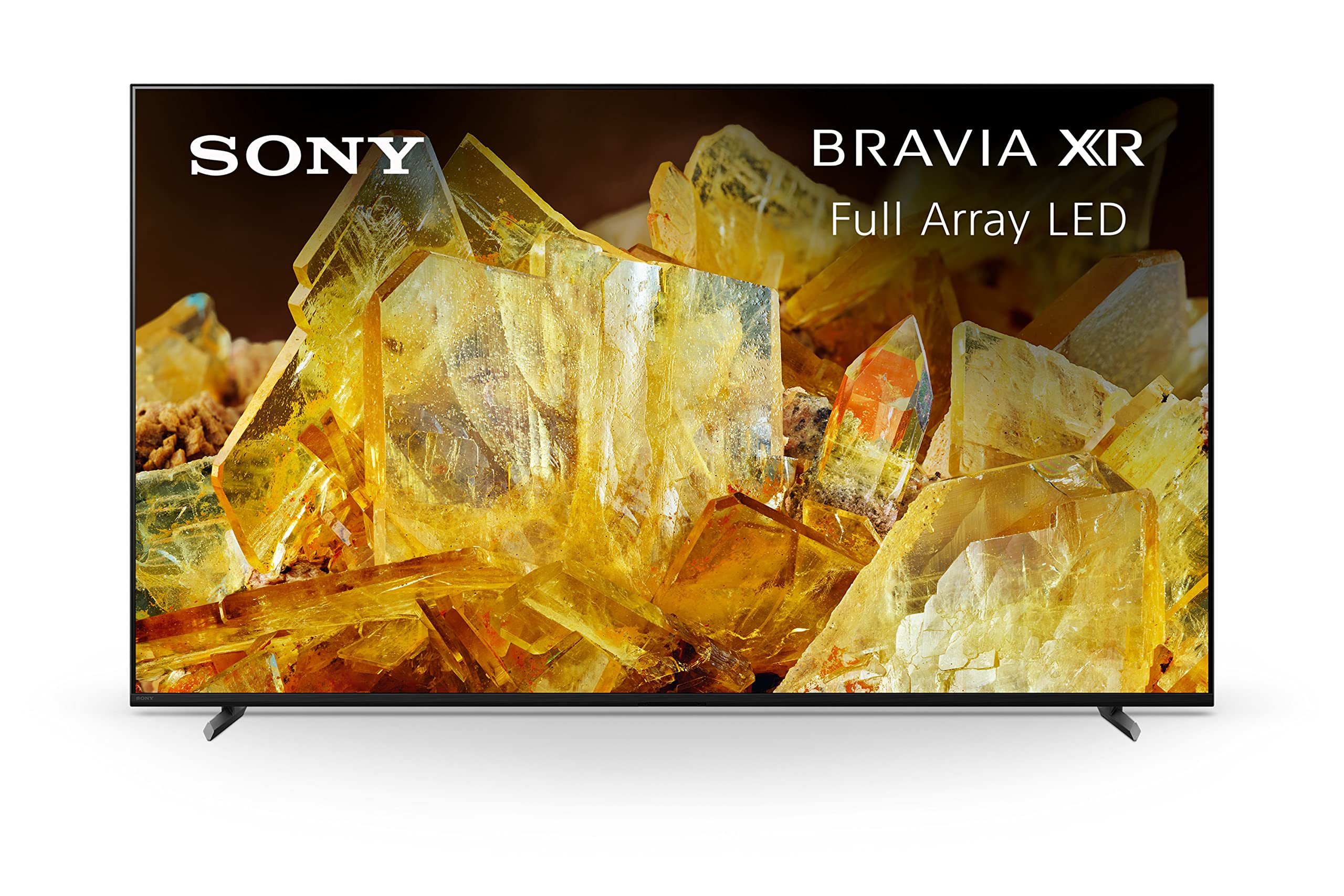
Sony X90L 65-Inch 4K TV
$999.99
The Sony X90L itself, available on Amazon. Consider the 55-inch or 75-inch variants if needed.
💡 Why We Recommend It
Primary product you're evaluating.
✓ Best For
Those ready to purchase the X90L.
Get the App
Better experience on mobile
We help you decide if the Sony X90L is the right TV for your needs and budget.
The Sony X90L is a great choice for gamers and bright-room viewers who value Sony's processing. However, movie enthusiasts in dark rooms should consider OLED. Price-conscious buyers may find better value elsewhere.
You're considering the Sony X90L, but you're not alone in your hesitation. With so many TV options—from budget LEDs to premium OLEDs—it's tough to know if this $999 model is the sweet spot or a compromise. Many buyers wonder: Is the X90L worth the price, or should I save for a Sony A80L OLED or go cheaper with a TCL Q7? This guide cuts through the confusion by examining real user experiences, expert reviews, and your unique situation. The verdict? It depends on your priorities: if you want great gaming features and excellent upscaling without worry of burn-in, the X90L is a strong buy. But if deep blacks and infinite contrast are must-haves, you might regret skipping OLED.
The Sony X90L is a 4K HDR TV that uses a full-array LED backlight with local dimming to deliver bright, vibrant images. It runs Google TV for smart features and supports HDMI 2.1, making it a solid choice for PS5 and Xbox Series X. Sony's cognitive processor XR handles upscaling and motion flawlessly, giving even lower-resolution content a sharp, smooth look. You can buy it from major retailers like Amazon, Best Buy, and Sony's direct store.
Buyers often hesitate because the X90L sits in a competitive price range where a few hundred dollars more gets you an OLED (like the Sony A80L) with superior contrast. Others worry about the limited dimming zones compared to the X95L or Samsung QN90C, leading to some blooming in dark scenes. There's also the question of timing: with newer models (X90M) potentially on the horizon, some wonder if they should wait. Common complaints from owners include the glossy screen causing reflections and the relatively thick bezels. Plus, the sound is mediocre, so a soundbar is almost necessary, adding to the cost.
A college student who wants a TV for PS5 and occasional movies. Budget is tight.
Budget: Under $800
Usage: Gaming 60%, streaming 40%, in a dorm room with moderate lighting.
Why: The X90L is over budget and requires a soundbar. The TCL Q7 ($699) offers 120Hz VRR and good brightness for less, saving money for a soundbar.
Consider instead: Consider TCL Q7 65-inch or Hisense U7K.
A home theater fan who watches mostly movies at night. Values black levels and contrast.
Budget: $1,000 - $1,500
Usage: Movies 80%, gaming 20%, in a dark dedicated room.
Why: The X90L's blooming in dark scenes will be distracting. For $200 more, the LG C3 OLED offers perfect blacks and superior contrast.
Consider instead: Consider LG C3 OLED 55-inch or Sony A80L OLED.
A family with kids who watch cartoons, sports, and stream movies during the day. Bright room with windows.
Budget: $900 - $1,100
Usage: Kids shows 30%, sports 20%, streaming 30%, movies 20%, mostly daytime.
Why: The X90L's brightness and anti-glare coating (though glossy) handle daytime well. No burn-in risk from kids' static logos. Upscaling makes old cartoons look good.
Consider instead: None: X90L fits perfectly.
A serious gamer with a PS5 and PC, wants the best gaming features but can't afford OLED.
Budget: $1,000 - $1,200
Usage: Gaming 70%, streaming 20%, movies 10%, in a moderately lit room.
Why: The X90L offers HDMI 2.1, 120Hz VRR, and low input lag at a price lower than gaming OLEDs. Sony's processing gives excellent motion clarity for fast games.
Consider instead: If you can stretch, LG C3 is better for HDR gaming.
The X90L is best for mixed-use living rooms where you watch sports, play games, and stream content. Its processing is top-notch: Sony's upscaling makes 1080p and 720p look nearly 4K, a clear win over TCL and Hisense. Gamers will appreciate the 120Hz VRR, ALLM, and low input lag. However, in dark rooms, the black levels aren't as inky as OLED; you'll notice blooming around subtitles. Compared to the cheaper TCL Q7 ($700), the Sony has better motion and color accuracy but fewer dimming zones. Versus the LG C3 OLED ($1,200), the Sony is brighter for HDR highlights but lacks perfect blacks. Long-term, the X90L should last 5-7 years without burn-in concerns, but its software updates may slow after 3-4 years. User reviews on Amazon average 4.5 stars, with praise for picture quality and complaints about the stand and remote.
The Sony X90L itself, available on Amazon. Consider the 55-inch or 75-inch variants if needed.
Primary product you're evaluating.
Those ready to purchase the X90L.
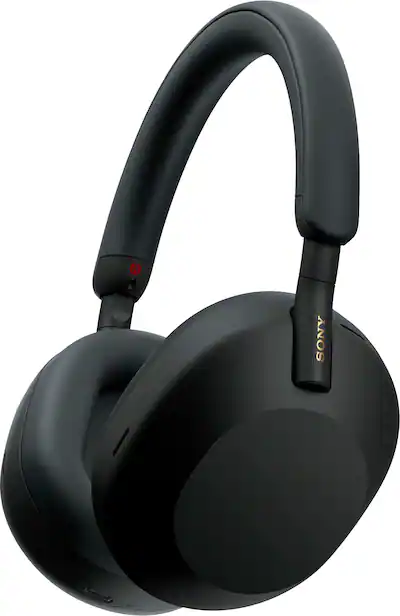
Premium noise-cancelling headphones for private TV listening without disturbing others.
Great companion for late-night gaming or movies.
Night owls or those who want immersive audio without a soundbar.
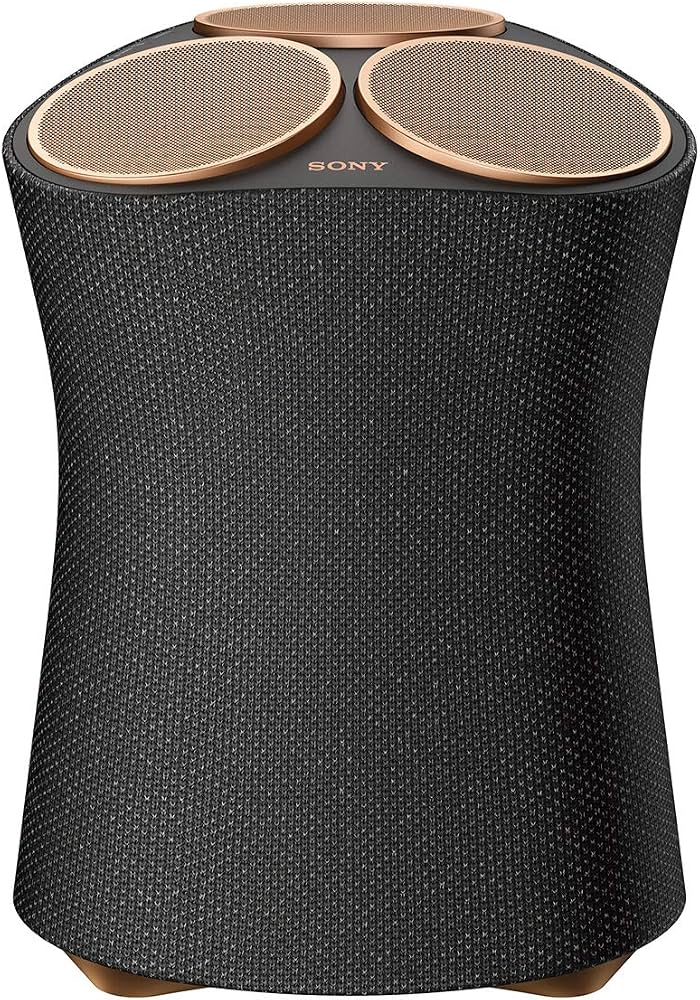
A high-end wireless speaker that can serve as a soundbar alternative with 360-degree sound.
Enhances TV audio if you don't want a traditional soundbar.
Music lovers who also want better TV sound.
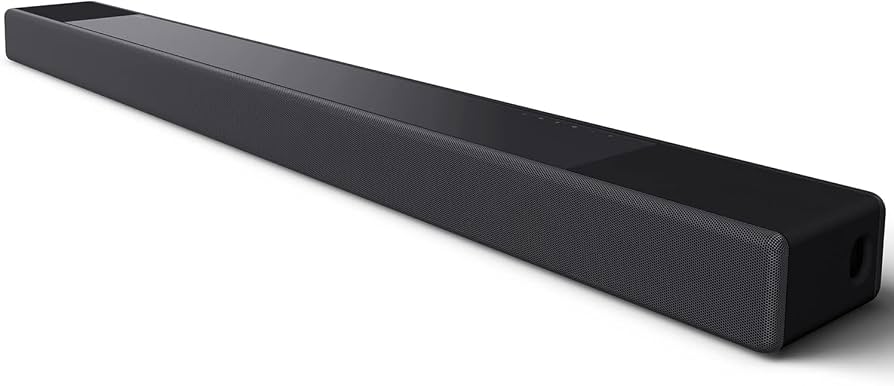
Sony's premium soundbar with Dolby Atmos, ideal pairing for the X90L.
Recommended if you prioritize audio; the X90L's built-in speakers are weak.
Those wanting a complete Sony home theater setup.
The Sony X90L is a fantastic choice if you want a bright room TV with excellent processing and gaming features, without the fear of burn-in. Skip it if you're a movie purist in a dark room who craves OLED blacks, or if you're on a tight budget. For the price, you're getting Sony's best processing at a mid-range cost. If you can stretch, the LG C3 OLED offers a better dark-room experience. If you want to save, the TCL Q7 is a solid alternative. Ultimately, the X90L is a 'yes' for gamers and sports fans, a 'depends' for movie lovers, and a 'no' for budget-focused buyers.
It depends on your needs. Buy it if you want a great gaming TV with excellent upscaling and no burn-in risk. Skip if you demand perfect black levels for movies in a dark room.
Yes, if you can find it at a discount. While newer models exist, the X90L still offers top-tier processing and gaming features. However, consider that the X90M may bring improvements.
Choose the X90L for bright rooms and gaming (no burn-in). Choose the A80L for dark rooms and movie-watching. The A80L has better contrast but is dimmer and risks burn-in.
Absolutely. It supports 4K 120Hz VRR and has low input lag. Sony's processing enhances PS5 graphics. One of the best PS5 TVs below $1,000.
Best time is during Black Friday or Prime Day sales, where it often drops to $899 or lower. If you need it now, it's still a fair price at $999.
Consider your room lighting (glossy screen), need for a soundbar, and whether you can stretch to OLED for better contrast. Also, size: the 65-inch is best value.
Gamers, sports fans, families in bright rooms, and anyone who wants a reliable LED TV without burn-in worries.
Yes, it supports Dolby Vision up to 60Hz, but not at 120Hz. For Dolby Vision 120Hz, you'd need an OLED from LG or Sony.
The X90L has better motion handling, upscaling, and color accuracy. The TCL Q7 is brighter and cheaper but has worse processing. Choose Sony if you watch a lot of non-4K content.
Yes, its motion processing is excellent for fast action. The bright panel handles daytime viewing well.
Blooming in dark scenes, glossy reflections, mediocre built-in sound, and bulky stand/bezel.
The Hisense U8K is brighter and has more dimming zones for less blooming, but its software and upscaling are inferior. Choose X90L for reliability and processing.
We hope this guide helped you decide whether Sony X90L TV is right for you.