Review Atlas

Menu

Shop by Category

Get the App

Better experience on mobile

????????????????????????

Should I Buy Solar Panels Installation? 2025 Guide

Overcome hesitation about the $25K cost—discover if solar panels will pay off for your home, budget, and energy needs.

Recommendation: depends

Quick Answer

Solar panels installation is ideal for qualifying homeowners, delivering massive savings and independence. However, it's a poor fit for renters, low-sun properties, or budget-limited buyers—opt for Amazon portables or community options instead. Weigh your specifics with our questions for confidence.

You're eyeing solar panels installation but that $25,000 price tag has you second-guessing: Will it really save money, or is it a risky bet on future energy costs? Homeowners often dream of slashing electric bills and going green, yet hesitate over upfront costs, long ROI timelines, and fears of poor performance in cloudy areas. This guide tackles your top concerns head-on—from real buyer regrets to smart incentives like the 30% federal tax credit. We'll break down who thrives with solar, who skips it, and a decision framework to end the doubt. Spoiler: It depends on your home, location, and finances, but many see massive long-term wins.

What is Solar Panels Installation?

Solar panels installation involves hiring certified professionals to design, permit, and install a custom PV system on your home. Panels capture sunlight, inverters convert DC to AC power, and the system either offsets your utility bill (net metering) or stores excess in batteries. Full installs take 1-3 days, with warranties up to 25 years on panels. Providers like SunPower, Tesla Solar, or local contractors handle everything; quotes are free via sites like EnergySage. It's exploded in popularity due to falling panel prices (down 89% since 2010), rising utility rates (up 4% yearly), and climate incentives. Unlike portable panels, full installs deliver 70-90% bill reductions for sunny homes.

Why the Hesitation?

The massive $15K-$40K upfront cost (post-incentives ~$10K-$25K) scares off many, especially with ROIs stretching 7-12 years—longer if energy prices stagnate. Buyers fear 'scammy' installers, roof damage, or underperformance from shading/clouds, as seen in Reddit threads like r/solar where users lament surprise permitting fees or low-output systems. Timing adds doubt: Renters can't install, short-term owners miss payback, and tech skeptics eye emerging alternatives like community solar. Forums highlight buyer's remorse from overpromises on savings or maintenance hassles like inverter failures ($1K+ fixes). Finally, uncertainty lingers: 'Will incentives end?' or 'Is my roof solar-ready?'

Key Reasons TO Buy

  • Huge long-term savings: Average $1,500/year bill cuts, lifetime value $50K+ after incentives.
  • 30% federal ITC tax credit through 2032, plus state rebates slashing net cost 40-70%.
  • Energy independence: Lock in rates amid 4% annual utility hikes; protect against blackouts with add-on batteries.
  • Eco-boost: Cut CO2 by 100 tons over 25 years, appealing for green-conscious families.
  • Home value surge: Adds $15K+ resale premium per Zillow studies.
  • 25-30 year warranties with minimal maintenance (annual cleaning).
  • Net metering credits excess power, often covering winter shortfalls.

Key Reasons NOT to Buy

  • High upfront cost unaffordable without financing (4-7% interest loans).
  • Long 7-12 year ROI; no payoff if selling home soon.
  • Not viable for shaded roofs, north-facing homes, or low-sun areas (under 4 peak sun hours/day).
  • Renter/apartment limitations—no ownership means no install.
  • Hidden costs: Permits ($500+), roof repairs ($5K+), or battery upgrades ($10K).
  • Performance variability: Cloudy climates yield 20-30% less output.
  • Contractor risks: Poor installs lead to leaks or voided warranties, per BBB complaints.
  • Opportunity cost: Money ties up vs. investing in stocks (7-10% returns).

Should YOU Buy? Different Scenarios

Sunny Suburb Homeowner

✓ YES

45-year-old family in Texas with $250/month electric bill, owns 20-year-old south-facing roof, plans to stay 15+ years.

Budget: $20K-$30K net after incentives

Usage: Daily household + EV charging, high summer AC use

Why: Excellent sun exposure and high bills ensure 8-year ROI with 50% savings. Incentives drop cost to $17K; boosts home value. Real users report delight with bill freedom.

Budget-Conscious Renter

✗ NO

Young couple in apartment, $120/month bill, moves every 2 years, can't modify property.

Budget: Under $5K

Usage: Basic apartment use, no roof access

Why: No ownership means no install; short stay kills ROI. Better community solar or efficiency tweaks.

Consider instead: Portable solar generator for outages

Cloudy Climate Family

✗ NO

Pacific NW homeowners with $180 bill, heavily shaded roof, moderate income.

Budget: $15K-$25K

Usage: Year-round heating, inconsistent sun

Why: Low 3 sun hours/day yields poor 15+ year ROI; shading cuts output 30%. Prioritize insulation first.

Consider instead: Heat pump or efficiency audit

Eco-Enthusiast Off-Grider

✓ YES

Rural property owner wanting independence, high bill, good sun, open to batteries.

Budget: $30K+ with battery

Usage: Full home offset + backups

Why: Perfect for resilience; add battery for outages. Long-term savings outweigh cost.

Short-Term Flipper

✗ NO

Investor buying to renovate/resell in 3 years, average bill.

Budget: $20K

Usage: Temporary occupancy

Why: Won't recoup costs before sale; partial value add insufficient.

Consider instead: Cosmetic upgrades

Key Factors to Consider

  • Budget: Can you afford $25K net or finance without strain?
  • Home ownership and roof: Own for 10+ years? Suitable roof (age <15 yrs, good sun exposure)?
  • Location/sun hours: 4+ peak hours/day? High utility rates ($0.15+/kWh)?
  • Incentives: Eligible for 30% ITC, NEM 3.0, or local rebates?
  • Energy usage: Annual bill >$1,500 to justify?
  • Alternatives: Community solar, efficiency upgrades, or portable panels?
  • Future plans: Staying put or moving soon?
  • Risk tolerance: Comfortable with 7-12 yr ROI and minor maintenance?
  • Opportunity cost: Better to invest $25K elsewhere?
  • Complements: Need batteries for outages?

Questions to Ask Yourself

  • ?Do I own my home and plan to stay 10+ years for ROI?
  • ?Does my roof get 4+ sun hours/day with minimal shading?
  • ?Is my annual electric bill over $1,500 to make savings worthwhile?
  • ?Can I afford $25K upfront or finance at <6% interest?
  • ?Have I gotten 3+ quotes via EnergySage to avoid scams?
  • ?Am I eligible for full 30% federal tax credit and local incentives?
  • ?Would efficiency upgrades (LEDs, insulation) cut bills cheaper first?
  • ?What's my backup if output disappoints—net metering or sell-back?
  • ?Do I prioritize environment over pure financials?
  • ?Have I assessed roof condition to avoid $5K+ repairs?

Detailed Analysis

Solar shines for homeowners in sunny states (CA, TX, FL) with electric bills over $150/month and south-facing roofs. Real users on SolarReviews report 80% satisfaction, praising 20-50% immediate savings, but 15% regret due to aggressive sales or miscalculated output. Vs. alternatives: Community solar subscriptions ($50-100/month, no install) suit renters; portable Amazon kits like Renogy 100W handle camping but not home-scale. DIY panels save 20% but risk code violations. Experts (NREL) predict costs dropping 20% by 2025, boosting viability. Long-term: Panels degrade 0.5%/year, but output stays 80% at 25 years. Resale boosts equity, though batteries add $10K-20K for off-grid appeal. Trends favor solar amid net-zero pushes, but competition from wind/community options grows. Reviews highlight Tesla's sleek app monitoring but spotty service; locals often outperform on price.

Related Products & Alternatives

#1
alternative

Renogy 200W 12V Portable Solar Panel

$219.99

Affordable entry to solar without full install. Folds for camping/RV or balcony use, powers small devices. Ideal renter test-run before committing to pro install.

💡 Why We Recommend It

Low-risk way to try solar savings if full install too pricey.

Best For

Renters or hesitant beginners

🛒 Check Price on Amazon →
#2
alternative

Jackery SolarSaga 100W Solar Panel

$299

Portable panel pairs with power stations for home backup. No roof needed, quick setup for outages or off-grid testing.

💡 Why We Recommend It

Bridges gap for non-homeowners or shaded roofs.

Best For

Apartments or cloudy areas

🛒 Check Price on Amazon →
#3
complement

Sense Energy Monitor

$299

Tracks home energy use via electrical panel. Pre-install must-have to size solar system accurately and verify savings post-setup.

💡 Why We Recommend It

Optimizes ROI by pinpointing high-usage appliances.

Best For

Data-driven buyers pre/post install

🛒 Check Price on Amazon →
#4
upgrade

EcoFlow 400W Portable Solar Panel

$699

High-efficiency foldable panel for serious portable power. Scalable for whole-home trial before fixed install.

💡 Why We Recommend It

Upgrade path for growing solar needs.

Best For

RV owners or expanders

🛒 Check Price on Amazon →
#5
accessory

Renogy Solar Panel Mounting Brackets

$39.99

DIY ground/roof mounts for small panels. Useful for hybrid setups or supplementing full install.

💡 Why We Recommend It

Cost-effective add-ons for custom projects.

Best For

DIY enthusiasts

🛒 Check Price on Amazon →
#6
complement

Anker SOLIX Solar Bank 2

$999

Home battery + portable solar for outages. Pairs perfectly with panels for 24/7 power.

💡 Why We Recommend It

Enhances install with storage.

Best For

Blackout-prone areas

🛒 Check Price on Amazon →
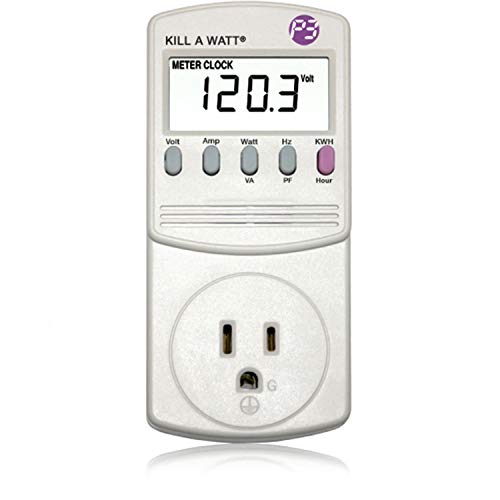
Kill A Watt Electricity Usage Monitor - Image 1 of 9
#7
complement

Kill A Watt Electricity Usage Monitor

$21.99

Plugs into outlets to measure appliance draw. Helps audit usage before solar quote.

💡 Why We Recommend It

Cheap pre-purchase essential.

Best For

Budget analysts

🛒 Check Price on Amazon →

Bottom Line

Solar panels installation is a smart 'yes' for stable homeowners in sunny spots with high bills—expect 20-50% savings and green cred after 7-10 year payback. Skip if renting, shaded, or cash-strapped; alternatives like portables or community solar fit better. Buy now if incentives align and quotes confirm 4+ sun hours; wait for summer sales or roof work. Get 3 bids via EnergySage, run energy audit first. Final advice: Crunch your numbers—if ROI <10 years, go for it and reclaim energy control.

Best For

  • Homeowners in sunny climates (CA, AZ) with $200+ monthly bills.
  • Families planning 10+ year stay seeking energy independence.
  • Eco-conscious professionals leveraging tax credits for net $15K cost.
  • High-income households ($150K+) financing easily.
  • Suburbanites with south-facing roofs and EV chargers.
  • Off-grid aspirants adding batteries for resilience.
  • Investors boosting home value 4-6% via solar.
  • Utility rate victims in deregulated markets.

Not Recommended For

  • Renters or short-term homeowners (<7 years).
  • Budget families unable to front $10K+ post-incentives.
  • Shaded/north-facing roof owners with low sun exposure.
  • Low electric bill households (<$100/month).
  • Apartment dwellers without HOA approval.
  • DIY skeptics avoiding contractor risks.
  • Cloudy climate residents (PNW, Northeast).
  • Those preferring liquid investments over home ties.

Frequently Asked Questions

Should I buy solar panels installation?

Depends: Yes if you own a sunny home with $150+ monthly bills and 10+ year stay; no for renters or low-sun areas. Use our framework to check ROI.

Is solar panels installation a good buy in 2025?

Strong buy with 30% ITC intact, falling costs, and rising utilities. Average $30K system nets $50K lifetime value, but verify your sunlight.

Should I get solar panels installation or community solar?

Full install for owners wanting max savings/control; community solar ($0 upfront) for renters/HOA blocks.

Is solar panels installation worth the $25K?

Worth it post-incentives (~$17K net) if bills drop $1,500/year. Payback 8 years; resale adds value.

When should I buy solar panels installation?

Now in high-incentive states; wait for roof replacement or sales if marginal fit. Avoid NEM 3.0 shifts in CA.

What should I consider before buying solar panels installation?

Sun hours, roof condition, 3+ quotes, incentives, financing. Audit usage first with monitors like Sense.

Who should buy solar panels installation?

Long-term sunny-climate homeowners with high bills. Skip if shaded, renting, or short-stay.

Solar panels installation vs portable panels?

Full install for home-scale savings; portables (e.g., Renogy on Amazon) for renters/testing.

Will solar panels installation increase my home value?

Yes, 4% premium (~$15K) per studies, if transferable warranty.

How long to ROI on solar panels installation?

7-12 years typically; shorter in sunny/high-rate areas.

Ready to Make Your Decision?

We hope this guide helped you decide whether Solar Panels Installation is right for you.

Browse More Guides