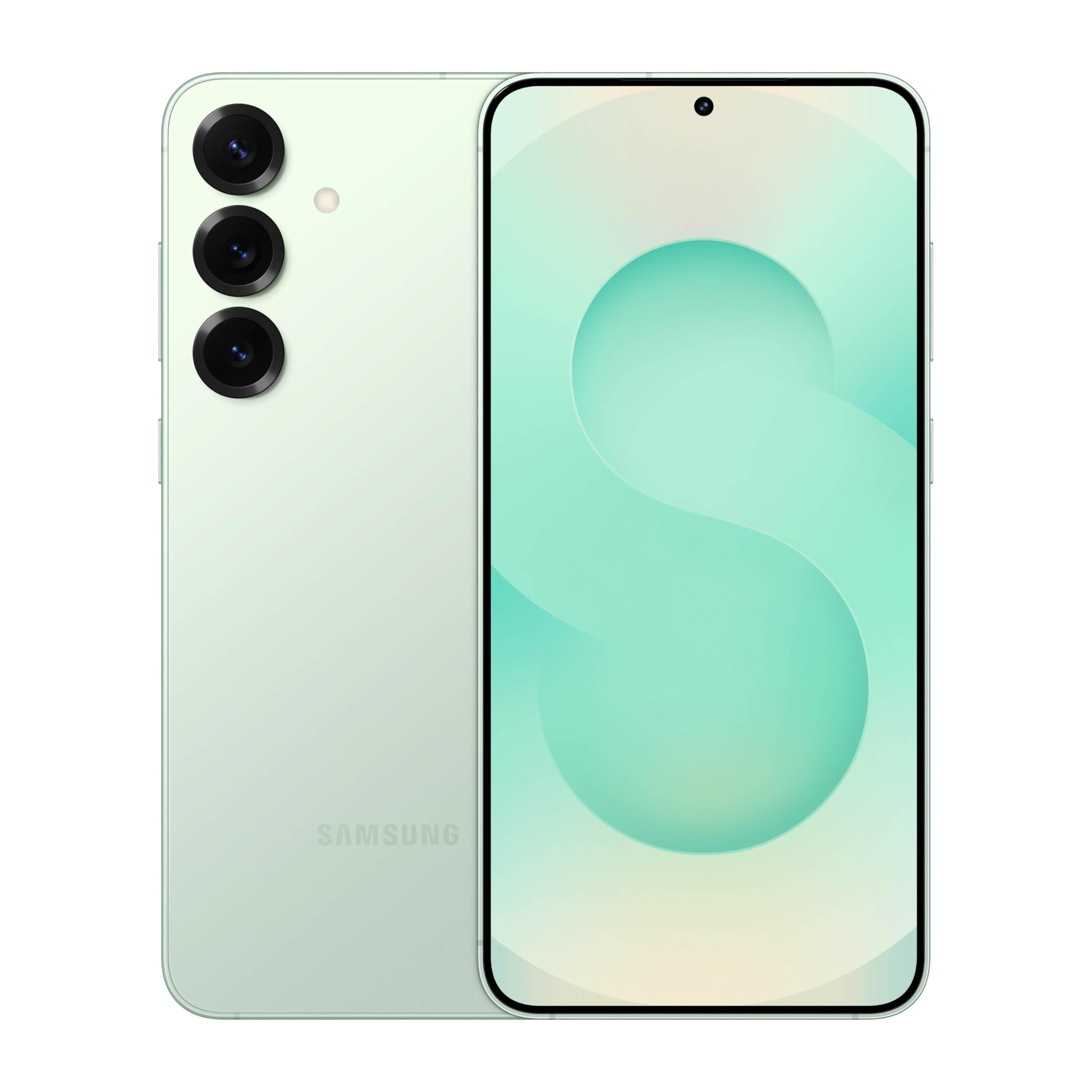
The Samsung Galaxy S25 Ultra is a powerhouse that excels for a specific type of user. If you're a creative professional who relies on the S Pen for sketching or note‑taking, a photography enthusiast who wants the most versatile camera system, or a power user who multitask heavily (DeX, split‑screen, etc.), the Ultra delivers a unique, unmatched experience. The Galaxy AI features, like instant translation and smart photo edits, genuinely save time in daily workflows.
However, for most people, the Galaxy S25+ ($999) or even the standard S25 ($799) provide the same core performance and software experience in a more pocketable form factor. The camera on the Plus is still excellent (though lacking the 10x zoom), and AI features are identical. The S Pen is the main differentiator – a powerful tool if you use it, but a gimmick if you don't.
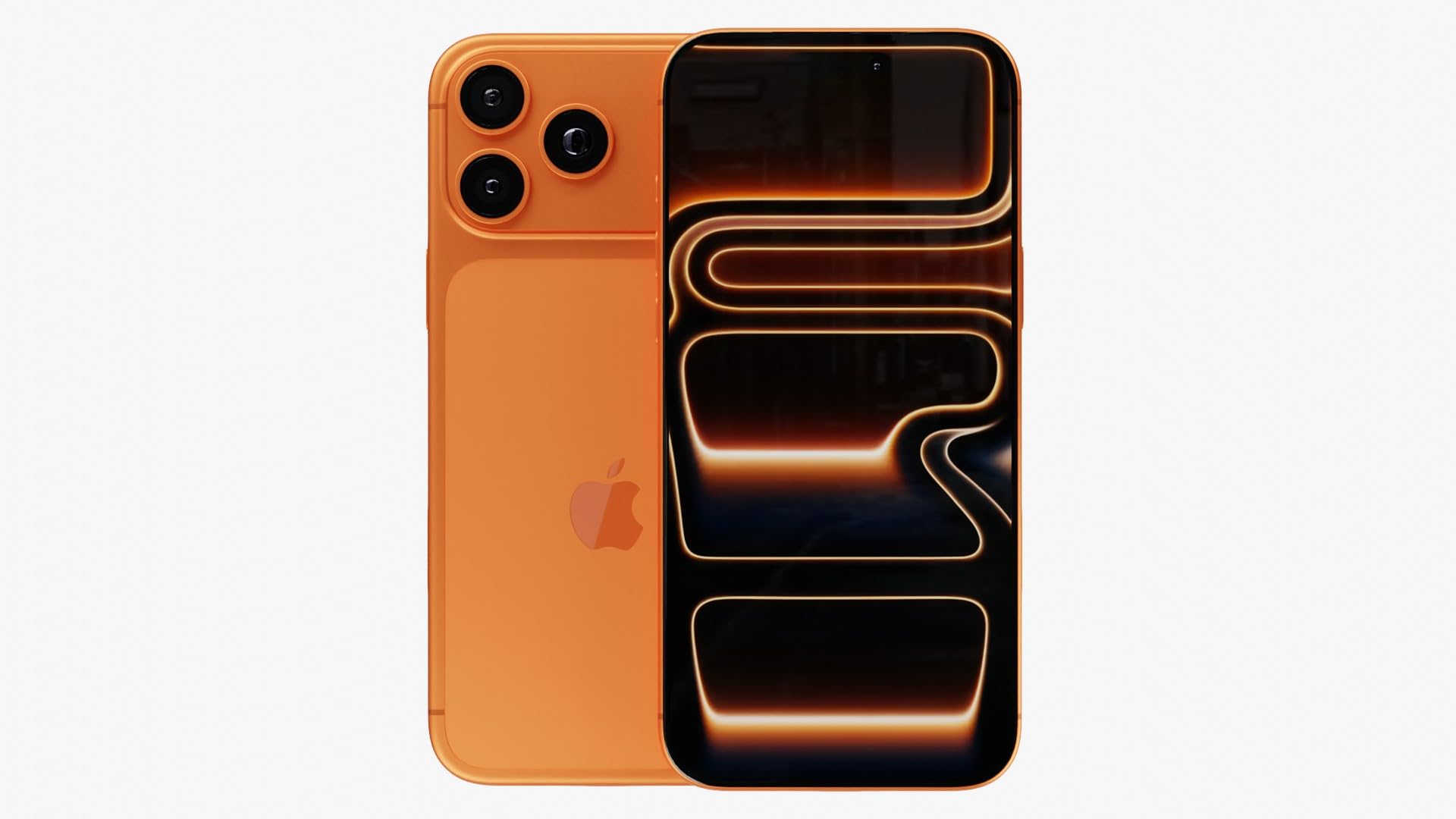
When compared to the iPhone 16 Pro Max, the Ultra has a superior zoom camera, more versatile S Pen input, and higher refresh rate (120Hz vs. 120Hz is same, but S Ultra has variable 1‑120Hz). On the other hand, the iPhone excels in video recording, ecosystem integration (especially for Mac users), and overall polish. Battery life is comparable. The choice often boils down to ecosystem preference and specific features like the S Pen.
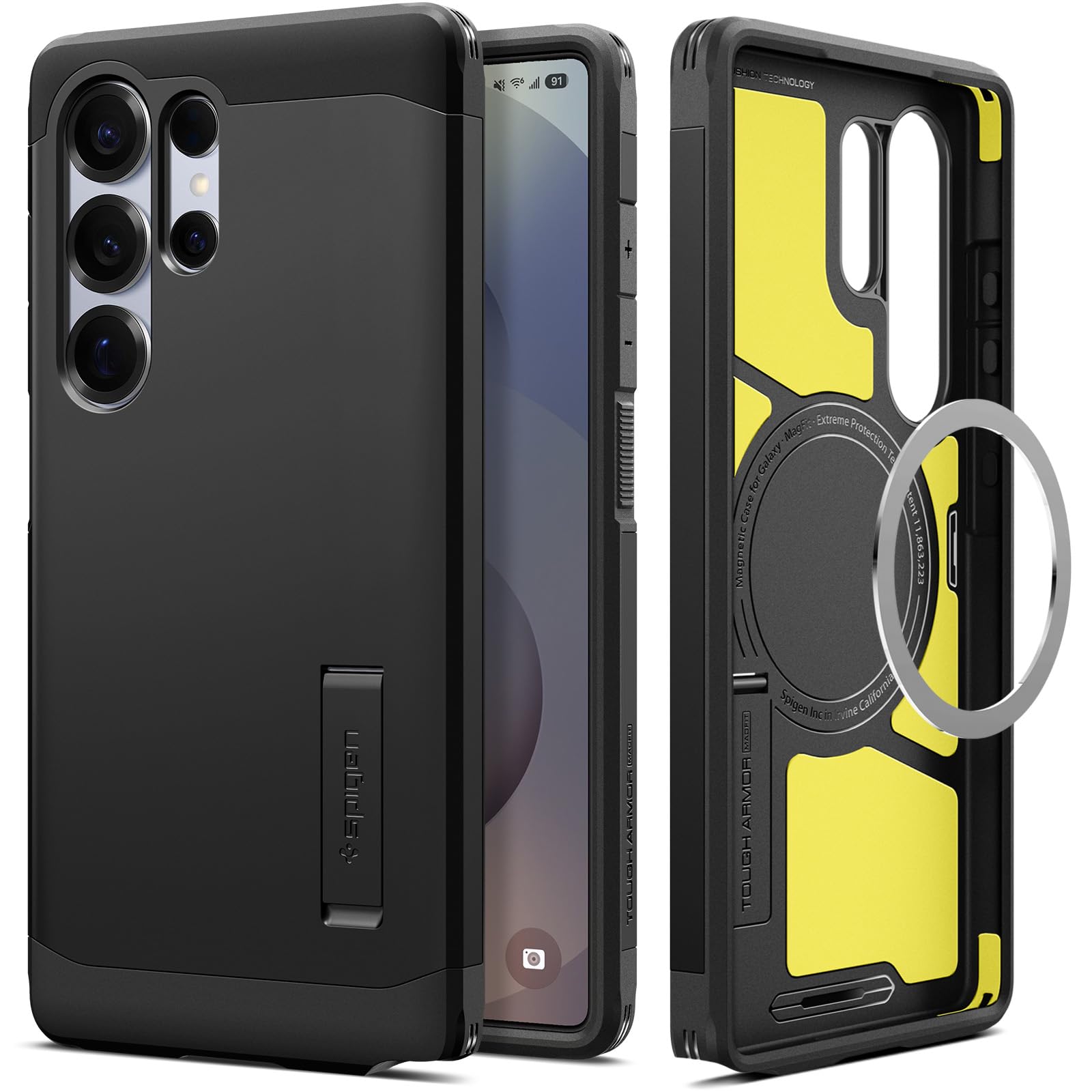
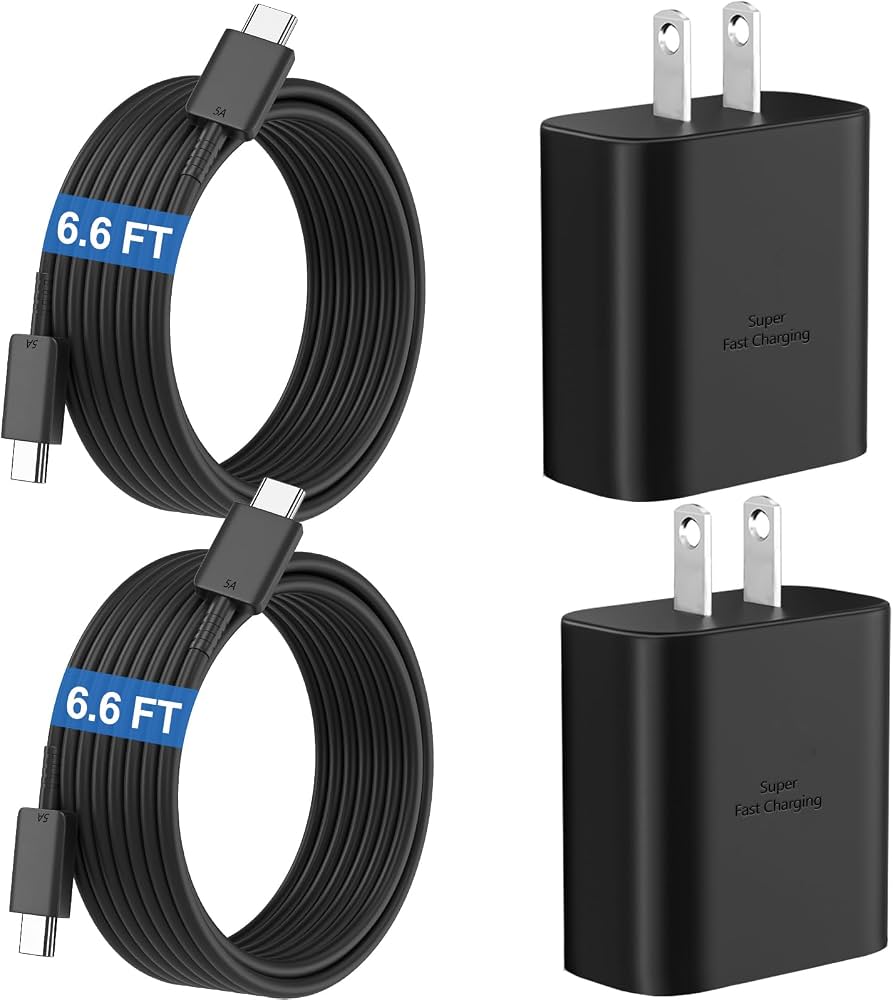
Long‑term ownership is a strong point thanks to Samsung's extended software support. The titanium build should hold up well, and accessories like cases, screen protectors, and chargers are widely available on Amazon. Resale value is decent but lower than iPhones.
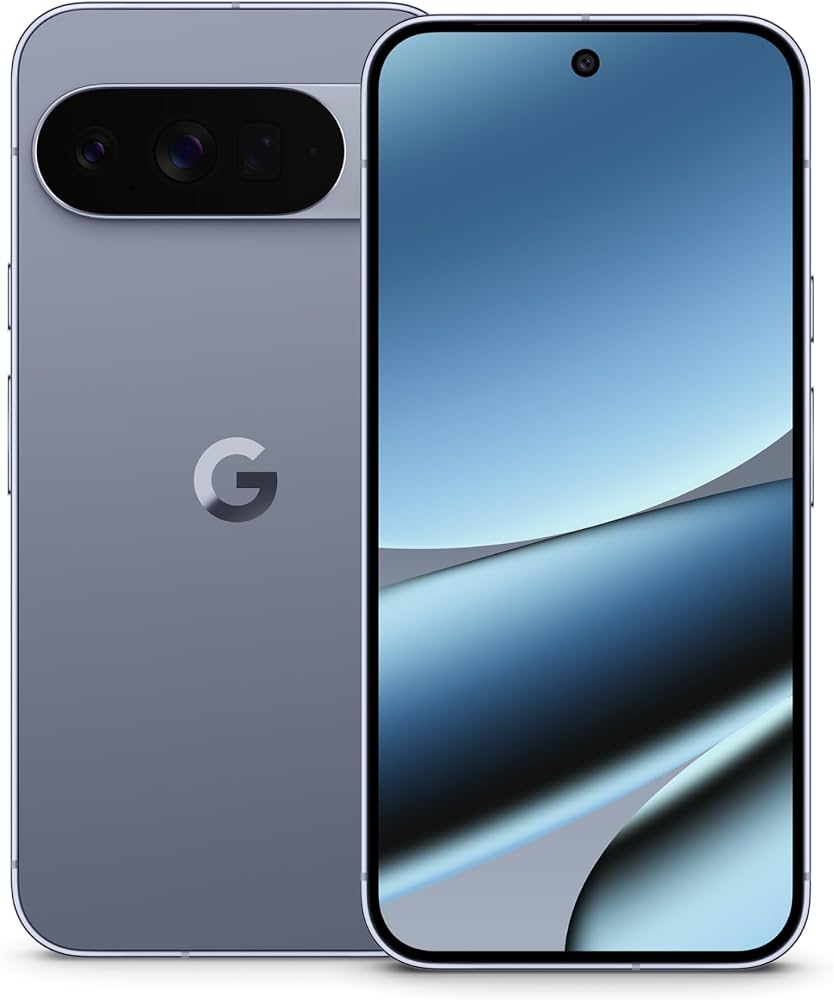
Market context: The smartphone market in 2026 is mature. Flagships from Samsung, Apple, and Google are all incredibly capable. The Ultra justifies its premium only if you extract real value from its unique features. If you're upgrading from an S23 Ultra or older, the improvements are noticeable. If you're coming from an S22 Ultra or earlier, the leap is significant.