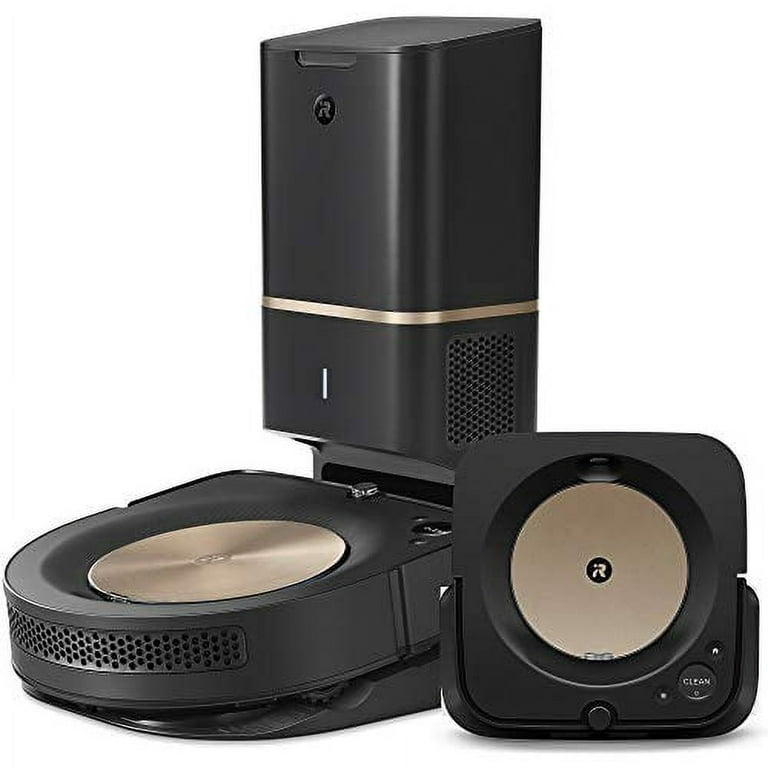
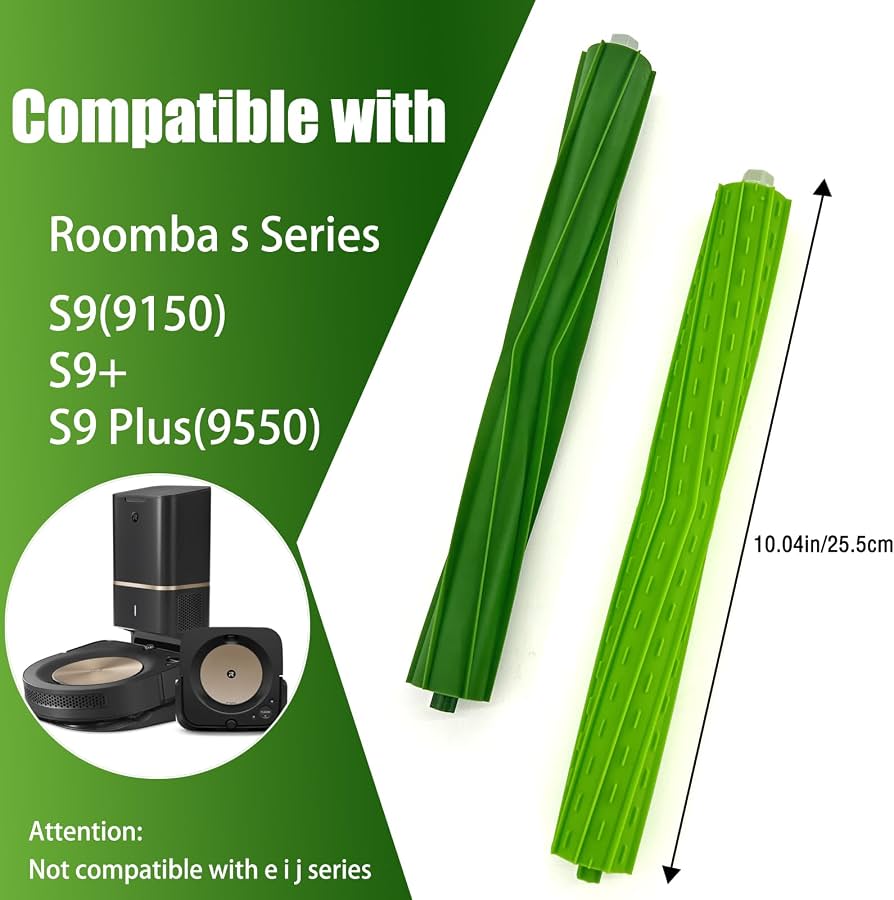
Who is the Roomba s9+ actually for? Generally, it's for someone who values cleaning performance above all else and is willing to pay for it. The s9+ excels on carpets, especially medium- and high-pile ones, where it burrows deep to pull out embedded dirt. Pet owners rave about its ability to handle fur that clumps and wraps—the specially designed brush roll resists tangles better than earlier models. The self-emptying base is a game-changer for those with allergies, as you don't have to empty the dustbin for weeks; it also means you set it and forget it, which is ideal for busy families.
However, real-world usage has its quirks. The mapping system takes a few runs to create a complete map, and some users have reported glitches with the app requiring a reset. The D-shape helps with edges, but the vacuum still can't match a human's ability to clean baseboards. On hard floors, it does a good job but isn't exceptional—you might want a dedicated mop for sticky spots. The noise level while vacuuming is moderate, but the self-emptying base is quite loud, a common complaint. As for reliability, it's generally sturdy, but some users report needing to replace the rollers more frequently if they have thick carpets or heavy pets.
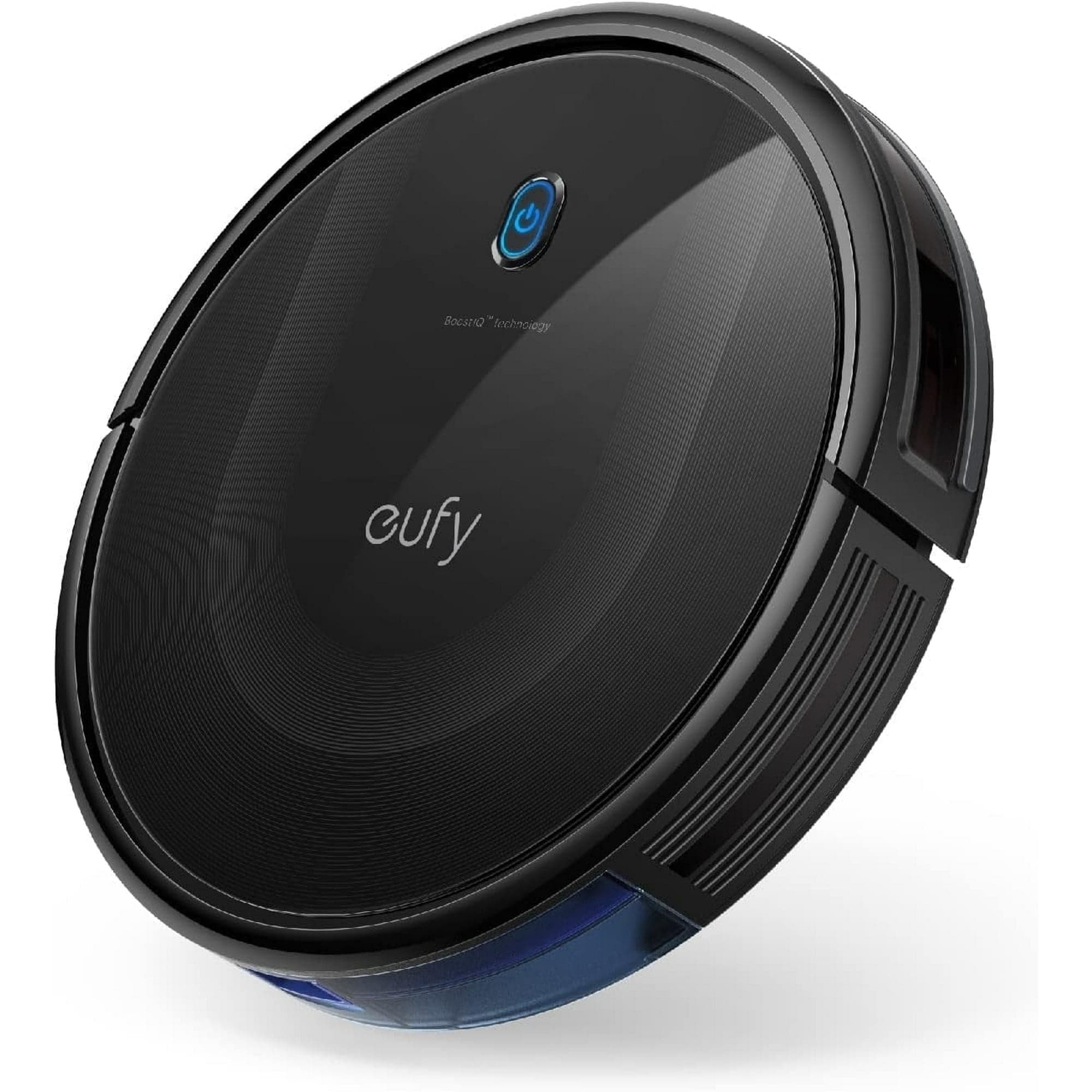
When compared to alternatives, the Roborock S8+ offers comparable suction and a self-emptying base at a slightly lower price, plus the option to attach a mop. The Ecovacs Deebot T9+ also bundles mopping and is often on sale. But iRobot's app and navigation are widely considered more mature and reliable. For budget shoppers, the eufy RoboVac 11S is a fraction of the price and handles basic cleaning, but it lacks mapping and self-emptying—so you'll be emptying the bin daily and manually moving it between rooms. The s9+ is not the newest robot from iRobot—the Combo j9+ adds mopping to the same platform—but it still receives software updates, and parts are widely available.
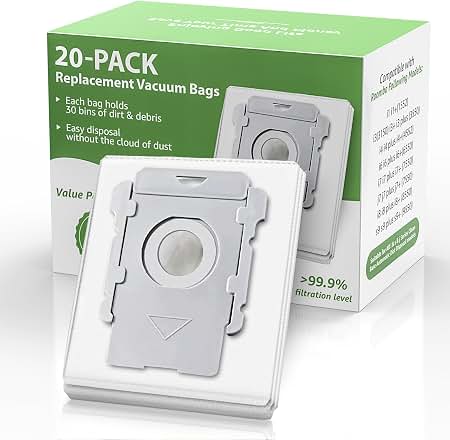
Long-term ownership costs include replacement bags (about $17 for 8), filters ($20 for 2-3), and side brushes (about $15 for a 3-pack). You'll likely spend $40-$60 per year on consumables, which is manageable but should be factored into the total cost of ownership. The self-emptying base uses standard bags, and aftermarket ones work too, though iRobot recommends original genuine parts for best performance. Resale value is decent for premium electronics, but it's unlikely to retain much after 3-4 years.
Market context: The robot vacuum market has become crowded, with aggressive pricing from Chinese brands. iRobot remains a top seller, but its premium models face stiff competition. In 2026, the s9+ is still sold but is slowly being phased out in favor of newer models. If you don't need the latest features, you might find s9+ on sale, making it a more attractive buy. However, if you want mopping or smarter object recognition, you might look elsewhere.
User reviews generally fall into two camps: those who are blown away by the cleaning power and convenience, and those who feel it's overpriced and finicky. Reading verified customer feedback reveals that many issues are related to setup and app pairing, which beginners may find frustrating. Once past that, satisfaction is high. Expert reviews consistently note outstanding performance but warn about the price tag.