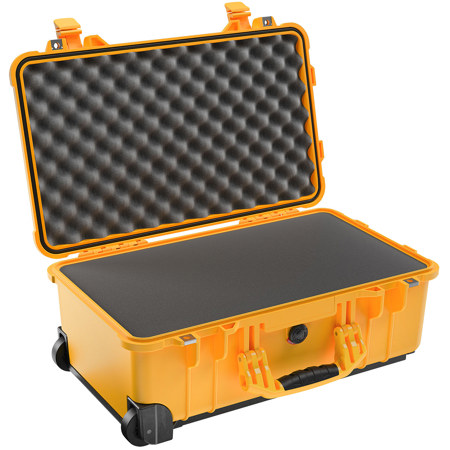
The Pelican 1510 sits at the intersection of first-class protection and airline-friendly portability. Most buyers come from three groups: photographers who fly to shoots, AV and stage techs who haul connectors, transmitters and mics, and drone owners who need hard cases for FPV rigs. For them, the 1510 is a workhorse: it fits in overhead bins, protects thousands of dollars of equipment, and shrugs off rain, dust, and airline cargo holds.
What's the difference from cheaper cases? The materials are genuinely better. Pelican uses a proprietary HPX polymer that resists impacts without cracking; the latch design is easy to open even with gloves; the automatic purge valve keeps moisture out while equalizing pressure. The case is backed by a lifetime warranty, and owners report using the same 1510 for 10-20 years. On the other hand, cheaper cases often use thinner plastic, have weaker latches, and have foam that crumbles after a year.
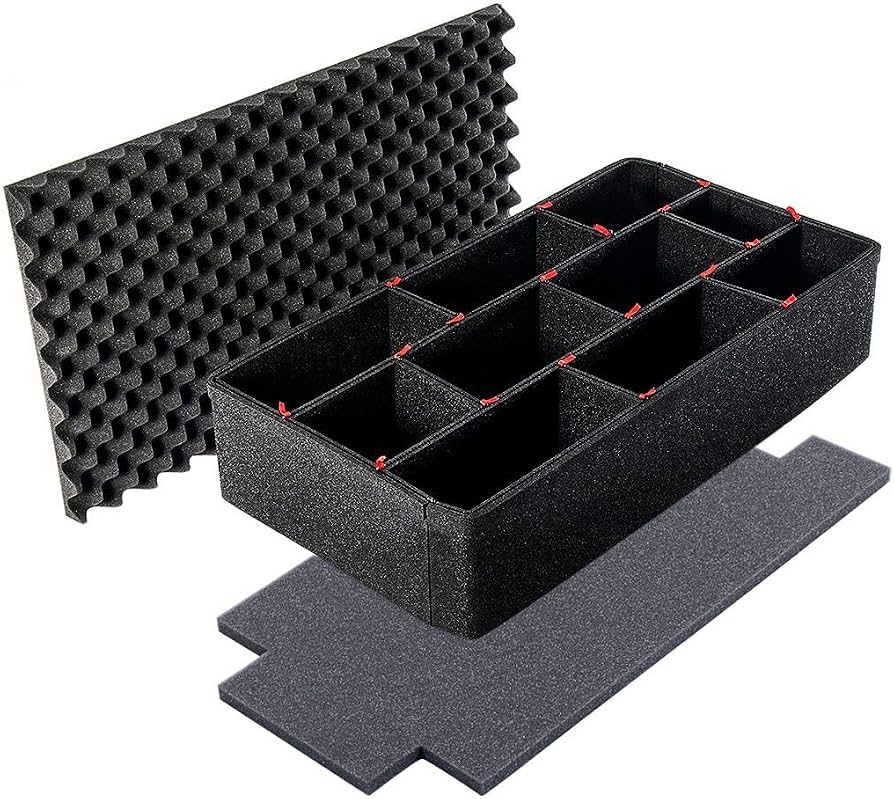
However, the 1510 isn't perfect. Owner feedback on forums frequently mentions the weight, the lack of included organization (except basic foam), and the fact that TrekPak dividers cost almost a third of the case price. Some international carriers have started enforcing stricter carry-on dimensions, though the 1510 still qualifies on most. Another issue: the retractable handle is strong, but the two wheels are noisier and less maneuverable than modern spinner luggage. If you're using this mainly as travel luggage, you'll appreciate the durability but miss the convenience.
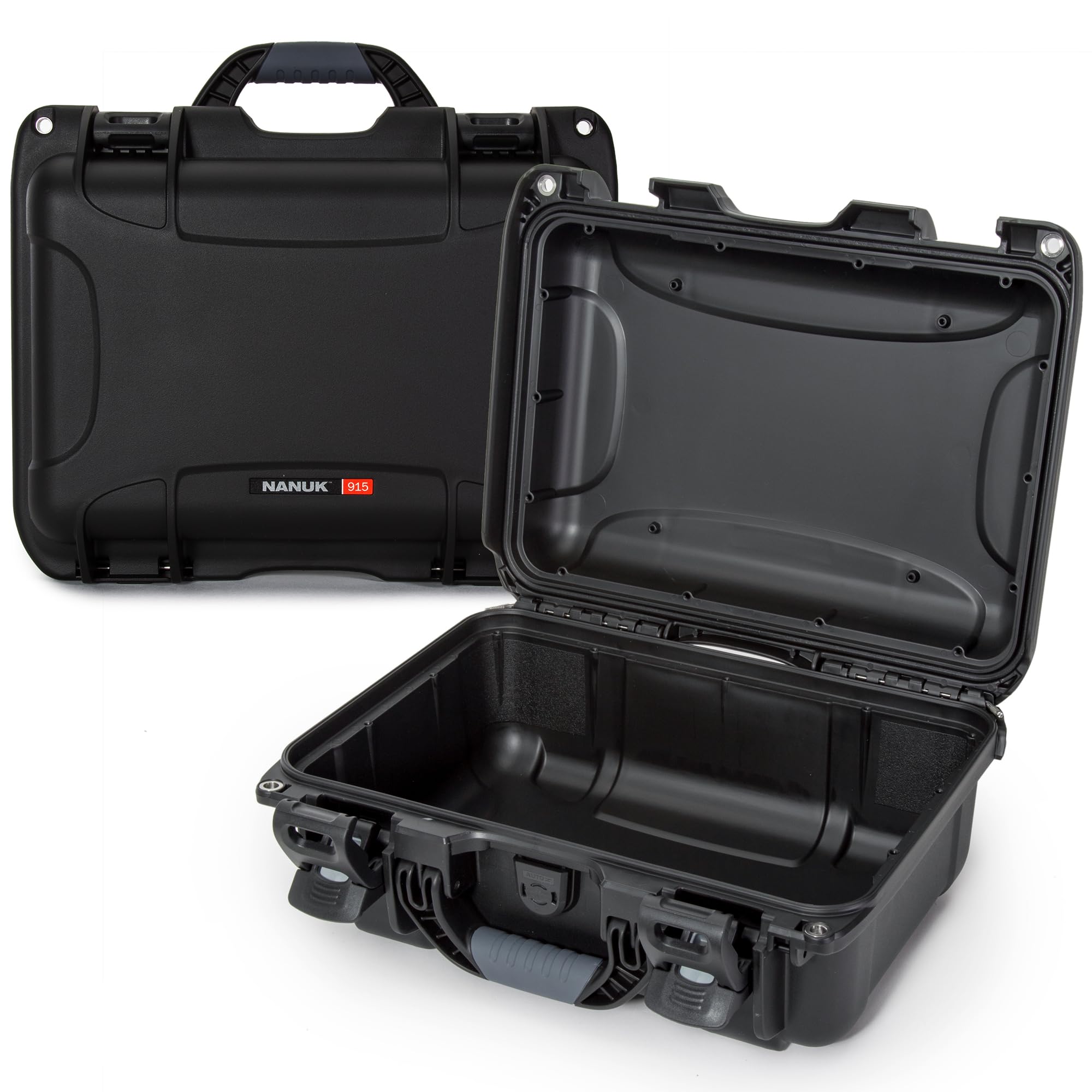
Compared to alternatives, the Pelican 1510 has a clear niche. SKB makes the iSeries 1615-7, which is similarly rugged and often a bit cheaper; Nanuk's 915 is a lighter, slightly cheaper option with a better handle. Budget buyers might prefer the Apache or Plano cases from Harbor Freight or big box stores, but those don't offer the same lifetime warranty or proven track record. The 1510 also resells well—used cases sell for $150-$200 when listed in good condition, so part of the cost is recoverable if you rotate out.
Trends also play a role. As airlines tighten overhead policies and travelers move toward soft bags, a heavy hard case feels like a trade-off. But for professionals who transport fragile gear every day, the cost per use shrinks quickly. If you shoot 40 assignments a year and rely on your case to keep cameras safe, $259 is a small insurance premium. For someone who packs a laptop twice a month, the same money is better spent on a lighter bag.
Ultimately, the Pelican 1510 is not a case for everyone, but for those who need it, it's a serious, durable investment. The first purchase may sting, but after a cheap case fails, you'll be grateful for the Pelican.