

#1
main
Lenovo Legion 5 Pro Gaming Laptop
$1399
The star of the show: RTX 3070 powerhouse for 1440p gaming. Core purchase if it fits your needs.
💡 Why We Recommend It
Direct subject for easy buying.
✓ Best For
Serious gamers seeking value.
Get the App
Better experience on mobile
Overcome hesitation about the $1399 gaming laptop: discover if its power, screen, and value fit your gaming needs and budget.
Buy if serious gamer/creator valuing performance/screen at $1399. Skip for casuals/portability. Accessories like cooling enhance it; alternatives for budgets.
You're eyeing the Lenovo Legion 5 Pro but wondering if it's worth dropping $1399 on a gaming laptop that might gather dust or underperform your expectations. Many hesitate due to its premium price, concerns over battery life, and whether it's overkill for casual use amid cheaper alternatives. People consider it for its beastly performance in games like Cyberpunk 2077 at high settings and content creation tasks.
This guide tackles your doubts head-on: we'll explore why people love (or regret) it, compare to rivals, and give you a clear decision framework. Spoiler: it's a 'depends' – fantastic for serious gamers, but not for everyone. By the end, you'll know if it's your next buy.
The Lenovo Legion 5 Pro is a 16-inch gaming laptop built for high-end gaming, video editing, and 3D rendering. Key specs include AMD Ryzen 7 5800H CPU, RTX 3070 GPU (2022 models), 16GB+ DDR4 RAM, 1TB SSD, and a stunning 2560x1600 IPS panel with 165Hz refresh rate and 100% sRGB coverage. It features RGB keyboard, advanced cooling with vapor chamber, and ports like HDMI 2.1, USB-C Thunderbolt.
Lenovo, a leader in gaming PCs via its Legion line, sells it directly and on Amazon. It's popular for punching above its weight – rivaling $2000+ laptops – thanks to AMD-NVIDIA synergy and customizable Legion Coldfront cooling. What sets it apart: mini-LED option in Pro variant for superior HDR gaming.
The biggest hesitation is the $1399 price tag – is it justified when budget laptops handle Fortnite fine? Buyers fear poor battery life (under 5 hours unplugged), making it desk-bound like a desktop. Weight (5.5+ lbs) and bulk worry travelers.
Forum chatter on Reddit (r/LenovoLegion) and Amazon reviews highlights thermal throttling during long sessions, plasticky build vs. premium Alienware, and Lenovo's spotty support. Many ponder waiting for 2025 AMD Ryzen AI 300 series or RTX 50-series refreshes. Alternatives like ASUS TUF A15 ($1000) or MSI GF65 tempt value hunters, fueling 'is it overkill?' doubts and buyer's remorse fears.
College student gaming 5-10 hours/week, does light editing, travels between classes.
Budget: $800-$1200
Usage: Casual AAA + schoolwork, some portability.
Why: Too expensive and heavy for occasional use; battery drains fast on campus. Better value elsewhere for 1080p gaming.
Consider instead: ASUS TUF Gaming A15 with RTX 4060.
20s gamer streaming 20+ hours/week, into competitive esports and ray-traced titles.
Budget: $1300-$1600
Usage: High-end gaming, content creation at home desk.
Why: Perfect performance-to-price; QHD screen elevates experience without $2k spend.
Freelance video editor needing portable workstation for travel gigs.
Budget: $1400+
Usage: Premiere/After Effects rendering, occasional gaming.
Why: RTX power accelerates exports; color-accurate screen ideal, though weight a compromise.
Remote worker browsing/web, light games on weekends, prioritizes battery.
Budget: $1000
Usage: Productivity, Netflix, rare gaming.
Why: Overkill and poor battery; ultrabook better for daily.
Consider instead: Lenovo IdeaPad Gaming 3.
Owns 5-year-old laptop, wants desktop replacement for VR/gaming.
Budget: $1500
Usage: Daily heavy use at home.
Why: Massive upgrade in speed/screen; upgradable for longevity.
The Legion 5 Pro shines for mid-to-high-end gamers and creators who prioritize raw power over portability. Real-world tests (NotebookCheck, Jarrod's Tech) show it sustaining 90+ FPS in Cyberpunk RT on, outpacing RTX 3060 rivals. Users on r/GamingLaptops love the screen for vibrant colors but complain of fan roar like 'jet engine.'
Vs alternatives: Beats ASUS TUF A15 ($1100, weaker CPU) in multi-core but loses to Razer Blade 15 ($1800, slimmer). Amazon's MSI Pulse GL66 offers similar specs cheaper but poorer build. Experts (PCMag 4.5/5) praise value; cons include 55Wh battery limiting unplugged use.
Long-term: 3-year ownership solid with upgradability, but dust buildup needs cleaning. Resale ~60% after 2 years. Market trends: 2025 shifts to AI GPUs, so this gen great now but wait if future-proofing key. 4.5/5 Amazon stars from 2k+ reviews confirm satisfaction for target users.
The star of the show: RTX 3070 powerhouse for 1440p gaming. Core purchase if it fits your needs.
Direct subject for easy buying.
Serious gamers seeking value.

Reduces temps by 20°C during marathons. Must-have for Legion's hot sessions; quiet fans.
Addresses thermal complaints.
Long-session gamers.

Lightweight, 250-hour battery for precise Legion gaming. Pairs perfectly with RGB keyboard.
Enhances control.
FPS/esports players.
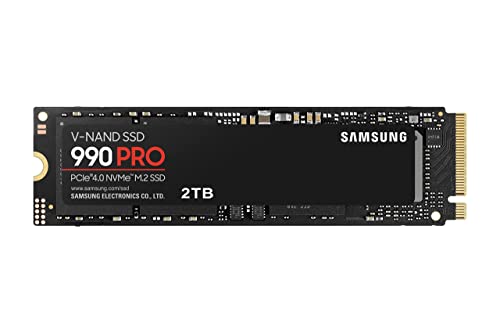
Swap for faster loads/games. Easy upgrade via Legion's accessible slot.
Future-proofs storage.
Storage-heavy users.

$300 cheaper with newer GPU for 1080p. Solid if budget tight.
Lower entry to gaming.
Value seekers.

7.1 surround for immersive audio. Boosts Legion's Nahimic.
Audio upgrade.
Streamers.

RTX 3050 for casuals. Half price without QHD.
Casual entry.
Beginners.

Premium cooling with RGB. Luxury add-on for heavy use.
Temp control.
Enthusiasts.
The Lenovo Legion 5 Pro is a powerhouse buy if you're a dedicated gamer/creator who games 10+ hours weekly and prioritizes performance over portability – snag it on Amazon for $1399. Skip if casual or budget-limited; opt for ASUS TUF or MSI alternatives. Weigh your usage, budget, and timing (avoid if waiting for 2025 models).
Final advice: Use our questions/framework – if 7/10 yes, buy confidently with accessories like cooling pad. Returns easy on Amazon. Make the call: power upgrade or pass?
Depends: Yes for serious 1440p gamers; no for casuals. Great value at $1399 if high usage.
Solid mid-range king, but check RTX 50-series rivals. Excellent if not waiting.
Legion for value/screen; Strix for build. Legion wins on price/performance.
Yes for enthusiasts – outperforms price peers. Battery/portability cons noted.
Now for deals; wait post-CES 2025 for refresh if future-proofing.
Budget, usage, battery needs, alternatives, thermals.
Gamers/creators needing RTX power affordably.
Legion superior specs/screen; MSI for ultra-budget.
Fans loud but controls temps well; cooling pad helps.
4-6 hours light use; plug in for gaming.
We hope this guide helped you decide whether Lenovo Legion 5 Pro is right for you.